Attractions and Places To See around Sękowa - Top 20
Best attractions and places to see around Sękowa include a blend of historical, cultural, and natural sites within the Beskid Niski mountains. This region in southern Poland is known for its UNESCO World Heritage listed wooden churches and its rich Lemko traditions. Visitors can explore diverse landscapes, from mountain peaks to river valleys, alongside significant architectural and historical landmarks. The area offers a variety of experiences for those interested in history, culture, and outdoor exploration.
Best attractions and places to…
Last updated: July 1, 2026
St. Paraskevi Church
Highlight • Religious Site
Translated by Google •
Tip by

Kozie Żebro (847 m above sea level)
Highlight • Summit
Translated by Google •
Tip by

Sign up now to discover places like this
Get recommendations on the best single tracks, peaks, & plenty of other exciting outdoor places.
Sign up for free
Nieznajowa Abandoned Village
Highlight • Historical Site
Translated by Google •
Tip by

Hańczowa Orthodox Church
Highlight • Religious Site
Translated by Google •
Tip by
Lysula observation tower
Highlight • Viewpoint
Translated by Google •
Tip by

Sign up for free to discover even more attractions around Sękowa.
Sign up for free
Already have an account?
Start today with a free account
Your next adventure awaits.
Login or Signup

Other adventures around Sękowa

Tips from the Community

Observation tower plus slide from the tower.
0
0

In summer, access from the parking lot is much easier. A wide gravel path leads from Mecina Wielka or Mała, followed by steep forest trails. Access from Mecina Mała is also available via a narrow asphalt road, which leads to the parking lot.
0
0
In winter, when everything is covered in snow, you have to look at the trees and trail markings. In summer, there are plenty of paths, even if you get lost, you can find another path.
0
0

Wooden churches always impress me. This one—apparently a typical Lemko church (they had good taste!)—dates back to the early 19th century and is an Orthodox church. It's not on the Main Beskid Trail itself, but almost there, so it's worth the detour.
1
0
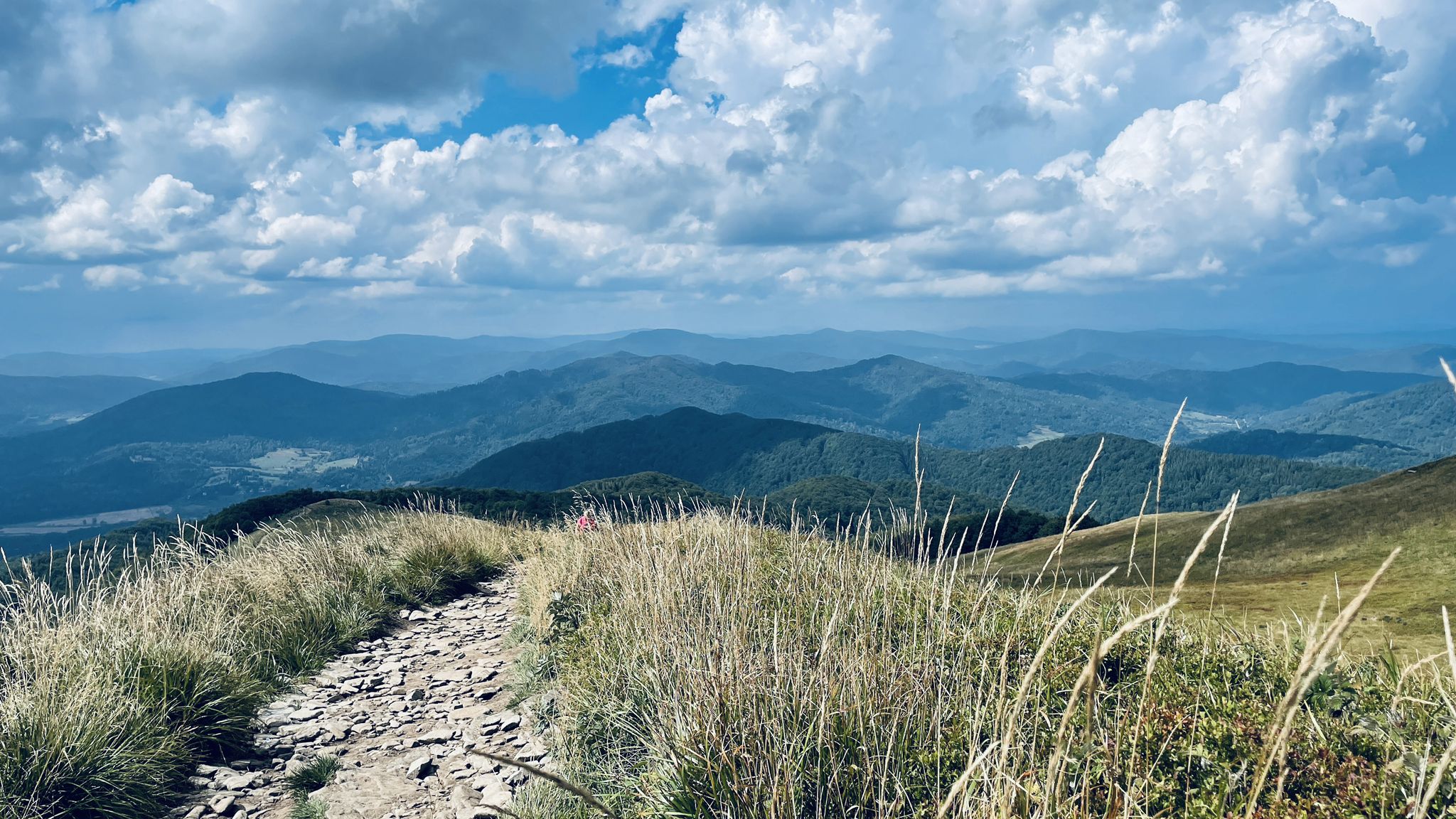
A peak at 847 meters above sea level in the Beskid Niski Mountains (not so low for me, I'm from Gdańsk!). Apparently, the name of this peak was the idea of Austrian cartographers who found the skeleton of a roe deer here, commonly known in this area as a goat.
1
0

Kozie Żebro (847 m a.s.l.) – a peak in the western part of the Beskid Niski. „The original name was allegedly given to this peak by Austrian cartographers who found a roe deer skeleton there, commonly called a goat here” (Krukar W., Kryciński S., Luboński P., Olszański T.A., Beskid Niski. Przewodnik dla prawdziwego turysty).
0
0

Parking 700 meters from the tower.
0
0

a place worth visiting for everyone
1
0
Frequently Asked Questions
What historical and cultural sites can I explore in Sękowa?
Sękowa is rich in history and culture. You can visit the UNESCO World Heritage listed wooden Church of Saints Philip and James, a significant example of wooden architecture. Another notable site is the St. Paraskevi Church, considered to have the oldest dated tower of a Lemko church. Don't miss the Nieznajowa Abandoned Village, which offers a poignant glimpse into the region's past and Lemko heritage. The area also features architecturally remarkable World War I cemeteries.
Are there any UNESCO World Heritage sites in the Sękowa area?
Yes, Sękowa is home to two UNESCO World Heritage sites. The most prominent is the wooden Church of Saints Philip and James, dating back to the early 16th century. Additionally, the Church of the Protection of the Mother of God in Owczary, another wooden Orthodox church, is also a UNESCO-listed site, making the commune unique for having two such distinct listings.
What natural attractions are there to discover around Sękowa?
The Sękowa area, nestled in the Beskid Niski mountains, offers diverse natural beauty. You can explore the scenic landscapes of the mountains themselves, or visit the Diabli Kamień Rock Formation, a natural monument with large, uniquely shaped boulders. For panoramic views, hike to Goat Rib, a summit offering rewarding vistas. The Sękówka River also provides picturesque areas for walks.
What kind of outdoor activities can I do near Sękowa?
The Beskid Niski mountains surrounding Sękowa are ideal for outdoor enthusiasts. You can enjoy various activities such as hiking, cycling, and mountain biking. For detailed routes and trails, explore the guides for Mountain Hikes around Sękowa, Cycling around Sękowa, and MTB Trails around Sękowa.
Are there family-friendly attractions in Sękowa?
Many attractions in Sękowa are suitable for families. The St. Paraskevi Church and the Diabli Kamień Rock Formation are both listed as family-friendly. The natural trails around the Sękówka River and some of the easier hiking routes in the Beskid Niski also provide enjoyable outdoor experiences for all ages.
What is the best time to visit Sękowa?
Sękowa is beautiful throughout the year, but the best time to visit largely depends on your preferred activities. Spring and autumn offer pleasant temperatures for hiking and cycling, with vibrant foliage in the fall. Summer is ideal for enjoying the full range of outdoor activities. Winter transforms the landscape into a snowy wonderland, suitable for winter sports or peaceful, scenic walks, though some trails might be more challenging.
Where can I find hiking trails near Sękowa?
Sękowa is surrounded by numerous hiking opportunities within the Beskid Niski mountains. You can find a variety of trails, from easy walks to more challenging ascents. For a comprehensive selection of routes, including options like the 'Magura Summit loop' or the 'Yellow Forest Trail', refer to the Mountain Hikes around Sękowa guide.
What is the significance of Lemko culture in Sękowa?
Sękowa is deeply rooted in rich Lemko traditions, which are still cultivated by the local community. The area provides opportunities to learn about their unique customs and cultural heritage. The presence of wooden Orthodox churches, like the St. Paraskevi Church and the Hańczowa Orthodox Church, are testaments to this vibrant cultural legacy. The abandoned village of Nieznajowa also tells the story of the Lemko people who once inhabited the region.
Are there any hidden gems or less-known spots worth visiting?
Beyond the main attractions, consider exploring the Nieznajowa Abandoned Village, a former Lemko settlement with only scattered remains and stone roadside crosses, offering a unique historical experience. The Hańczowa Orthodox Church, though slightly off the main trail, is a beautiful wooden church worth a detour for its historical significance and architecture.
What do visitors enjoy most about the attractions around Sękowa?
Visitors frequently praise the blend of historical and natural beauty. The UNESCO wooden churches, like the St. Paraskevi Church, are often highlighted for their architectural charm and historical depth. The scenic views from summits like Goat Rib and the unique rock formations of Diabli Kamień are also highly appreciated for their natural appeal and photographic opportunities.
Can I find cycling routes suitable for different skill levels?
Yes, the Sękowa area offers a range of cycling routes. You can find moderate trails like the 'Old Bridge and Dam loop' or the 'Nieznajowa Ghost Village loop'. For more challenging rides, there are options such as the 'Gravel Descent to Czarne' or longer loops around Nieznajowa. Explore the Cycling around Sękowa guide for routes tailored to various difficulties.
Are there any specific viewpoints in the Sękowa area?
Absolutely. The summit of Goat Rib (Kozie Żebro) at 847 meters above sea level provides excellent views of the Beskid Niski mountains. Additionally, the Diabli Kamień Rock Formation, while a natural monument, also offers interesting perspectives of the surrounding forest and landscape.
Most popular routes around Sękowa
Most popular attractions around Sękowa

Get inspired with the komoot mobile app


Explore more
Still not found the Highlight you’re looking for? See guides of the top attractions in other regions:
