Attractions and Places To See around Baranów - Top 20
Best attractions and places to see around Baranów include a blend of historical sites, religious buildings, and natural features. This region in southeastern Poland is known for its rich history and architectural heritage, particularly its Renaissance castle. Baranów is situated near the Vistula River and offers a variety of landscapes, from historical parks to artificial lakes.
Best attractions and places to see around Baranów
- The most popular attractions is Adam Chelmonski Manor House, a historical site that features a…
Last updated: July 1, 2026
Adam Chelmonski Manor House
Highlight • Historical Site
Translated by Google •
Tip by

Adamowizna Manor and Park
Highlight • Historical Site
Translated by Google •
Tip by

Sign up now to discover places like this
Get recommendations on the best single tracks, peaks, & plenty of other exciting outdoor places.
Sign up for free
Church of Saints John and Paul, Martyrs, in Mikołajew
Highlight • Religious Site
Translated by Google •
Tip by

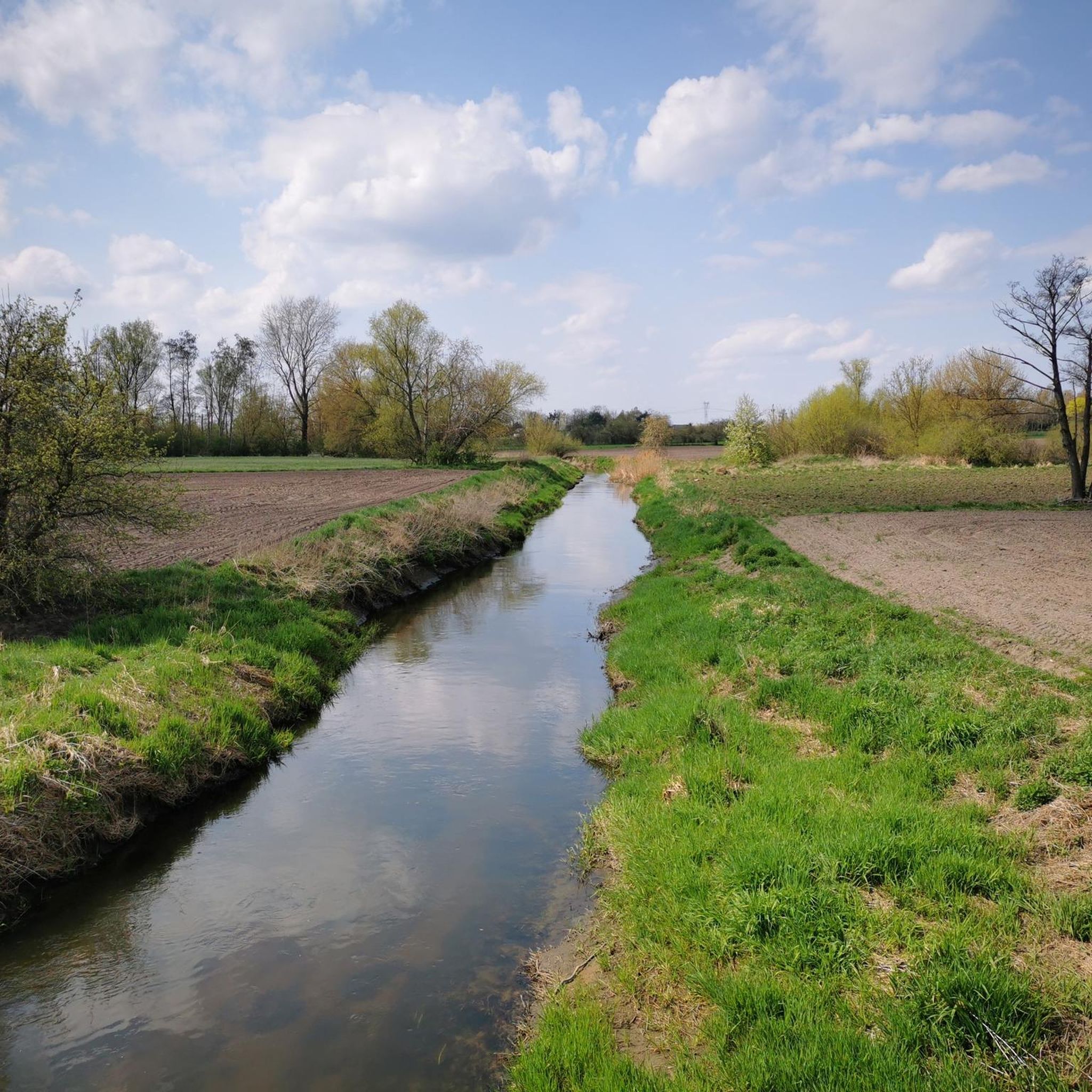
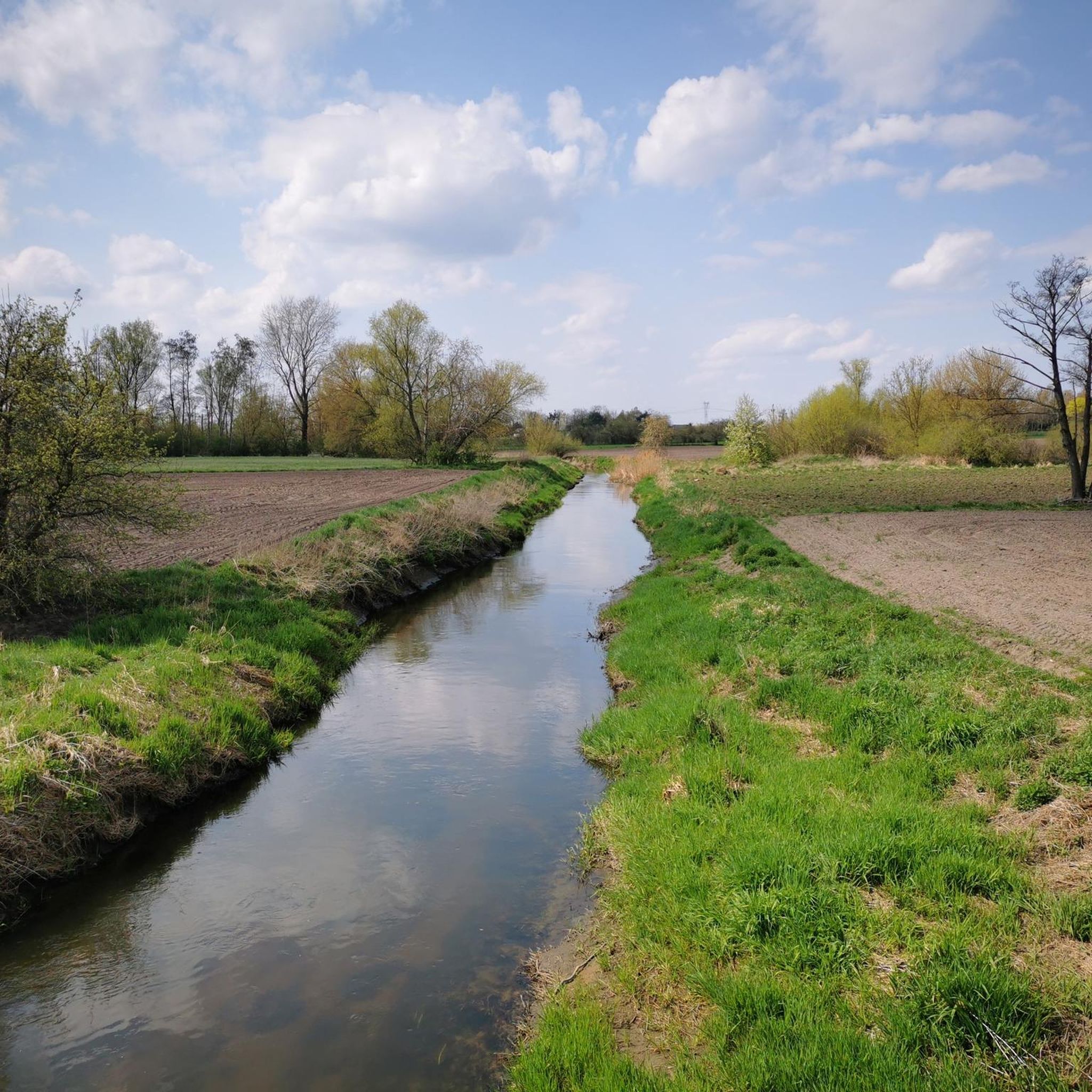
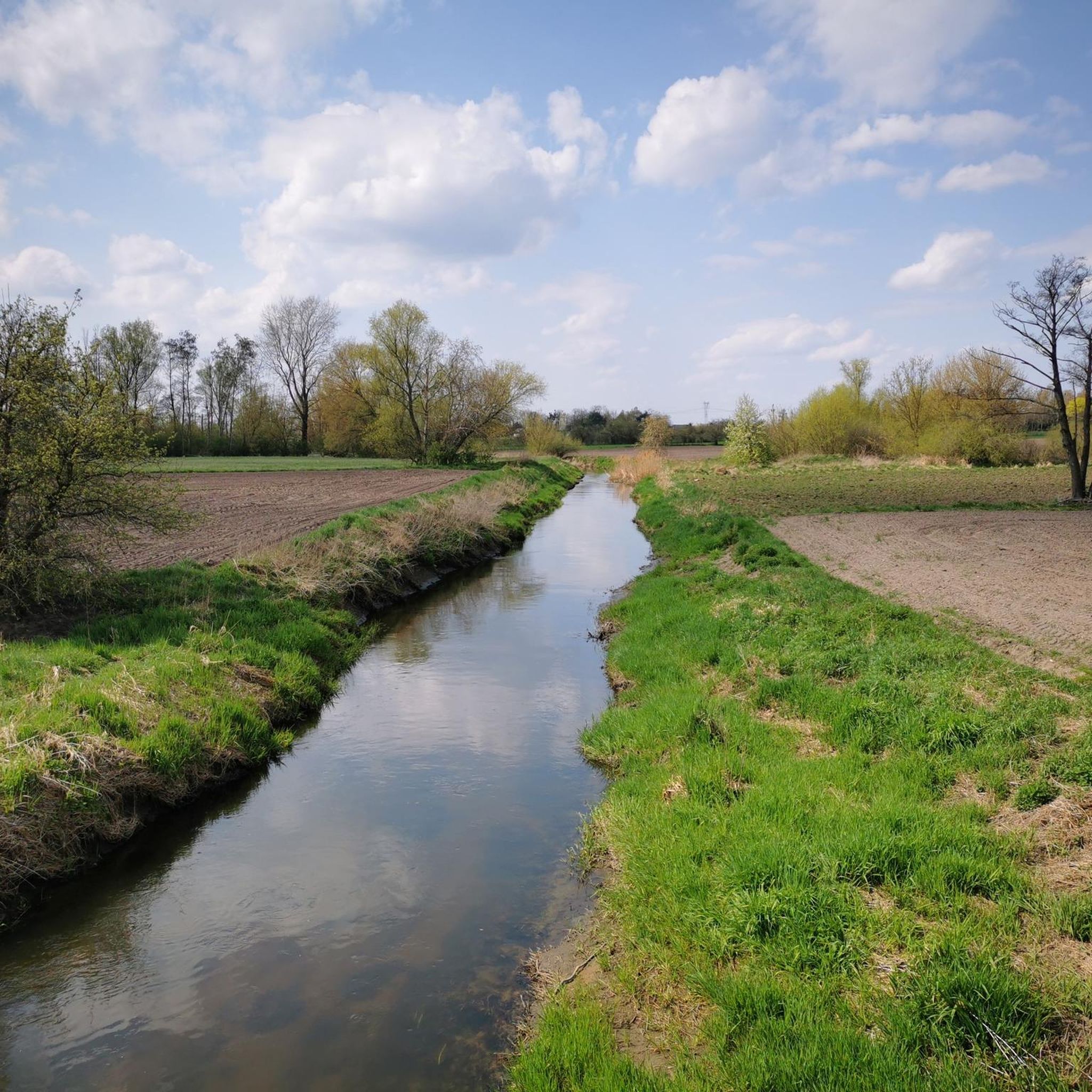
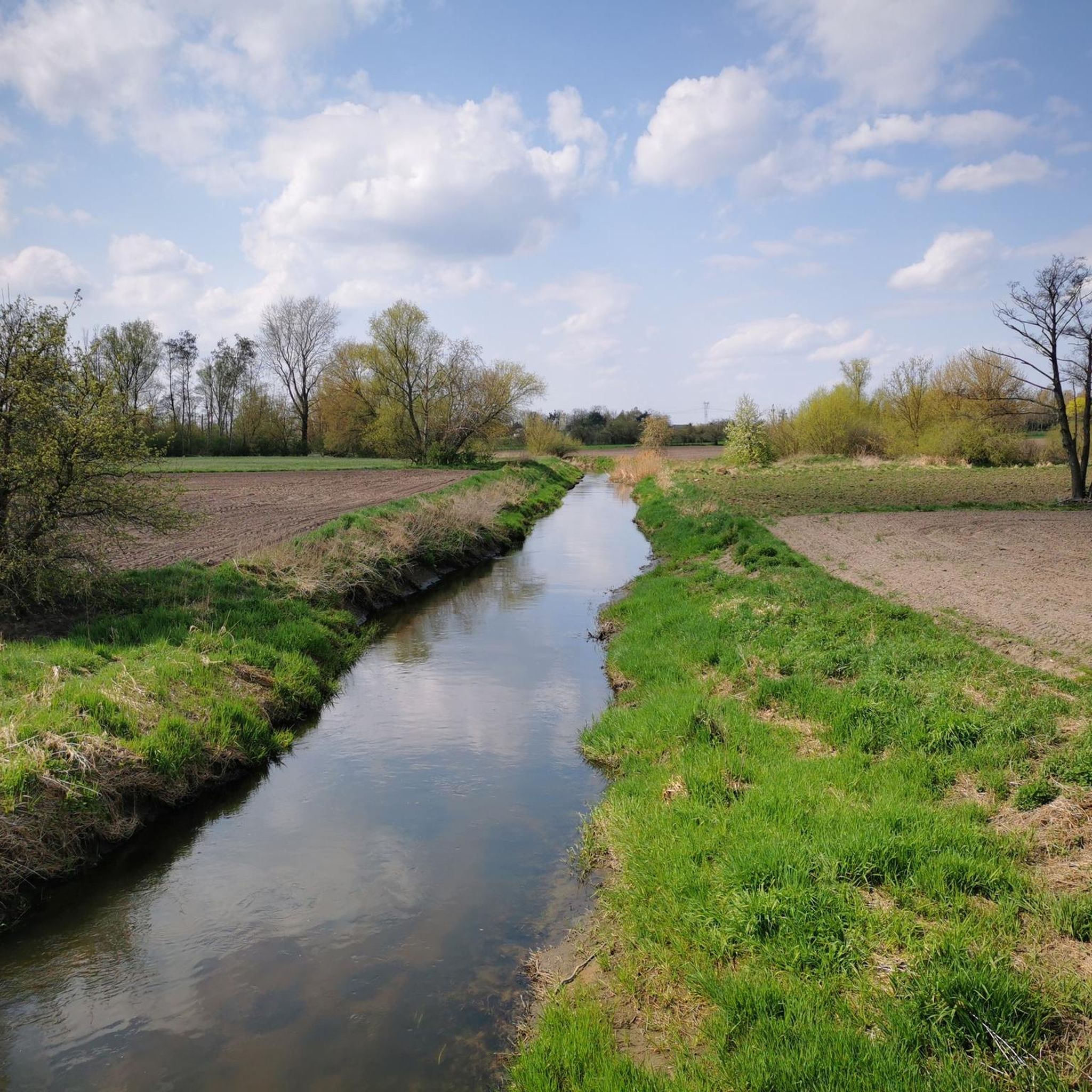
Goliana Ponds
Highlight • Lake
Translated by Google •
Tip by
Sanctuary of Our Lady of the Holy Family in Miedniewice
Highlight • Religious Site
Tip by

Sign up for free to discover even more attractions around Baranów.
Sign up for free
Already have an account?
Start today with a free account
Your next adventure awaits.
Login or Signup

Tips from the Community

Unfortunately, on a weekday, before noon, the church is closed.
0
0

Dworek and park, a nice place to rest
0
0

Beautiful and quiet place. The area has an interesting sculpture, squeezed between streams and ponds. Interesting history and two manor houses, separated by 40 years. Built by a father and son, famous doctors. I was enchanted by the silence and atmosphere of this place
0
0

The manor house was built around 1930 according to the designs of the architect Witold Pokrowski, commissioned by Dr. Mateusz Chełmoński. In the 1990s, the manor house was owned by Piotr Stefański, the grandson of the founder of the manor house. Wooden and plastered manor house, set on a rectangular plan, with a regular shape, the building set on a stone foundation, single-storey, partially basemented, with a residential attic covered with a mansard roof with slopes covered with ceramic roof tiles. On the slopes of all four elevations there are extensions. On the longitudinal elevations they are topped with triangular gables, on the side elevations they are covered with a pediment roof. The front elevation is composed of 3 wide axes, of which the middle one in the form of a four-column Tuscan portico. On the garden elevation on the axis there is a terrace and a four-column Tuscan portico supporting the balcony of the first floor. The interior layout is two-bay with a hall and a living room on the axis. The whole is composed in a manor style with clear elements of classicism.
0
0

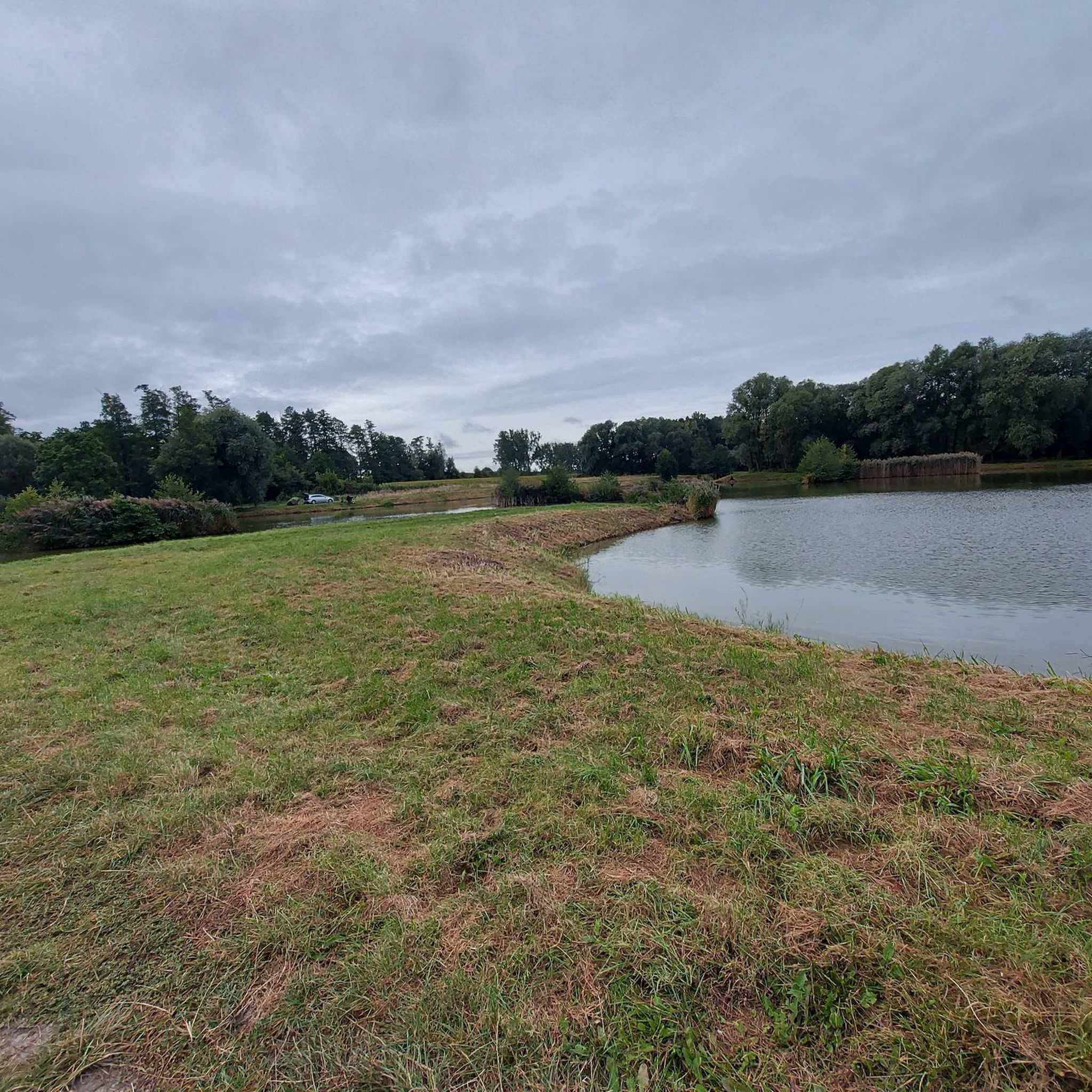
Recreational and sports areas located in Grodzisk Mazowiecki at ul. Stawowa 10. It is assumed that they were created in the 19th century as a result of the damming of the Rokicianka River. In 2012, on the 490th anniversary of Grodzisk Mazowiecki receiving city rights, the ponds were revitalized, including a complete reconstruction of the facility, including cleaning and widening the water reservoirs, and planting plants.
0
0
This is a special place, associated with the Chełmoński family, where a historic manor house surrounded by beautiful old trees, watercourses and lush vegetation is located on a hill. The park is not only an oasis of peace for walkers and cyclists, but also a vibrant cultural center, where artistic events, workshops and family picnics are regularly held. Anyone looking for a break from the hustle and bustle of the city or wishing to immerse themselves in the atmosphere of old gentry life will find the perfect place for a one-day trip in Adamowizna Park. The history of Adamowizna Park is inextricably linked to the Chełmoński family. Around 1899, Adam Chełmoński, an outstanding doctor specializing in pulmonary diseases, at the urging of his brother Józef - a famous painter - purchased an old steward's house located in Kuklówka. The building was moved and placed on brick foundations in the settlement of Młyniska na Stare, which later took the name Adamowizna - after the name of the owner. Adam Chełmoński chose an incredibly picturesque place for his residence. The manor house was situated on a hill, surrounded by the Mrowna River, which flows around the estate on almost every side, in the vicinity of a pond and forest. The Chełmoński family life took place in this charming place, and Józef Chełmoński himself was a frequent guest, who loved the surrounding landscapes and nature. The manor house even appears in his painting "Winter. Manor House at Dusk", which is currently located in the Silesian Museum in Katowice. In 2006, the Grodzisk Mazowiecki commune purchased the property from the Chełmoński family and began efforts to restore the building and the surrounding park. After years of renovation work, in November 2020, the building was officially opened to residents and tourists as a branch of the Grodzisk Mazowiecki Cultural Center.
0
0
The name of the village of Mikołajew probably comes from the Mikołajewski family, who have lived in these areas since ancient times. At the end of the 16th century, the village was called Mikołajewo. The first mention of the village dates back to 1603. At that time, the bishop of Poznań, Wawrzyniec Goślicki, visiting the parish of Sochaczew, came to Mikołajew to see the local branch chapel-church of the Holy Trinity. On 26 July 1815, a foundation was established for the construction of a church. According to its provisions, the inventory of the chapel in Skotniki was designated for the parish church, while councilor Netrebski undertook to build a church in Mikołajew and allocate appropriate funds to support the priest and his successors. By decree of 20 November 1815, Primate Raczyński established the parish of Saints John and Paul, martyrs, in Mikołajew, which included, among others, villages: Mikołajew, Kawęczyn, Skotniki and Strugi, excluded from the Sochaczew parish. The first administrator was the parish priest from Szymanów, Fr. Melchior Gromulski.
0
0
Józef's country estate was visited by his much younger brother Adam, a lung doctor and head of the Infant Jesus Hospital in Warsaw. He liked the area, especially a certain cottage in Kuklówka and a nearby area by a pond called the Młyniska settlement in Stare. He bought this land in 1899, and the building he wanted - some say a steward's house, others an old forge - he also purchased, had it dismantled, transported to his new estate and rebuilt on stone foundations. This is how Adam Chełmoński's manor house was built, today called "the manor house on the hill", because it was built on a hill which, according to local legends, was built by the Turks while digging a pond. This is not the only story about Turkish diggers in Mazovia. They were also supposed to build a canal, thanks to which an island with a beautiful palace in Otwock Wielki was created, but that is another story (you can read it here).
1
0
Frequently Asked Questions
What historical sites can I visit in Baranów Sandomierski?
Baranów Sandomierski is rich in history. The most prominent historical site is the magnificent Baranów Sandomierski Castle, often called 'Little Wawel,' a late-Renaissance palace with a museum and picturesque park. You can also explore the historic Rynek (Market Square) and the Parish Church of the Beheading of St. John the Baptist. Other notable historical sites include the Adam Chelmonski Manor House and Adamowizna Manor and Park, both offering a glimpse into the region's gentry life.
What is the significance of the Baranów Sandomierski Castle?
The Baranów Sandomierski Castle is a true 'Pearl of the Polish Renaissance,' built between 1591 and 1606. It's renowned for its architectural beauty, attributed to Santi Gucci, featuring richly decorated attics, side towers, and an arcaded courtyard. The castle houses a historical museum, period furniture, and early Baroque decorations. Its basement also features a permanent exhibition, including one of Europe's largest dugout canoes. For more information, you can visit the Wikipedia page.
Are there any notable religious buildings in the Baranów area?
Yes, the region features several significant religious buildings. The Parish Church of the Beheading of St. John the Baptist is a notable Calvinist church from the early 17th century. You can also visit the Church of Saints John and Paul, Martyrs, in Mikołajew, a brick church built in a classicist style with Baroque influences, featuring three altars and a 19th-century Baroque pulpit. Another important site is the Sanctuary of Our Lady of the Holy Family in Miedniewice, known for its miraculous image and rich history.
What natural attractions can I find around Baranów?
The Baranów area offers several natural points of interest. You can visit the Kopiec (Mound) for great views of the surroundings, or the 500th Anniversary of Grunwald Mound. The Baranów Sandomierski Castle Park provides a beautiful green space. Just 6 km away, Jezioro Tarnobrzeskie (Tarnobrzeg Lake), created from a former sulfur mine, offers a sandy beach with amenities. The region is also located within the former Sandomierz Forest, home to natural monuments and rare animal species. Additionally, the Goliana Ponds offer a pleasant spot for a short stop or rest.
Are there family-friendly attractions in Baranów?
Many attractions in Baranów are suitable for families. The Baranów Sandomierski Castle, with its museum and surrounding park, offers an engaging historical experience. The Kopiec (Mound) is a popular spot for families to enjoy views. The Adamowizna Manor and Park is an oasis for walkers and cyclists, hosting cultural events and family picnics. The Jezioro Tarnobrzeskie (Tarnobrzeg Lake) provides a sandy beach for recreation. The Goliana Ponds also offer recreational and sports areas.
What outdoor activities can I do near Baranów's attractions?
The area around Baranów is great for outdoor activities. You can find various routes for hiking and cycling. For easy walks, explore guides like Easy hikes around Baranów, which includes routes like the Zalew Żyrardowski Beach loop. If you're into mountain biking, check out MTB Trails around Baranów, featuring routes like the Bolimowski Reservoir loop. More general hiking options are available in Hiking around Baranów.
What do visitors enjoy most about the attractions around Baranów?
Visitors particularly appreciate the blend of historical richness and natural beauty. The historical sites, such as the Adam Chelmonski Manor House and Adamowizna Manor and Park, are valued for their picturesque settings and peaceful atmosphere. Natural spots like the Goliana Ponds are noted as good places for a short stop or rest. The architectural details of religious buildings like the Church of Saints John and Paul, Martyrs, in Mikołajew also receive positive feedback.
Are there any hidden gems or less-known spots worth visiting in Baranów?
Beyond the main castle, consider exploring the Kaplica cmentarna (Cemetery Chapel) and the Kaplica Dobrego Pasterza (Chapel of the Good Shepherd) for their unique architecture and peaceful surroundings. The Amfiteatr (Amphitheater) in a local park also hosts various events. For a unique natural feature, seek out the 11 natural monuments (trees of remarkable size) within the former Sandomierz Forest area.
What is the best time to visit Baranów Sandomierski for outdoor activities?
The best time to visit Baranów Sandomierski for outdoor activities is generally during the spring (April-June) and autumn (September-October) months. During these periods, the weather is typically mild and pleasant for hiking, cycling, and exploring the natural landscapes and castle grounds. Summer (July-August) is also popular, especially for enjoying Jezioro Tarnobrzeskie, but can be warmer.
Is there parking available at the main attractions in Baranów?
Yes, parking is generally available at the main attractions. For instance, the Baranów Sandomierski Castle has designated parking facilities for visitors. The Adamowizna Manor and Park also offers parking. For smaller sites or specific trails, it's advisable to check local signage or information upon arrival.
Can I find places to eat or stay near the attractions?
Yes, the Baranów Sandomierski Castle itself houses a hotel and conference center, offering accommodation and dining options. The town's Rynek (Market Square) is a good place to find local eateries and cafes. For a wider selection of accommodation and dining, you might consider nearby towns or check local listings for guesthouses and restaurants in the Baranów area.
Most popular attractions around Baranów

Get inspired with the komoot mobile app


Explore more
Still not found the Highlight you’re looking for? See guides of the top attractions in other regions:
