Attractions and Places To See around gmina Grójec - Top 20
Best attractions and places to see around gmina Grójec include a mix of historical sites, natural reserves, and unique local landmarks. Located in east-central Poland, the region is characterized by its extensive fruit orchards, particularly in the Jeziorka Valley. Visitors can explore diverse cultural points of interest and significant natural features.
Best attractions and places to see around gmina Grójec
- The most popular attractions is Moose Statue in Łoś, a man-made monument that was ceremonially unveiled in its restored…
Last updated: July 1, 2026
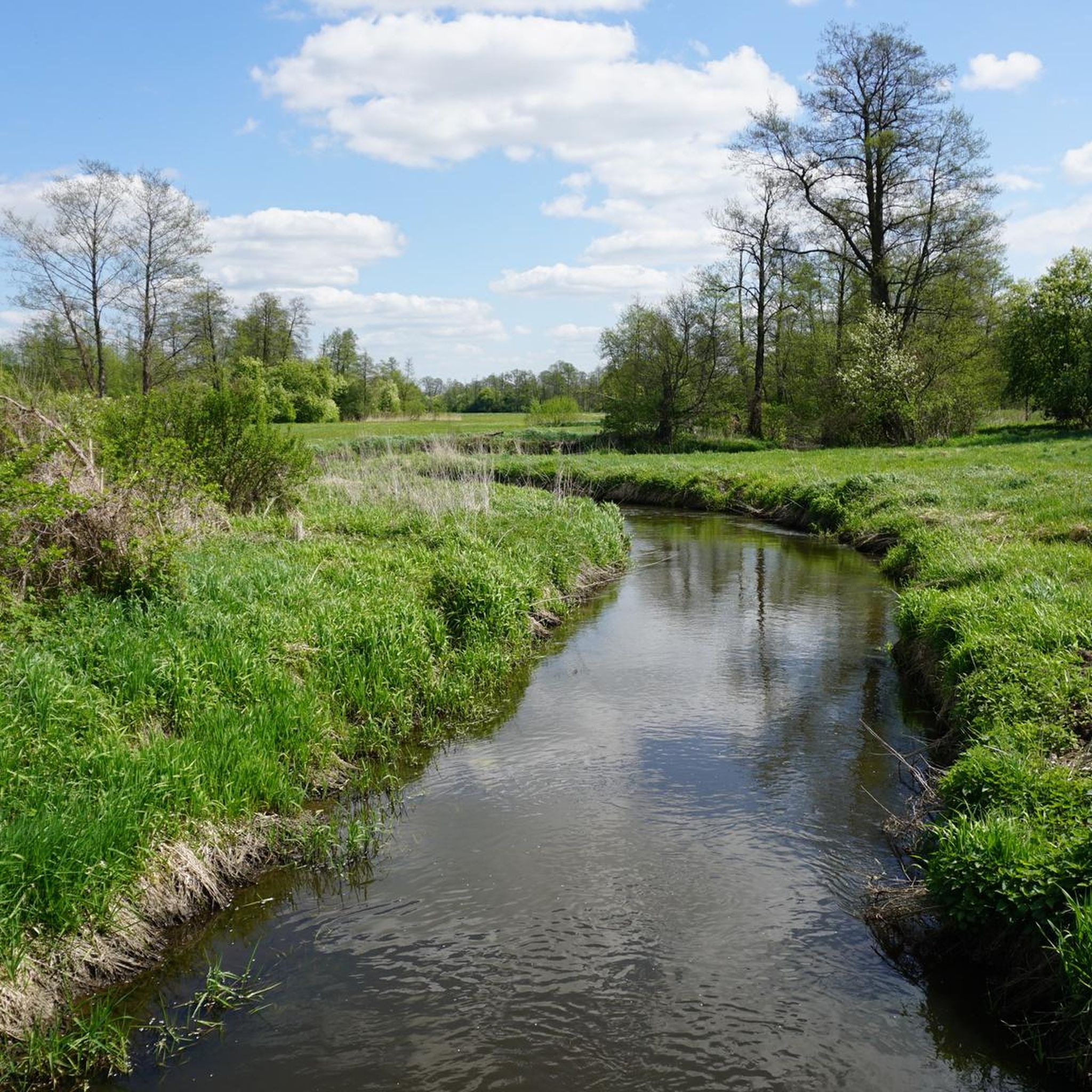
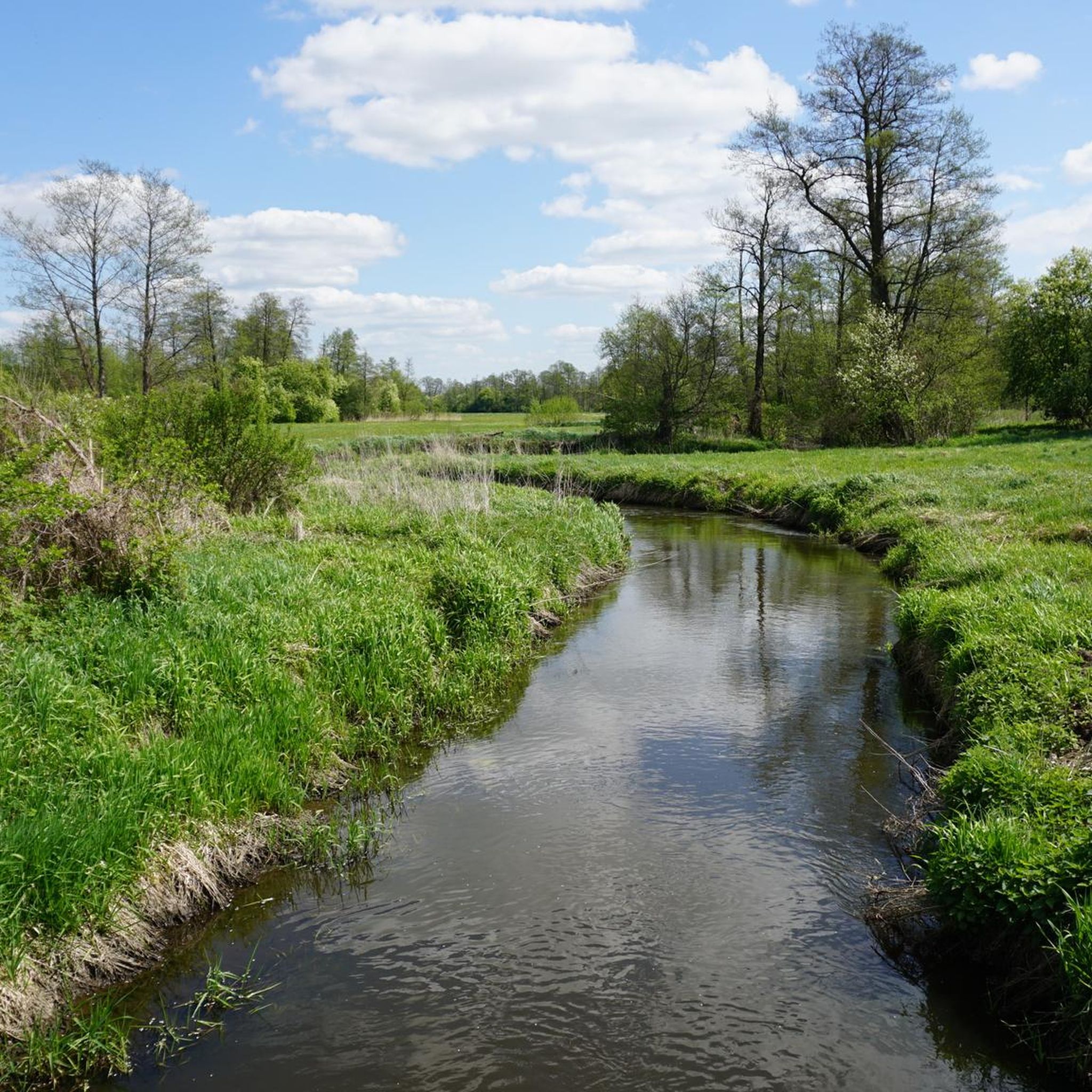
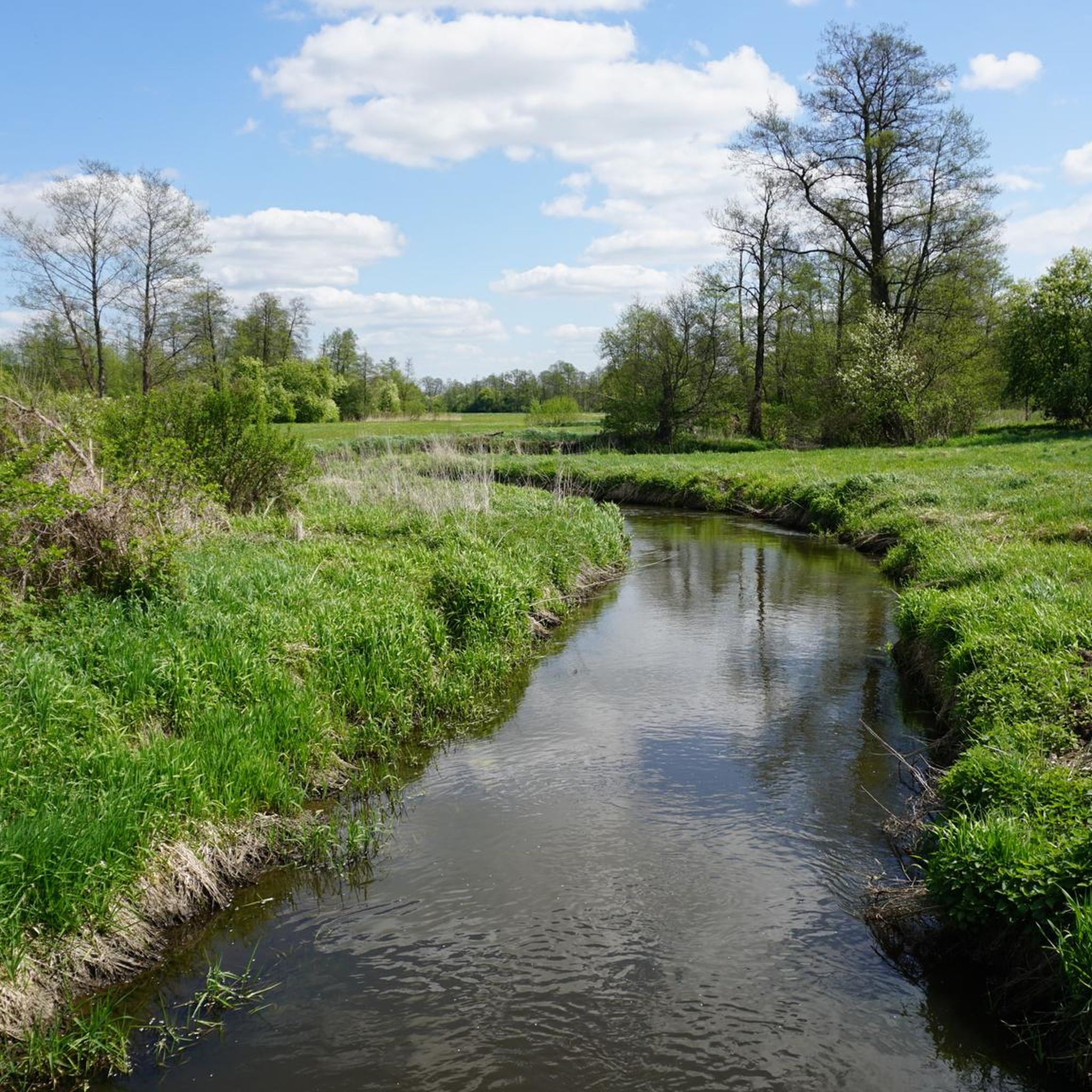
Jeziorka Valley Orchards
Highlight • Natural
Translated by Google •
Tip by

Memorial to the Soldiers of the Special Platoon of the AK 'Łużyce' Air Base
Highlight • Monument
Translated by Google •
Tip by

Sign up now to discover places like this
Get recommendations on the best single tracks, peaks, & plenty of other exciting outdoor places.
Sign up for free
Shelter by the Pond in Chojnowski Landscape Park
Highlight • Mountain Hut
Translated by Google •
Tip by

Moose Statue in Łoś
Highlight • Monument
In 2023, a ceremonial unveiling of the restored figure of a moose took place.
Translated by Google •
Tip by
S7 Service Road Near Szczaki
Highlight (Segment) • Cycleway
Translated by Google •
Tip by

Sign up for free to discover even more attractions around gmina Grójec.
Sign up for free
Already have an account?
Start today with a free account
Your next adventure awaits.
Login or Signup

Tips from the Community

The shelter is gone. It was demolished.
0
0

Memorial site for the fighting soldiers of Lieutenant Tadeusz Gaworski's Platoon, codename "Lawa" (August 1944). More information can be found on the plaque.
0
0

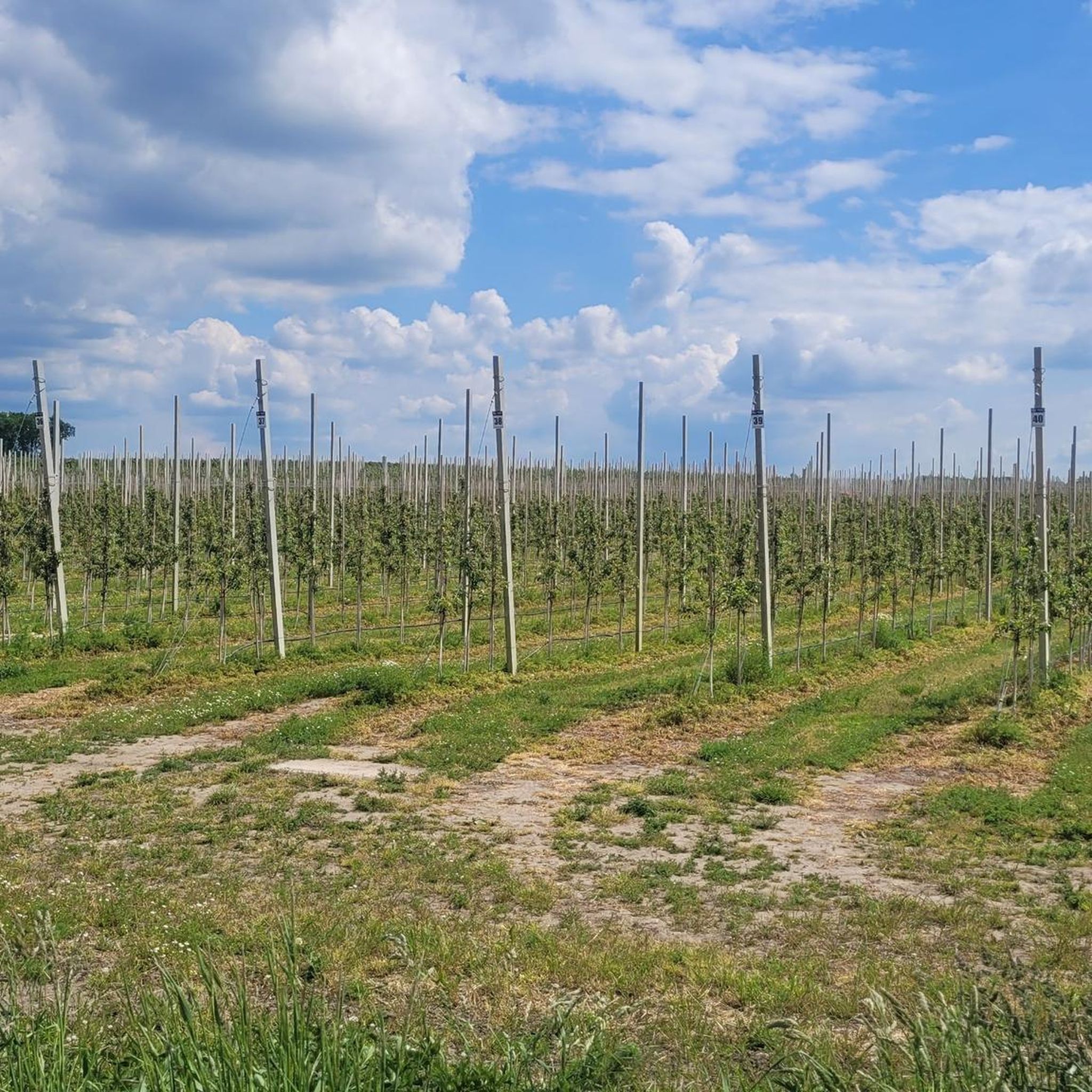
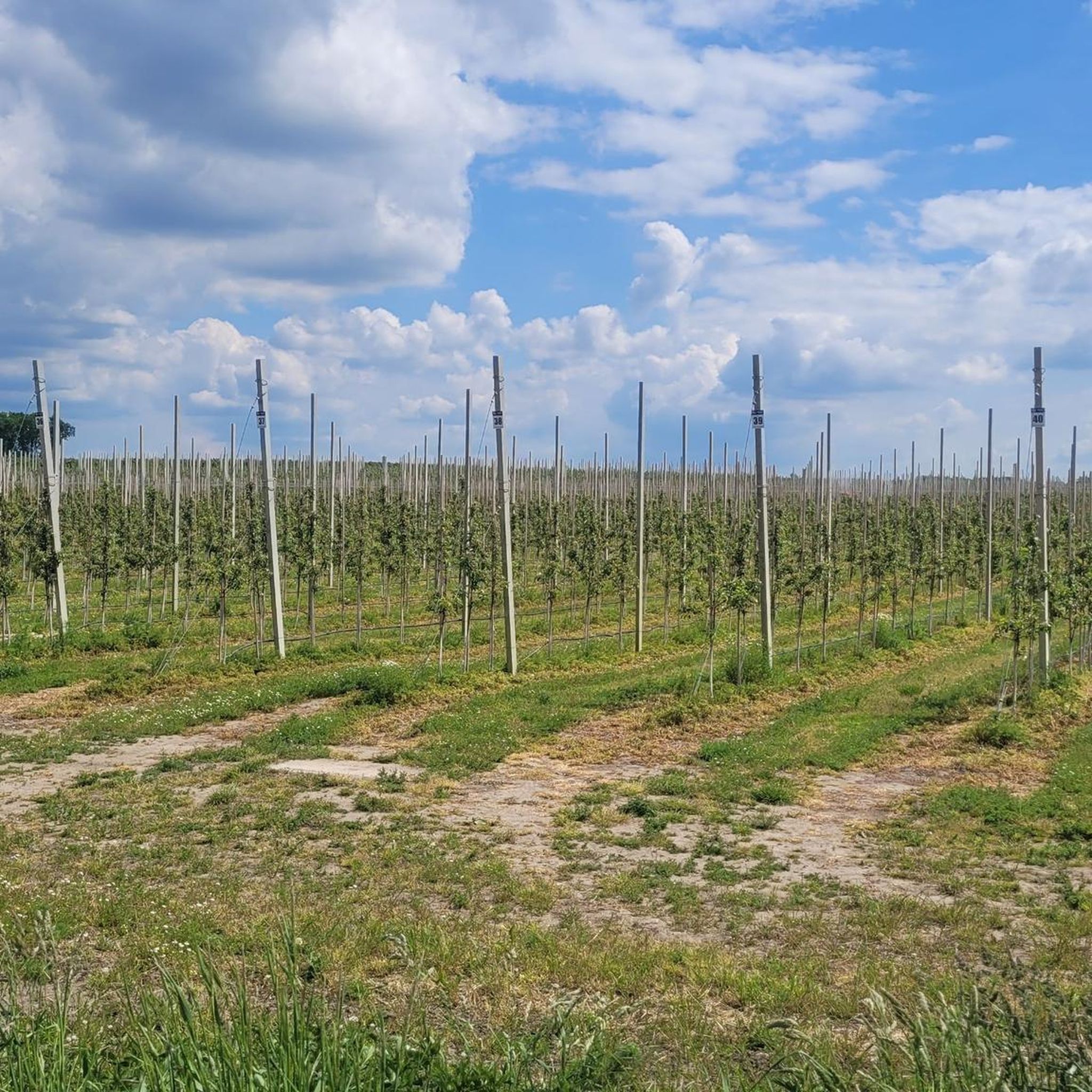
The beginnings of the creation of the "largest orchard in Europe" date back to the reign of Queen Bona, who was famous for her passion for gardening, including fruit growing. In 1545, she received large tracts of land in the Grójec district, which she later took care of, establishing numerous privileges for the owners of gardens. Then, fruit growing found legal support in the royal act of 1578, issued by Queen Bona's son. This gave rise to the development of fruit orchards, mainly apple orchards. Many historical works contain numerous mentions of the development of manor and peasant orchards in the Grójec region. A significant role in the history of "Grójecki apples" was also played by clergymen (Roch Wójcicki from Belsk, Niedźwiedzki from Łęczeszyce, Stefan Roguski from Goszczyn and Edward Kawiński from Konary), who in the 19th century were the main promoters of fruit growing in this region. At the beginning of the 20th century, commercial orchards were already established, the symbol of which was Jan Cieślak from Podgórzyce. He introduced high culture in the cultivation and storage of apples (in 1918 he built the first fruit storage facility in Poland). At the beginning of the 20th century, the first advisors also appeared, and one of the most famous from this region was Witalis Urbanowicz, who in 1909 became famous for developing the 10 gardening commandments. The very dynamic development of Grójec fruit growing, synonymous with Prof. Szczepan Pieniążek, began at the end of World War II. Thanks to him, the Institute of Pomology and Floriculture was established, which passed on the latest knowledge and experience in apple cultivation to local fruit growers. On the professor's recommendation, his student, Eligiusz Gajewski, founded the Experimental Plant of the Institute of Pomology and Floriculture in Nowa Wieś. This plant became a model farm from which Grójec fruit growers drew practical knowledge.
0
0

October 2024 - no garbage, but the pond is dry ;(
1
0

Now here is S7. photos from 17.05.2020
0
0
Driving along the fire road, there is no indication that there is a shelter and a pond on the side. If someone is surprised by heavy rain while driving, I recommend stopping there. On sunny days, too. In front of the pond, a fallen tree can be convenient for us to rest and observe wild animals.
0
0
"In memory of soldiers fighting in the special platoon unit of the AK "Łużyce" air base of lieutenant Tadeusz Gaworski, pseudonym Lawa. August 1944" The "Łużyce" Air Base is the largest air unit of the Home Army. It was established in 1942 by merging several smaller units and was tasked with preparing and manning German airfields in the vicinity of Warsaw in the event of their capture by Polish units. According to the assumptions, the flying personnel were to man captured German aircraft, while the ground crew were to prepare landing areas for the transfer of Polish troops from Great Britain. The special platoon under the command of Tadeusz Gaworski "Lava" was tasked with taking over the building of the former air force command at Puławska Street, however, a few hours before the W hour, the orders were changed and the unit - consisting of 65 men armed mainly with light weapons - was ordered to join the assault on Okęcie. After an unsuccessful attack on the airport, the platoon managed to break out of the encirclement and break through to the Chojnowskie Forests. There, it linked up with a unit of 85 soldiers gathered around the KGL operations officer Bronisław Lewkowicz "Kurs", who had been caught in Bielany by the outbreak of the uprising.
0
0
Next to the elk there is a reasonably well-equipped shop.
0
0
Frequently Asked Questions
What historical landmarks can I explore in gmina Grójec?
Gmina Grójec offers a rich history with several notable landmarks. You can visit the St. Nicholas Bishop Church, built between 1623 and 1635, which holds a christening font from 1482 and a monument to Father Piotr Skarga. The region also features the historic Grójec Town Hall, the building of the former Hospital of Father Piotr Skarga, and various palaces and manors like Dwór Zalesie and Pałac Kobylin. Additionally, you can find the Memorial to the Soldiers of the Special Platoon of the AK 'Łużyce' Air Base, commemorating a significant event from August 1944.
Are there any unique natural attractions or features in the gmina Grójec area?
Yes, gmina Grójec boasts several unique natural features. The Barbara Bridge in Gostomia is Poland's longest wooden bridge, stretching over the Pilica River. You can also experience a crossing on Poland's oldest hand ferry across the Pilica River in Domaniewice, though its operation depends on water levels. The Jeziorka Valley Orchards are particularly picturesque in spring when the fruit trees are in bloom, showcasing the region's long history of fruit growing.
What nature reserves are located near gmina Grójec?
The region around gmina Grójec is home to several important nature reserves. The Modrzewina Nature Reserve in Mała Wieś protects the northernmost stand of Polish larch, with some trees reaching up to 40 meters. The Tomczyce Landscape Reserve near Gostomia and Tomczyce preserves the steep slopes of the Pilica valley, covered by an old pine-oak forest. Other notable forest reserves include Dąbrowa Radziejowska, Osuchowskie Grądy, Skulski Las, and Skulskie Oaks.
What kind of outdoor activities can I do near the attractions in gmina Grójec?
Gmina Grójec offers various outdoor activities, especially cycling and running. You can explore numerous routes for gravel biking, such as the 'Scenic Wetlands by the Road – Osieczek Mill loop'. For road cycling, consider routes like the 'Ponds – Wooden Bridge over the River loop'. There are also several running trails, including an 8 km loop starting from gmina Grójec. You can find more details and routes on the Gravel biking around gmina Grójec, Cycling around gmina Grójec, and Running Trails around gmina Grójec guide pages.
Are there family-friendly attractions in gmina Grójec?
Yes, gmina Grójec has attractions suitable for families. The Moose Statue in Łoś is a unique man-made monument that children often enjoy. The Jeziorka Valley Orchards offer a beautiful natural setting for family strolls, especially during spring bloom. Additionally, the Shelter by the Pond in Chojnowski Landscape Park provides a peaceful spot for rest amidst nature, which can be a nice stop during a family outing.
What is the best time to visit gmina Grójec for outdoor activities?
The spring season is particularly recommended for visiting gmina Grójec, especially if you want to experience the Jeziorka Valley Orchards in full bloom. This period offers picturesque scenery and pleasant weather for cycling, hiking, and exploring the natural reserves. Summer also provides good conditions for outdoor activities, though it can be warmer.
Where can I find a quiet place to rest in nature around gmina Grójec?
For a tranquil spot in nature, consider visiting the Shelter by the Pond in Chojnowski Landscape Park. It's a hut located by a pond, offering a peaceful place to rest amidst an overgrown lake. While charming, be aware that mosquitoes can be present, especially in warmer months.
Are there any cycling routes that pass through scenic areas in gmina Grójec?
Absolutely. Gmina Grójec offers several scenic cycling routes. For instance, the 'Scenic Wetlands by the Road – Weir on the Jeziorka loop' is an easy 23 km ride. Another option is the 'Ponds – Wooden Bridge over the River loop', a moderate 50 km route. These routes allow you to experience the region's natural beauty, including its wetlands and river valleys. More routes can be found on the Cycling around gmina Grójec guide page.
What is the 'Panorama Grójca' Mural?
The 'Panorama Grójca' Mural is a modern artistic attraction in gmina Grójec. It is a record-breaking mural that depicts the panorama of Grójec, offering a contemporary cultural highlight for visitors.
Is there anything unique about the Pilica River in this region?
The Pilica River in gmina Grójec is notable for two unique features. It is crossed by the Barbara Bridge in Gostomia, which is the longest wooden bridge in Poland. Additionally, you can find Poland's oldest hand ferry operating across the Pilica River in Domaniewice, offering a traditional and unique river crossing experience, subject to water levels.
What is the significance of the Moose Statue in Łoś?
The Moose Statue in Łoś is a distinctive man-made monument with a history spanning over a dozen years. Originally from the Netherlands, it was ceremonially unveiled in its restored form in 2023. It serves as a unique symbol for the town of Łoś and is often appreciated by visitors for its artistic blacksmithing details.
Can I find any historical residences or palaces in gmina Grójec?
Yes, gmina Grójec and its vicinity are rich in historical residences. You can discover several palaces and manors, including Dwór Zalesie, Dwór Skurów, Pałac Kobylin, Pałac Głuchów, Dwór Falęcin, Pałac Wola Worowska, Dwór Kośmin, and Dwór Kociszew. These sites showcase diverse architectural styles and offer a glimpse into the region's past.
Most popular routes around gmina Grójec
Most popular attractions around gmina Grójec

Get inspired with the komoot mobile app


Explore more
Still not found the Highlight you’re looking for? See guides of the top attractions in other regions:
