Attractions and Places To See around gmina gmina Warka - Top 20
Best attractions and places to see around gmina gmina Warka include a mix of historical sites, cultural landmarks, and natural features. This region in Poland offers insights into its rich past, with notable castles and religious buildings. The area is also characterized by the picturesque Pilica River Valley, providing opportunities for outdoor activities and showcasing diverse natural habitats. Visitors can explore historical architecture and enjoy the serene landscapes that define gmina gmina Warka.
Best attractions and places to see around…
Last updated: August 25, 2026
Góra Café
Highlight • Cafe
Translated by Google •
Tip by

Castle of the Masovian Dukes in Czersk
Highlight • Castle
Translated by Google •
Tip by

Sign up now to discover places like this
Get recommendations on the best single tracks, peaks, & plenty of other exciting outdoor places.
Sign up for free
Church of the Transfiguration
Highlight • Religious Site
Translated by Google •
Tip by

Sanctuary of Our Lady of Sorrows
Highlight • Religious Site
Translated by Google •
Tip by
Castle of the Masovian Dukes
Highlight • Castle
Showing Translation
Tip by

Sign up for free to discover even more attractions around gmina gmina Warka.
Sign up for free
Already have an account?
Start today with a free account
Your next adventure awaits.
Login or Signup
Tips from the Community

The Church of the Transfiguration of the Lord in Czersk is one of the oldest churches in Masovia. It was built at the turn of the 14th and 15th centuries with the funding of Duke Janusz I the Elder – the same one who erected the nearby castle. The church was built of brick in the Gothic style and has retained its medieval character to this day. Inside, you can see, among other things, historic vaults, old tombstones, and elements of equipment reminiscent of the times of the Polish–Lithuanian Commonwealth. For centuries, the temple was an important place for the Masovian dukes and the inhabitants of old Czersk, which before the development of Warsaw was one of the most important centers of the region. An interesting fact is that the church stands very close to the castle, thanks to which both monuments today form one of the most characteristic historical points of southern Masovia.
1
0
The Castle in Czersk are the ruins of a Gothic stronghold of the Masovian dukes, located on a escarpment by the former course of the Vistula River. The castle was built at the turn of the 14th and 15th centuries on the initiative of Duke Janusz I the Elder and for some time was one of the most important strongholds of Masovia. The most characteristic are three brick towers, which have survived to this day. According to local legends, the castle is haunted by the ghost of Queen Bona – the same one who received Czersk as part of the royal estates and allegedly stayed here often. The stronghold gradually lost its importance after the relocation of important trade routes and the change in the Vistula's course. The Swedish Deluge in the 17th century also brought great destruction. Today, the castle is a popular place for walks, historical reconstructions, and knight tournaments.
1
0

On Mondays tickets are 2zł
2
0
the priest apparently does not expel
0
0

Church of the Transfiguration of the Lord - a Roman Catholic parish church belonging to the Czersk deanery of the Archdiocese of Warsaw. This is a temple built in the years 1805-1806. Bricks from the demolition of the castle were used for its construction. It was a compensation for the Prussian government for taking away the parish in the village of Linin. The church was built on a rectangular plan in the neo-Baroque style. At the end of the 19th century, a sacristy and a treasury were added, as well as a tower, on the top of which hangs a bell consecrated on September 23, 1956. https://www.parafiaczersk.pl/
1
0
In the 11th century, on the site of today's castle there was a wooden and earthen stronghold with a chamber structure, which was built during the reign of Bolesław the Brave or Władysław Herman. This stronghold was the main administrative centre of the Duchy of Czersk. In 1224, the sources mention Piotr Pilch, the castellan of Czersk. On 27 April 1245, the Bishop of Poznań Bogufał II, in the presence of Konrad II and his sons, consecrated the wooden church of St. Peter built in the courtyard. In 1229, Duke Konrad of Mazovia imprisoned Duke Henry the Bearded in the stronghold. He released him the same year after the intervention of Duchess Jadwiga, who arrived from Silesia, and after Henry agreed to waive his claims to Lesser Poland. In 1239, Konrad imprisoned Bolesław the Chaste in the stronghold. Before 1406, a small brick collegiate church of St. Peter with exquisite decoration. From 1350 comes a mention in a document of Duke Casimir I Trojdenowicz about the obligation of bishops' villages to build izbicas on the Czersk stronghold damaged during the Lithuanian invasion. In the 14th century, Duke Janusz I of Mazovia ordered a brick castle to be built in place of the outdated stronghold, which was built in the years 1388–1410. It was one of the most important residences of Duke Janusz I, who died in this castle on December 8, 1429. Source: https://pl.wikipedia.org/wiki/Zamek_ksi%C4%85%C5%BC%C4%85t_mazowieckich_w_Czersku https://zamekczersk.pl/ Ticketed entrance
1
0

A very atmospheric place, especially outside the weekend.
0
0
There are also gnocchi :-), cream soup, although cakes rule :-)
1
0
Frequently Asked Questions
What historical landmarks can I explore in Gmina Warka?
Gmina Warka is rich in history. You can visit the Casimir Pułaski Museum, located in a palace and park complex in Winiary, dedicated to the Polish-American hero. Another significant site is the ruins of the Castle of the Masovian Dukes in Czersk, a 14th-century brick castle offering a glimpse into the region's medieval past. The historic Town Square, featuring an equestrian monument to Hetman Stefan Czarniecki, is also a key historical spot.
Are there any notable religious sites in the Gmina Warka area?
Yes, the region has several historic religious buildings. These include the ancient St. Nicholas' Parish Church, which has undergone several reconstructions since its possible founding in the 12th century, and the Post-Franciscan Church of Our Lady of the Scapular, known for its 17th-century image of the Virgin Mary and Child. Further afield, you can visit the Church of the Immaculate Conception of the Blessed Virgin Mary and the Congregation of Marian Fathers, a baroque-style brick temple founded in 1756, and the Church of the Transfiguration, built in the early 19th century using bricks from the demolition of Czersk Castle. The Sanctuary of Our Lady of Sorrows is also a place of local veneration.
What natural features can I explore in Gmina Warka?
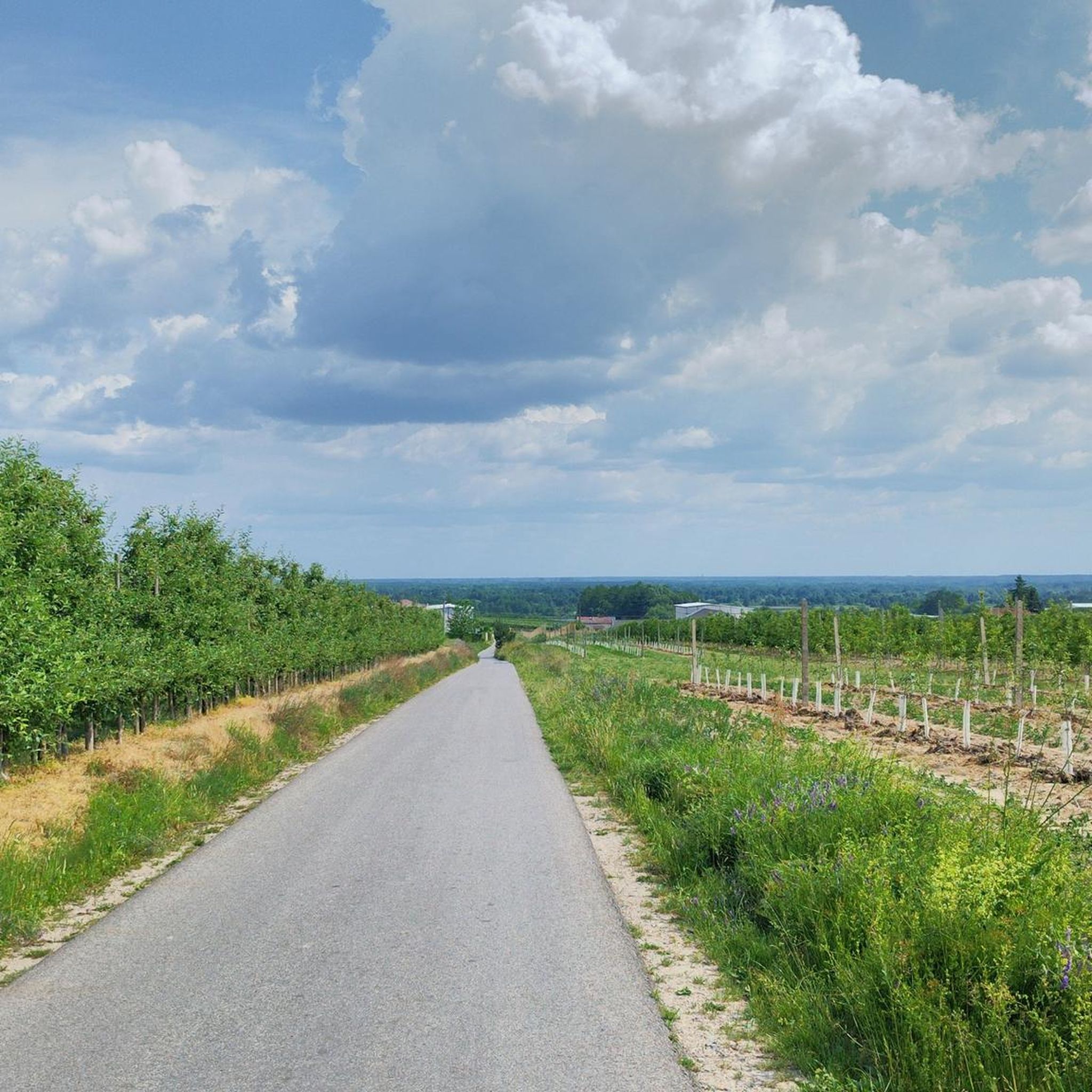
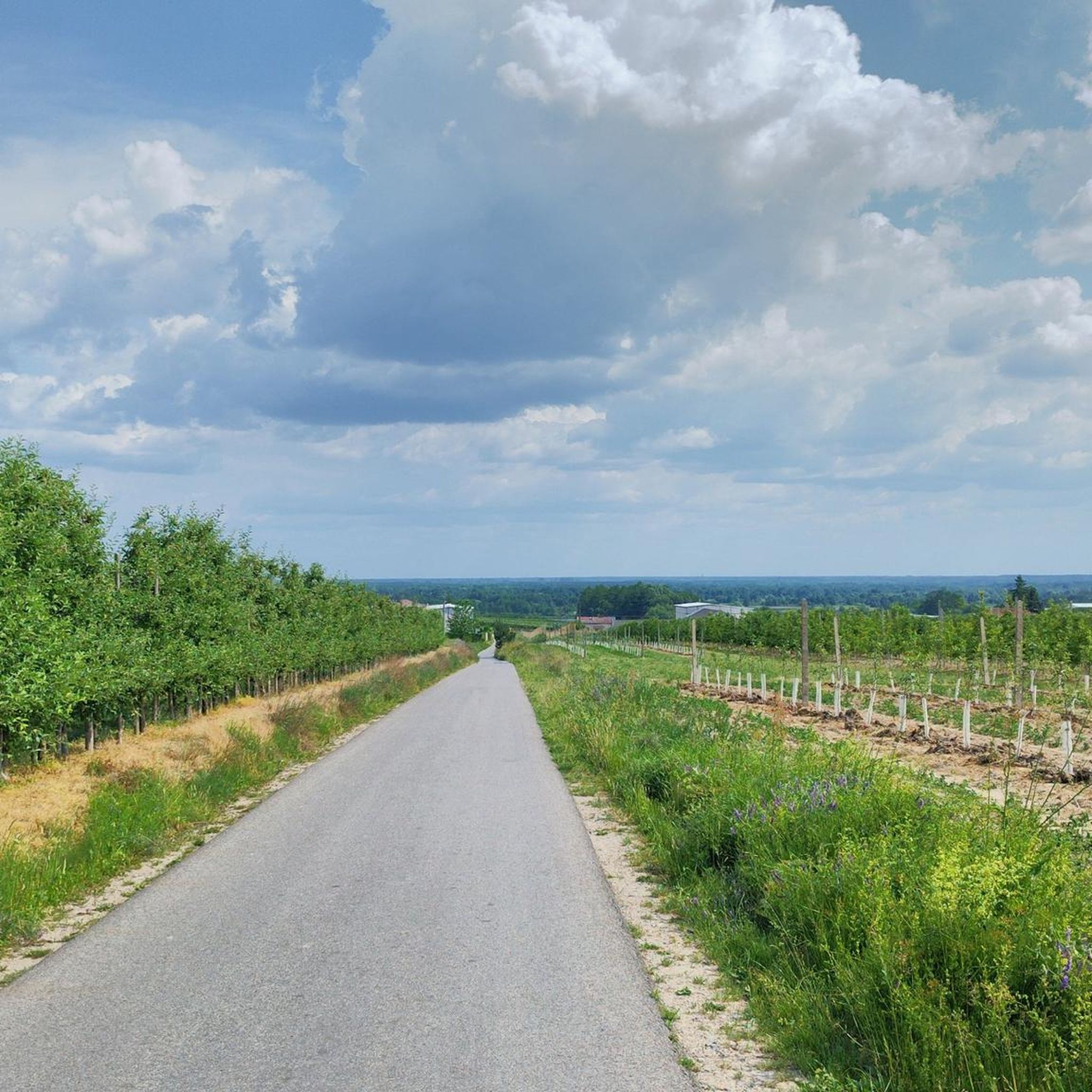
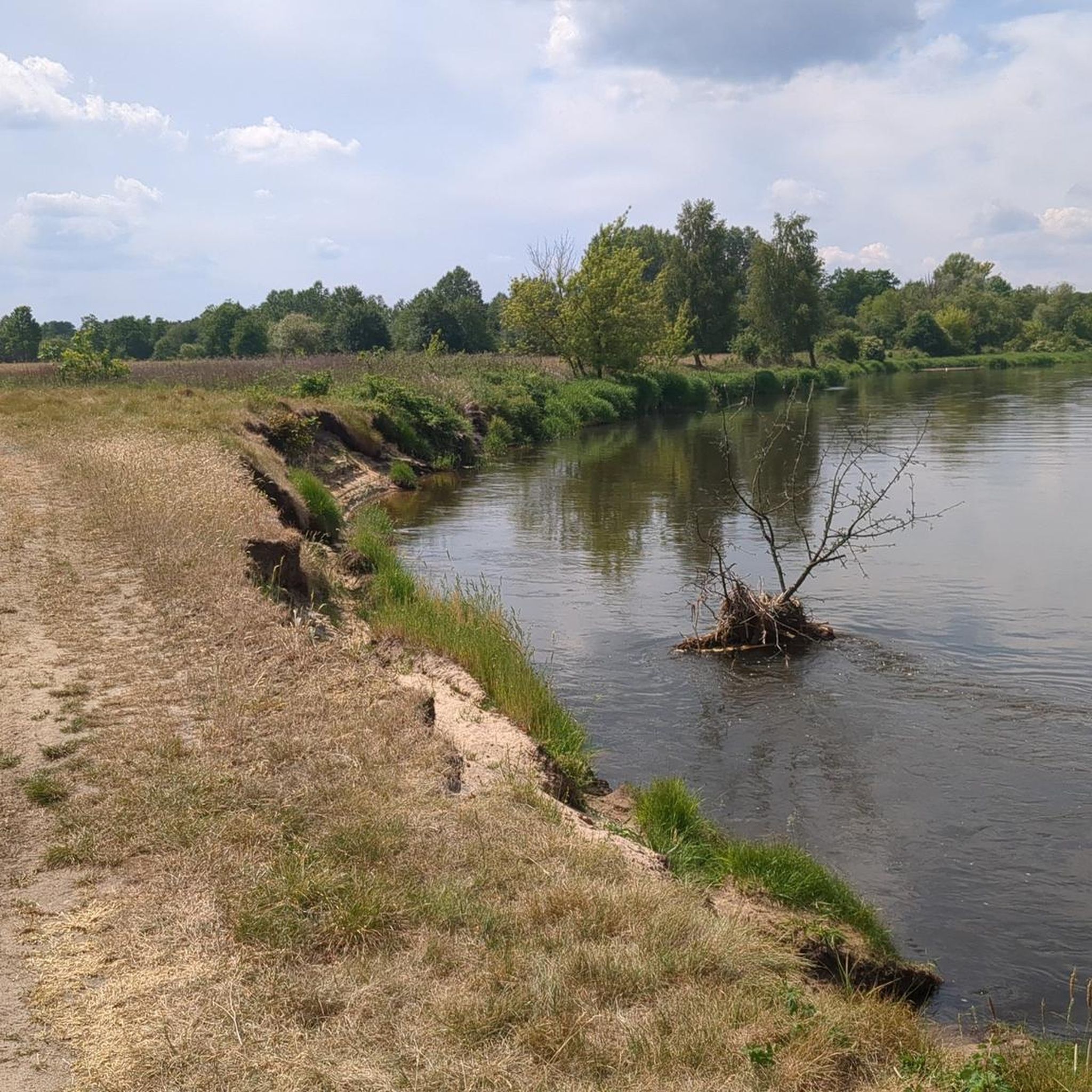
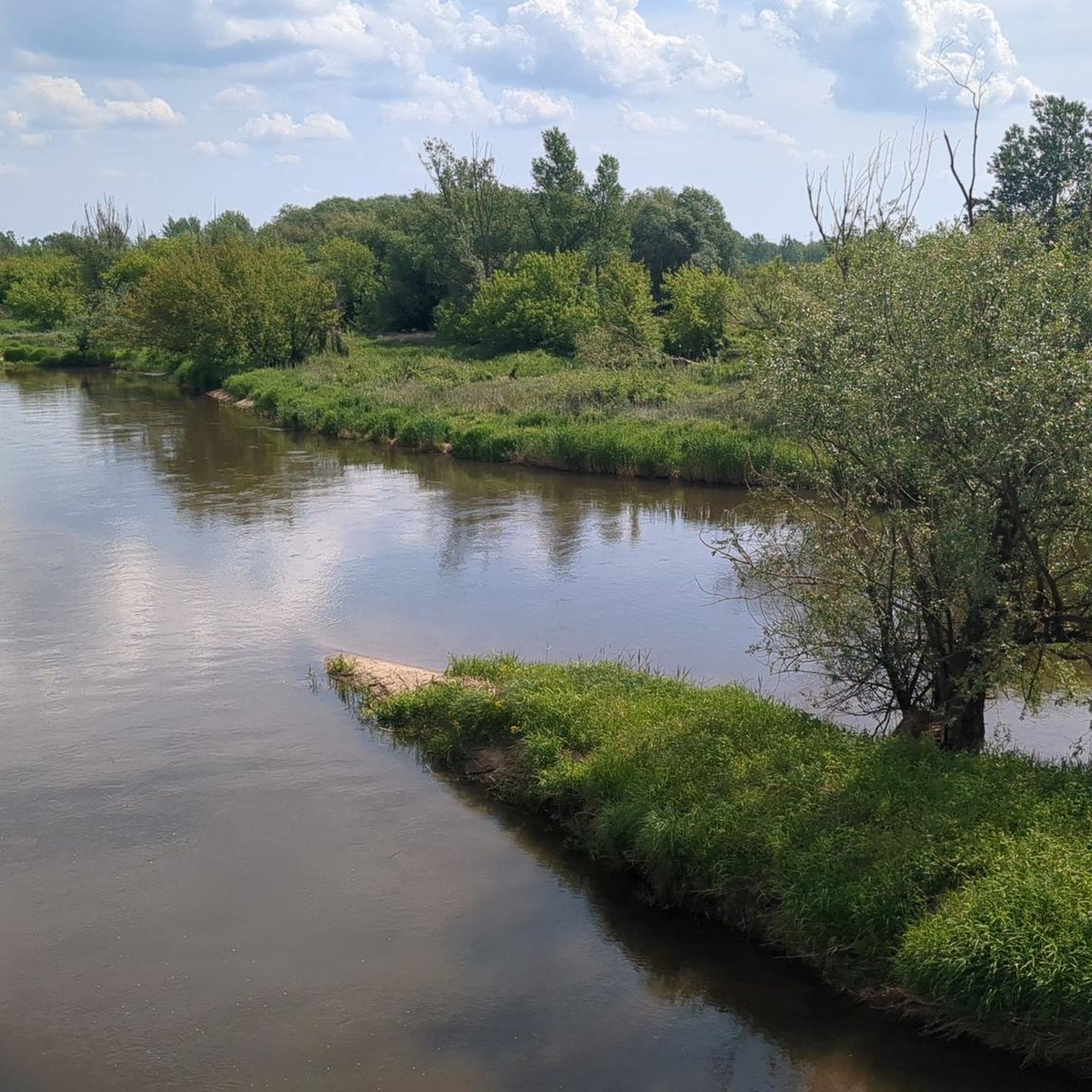
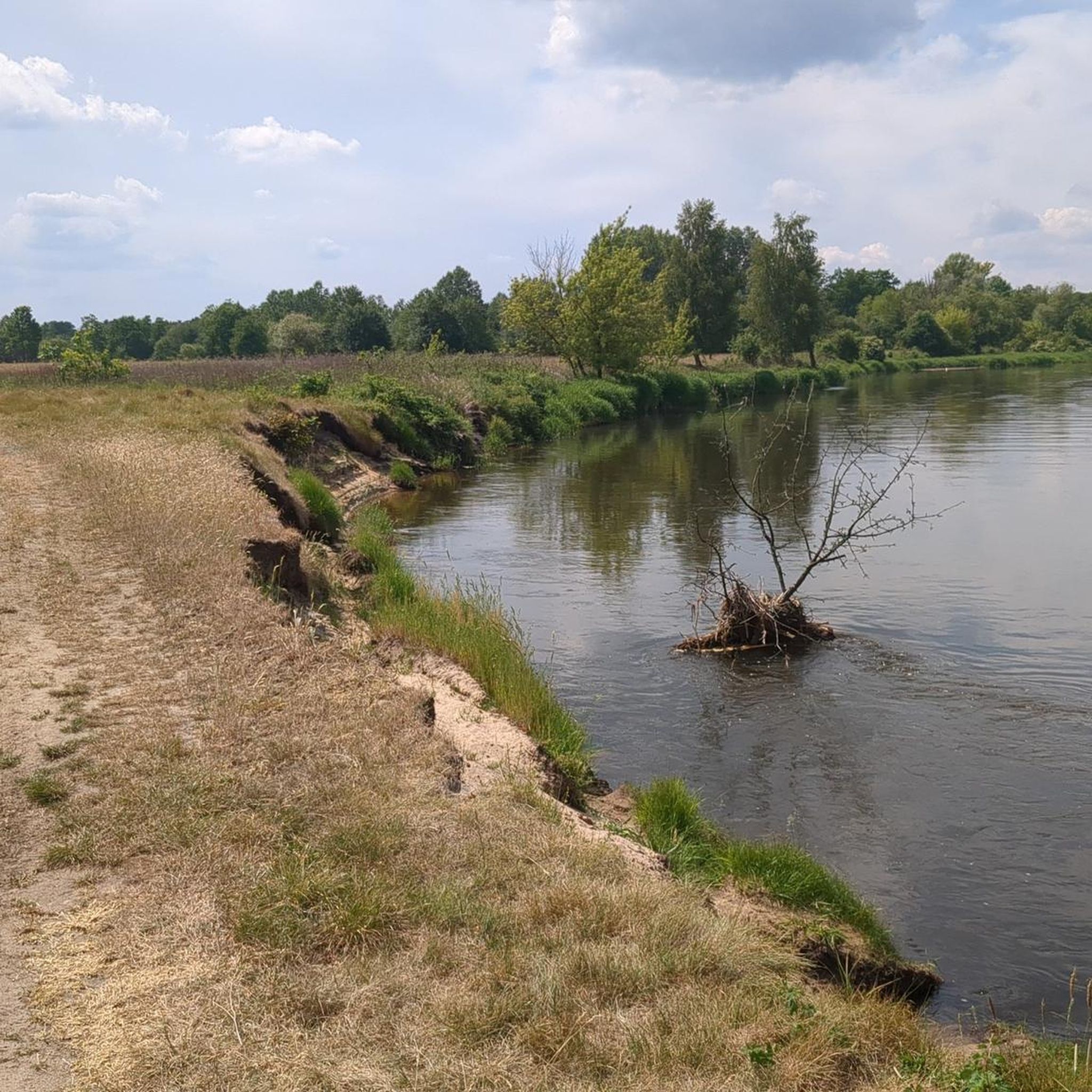
The picturesque Pilica River Valley, known as 'Mazovia's Queen,' is a prominent natural feature. It's a Natura 2000 protected site, offering tranquility and diverse habitats for water birds and mammals. The river's course features islands, shoals, and sandbanks, alongside meadows and peat bog habitats. The Stromiec Forest, bordering the Pilica River valley, provides a serene environment, and the surrounding Grojec District Orchards contribute to the beautiful natural scenery.
What kind of outdoor activities can I do near the attractions in Gmina Warka?
The region offers various outdoor activities, especially along the Pilica River, which is ideal for water sports like kayaking and fishing. For cycling enthusiasts, there are numerous routes, including easy road cycling loops like the 'Confectionery on the Market Square in Warka – Warka Market Square loop from Rękowice' (31.5 km) or moderate MTB trails such as the 'Adam and Eve Square – Sundial loop from Góra Kalwaria' (31.5 km). Hikers can enjoy trails like the 'Wareckich Morsów Square loop from Warka' (7.8 km). You can find more details on these activities in the dedicated guides for Road Cycling Routes, MTB Trails, and Hiking around gmina gmina Warka.
Are there any family-friendly attractions in Gmina Warka?
Many attractions in Gmina Warka are suitable for families. Historical sites like the Castle of the Masovian Dukes in Czersk offer an engaging experience for children to explore ruins. Religious buildings such as the Church of the Immaculate Conception of the Blessed Virgin Mary are also listed as family-friendly. The Casimir Pułaski Museum provides educational insights into history, and the Pilica River Valley offers opportunities for gentle walks and enjoying nature with children.
Where can I find a good place for coffee or a break in Gmina Warka?
For a pleasant break, consider visiting Góra Café. It's known for its cycling-friendly atmosphere, welcoming environment, and affordable prices, offering coffee and cakes. It's a popular spot among visitors and locals alike.
Can I learn about local industries or traditions in Warka?
Yes, Warka has a long brewing tradition dating back to the 15th century. The Warka Brewery offers an educational trail where visitors can learn about the history and process of beer production in the town. This provides a unique insight into a significant local industry.
What is the best time to visit Gmina Warka?
The best time to visit Gmina Warka largely depends on your interests. Spring and summer are ideal for enjoying the natural beauty of the Pilica River Valley, with opportunities for water sports like kayaking and fishing, as well as exploring the Grojec District Orchards. The weather is generally pleasant for outdoor activities like hiking and cycling. Historical sites and museums are accessible year-round.
Are there any unique cultural institutions in Warka?
Beyond the Casimir Pułaski Museum, the Dworek na Długiej (Manor House on Długa Street) is an early 19th-century manor house that survived World War II. It now functions as a municipal cultural institution, offering a glimpse into local heritage and hosting various cultural events.
What do visitors enjoy most about the attractions in Gmina Warka?
Visitors particularly appreciate the blend of historical depth and natural beauty. The Castle of the Masovian Dukes in Czersk is loved for its historical significance and scenic views. Places like Góra Café are praised for their welcoming atmosphere and good value. The komoot community has shown strong engagement with the region's attractions, sharing over 180 photos and giving more than 680 upvotes, highlighting the diverse appeal of its sites.
Are there opportunities for water sports in the area?
Yes, the Pilica River is known for offering various water sports. Its tranquil waters are perfect for kayaking, and it's also a popular spot for fishing. The river's natural environment, with its islands and sandbanks, enhances the experience for water enthusiasts.
Most popular routes around gmina gmina Warka

Get inspired with the komoot mobile app


Explore more
Still not found the Highlight you’re looking for? See guides of the top attractions in other regions:
