Attractions and Places To See around Gąbin - Top 20
Best attractions and places to see around Gąbin include a variety of historical sites, castles, and natural landscapes. This region offers more than 30 points of interest for exploration. The area features significant historical architecture and natural areas like river valleys. Visitors can discover a range of cultural and outdoor experiences.
Best attractions and places to see around Gąbin
- The most popular attractions is Sanniki Palace, a historical site that is a classicist residence from the late 18th century,…
Last updated: July 15, 2026
Sanniki Palace
Highlight • Historical Site
Translated by Google •
Tip by

Luszyn Palace and Former State Agricultural Farm
Highlight • Historical Site
Translated by Google •
Tip by

Sign up now to discover places like this
Get recommendations on the best single tracks, peaks, & plenty of other exciting outdoor places.
Sign up for free
St. Leonard's Church in Troszyn Polski
Highlight • Religious Site
Translated by Google •
Tip by

Słudwia and Przysowa Valley
Highlight • River
Translated by Google •
Tip by

St. Stanislaus Church in Luszyn
Highlight • Religious Site
Translated by Google •
Tip by
Sign up for free to discover even more attractions around Gąbin.
Sign up for free
Already have an account?
Start today with a free account
Your next adventure awaits.
Login or Signup

Tips from the Community

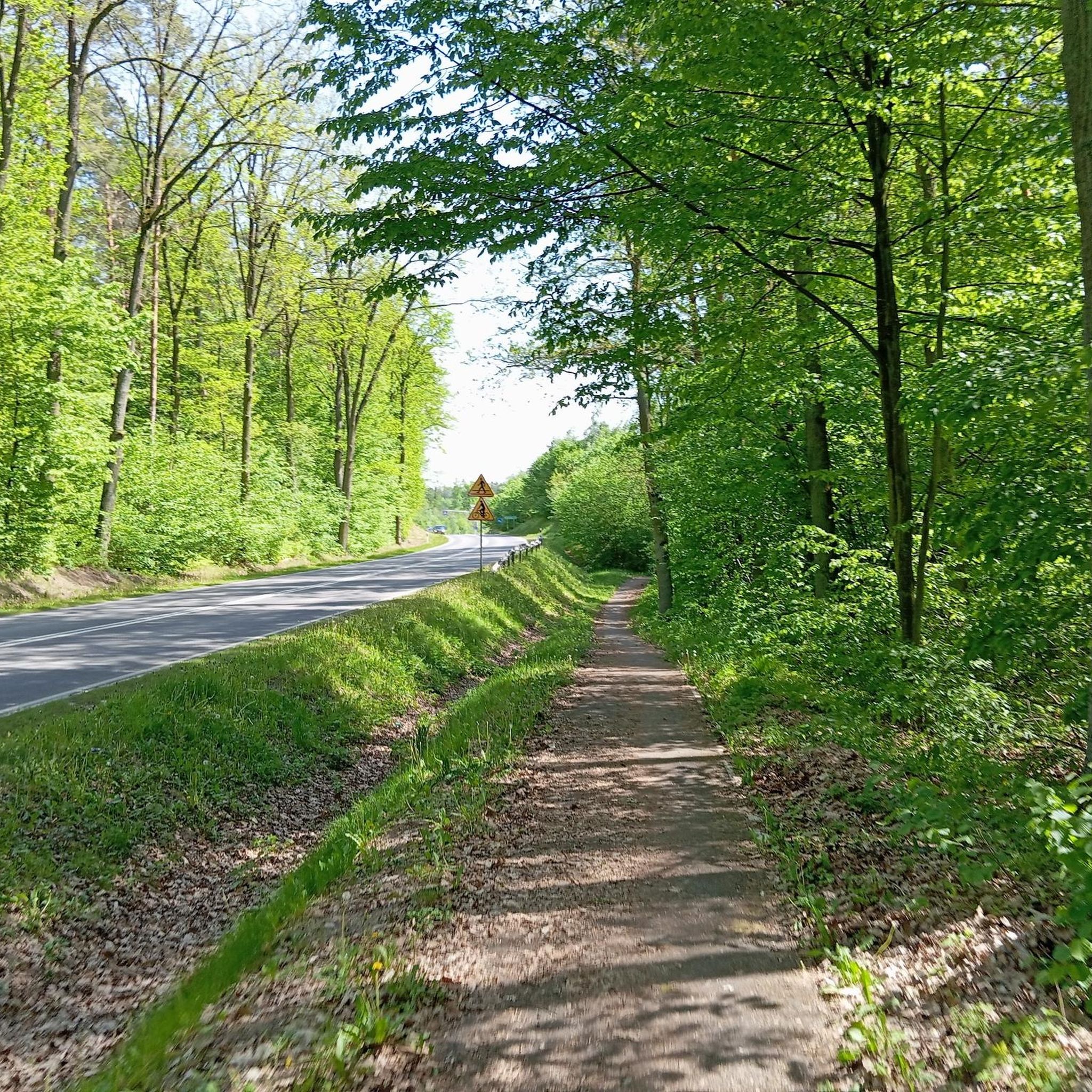
Very cleanly maintained place. And a nice park-like atmosphere. You have to be careful not to miss this church. Because it stands off to the side and the road encourages faster riding :)
0
0

The Palace in Sanniki is one of two registered historic monuments in the town of Sanniki, in Gostynin County, Masovian Voivodeship. The palace is located in the town center.
0
0

The palace in Sanniki is a classicist residence from the late 18th century, located in the center of the town, surrounded by a picturesque landscape park. In 1828, the young Fryderyk Chopin stayed here, composing and giving concerts during his stay with his friend Konstanty Pruszak. Currently, the palace houses the Fryderyk Chopin European Artistic Center, which organizes concerts, exhibitions and cultural events. For road cyclists, it is an attractive destination for a trip - access via asphalt roads from Płock or Sochaczew is convenient, and the area around the palace offers places to rest and explore. It is worth taking a bike lock to safely explore the interior of the palace and the park.
1
0

The palace was built in the first half of the 19th century in the form of an Italian villa with a quadrangular tower for the Grabski family. In 1909, at the request of Stanisław Godlewski and his wife Zofia, the palace was rebuilt using the walls of the earlier building according to the design of Jan Heurich the Younger. In 1927, the interiors were modernized according to the design of Juliusz Nagórski. In 1937, after the death of Zofia Godlewska, the estate passed to her siblings Teodora née Krzymuska Godlewska, Maria née Krzymuska Wartaszewska and Czesław Krzymuski. After the end of World War II, the palace became the property of the State Agricultural Farm (PGR). This state of affairs continued into the 1990s. After WWII, the estate was nationalized - a State Agricultural Farm was established there, and after its collapse - the Role Company. The palace returned to the heirs, badly damaged only in 2006 and was resold. Conference center, hotel. House and park in decent condition. Property available.
1
0
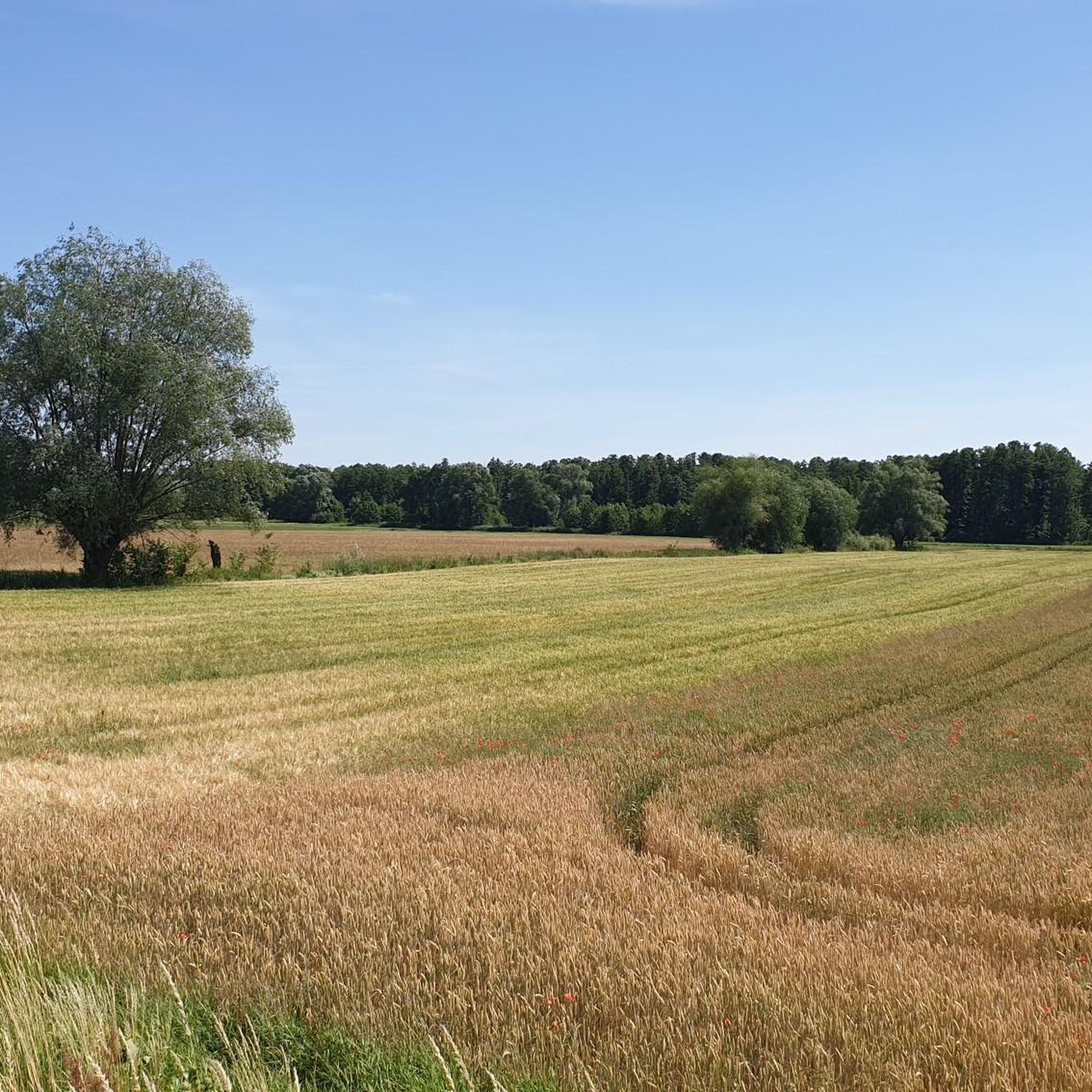
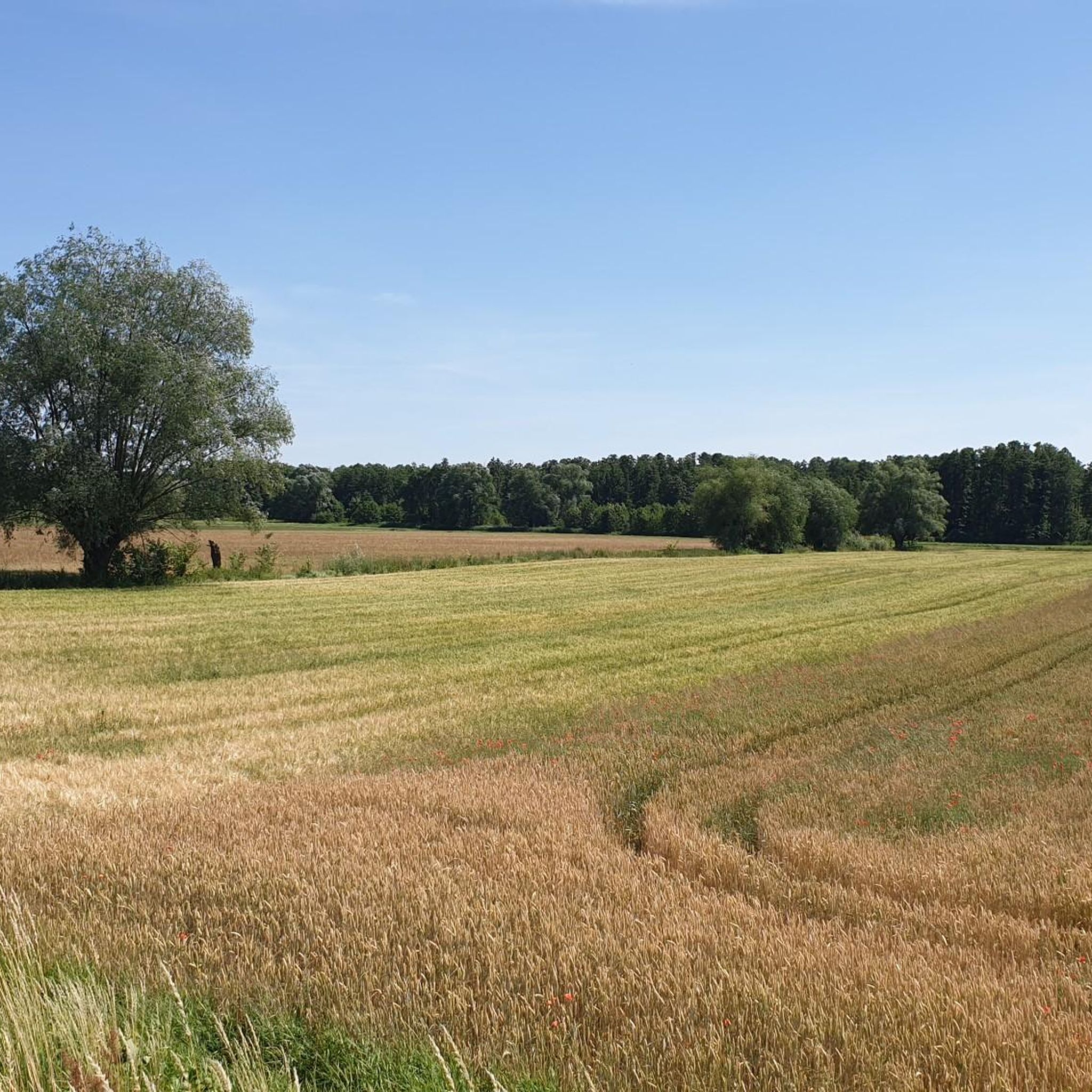
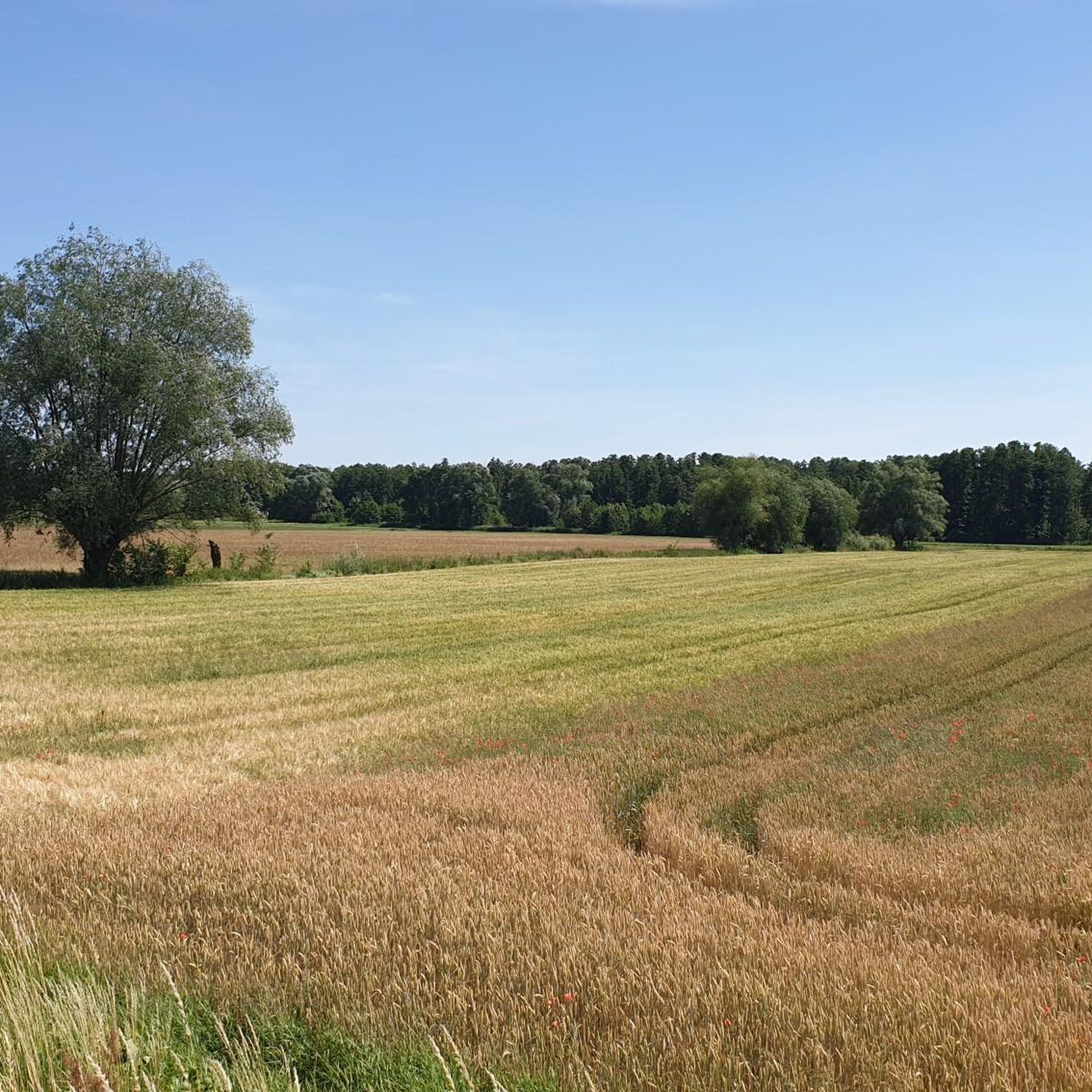
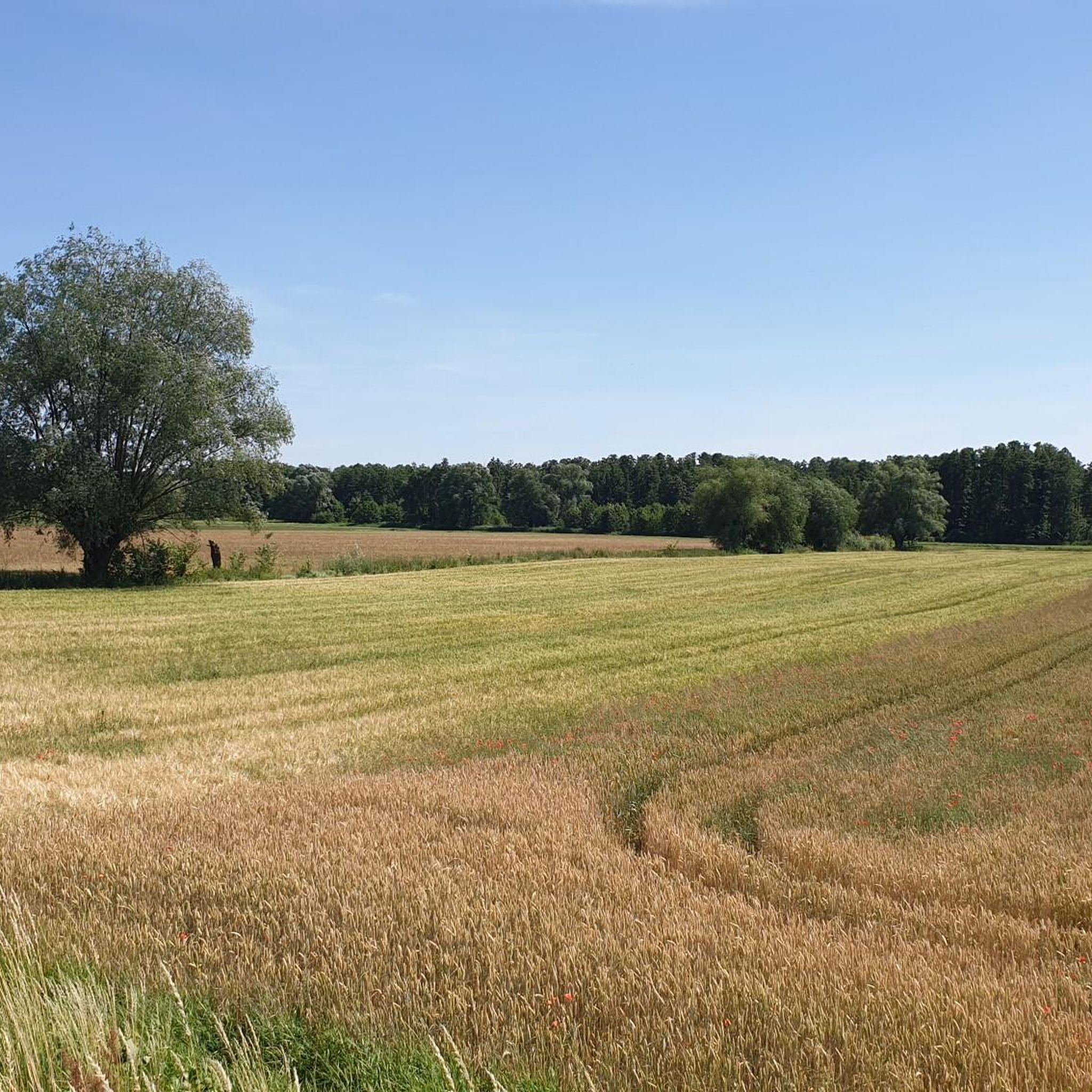
The Natura 2000 Special Protection Area for Birds established in 2012 in central Poland, on the border of the Łódź and Mazovian Voivodeships. It covers an area of 3980.66 ha. It includes small valleys of the Słudwia River and its left tributary Przysowa, located in the Kutno, Łowicz and Gostynin counties. A bird sanctuary has also been established in this area, designated in the IBA nomenclature as sanctuary no. 145, with an area of 3284 ha. The Przysowa Valley (apart from the estuary section to the Słudwia) is also part of the Przysowa Valley Protected Landscape Area. In the northern part of the sanctuary there is the "Szczawińskie Lake" reserve.
0
0
The parish was probably established in the second half of the 13th century. Little is known about the first church. It was probably made of wood and was destroyed. In 1595, a new church, still standing today, was built by Jan Modzelewski of the Trzywdar coat of arms, the Łęczyca cup-bearer, who equipped it with all the equipment and devices. This church was dedicated to St. Stanislaus, bishop. It had three altars, and in them beautiful, new paintings (novae et elegantes in 1603). In 1843, Franciszek Grabski, the owner of the estate in Luszyn, financed the restoration of the temple. It is a brick church, consisting of a rectangular nave, a pentagonally closed presbytery and a porch on the axis of the temple, above which rises a quadrangular tower with two bells. It is equipped with three architectural, two-storey altars with finials. The main altar dedicated to the patron of the church is polychromed in white, with gilding. It houses a sculpture of the Crucified Christ, figures of Saints Stanislaus and Adalbert, and on the second floor a painting depicting the martyrdom of St. Stanislaus. The side altars are polychromed in ivory, with gilding. On the right is a painting of the Listening Mother of God from the 17th century; on the latch a photocopy of this painting, decorated with silver dresses, originally belonging to the original. On the second floor is a painting depicting St. Catherine. The left altar is dedicated to St. Valentine. On the second floor is a painting of St. Roch. In the presbytery there are two stalls from 1595 and a tombstone of the founder of the church and his wife. Worthy of attention are the organs from the 18th/19th centuries, as well as the white polychromed wooden pulpit and the stone baptismal font built into the wall of the church, decorated with the coats of arms of families associated with the Modzelewskis. Prepared by: Fr. Canon. Dr. Pawel Staniszewski
0
0
The wooden church was built in 1636 in a log construction. The building is rectangular in plan, single-nave, with a three-sided closed presbytery, oriented, covered with a gable roof, currently made of sheet metal. On the square by the church there is a modern screen belfry, built of bricks, timbered.
0
0

It is a palace built on the foundations of the old Grabski manor house. A palace in the baroque-classicist style.
2
0
Frequently Asked Questions
What historical sites can I visit around Gąbin?
The region is rich in history. You can explore the Sanniki Palace, a classicist residence where Fryderyk Chopin once stayed, now housing a European Artistic Center. Another significant site is the Castle of the Masovian Dukes, an early 14th-century castle that now hosts the Diocesan Museum. Don't miss the Luszyn Palace, an Italian villa-style historical site available for visits, or the charming 16th-century wooden St. Leonard's Church in Troszyn Polski.
Are there natural areas or wildlife spotting opportunities near Gąbin?
Yes, the Słudwia and Przysowa Valley is a picturesque area known for its lowland rivers and as a nesting place for a large number of birds, especially in spring. It's designated as a Natura 2000 Special Protection Area for Birds and includes the 'Szczawińskie Lake' reserve, making it ideal for wildlife observation.
What kind of outdoor activities can I do around Gąbin?
Gąbin offers various outdoor activities. You can find numerous routes for mountain biking, road cycling, and running. For detailed trails, check out the guides for MTB Trails around Gąbin, Road Cycling Routes around Gąbin, and Running Trails around Gąbin.
Are there any family-friendly attractions in the Gąbin area?
Many attractions around Gąbin are suitable for families. The Sanniki Palace and its park offer cultural events and space to explore. The Luszyn Palace provides a historical setting with benches for resting. The St. Leonard's Church in Troszyn Polski is a charming wooden church in a nice setting for a peaceful visit. Additionally, the natural beauty of the Słudwia and Przysowa Valley is great for walks and birdwatching with children.
Can I find cafes or places to rest near the attractions?
Yes, the Sanniki Palace has a cafe on-site known for good cakes, offering a pleasant spot to relax after exploring the palace and park. The Luszyn Palace also has benches available for visitors to sit and rest.
What is the best time of year to visit Gąbin's attractions?
The region's attractions, especially natural sites like the Słudwia and Przysowa Valley, are particularly vibrant in spring when birds are nesting. Historical sites and palaces are generally accessible year-round, but warmer months offer more comfortable conditions for exploring the surrounding parks and outdoor areas.
Are there any hidden gems or lesser-known spots worth visiting?
While not widely publicized, the St. Leonard's Church in Troszyn Polski is a beautiful, small wooden church from the 16th century with rich furnishings, offering a serene and historically significant experience away from larger crowds. Its nice setting makes it a good place for quiet reflection.
What do visitors enjoy most about the attractions around Gąbin?
Visitors appreciate the blend of historical architecture and natural beauty. The Sanniki Palace is valued for its cultural events and Chopin connection, while the Słudwia and Przysowa Valley is loved for its picturesque scenery and birdwatching opportunities. The historical depth of sites like the Castle of the Masovian Dukes also draws significant interest.
Are there any specific tips for road cyclists visiting the area?
For road cyclists, the area around Sanniki Palace is an attractive destination, with convenient access via asphalt roads from Płock or Sochaczew. The park around the palace offers places to rest. Remember to bring a bike lock if you plan to explore the interior of the palace. You can find more routes in the Road Cycling Routes around Gąbin guide.
Can I visit the Luszyn Palace and its grounds?
Yes, the Luszyn Palace and Former State Agricultural Farm is available for visits. The property, including the house and park, is in decent condition, offering a glimpse into its history as an Italian villa-style palace that underwent several modernizations.
What is the significance of the Sanniki Palace?
The Sanniki Palace is a classicist residence from the late 18th century, notable for Fryderyk Chopin's stay in 1828, where he composed and gave concerts. Today, it functions as the Fryderyk Chopin European Artistic Center, hosting concerts, exhibitions, and cultural events within its picturesque landscape park.
Most popular attractions around Gąbin

Get inspired with the komoot mobile app


Explore more
Still not found the Highlight you’re looking for? See guides of the top attractions in other regions:
