Attractions and Places To See around gmina Czerwińsk nad Wisłą - Top 20
Attractions and places to see around gmina Czerwińsk nad Wisłą are concentrated along the Vistula River, offering a mix of historical landmarks and natural features. This area in central Poland is known for its well-preserved Romanesque architecture and its position within the Natura 2000 network. The landscape includes the Vistula River, providing scenic views, and significant ancient oak trees. The region's cultural heritage is reflected in its historic buildings and traditional urban layouts.
Best attractions and places to see around…
Last updated: July 1, 2026
View of the Basilica of St. John the Baptist and St. Roch in Brochow
Highlight • Religious Site
Translated by Google •
Tip by

Bridge over the Bzura River in Kamion
Highlight • Bridge
Translated by Google •
Tip by

Sign up now to discover places like this
Get recommendations on the best single tracks, peaks, & plenty of other exciting outdoor places.
Sign up for free
Manor in Tułowice
Highlight • Historical Site
Translated by Google •
Tip by

Sochaczew Narrow-Gauge Railway – Tułowice Station
Highlight • Structure
A station on the narrow-gauge railway belonging to the Narrow-Gauge Railway Museum in Sochaczew. More information on the website.
Translated by Google •
Tip by

Kobendza Oak
Highlight • Natural Monument
Tip by

Sign up for free to discover even more attractions around gmina Czerwińsk nad Wisłą.
Sign up for free
Already have an account?
Start today with a free account
Your next adventure awaits.
Login or Signup
Popular around gmina Czerwińsk nad Wisłą

Tips from the Community

https://brochow-parafia.pl/zdjecia-historyczne/ here you can see historical photos
0
0

https://sochaczew.stacjamuzeum.pl/pociag-retro/ A station on the narrow-gauge railway belonging to the Narrow-Gauge Railway Museum in Sochaczew. More information on the website.
1
0
The manor house was built in the Classicist style in 1800, designed by Hilary Szpilowski for Franciszka Kucharska, née Lasocka. At the front is a portico with four Tuscan columns supporting a triangular pediment bearing the Dołęga Lasocki family coat of arms with the initials FL (Franciszka Lasocka). The building is part of an early 19th-century manor complex, which also includes a park. https://pl.wikipedia.org/wiki/Dw%C3%B3r_w_Tu%C5%82owicach
1
0

It's worth seeing, a show of the power of nature!!
0
0

The first bridge over the Bzura in Kamion was built in 1915. It was a wooden structure of a temporary nature. After 9 years, the bridge was destroyed during the flood in 1924. It was rebuilt in the same year, but the ice embankments (elements protecting the bridge from flowing ice floes) were not made until the following year. The war that began in 1939 caused the destruction of five spans, which were later repaired by the Germans. Military operations in 1945 and the flowing ice floes in 1947 destroyed the bridge again, but in 1947 it was rebuilt by the State Road Bridge Reconstruction Directorate over the Vistula and Bzura near Wyszogród. In this form (during the last reconstruction it received steel girders) the bridge survived until 2010, when the flowing ice floes damaged it so much that vehicle traffic had to be significantly limited (to 3.5 tons and max. 2 m wide. The reconstruction, or rather construction from scratch, was carried out in the "Design and Build" system. It turned out to be necessary to rebuild the drainage, technical infrastructure devices and build traffic safety devices. The structure has four spans, is 160.5 m long and 9 m wide and has a load capacity that allows for the movement of vehicles weighing up to 80 tons. The contractor completed the work on October 30, 2012, while the ceremonial handover of the new bridge to the residents of Kamion and the Sochaczew district took place on January 2, 2013. The total cost of the works in Kamion amounted to PLN 14.7 million. The subsidy in the amount of PLN 6.8 million came from government funds for the removal of the effects of flooding, which was allocated by the Mazovian Voivode Jacek Kozłowski. The remaining funds in the amount of PLN 7.9 million were provided by the local government of the Mazovian Voivodeship.
0
0
It is a Gothic-Renaissance three-nave basilica, the result of the reconstruction of the original Gothic church, flanked by three large, cylindrical towers – two in the western corners, framing a wide narthex, and one above the presbytery apse, with a gallery in the tower above the presbytery. The barrel vault is decorated with a coffered network of repeating rectangular motifs and covered with rich polychrome. A two-story tunnel porch with embrasures runs around the church. The church was founded by Jan Brochowski of the Prawdzic coat of arms – a Warsaw soldier and owner of the village – and his family; it was built between 1551 and 1561 by the renowned mason Jan Baptista of Venice, active in Mazovia (he built or rebuilt churches in Brok, Płock, and Pułtusk, among others). The church's defensive character is emphasized by its three towers, which dominate the surrounding area like the castle's towers. It was also rebuilt later, including after 1655, thanks to the efforts of Albert Adrian Lasocki. It was during this time that the brick bastion walls surrounding the church grounds were built. Remnants of the moat still survive on the Bzura River side. Inside, above the side aisles, is a long porch, which allowed for a connection between the towers. Typical of the style of John Baptist of Venice is the barrel vault with a grid of decorative coffered ribs in the form of circles and rectangles.
1
0
Historic manor house in Tułowice (Masovian Voivodeship). A manor house built in the classicist style in 1800 according to the design of Hilary Szpilowski for Franciszka Kucharska primo voto Karnkowska née Lasocka. At the front there is a portico with four Tuscan columns supporting a triangular pediment containing the Dołęga Lasocki coat of arms with the initials FL (Franciszka Lasocka). The building is part of a manor complex from the early 19th century, which also includes a park.
0
0
Sochaczew Museum Railway (formerly known as the Sochaczew Narrow Gauge Railway, Sochaczew County Railway, Sochaczew Commuter Railway) – a narrow-gauge tourist railway with a gauge of 750 mm. The construction of the Sochaczew Narrow Gauge Railway began in 1921, on October 1, 1922 the railway was officially opened on the Sochaczew–Tułowice section, in August 1923 the line was extended to Piaski Królewskie, and in the same year a branch line to Wyszogród was built. In 1930 the name of the railway was changed to the Sochaczew County Railway.
0
0
Frequently Asked Questions
What historical sites can I explore in gmina Czerwińsk nad Wisłą?
The region is rich in history. A must-see is the 12th-century Romanesque Abbey Church and Monastery Complex in Czerwińsk nad Wisłą, a designated Historic Monument of Poland known for its architecture and 13th-century frescoes. You can also visit the Manor in Tułowice, a classicist manor house from 1800, and the Basilica of St. John the Baptist and St. Roch in Brochów, a 14th-century defensive church famous as Fryderyk Chopin's baptismal place.
Are there any natural attractions or scenic viewpoints in the area?
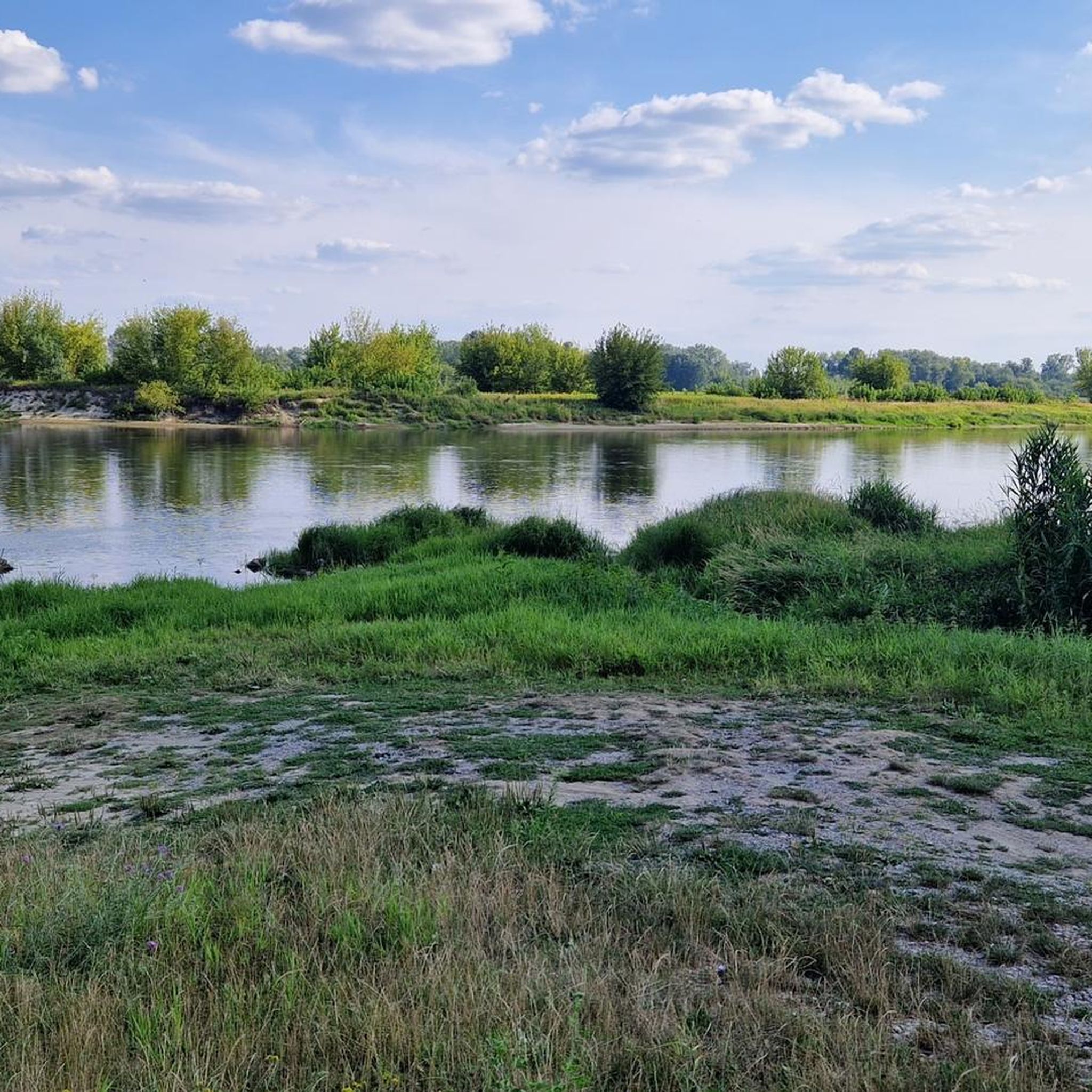
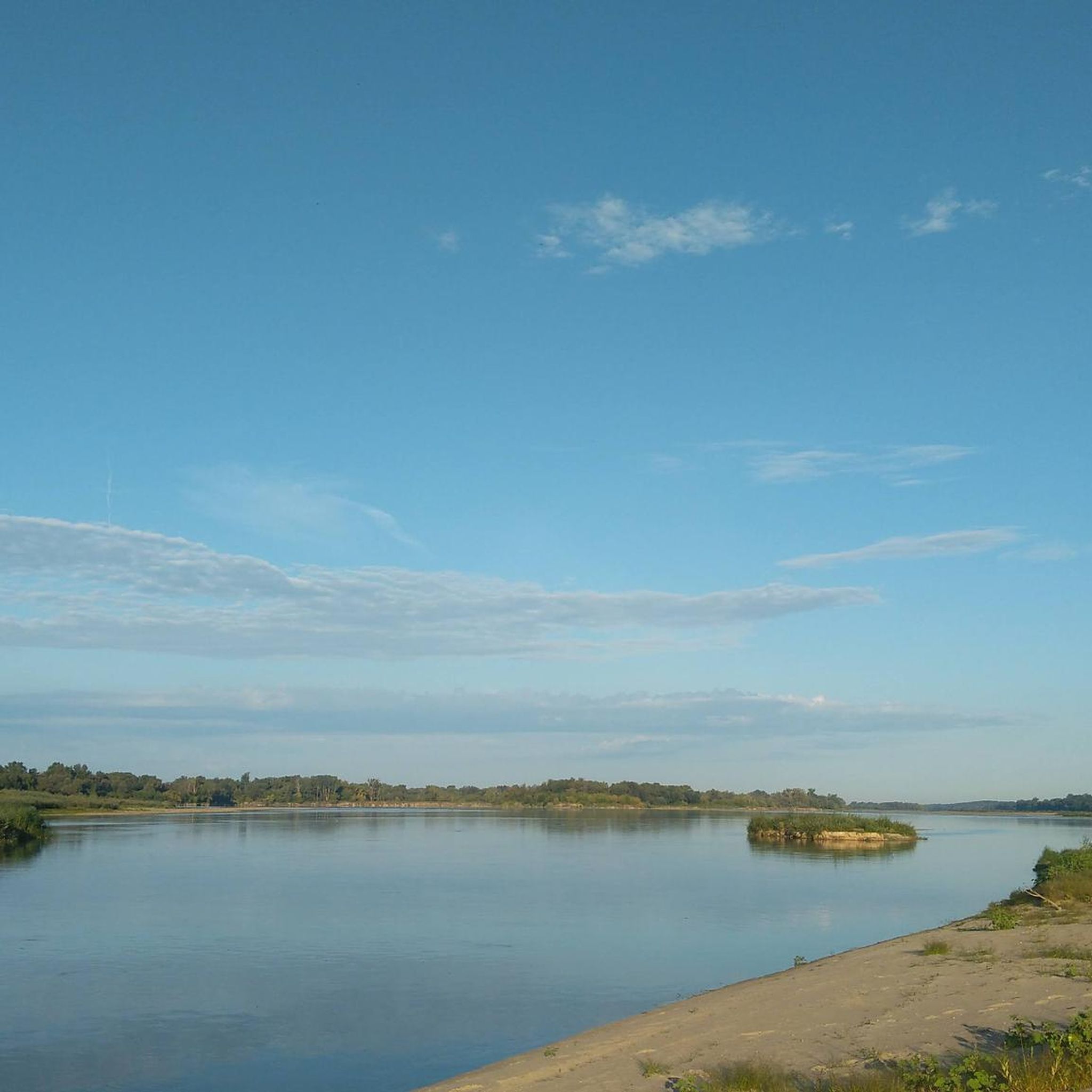
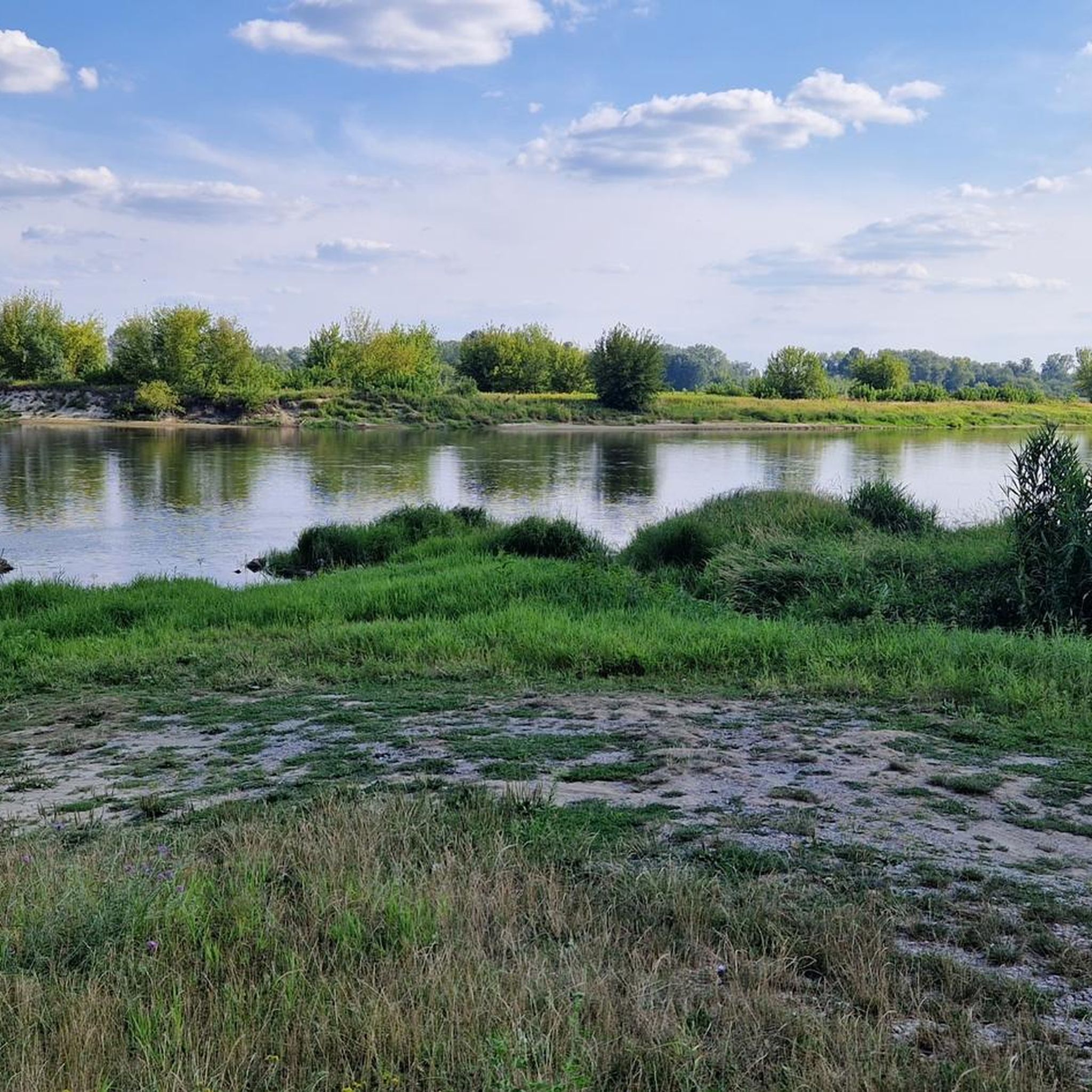
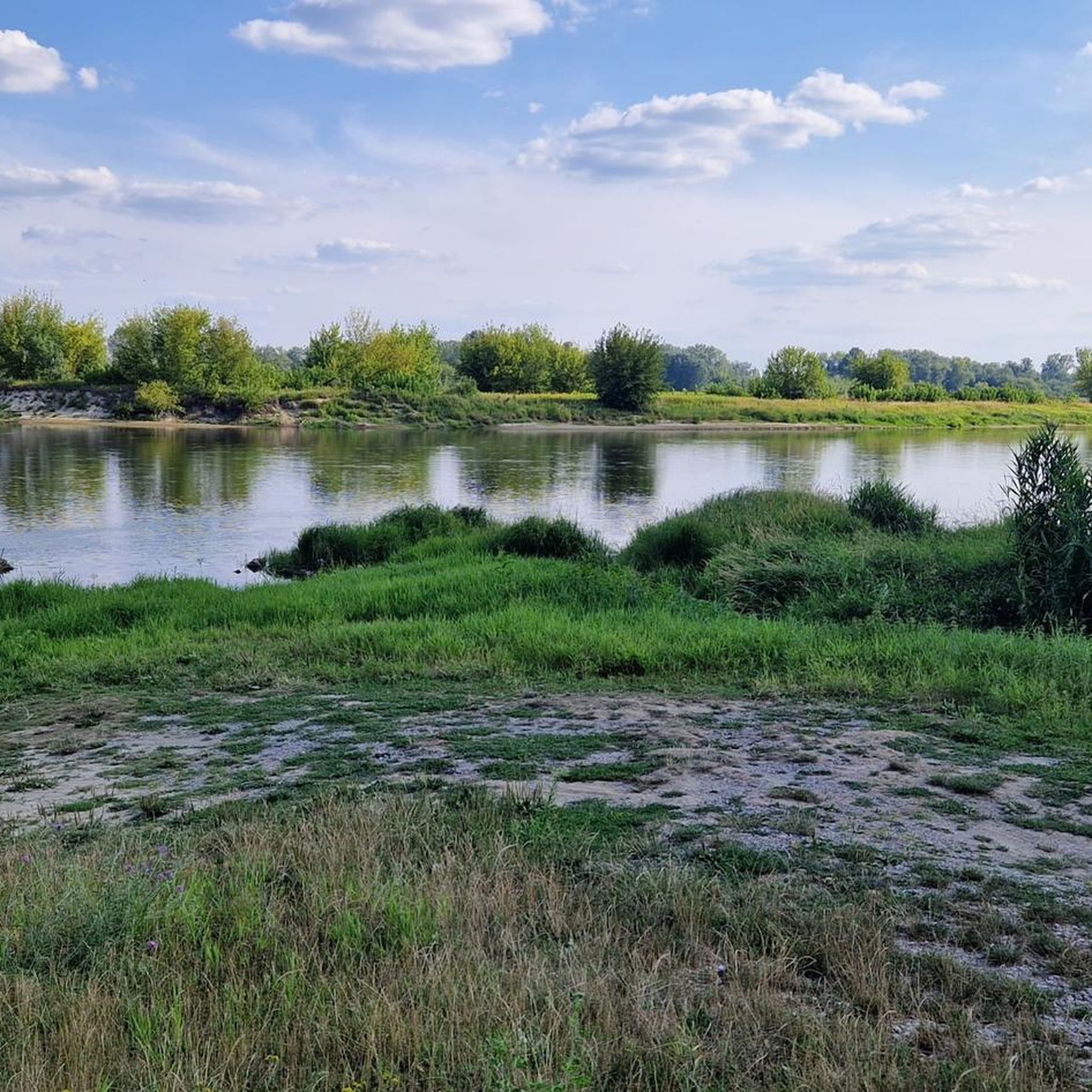
Yes, gmina Czerwińsk nad Wisłą is situated along the Vistula River, offering scenic views and riverside paths. Parts of the area are within the Natura 2000 network, protecting diverse habitats. You can also find monumental trees like the approximately 400-year-old "Dąb Kobendzy" (Kobendza Oak) in the Krzywa Góra strict protection area. From elevated points in Czerwińsk, you can enjoy expansive views of the Kampinos Forest.
What outdoor activities are available near the attractions?
The region offers various outdoor activities, especially cycling. You can find numerous routes for different skill levels. For mountain biking, explore trails like the "Kobendza Oak – Kampinoska Cottage loop" or the "Modlin Fortress Trail." If you prefer touring or gravel biking, options like the "Kampinoska Cottage – Charming Swamps of Krzywa Góra loop" or the "Kobendzy Oak (Dąb Kobendzy) loop" are available. For more details, check the MTB Trails, Cycling, and Gravel Biking guides for gmina Czerwińsk nad Wisłą.
Are there any family-friendly attractions in gmina Czerwińsk nad Wisłą?
Families can enjoy several attractions. The Basilica of St. John the Baptist and St. Roch in Brochów is a historical and cultural site that can be interesting for older children. Another engaging option is the Sochaczew Narrow-Gauge Railway – Tułowice Station, which is part of the Narrow-Gauge Railway Museum and occasionally offers tourist trips.
What is the significance of the Romanesque Abbey Church in Czerwińsk nad Wisłą?
The Romanesque Abbey Church and Monastery Complex is the most significant historical site in the gmina. It's one of Poland's best-preserved examples of Romanesque architecture, featuring a grand Romanesque portal and one of the largest collections of 13th-century Romanesque frescoes in Poland. Historically, it's noted as the place where King Władysław Jagiełło's army prepared before the Battle of Grunwald in 1410. The monastery also houses a mission museum.
Can I find any unique cultural experiences in the region?
Beyond the historical architecture, the Salesian Monastery at the Abbey Church hosts a Mission Museum with artifacts from Salesian missionary journeys. The church itself is home to extensive 13th-century Romanesque frescoes. During Lent, a religious staging called "Mystery of the Passion" attracts pilgrims. Czerwińsk is also part of the Masovian Way of St. James pilgrimage route.
Is there anything interesting about the Bridge over the Bzura River in Kamion?
The Bridge over the Bzura River in Kamion has a fascinating history of resilience. Originally a wooden structure from 1915, it has been rebuilt multiple times due to floods and wartime destruction. Its current form, with steel girders, was completed in 2012, making it a modern engineering feat with a long past. It is also noted as being wheelchair accessible.
What is the best time of year to visit gmina Czerwińsk nad Wisłą?
The best time to visit gmina Czerwińsk nad Wisłą is generally during the warmer months, from spring to early autumn (May to September). This period offers pleasant weather for exploring historical sites, enjoying riverside walks along the Vistula, and engaging in outdoor activities like cycling. The Salesian monastery also organizes an international youth festival, Campo Bosco, during the summer.
Are there any places suitable for visitors with limited mobility?
Yes, the Bridge over the Bzura River in Kamion is noted as being wheelchair accessible, offering an opportunity to view this historic and rebuilt structure. While specific accessibility details for all sites are not available, the Vistula River Embankment may offer relatively flat paths for enjoyment.
What do visitors enjoy most about the attractions in gmina Czerwińsk nad Wisłą?
Visitors particularly appreciate the rich historical significance of the region, especially the well-preserved Romanesque architecture of the Abbey Church and the historical context of sites like the Basilica in Brochów. The scenic views along the Vistula River and the opportunity for outdoor activities like cycling are also highly valued. The blend of history, culture, and natural beauty makes for a diverse and engaging experience.
Are there any other notable historical buildings or complexes in the surrounding villages?
Beyond the main attractions, the gmina features other cultural heritage monuments. These include a manor in Chociszewo, Saint Leonard church in Chociszewo, Saint Bartholomew church in Grodziec, a manor complex in Kuchary-Skotniki, and Saint John the Baptist church in Stare Radzikowo. These offer further glimpses into the region's architectural and historical past.
What is the 'Czerwińsk Code'?
The Czerwińsk Code refers to a significant legal act created in Czerwińsk in 1475. While not a physical attraction, it is an important piece of the region's historical and cultural legacy, reflecting its past importance in Polish history.
Most popular routes around gmina Czerwińsk nad Wisłą
Most popular attractions around gmina Czerwińsk nad Wisłą

Get inspired with the komoot mobile app


Explore more
Still not found the Highlight you’re looking for? See guides of the top attractions in other regions:
