Attractions and Places To See around gmina gmina Krzynowłoga Mała - Top 12
Best attractions and places to see around gmina gmina Krzynowłoga Mała include a variety of historical sites, religious buildings, and natural features. Located in east-central Poland within the Masovian Voivodeship, the area offers insights into regional history and culture. Visitors can explore ancient archaeological sites, historic churches, and remnants of 19th-century manor parks. The gmina also features unique natural points of interest, providing diverse experiences for those exploring the region.
Best attractions and places to see around gmina gmina Krzynowłoga Mała
- The most popular attractions is Parish Church of Saint Stanislaus the Bishop and Martyr in Czernice Borowe, a religious building that is a majestic brick Gothic church. This late Gothic structure, erected after 1514, is a characteristic example of Mazovian architecture.
- Another must-see spot is Church of the Assumption of the Blessed Virgin Mary, a religious building and the oldest historic temple in Przasnysz. The present church was constructed between 1474 and 1785, offering a glimpse into centuries of local history.
- Visitors also love Łysa Góra Archaeological Site, a historical site that is an oblong hill where the first traces of human presence in the Chorzel region were found. This site is entered in the register of monuments, marking its historical significance.
- gmina gmina Krzynowłoga Mała is known for its religious buildings, historical sites, and natural monuments. The region offers a variety of attractions to see and explore, from ancient strongholds to unique glacial erratics.
- The attractions around gmina gmina Krzynowłoga Mała are appreciated by the komoot community. With 9 upvotes and 15 photos, these spots offer diverse experiences for explorers.
Last updated: July 1, 2026
Church of the Assumption of the Blessed Virgin Mary
Highlight • Religious Site
According to tradition, the first wooden temple was built in this place in the 13th century. Another brick church consecrated in 1408 by Bishop Marian, suffragan of Płock, burned down around 1470. The present church was erected in the years 1474-1785 (...)
Source and more:
wirtualnemazowsze24.pl/przasnysz-kosciol-wniebowziecia-najswietszej-maryi-panny
Translated by Google •
Tip by

Parish Church of Saint Stanislaus the Bishop and Martyr in Czernice Borowe
Highlight • Religious Site
Translated by Google •
Tip by

Sign up now to discover places like this
Get recommendations on the best single tracks, peaks, & plenty of other exciting outdoor places.
Sign up for free
Łysa Góra Archaeological Site
Highlight • Historical Site
Translated by Google •
Tip by

A large square around the church.
Highlight • Religious Site
Translated by Google •
Tip by
Mławska Kolej Dojazdowa Narrow-Gauge Railway
Highlight • Monument
Tip by

Sign up for free to discover even more attractions around gmina gmina Krzynowłoga Mała.
Sign up for free
Already have an account?
Start today with a free account
Your next adventure awaits.
Login or Signup
Popular around gmina gmina Krzynowłoga Mała
Tips from the Community

In the town of Skierkowizna, there is the Parish of St. Andrew Bobola. The church in Skierkowizna is one of the youngest historic temples in Mazovia. In the 19th century, the faithful from Skierkowizna, in order to get to their parish church in Przasnysz, had to travel 15 km one way. In order to create better conditions for them to reach the church, Fr. Kazimierz Gwiazda - the then vicar from Przasnysz decided to build a temple. The church was brought from Janów. In the 1930s, a brick church was built there, and the previous wooden one turned out to be unnecessary. In 1936, Fr. Kazimierz Gwiazda bought the building from the Janów parish and transported it to Skierkowizna, placing it on donated land. The church itself (as a building) is 100 years old - it was built in 1917, the year of the apparitions in Fatima. The parish was established in September 1938 by the then bishop of Płock, Blessed Antoni Julian Nowowiejski, a martyr from Dachau. The parish owes its amazing appearance to the late Father Sylwester Szadkowski, a former parish priest who worked here for 36 years. Modeled on the wooden highland churches in the Tatras, Father Sylwester created one of the most beautiful wooden churches in Poland – called the "wooden basilica" or "wooden cathedral". https://parafia-skierkowizna.pl/historia-parafii-i-kosciola/
2
0
For me, this is a very, very interesting place that can be considered an "attraction". After all, instead of this square, you could have pointed to a sacred object and written something about it.
2
0
The parish church, which "in the Gothic style, [was] built by Jakub Poczta, castellan of Ciechanów, in 1398. The legend says that Jakub Poczta, hunting in the place where the present church is, killed a deer and found a cross fused from horn bone between the antlers and in memory built at first a statue, later a chapel and a church. These antlers still hang in the church and are exceptionally large [Currently, there are no antlers in the church, because they burned down in 1915 during a church fire]. The church is now in good condition, brick and large, renovated in 1856, stands on a hill opposite the palace and windmill, also built on the mountains. Since all three mountains stand in one line, they assume that they were artificially built. https://www.parafiaczerniceborowe.pl/historia/
2
0

Great square around the church. It seems too big for an extremely sleepy town. A good place to relax in a hammock or on the grass.
0
1

Majestic brick gothic church which dates back to 16th century, located on a small hill. Huge bell tower next to it.
0
0
Station of Mławska Kolej Dojazdowa, a diesel train (in working condition) and a steam loco (a monument). Interesting info about the history of the rail line on display.
0
0

parish church Assumption is the oldest temple of Przasnysz and the oldest historic building in the city, formerly classified as class II. According to tradition, the first wooden temple was built in this place in the 13th century. Another brick church consecrated in 1408 by Bishop Marian, suffragan of Płock, burned down around 1470. The present church was erected in the years 1474-1785 (...) Source and more: https://wirtualnemazowsze24.pl/przasnysz-kosciol-wniebowziecia-najswietszej-maryi-panny/
0
0

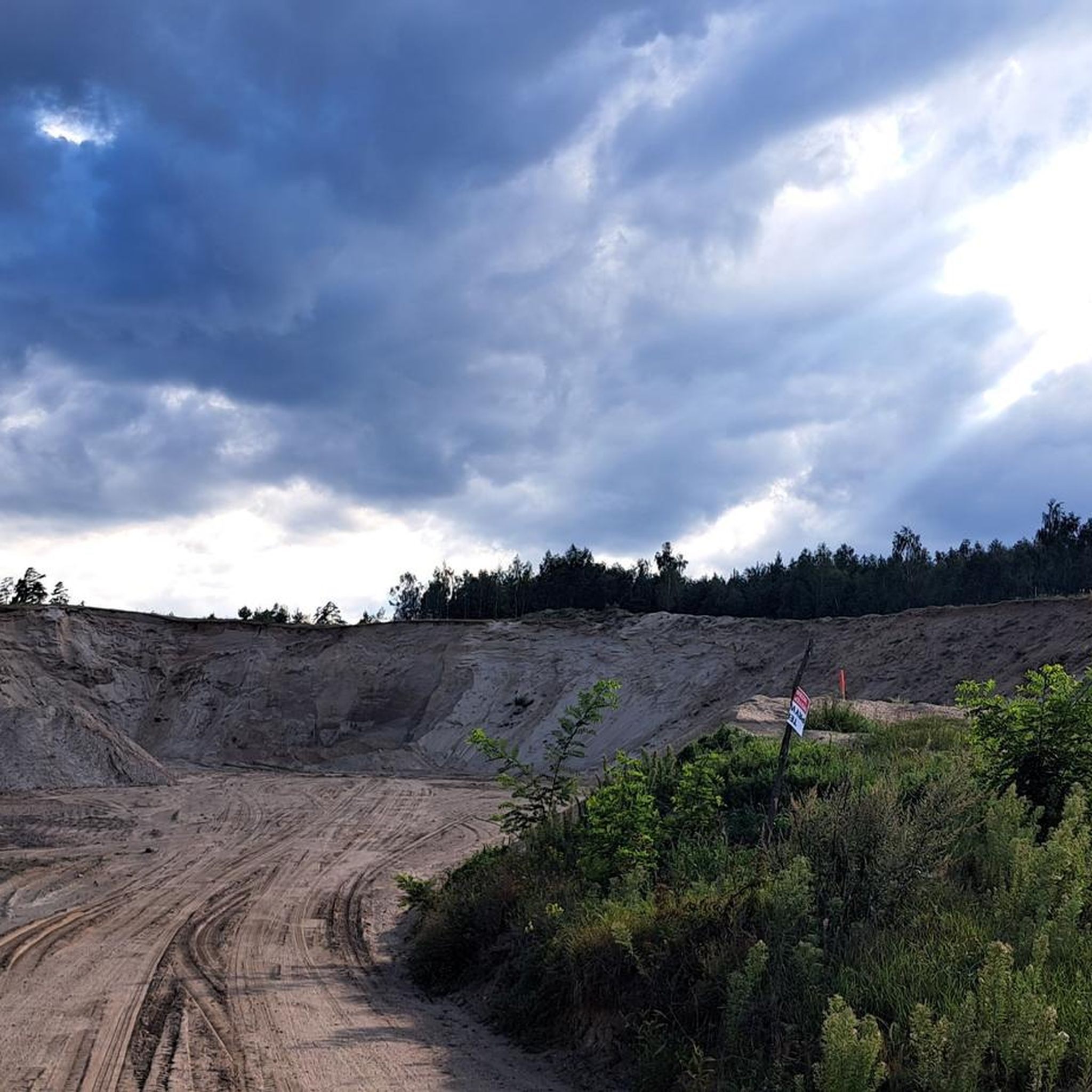
It is an oblong hill that protrudes a few meters above the rest of the area, here very low and often flooded in spring by the waters of the Orzyc and its small tributaries. We also advise against visiting Łysa Góra in early spring or wet autumn - unless someone likes to wet their shoes properly. Now the question arises why it is worth visiting this place. The most important reason is that Łysa Góra is the place where the first traces of human presence were found in the Chorzel region. Today, this hill is entered in the register of monuments, and in archaeological catalogs it is listed as the site of Rembielin.
0
0
Frequently Asked Questions
What historical sites can I explore in Gmina Krzynowłoga Mała?
The gmina is rich in history. You can visit the Łysa Góra Archaeological Site, an oblong hill where the first traces of human presence in the Chorzel region were found. Other historical points include the Monument to Janusz Łoś, commemorating the founder of the parish, and the Monument to the 40 Murdered, a collective grave from World War II. You can also find remnants of 19th-century Manor Parks in Rudno Kmiece and Romany-Sebory, and several German bunkers from World War II scattered throughout the gmina, including in Goski-Wąsocze.
Are there any notable religious buildings to visit in the area?
Yes, the gmina features several significant religious sites. The Parish Church of Saint Stanislaus the Bishop and Martyr in Czernice Borowe is a majestic brick Gothic church from the 16th century. Another important site is the Church of the Assumption of the Blessed Virgin Mary, the oldest historic temple in Przasnysz, with parts dating back to 1474. Within Krzynowłoga Mała itself, the late Gothic Church of St. Dominic, dating from the turn of the 15th and 16th centuries, is notable for its Baroque interior and Gothic crucifixion sculptures. The wooden Church of St. Isidore in Skierkowizna, known as the 'wooden basilica', is also a unique architectural monument.
What natural attractions does Gmina Krzynowłoga Mała offer?
Nature enthusiasts can explore several interesting features. The gmina is home to glacial erratics, including a large boulder in Chmieleń Wielki with a circumference of 10 meters and another in Romany-Sebory. You can also find the source of the Ulatówka River in Grabowo, and the only natural lake in the gmina, Rudno Jeziorowe Lake. For recreation, there's a man-made reservoir in Łoje.
Can I find any unique archaeological sites in the gmina?
Absolutely. Besides the Łysa Góra Archaeological Site, which is an oblong hill with early human traces, the gmina also has an elliptical early Iron Age stronghold (Grodzisko) in Krajewo Wielkie. Additionally, there are cremation cemeteries in Cichowo and Ożumiech, which are archaeological sites belonging to the Lusatian culture.
Are there family-friendly activities or attractions available?
Families might enjoy the Mławska Kolej Dojazdowa Narrow-Gauge Railway, which features a diesel train in working condition and a steam loco monument, offering insights into local history. The large square around the Church in Skierkowizna is also noted as a good place for relaxation.
What kind of outdoor activities, like cycling, are available near these attractions?
The Gmina Krzynowłoga Mała is located near Natura 2000 areas and offers various cycling routes. You can find several options for touring bicycles, including easy loops like 'Chorzele Railway Station loop from Chorzele' (9.5 km) or more moderate routes such as 'Chorzele Railway Station – Forester's Lodge loop from Chorzele' (56 km). A 650-meter section of a tourist and cycling trail also runs through Skierkowizna. For more details on routes, visit the Cycling around gmina gmina Krzynowłoga Mała guide.
Where can I see examples of traditional architecture or historical structures?
You can find several examples of traditional architecture. The Old Wind Turbine (Koźlak type) in Ożumiech is the last remaining early 20th-century wind turbine of its kind in the gmina. There's also a preserved Historic Roadside Shrine in Chmieleń Wielki, a Wooden House from the early 20th century in Kaki-Mroczki, and a Historic Cross from 1911 in Łanięta, all offering glimpses into the region's past.
What do visitors enjoy most about the attractions in Gmina Krzynowłoga Mała?
Visitors appreciate the diverse range of experiences, from exploring ancient archaeological sites like Łysa Góra to admiring the majestic architecture of churches such as the Parish Church of Saint Stanislaus the Bishop and Martyr. The unique character of the wooden 'basilica' in Skierkowizna and the historical significance of monuments and manor parks also draw interest. The community particularly values the historical depth and natural beauty found throughout the region.
Are there any memorials or monuments related to significant events?
Yes, the gmina holds several memorials. The Monument to the 40 Murdered in Krzynowłoga Mała is a collective grave and monument commemorating the murder of hostages by German occupiers during World War II. Additionally, there is the Grób Nieznanego Żołnierza (Tomb of the Unknown Soldier) in Grabowo, a memorial site dedicated to an unknown soldier.
What is the best time to visit Gmina Krzynowłoga Mała for outdoor activities?
While specific seasonal recommendations are not detailed, the presence of cycling routes and natural features suggests that spring, summer, and early autumn would be ideal for outdoor activities. These seasons typically offer pleasant weather for exploring historical sites, natural landscapes, and enjoying recreational opportunities like cycling.
Are there any unique natural formations or geological features?
Yes, the gmina is notable for its glacial erratics, which are large boulders deposited by glaciers. You can find a significant one in Chmieleń Wielki with a circumference of 10 meters and a height of 1.3 meters, and another impressive one in Romany-Sebory measuring 1280 cm in circumference. These offer a glimpse into the region's geological past.
Most popular routes around gmina gmina Krzynowłoga Mała

Get inspired with the komoot mobile app


Explore more
Still not found the Highlight you’re looking for? See guides of the top attractions in other regions:
