Attractions and Places To See around Klwów - Top 17
Best attractions and places to see around Klwów include a collection of historical wooden structures and river crossings along the Pilica River. The region features notable bridges and a distinctive wooden church, offering insights into local architecture and history. Klwów provides opportunities for exploring the natural landscape surrounding the Pilica River.
Best attractions and places to see around Klwów
- The most popular attractions is Barbara Bridge – The Longest Wooden Bridge in Poland over the Pilica in Gostomia, a…
Last updated: July 1, 2026
Translated by Google •
Tip by

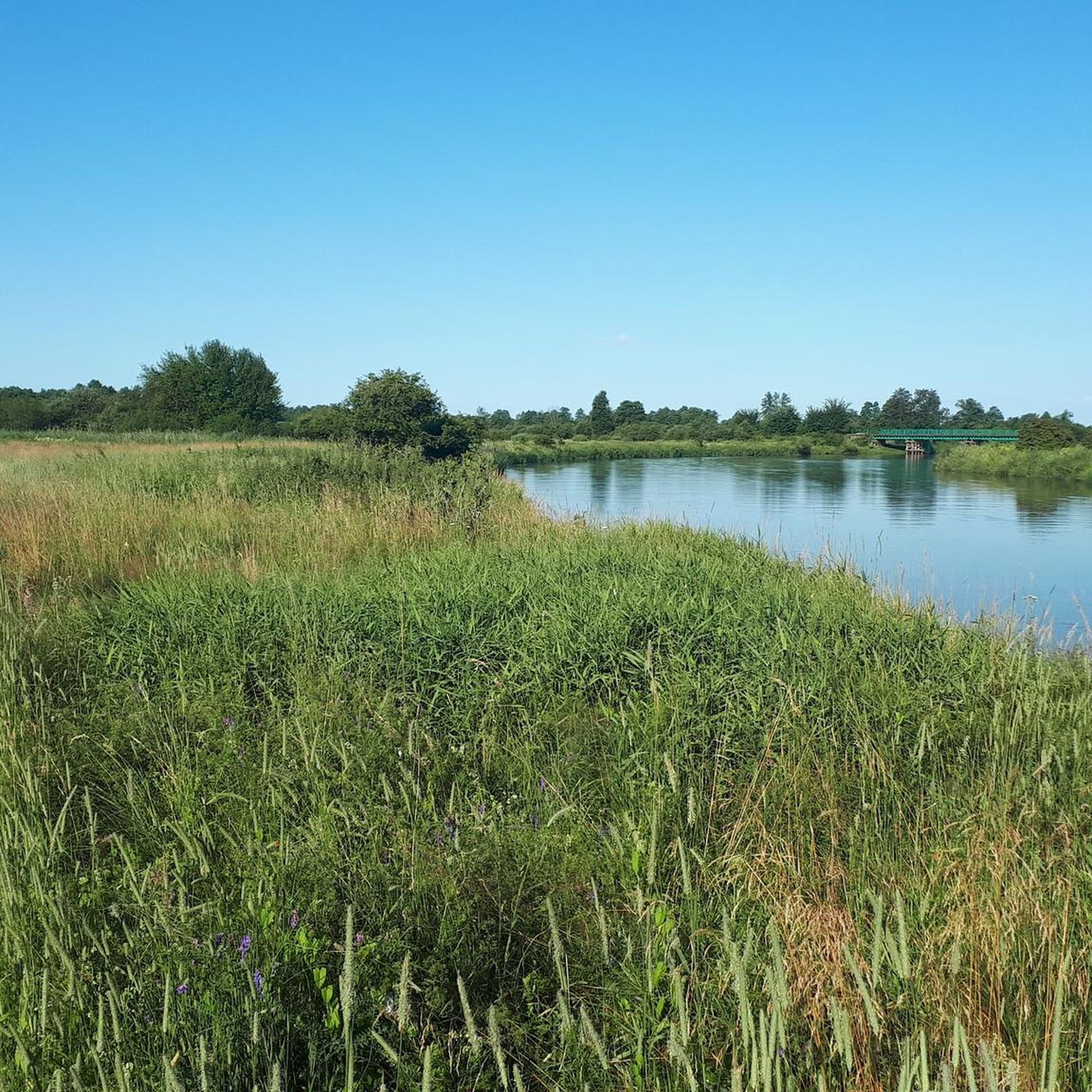
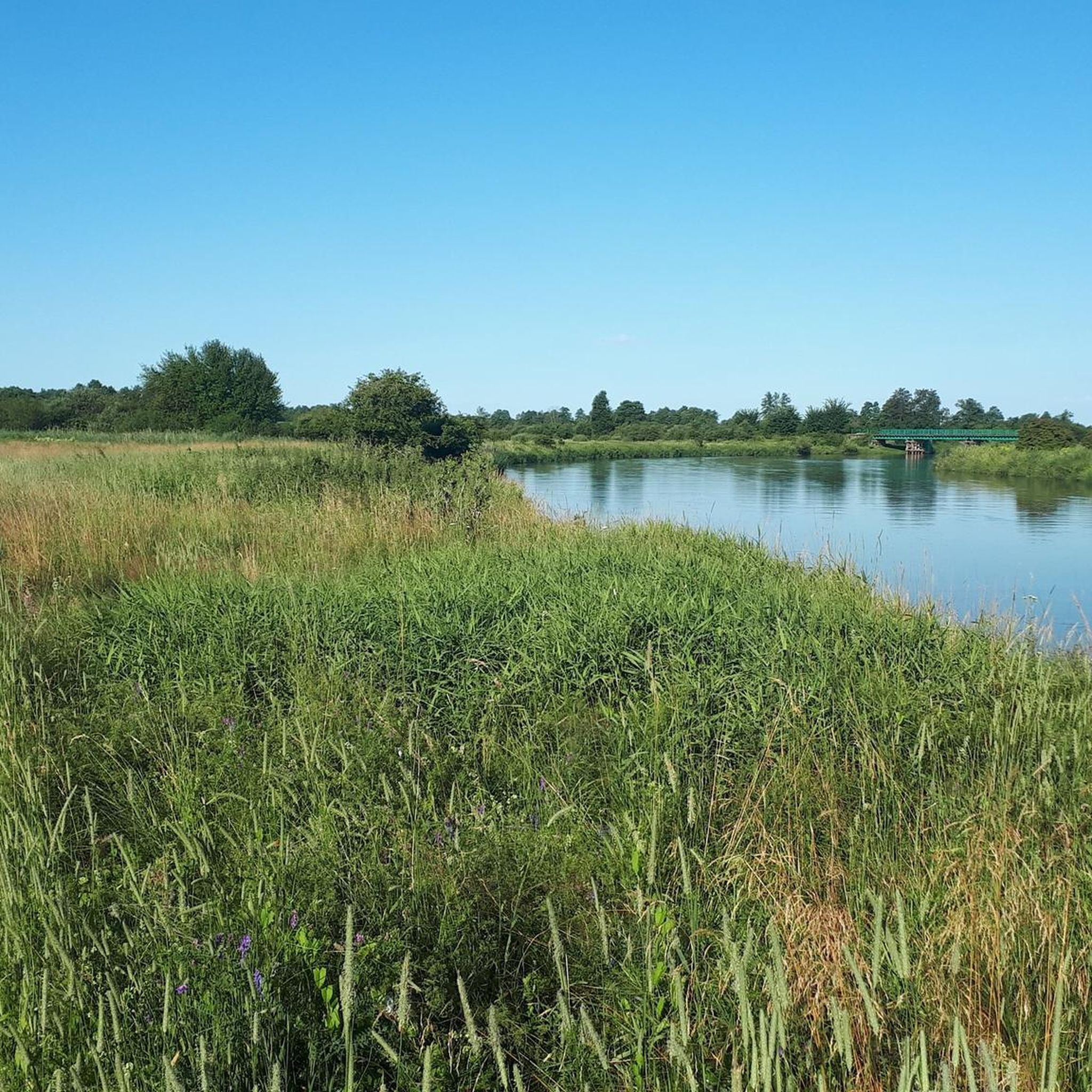
Bridge over the Pilica in Tomczyce
Highlight • Bridge
Tip by

Sign up now to discover places like this
Get recommendations on the best single tracks, peaks, & plenty of other exciting outdoor places.
Sign up for free
Longest Wooden Bridge in Poland (Gostomia, Pilica River)
Highlight • Bridge
Translated by Google •
Tip by

St. Stanislaus Bishop Wooden Church in Kostrzyn
Highlight • Religious Site
Translated by Google •
Tip by
Myślakowice-Kolonia Ferry Crossing on the Pilica River
Highlight • Bridge
Translated by Google •
Tip by
Sign up for free to discover even more attractions around Klwów.
Sign up for free
Already have an account?
Start today with a free account
Your next adventure awaits.
Login or Signup
Popular around Klwów

Tips from the Community

great bridge, I highly recommend it
0
0
wspaniałe most, polecam mocno
0
0
wonderful bridge, highly recommend
0
0

The construction of the church of St. Stanislaus the Bishop in Kostrzyn was initiated in June 1924. The parish was established on December 12, 1924 by Bishop Marian Ryx from the separated villages of the parishes of Klwów and Wyśmierzyce. The construction was continued by Father Tomasz Zadęcki. The church was rebuilt according to the design of the architect Kazimierz Prokulski in the years 1926–1929 at the initiative of Father Wacław Kacznorowski. It was restored in 1968. The temple is a building made of pine and fir wood, in the Podhale style.
0
0
Ferry across the Pilica River. Open from April to October. Nearby bridges in Nowe Miasto nad Pilicą and Mysiakowiec.
0
0

The bridge over the Pilica River in Gostomia was built by the army together with the local population in the late 1980s. The bridge is made of wood on steel girders, 126.30 m long and 4.20 m wide. It is the longest wooden bridge in Poland.
0
0
The bridge over the Pilica River in Gostomia was built by the army together with the local population in the late 1980s. The bridge is made of wood on steel girders, 126.30 m long and 4.20 m wide. It is the longest wooden bridge in Poland.
0
0
Crossing the Pilica River in Domaniewice on the oldest hand ferry in Poland. You just have to remember that if the level of the Pilica River is low, the ferry is closed. Before the trip, it is best to call the man in charge of the crossing whether the ferry is open. Your phone number is 697 417 623.
2
0
Frequently Asked Questions
What kind of attractions can I find around Klwów?
The Klwów area is known for its unique wooden structures, particularly bridges crossing the Pilica River, and historical religious sites. You'll find a blend of man-made monuments and natural river landscapes.
Are there any family-friendly attractions in the Klwów region?
Yes, the region offers attractions suitable for families. For instance, the Longest Wooden Bridge in Poland (Gostomia, Pilica River) is listed as family-friendly, offering an interesting historical structure to visit. The St. Stanislaus Bishop Wooden Church in Kostrzyn is also a historical site that can be enjoyed by families.
What historical sites are there to explore near Klwów?
A significant historical site is the St. Stanislaus Bishop Wooden Church in Kostrzyn. This wooden, three-nave church was built in the Zakopane style between 1924 and 1926, with parts dating back to the 18th century. Its unique architecture and history make it a notable stop.
What outdoor activities can I do near Klwów's attractions?
The area around Klwów, especially near the Pilica River, is excellent for outdoor activities. You can find various routes for hiking, cycling, and running. For example, there are easy to moderate hiking trails like the 'Plaża Miejska loop' or the 'Woodcarvers' Square loop'. You can explore more options on the Hiking around Klwów, Cycling around Klwów, and Running Trails around Klwów guide pages.
Are there any unique river crossings or bridges to see?
Absolutely. The region is famous for its river crossings. Don't miss the Barbara Bridge – The Longest Wooden Bridge in Poland over the Pilica in Gostomia. Another notable crossing is the Bridge over the Pilica in Tomczyce, which leads to a nice gravel path in the woods. For a different experience, consider the Myślakowice-Kolonia Ferry Crossing on the Pilica River, which is an old hand ferry, though it's advisable to call ahead to check if it's operating due to water levels.
What do visitors enjoy most about the attractions around Klwów?
Visitors particularly appreciate the unique character of the wooden bridges and the historical significance of the churches. The scenic river landscapes and the opportunity for peaceful walks or bike rides along the Pilica River are also highly valued.
How long should I plan for visiting the attractions in Klwów?
To fully appreciate the main attractions like the wooden bridges and the St. Stanislaus Bishop Wooden Church, plan for at least half a day. If you intend to combine sightseeing with hiking or cycling along the Pilica River, a full day or even a weekend would allow for a more relaxed exploration.
Are there any easy walking trails near the attractions?
Yes, many of the attractions, especially the bridges over the Pilica River, are connected by or lead to walking paths. For instance, after crossing the Bridge over the Pilica in Tomczyce, you'll find a pleasant gravel path in the woods. You can find easy hiking routes like the 'Plaża Miejska loop' near Nowe Miasto nad Pilicą on the Hiking around Klwów guide.
Can I find circular walking routes around Klwów?
Yes, there are circular walking routes available. For example, the 'Woodcarvers' Square loop from Gostomia' is a moderate 15.6 km circular hike. You can discover more options, including circular walks, on the Hiking around Klwów guide page.
What is the best time of year to visit Klwów attractions?
The spring and summer months (May to September) are generally ideal for visiting Klwów, offering pleasant weather for exploring the outdoor attractions and enjoying activities along the Pilica River. Autumn also provides beautiful scenery with changing foliage, while winter can offer a quiet, picturesque experience, especially if the wooden structures are covered in snow.
Are there any hidden gems or lesser-known spots worth visiting?
While the main attractions are well-regarded, exploring the various wooden bridges beyond the most famous ones can feel like discovering hidden gems. The Myślakowice-Kolonia Ferry Crossing, though sometimes closed, offers a unique, old-world charm as one of Poland's oldest hand ferries, providing a glimpse into local life and river transport.
What should I wear when exploring the Klwów area?
For exploring the Klwów area, especially if you plan on walking or cycling, comfortable walking shoes are essential. Dress in layers, as the weather can change, and consider waterproof outerwear if visiting during spring or autumn. A hat and sunscreen are advisable during sunny summer days.
Most popular routes around Klwów

Get inspired with the komoot mobile app


Explore more
Still not found the Highlight you’re looking for? See guides of the top attractions in other regions:
