The best walks and hikes around Kowala
4.8
(12)
414
hikers
69
hikes
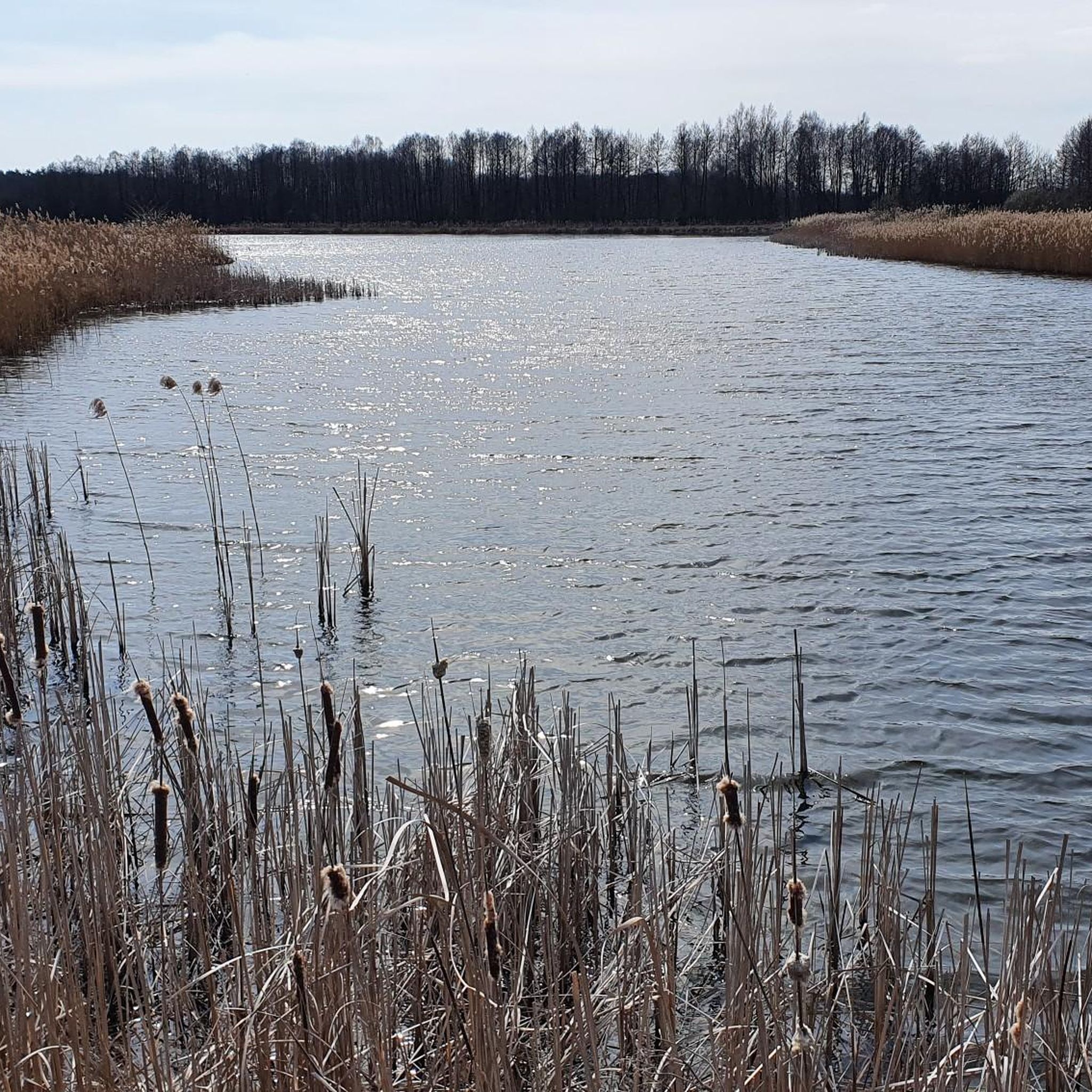
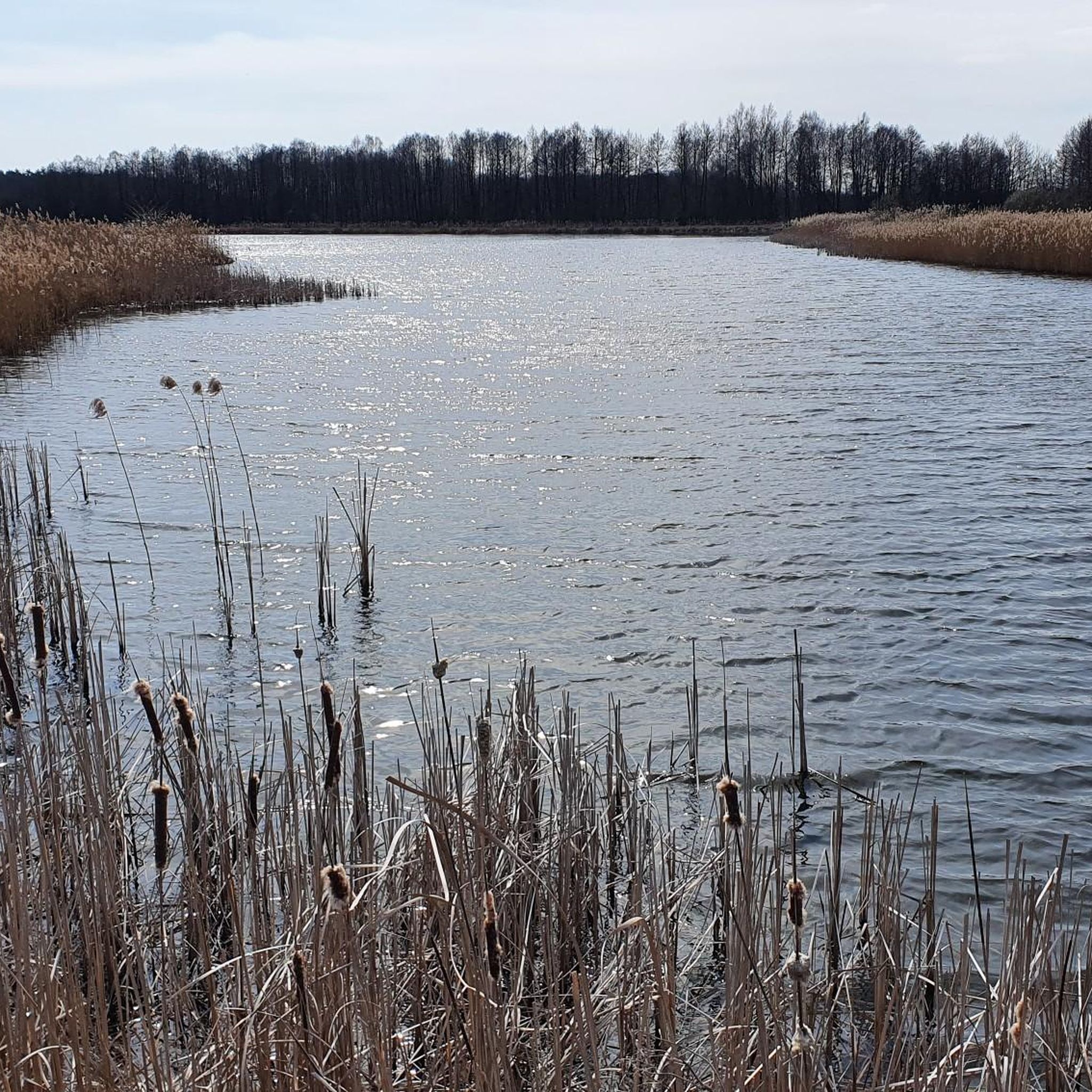
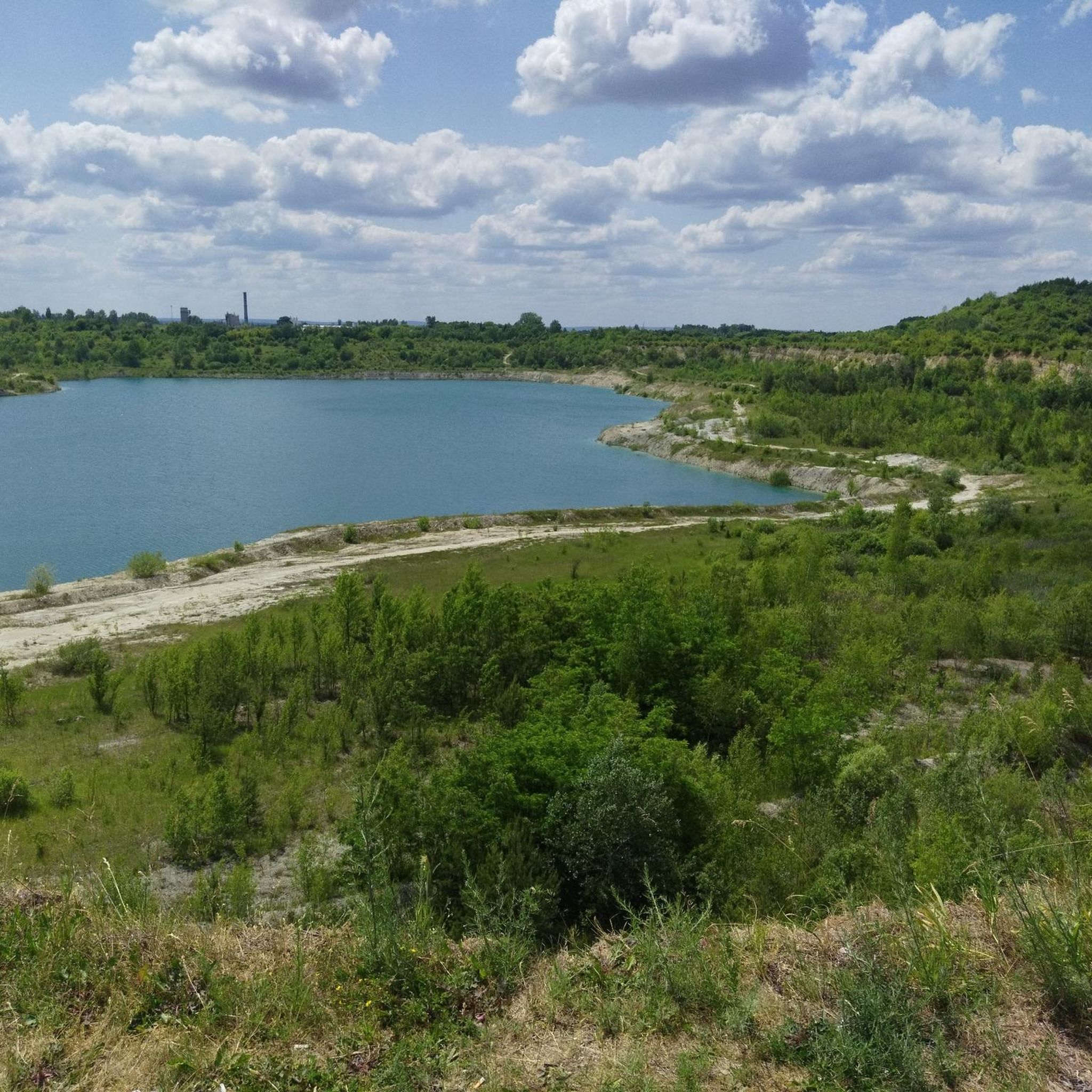
Hiking around Kowala features a landscape characterized by numerous water bodies, including reservoirs and ponds, offering varied scenery for outdoor activities. The terrain is generally flat to gently rolling, with low elevation changes, making it accessible for many hikers. Trails often lead through open areas surrounding these water features, providing opportunities for relaxed walks.
Best hiking trails around Kowala
- The most popular hiking route is Zalew Borki loop from Borki, a 1.7 miles (2.8 km) trail that takes around…
Last updated: May 23, 2026
75
hikers
2.76km
00:43
10m
10m
Easy hike. Great for any fitness level. Easily-accessible paths. Suitable for all skill levels.
10
hikers
9.62km
02:30
60m
60m
Moderate hike. Good fitness required. Easily-accessible paths. Suitable for all skill levels.

Sign up for free
8
hikers
9.70km
02:30
50m
50m
Moderate hike. Good fitness required. Easily-accessible paths. Suitable for all skill levels.
8
hikers
6.17km
01:37
50m
50m
Easy hike. Great for any fitness level. Easily-accessible paths. Suitable for all skill levels.
6
hikers
4.34km
01:08
30m
30m
Easy hike. Great for any fitness level. Easily-accessible paths. Suitable for all skill levels.
Get access to more routes and recommendations from other explorers.
Sign up for free
Already have an account?
Our route recommendations are based on thousands of hikes, rides, and runs completed by other people on komoot.
Start today with a free account
Your next adventure awaits.
Login or Signup
Tips from the Community

Radom's urban spaces feature bronze sculptures depicting products for which the city was or still is famous. These were created as part of the 2018 and 2022 Citizens' Budgets, along with others from private initiatives. The project was conceived by Maciej Stępnikowski and Sebastian Pawłowski, and the sculptures were created by artist Sławomir Micek.
0
0

Manufacturer: Zakłady Sprzętu Oświetlenie "Polam-Radom" In 1979, the retail price of a lamp with an aluminum ball was PLN 490. In the assortment of 37 lighting fixture designs, the most expensive was type 14.B.008, equipped with a fabric lampshade - PLN 1,600. A table lamp with a metal reflector in the shape of a ball, designed as type D-68 based on a foreign design, was one of 10 products introduced into serial production in 1976. In that year, as a result of the merger of the "Mechanik" Workers' Cooperative and the "Rzemiosło" Manufacturing Cooperative, the "Polam-Radom" plant was established. A year later, the largest share in its production was held by: pendant lighting fixtures – 93,317 pieces, curtain rods – 47,548 sets, adjustable floor lighting fixtures – 29,840 and non-adjustable – 21,125 pieces. In 1978, the plant employed 298 people, and in addition, 227 homeworkers worked part-time. The "Polam" Lighting and Electromechanical Equipment Association included 27 entities in the country. The "Mechanik" Cooperative took over the production of lighting fixtures from the plant in Wilkasy in Masuria in 1973, abandoning the production of electric irons. Previously, in addition to lighting equipment, it manufactured, among other things, tourist deckchairs (with or without a footrest), as well as car accessories: mirrors, foot and hand pumps, and swing lifts. Abroad was also supplied: "During the discussion on the report of the Management Board, Supervisory Board, and the discussion of the planned economic tasks for 1962 - colleague Golus Aleksy took the floor, asking whether export production is profitable for our cooperative - because products for export must be very well made, which causes an increase in labor, and at the same time in the wage fund." Location: AMGS GROUP company premises, ul. Dębowa
0
0
Manufacturer: Fabryka Broni in Radom "A bicycle of extremely strong construction adapted to all terrain conditions." Reinforced frame, rifle mounts, luggage rack with leather straps, protective colors black and khaki. Two sprockets at the back - changing gear required manual chain shifting. In 1935 approved by the Office of Technical Research of Armored Weapons and implemented into serial production. Equipped with cycling units in the Polish Army. Location: square in front of the palace of the Sandomierz Voivodeship Commission (currently the City Office), Żeromskiego Street
0
0
The plant visible in the background produced, among others, Łucznik bicycles, ViS pistols, sewing machines and typewriters.
0
0

In the 18th century, the street was part of the Lublin route that led through Lublin to Ruthenia. It connected a part of the royal city with the Lublin suburb and a village near the city called Dzierzków. There was a magnificent monastery and the Bernardine church at the Lublin route. Many taverns and inns were built next to it. In the nineteenth century, the road was incorporated into the city and the name was changed to Lubelska Street. It is at this time that many brick buildings are built here. From 1925, this street was named Stefan Żeromski. Today it is a favorite place for walks of the city's inhabitants. You can admire interesting architecture here while viewing classicist 19th-century tenement houses, palaces or palaces (Sandomierz Palace). There are many restaurants, cafes and small shops on the street. The promenade is connected with the town square via Rwańska Street, adjacent to the Tadeusz Kościuszko. Stefan Żeromskiego Street has been excluded from road traffic. Many outdoor events and concerts are held here.
0
0
The history of the church dates back to 1896-1902, when the church was established here. st. Nicholas. In 1918, the church was taken over by the Polish Army. During World War I, it was destroyed. After the reconstruction in the years 1925-1930, in 1930 he was consecrated to the Garrison Church. st. Stanislaus the Bishop.
1
0
In 1468, thanks to King Kazimierz IV Jagiellończyk, they came to Radom oo. Bernardine monks starting the construction of the monastery. Simultaneously with the construction of the wooden monastery, the church of St. Catherine of Alexandria. Very soon after the construction of a wooden monastery, already in 1480, the construction of a brick monastery began. The complex was fortified. Over the centuries, the monastery was expanded - the chapel of St. Anna, renovation works were carried out, it was given a baroque character, and cloisters were built. In 1864, the monastery was dissolved and many monks were sent deep into Russia for their patriotic activities. The monastery and the church were then taken over by diocesan priests. The Bernardines again return to Radom in 1936. In the church of St. Catherine, there is a perpetual adoration of the Blessed Sacrament. Since 2000, the monastery has been operating the Kitchen for the Poor of St. Anthony.
0
0
The Monument to Jan Kochanowski, associated with the Radom Land was unveiled on June 24, 2006. It is located on the edge of the park. Tadeusz Kościuszko, opposite the Sandomierz Palace. It is a 2.7 meter high sculpture depicting Jan Kochanowski sitting on a chair in the company of his daughter Urszulka. On the monument you can read the inscription "JAN KOCHANOWSKI SON OF ZIEMI RADOMSKIEJ 1530 - 1584". Monument made according to designed by Jan Kucz.
2
0
Frequently Asked Questions
How many hiking trails are available around Kowala?
There are over 50 hiking trails around Kowala, offering a variety of options for exploring the region's landscape of water bodies and open countryside. Most of these, around 40, are considered easy, while 14 are moderate.
What kind of landscape can I expect when hiking in Kowala?
Kowala's landscape is characterized by numerous water bodies, including reservoirs and ponds. The terrain is generally flat to gently rolling, with low elevation changes, making it accessible for many hikers. Trails often lead through open areas surrounding these water features.
Are there any easy hiking trails suitable for beginners in Kowala?
Yes, Kowala offers many easy trails perfect for beginners. A great option is the Zalew Borki loop from Borki, which is a short 1.7-mile (2.8 km) path around the Borki Reservoir, taking about 45 minutes to complete.
Are there any circular walks in Kowala?
Yes, many of the trails in Kowala are circular, allowing you to start and end at the same point. Popular circular routes include the Staw Godowski loop from Radom Główny, which explores the area around Godowski Pond, and the Zalew Borki loop from Radom Główny, offering a longer circuit around the reservoir.
What are some interesting places to explore or see along the hiking trails in Kowala?
While hiking in Kowala, you can discover several points of interest. The Godowski Pond is a natural highlight, offering serene views. For those interested in local history and architecture, consider visiting the Wooden Church in Bardzice or the Bernardine Monastery and Church of St. Catherine of Alexandria in Radom. There are also monuments like the Military Bicycle Łucznik Type XX – Radom Symbol.
Are there any family-friendly hiking options in Kowala?
Absolutely! The generally flat terrain and low elevation changes make many trails in Kowala suitable for families. Shorter, easy loops around the reservoirs and ponds, like the Zalew Borki loop from Borki, are great for outings with children.
What do other hikers enjoy most about hiking in Kowala?
The hiking trails around Kowala are highly rated by the komoot community, with an average score of 4.7 stars from over 10 reviews. Hikers often praise the peaceful atmosphere, the scenic views of the numerous water bodies, and the accessibility of the trails for various fitness levels.
Are there any trails accessible by public transport in Kowala?
Yes, some trails are conveniently located near public transport hubs. For instance, the Staw Godowski loop from Radom Główny and the Leszek Kołakowski Monument loop from Radom Główny both start from Radom Główny, which is likely accessible by public transport, offering easy access to the trails.
What is a good moderate hike in Kowala?
For a moderate challenge, consider the Staw Godowski loop from Radom Główny. This 6.0-mile (9.6 km) path takes around 2 hours 30 minutes to complete and offers a pleasant exploration around Godowski Pond with slightly more varied terrain than the easiest routes.
Are there any less crowded hiking options in Kowala?
While popular spots like the main reservoir loops can see more visitors, Kowala has over 50 trails. To find less crowded options, explore some of the lesser-known paths or consider hiking during off-peak hours. The Staw Godowski loop from Trablice might offer a quieter experience compared to routes starting from larger towns.
What is the typical duration for hikes in Kowala?
Hikes in Kowala vary in duration. Shorter, easy loops like the Zalew Borki loop from Borki can be completed in about 45 minutes. Moderate trails, such as the Zalew Borki loop from Radom Główny, typically take around 2 hours 30 minutes, allowing for longer explorations of the area.
Most popular attractions around Kowala

Get inspired with the komoot mobile app


Explore more
Browse the best Hikes in other regions.
