Attractions and Places To See around Orońsko - Top 15
Best attractions and places to see around Orońsko center around its cultural significance as home to the Centre of Polish Sculpture. This institution is set within a large, historic park, offering a blend of art and nature. The region is characterized by its cultural landmarks and natural features, including historical parks and local waterways. Visitors can explore a variety of sites, from architectural heritage to serene natural settings.
Best attractions and places to see around Orońsko
- The most popular attractions is Wooden Church in Bardzice, a religious building that dates back to 1770. This historical church is notable for its wooden construction and numerous wooden sculptures in the surrounding area.
- Another must-see spot is Szydłowiec Town Hall, a man-made monument. This Renaissance building from the 17th century offers panoramic views of the city from its tower.
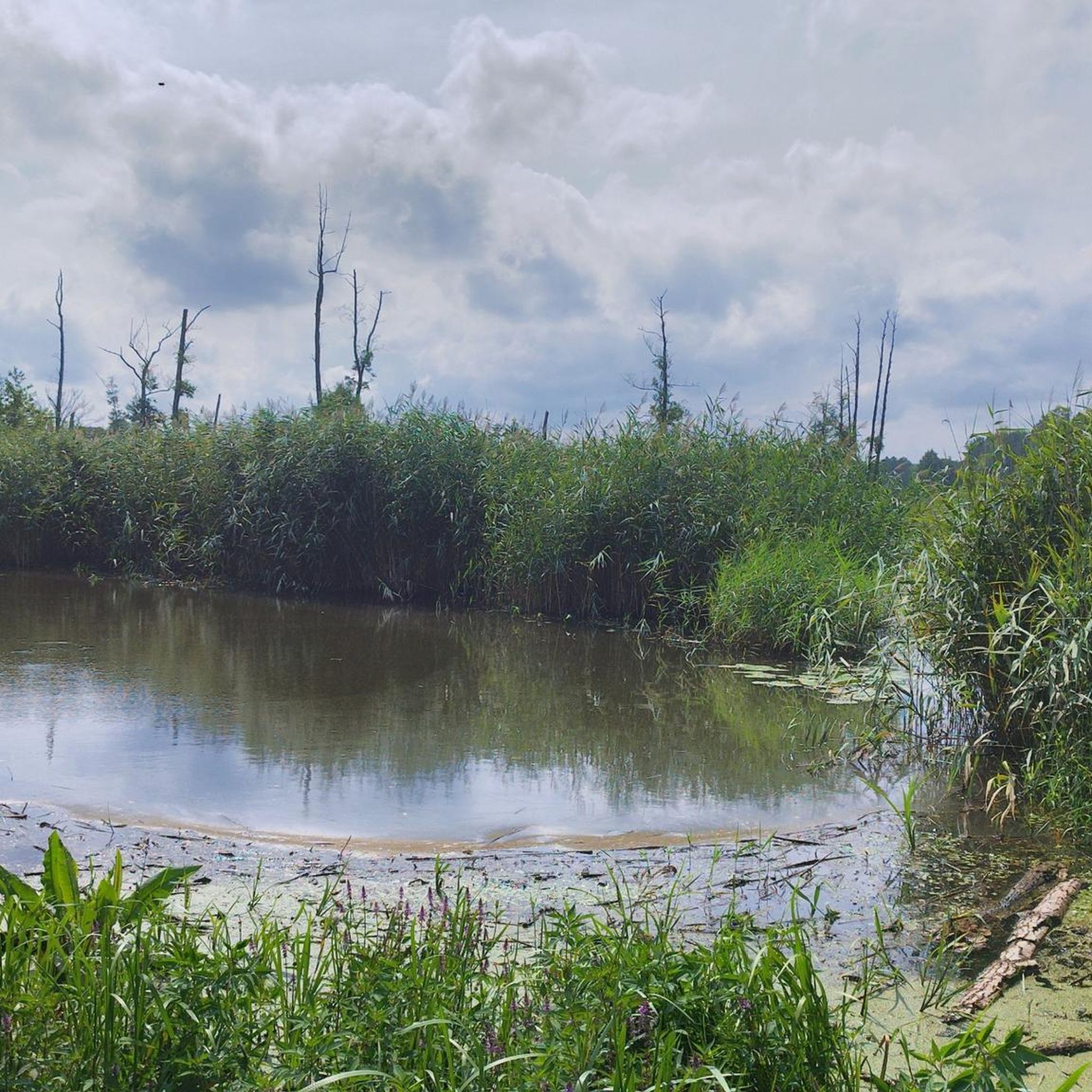
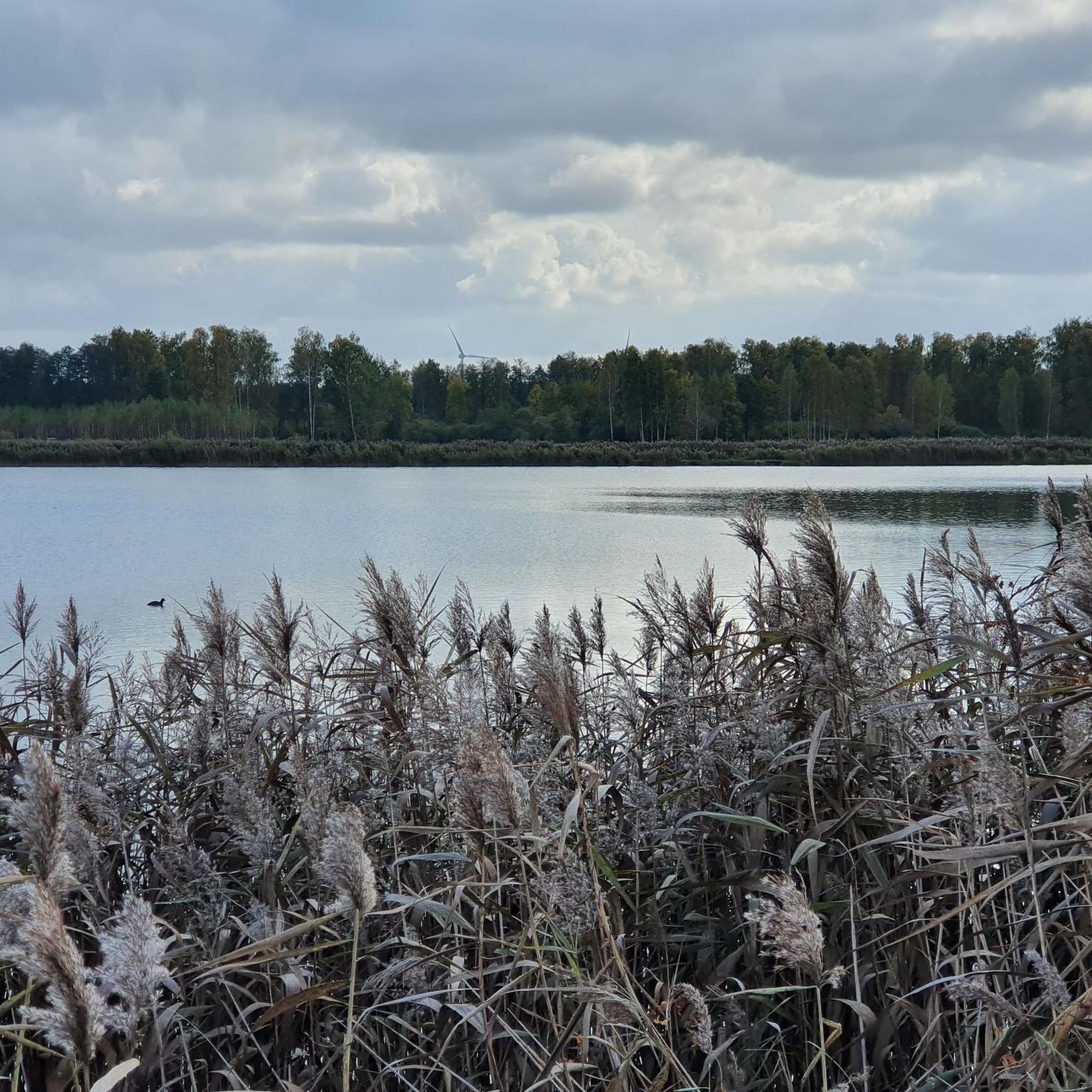
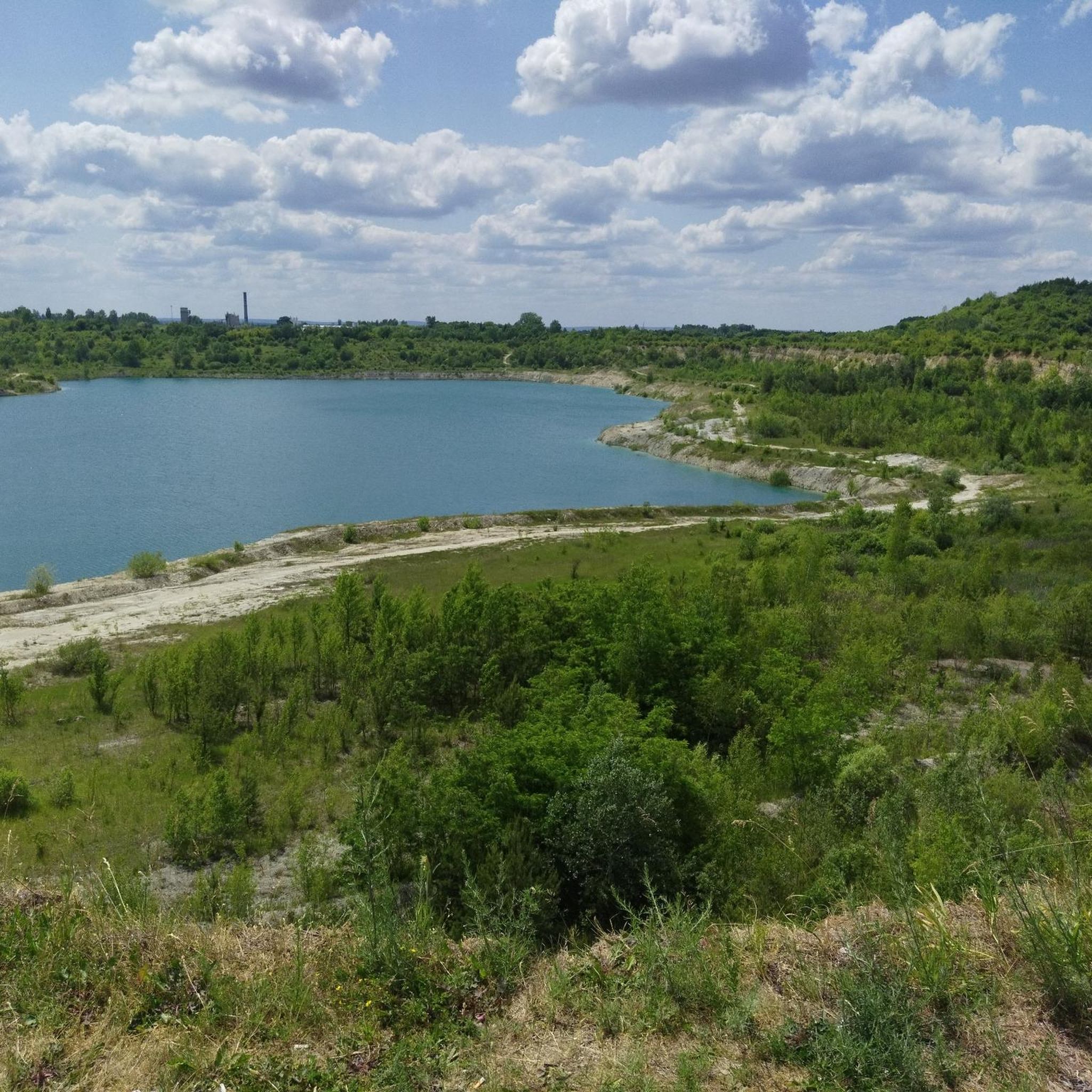
- Visitors also love Godowski Pond, a lake. This natural feature provides a tranquil setting within the Mazowieckie Voivodeship.
- Orońsko is known for its historical buildings, natural landscapes, and cultural institutions. The area offers a variety of attractions, including significant architectural sites, serene ponds, and art-focused parks.
- The attractions around Orońsko are appreciated by the komoot community, with more than 50 upvotes and over 80 photos shared by visitors.
Last updated: July 1, 2026
Wooden Church in Bardzice
Highlight • Religious Site
Translated by Google •
Tip by

Szydłowiec - Castle
Highlight • Castle
pl.wikipedia.org/wiki/Zamek_w_Szyd%C5%82owcu
Translated by Google •
Tip by

Sign up now to discover places like this
Get recommendations on the best single tracks, peaks, & plenty of other exciting outdoor places.
Sign up for free
Godowski Pond
Highlight • Lake
Skaryszew is located in historical Lesser Poland, it was part of the Sandomierz region, and then the Radom region]. The private spiritual town of Skaryszew was located in the second half of the 16th century in the Radom district of the Sandomierz Voivodship. In the years 1975–1998, the city administratively belonged to the Radom Province.
Among the objects of cultural heritage in Skaryszew is the church of St. Jacob. Originally wooden (from the second half of the 12th century), now made of brick, it has a rich interior: sculptures and paintings from the 17th - 18th centuries, stalls, a copy of van Dyck's painting "Naigranie".
Translated by Google •
Tip by

Sculpture Park in Orońsko
Highlight • Monument
Translated by Google •
Tip by

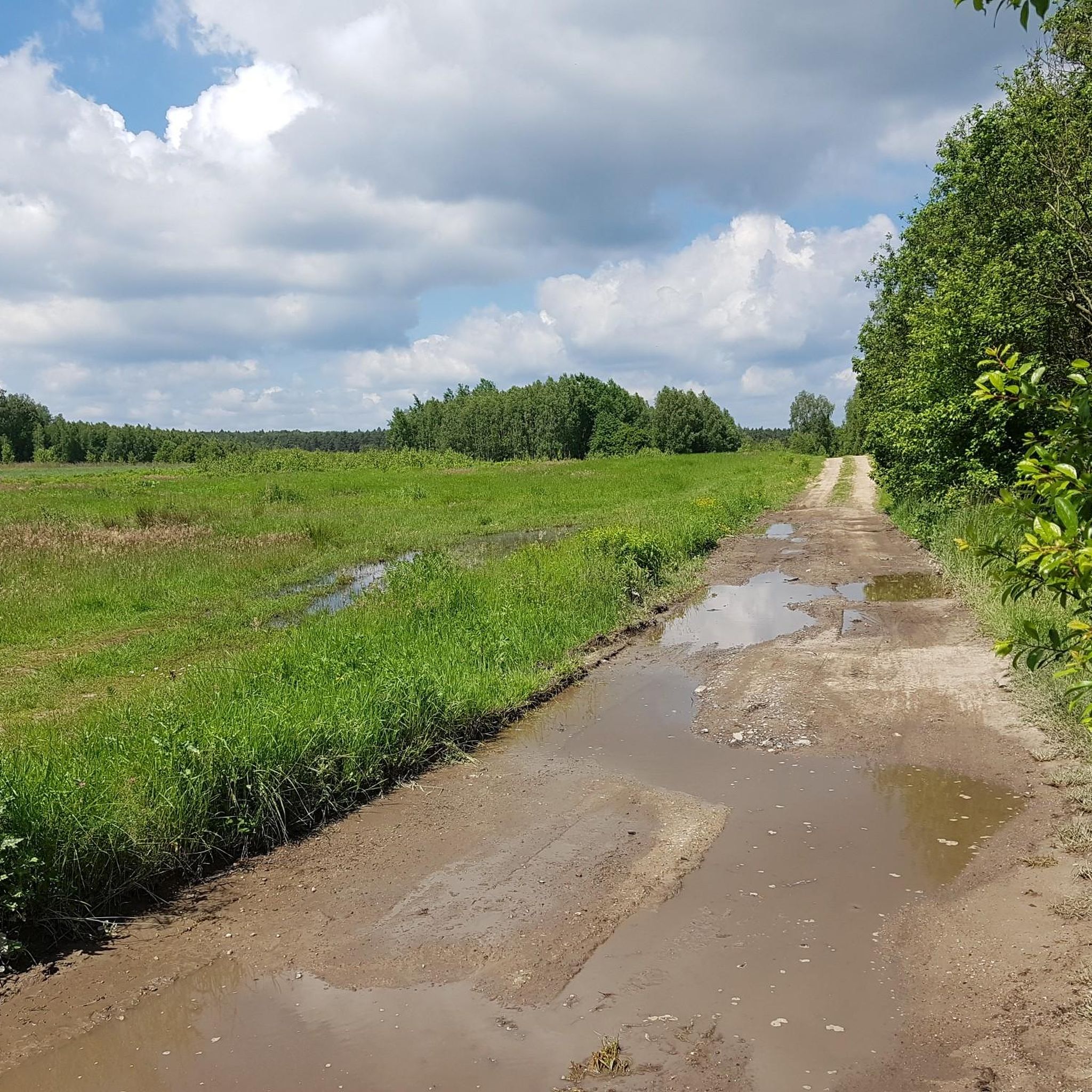
Asphalt Cycling Path Near Skaryszew
Highlight (Segment) • Cycleway
Translated by Google •
Tip by

Sign up for free to discover even more attractions around Orońsko.
Sign up for free
Already have an account?
Start today with a free account
Your next adventure awaits.
Login or Signup
Tips from the Community

The Castle in Szydłowiec, also known as the Castle of the Szydłowiecki and Radziwiłł families, is a historic residence with a rich history. The Castle in Szydłowiec was built between 1470–1480 by Stanisław Szydłowiecki on the site of a former knightly stronghold. Between 1515 and 1526, it underwent a significant reconstruction in the Renaissance style, carried out by Mikołaj Szydłowiecki. The final reconstruction took place between 1619 and 1629, when Albrycht Władysław Radziwiłł added late Renaissance and Baroque elements, giving the castle a unique character. The castle is situated on an artificial island, surrounded by a moat and a beautiful park, known as Radziwiłłowski Park. Its architecture is characterized by the maximum use of natural obstacles, which increased its defensibility. The structure consists of three basement wings with an inner courtyard, and its form is distinguished by a two-story loggia and a gate tower. The Castle in Szydłowiec is one of the most important monuments in the region and is a significant point on Poland's cultural map. Inside, you will find the Museum of Folk Musical Instruments, which presents rich collections and organizes various cultural events. The castle is open for visits, and its surroundings are conducive to walks and relaxation.
0
0


A beautiful wooden church from 1770, hidden among the larches.
2
0

A pleasant, even asphalt bicycle path on the road with nice views, a piece of forest! Good for the return from Skaryszew to Radom.
1
0

The sculptures in the park are interesting and worth seeing. However, watching contemporary art exhibitions is, in my opinion, a waste of time and money.
0
0

The city is located in the southern part of the Mazowieckie Voivodeship, on the Radom Plain, which is part of the South Mazowieckie Hills Skaryszew is located in historical Lesser Poland, it was part of the Sandomierz region, and then the Radom region]. The private spiritual town of Skaryszew was located in the second half of the 16th century in the Radom district of the Sandomierz Voivodship. In the years 1975–1998, the city administratively belonged to the Radom Province. Among the objects of cultural heritage in Skaryszew is the church of St. Jacob. Originally wooden (from the second half of the 12th century), now made of brick, it has a rich interior: sculptures and paintings from the 17th - 18th centuries, stalls, a copy of van Dyck's painting "Naigranie".
0
0

The first services in Bardzice were held at the fire station, which was blessed on August 18, 1940 by Fr. Stefan Świetlicki, parish priest of Skaryszew parish. Then the building was adapted to religious needs thanks to the efforts of Fr. Stefan Popis and served the pastoral care from 1940 until 1956. Then a wooden church from the parish of Białobrzegi Radomskie was transferred from the parish of Białobrzegi Radomskie from the second half of the 18th century. Tomasz Wasik. The parish in Bardzice was established by Bp. Jan Kanty Lorek on 1 January 1943 from the separated territory of the parish of Skaryszew, Kowal, Wierzbica and the parish of Of the Sacred Heart of Jesus in Radom.
3
0

A beautiful renaissance castle situated on an island. In addition to the park, you can visit the interiors and museums located there. https://pl.wikipedia.org/wiki/Zamek_w_Szyd%C5%82owcu
0
0
Frequently Asked Questions
What is the main cultural attraction in Orońsko?
The primary cultural highlight in Orońsko is the Centre of Polish Sculpture. Located within a large, historic park, it features the 19th-century Józef Brandt's Palace, a Museum of Contemporary Sculpture, and an extensive open-air Sculpture Park with works by notable artists. The complex also includes renovated historical buildings used for exhibitions and artistic activities.
What historical sites can I visit around Orońsko?
Beyond the Centre of Polish Sculpture, you can explore the Wooden Church in Bardzice, a historical religious building from 1770 known for its wooden construction and surrounding sculptures. Another significant historical site is the Szydłowiec Town Hall, a beautiful Renaissance building from the 17th century offering panoramic city views from its tower.
Are there natural features or parks to explore in Orońsko?
Yes, the Sculpture Park in Orońsko itself integrates natural beauty with art, spanning over 12 hectares with old trees, picturesque ponds, and the small Oronka River. You can also visit Godowski Pond, a tranquil lake providing a serene natural setting within the Mazowieckie Voivodeship.
What outdoor activities can I do near Orońsko's attractions?
The area around Orońsko offers various outdoor activities. For cycling, you can explore routes like the "Domaniowski Reservoir – Domaniów Reservoir Main Dam loop" or the "Path Around the Lake – Godowski Pond loop." If you prefer running, there are trails such as the "Running loop from Osiedle Wschód." You can find more details and routes on the cycling guide and running trails guide for Orońsko.
Are there family-friendly attractions in the Orońsko area?
Many attractions around Orońsko are considered family-friendly. The Sculpture Park in Orońsko offers an interactive art experience in a natural setting, and the Centre of Polish Sculpture organizes "Orońsko Naturalnie Events" with family picnics and workshops focused on nature. The Wooden Church in Bardzice and Szydłowiec Town Hall are also suitable for families, as is the tranquil Godowski Pond.
How much time should I allocate for visiting the Centre of Polish Sculpture and its park?
To fully appreciate the Centre of Polish Sculpture, including the Józef Brandt's Palace, the Museum of Contemporary Sculpture, and a leisurely stroll through the 12-hectare Sculpture Park, it is recommended to allocate at least 2-4 hours. This allows time to explore the various exhibitions, outdoor sculptures, and natural surroundings.
Is parking available at the main attractions in Orońsko?
Yes, parking is generally available at the main attractions. Specifically, the Sculpture Park in Orońsko, which is part of the Centre of Polish Sculpture, has parking facilities for visitors.
When is the best time to visit Orońsko for outdoor activities and exploring the Sculpture Park?
The best time to visit Orońsko for outdoor activities and exploring the Sculpture Park is typically during the spring, summer, and early autumn months (April to October). The weather is generally pleasant for walking through the park, enjoying the natural features, and participating in outdoor events. Winter can also offer a unique, serene experience, though some outdoor activities might be limited by weather conditions.
Are there any cycling paths near Orońsko?
Yes, there are cycling paths in the vicinity. For example, the Asphalt Cycling Path Near Skaryszew offers a pleasant, even route with nice views, including a section through a forest. You can find more cycling routes, including gravel biking options, in the cycling guide and gravel biking guide for Orońsko.
What kind of art can I expect to see at the Centre of Polish Sculpture?
At the Centre of Polish Sculpture, you can expect to see a wide range of sculptural art. The Sculpture Park features approximately one hundred outdoor sculptures by prominent artists like Magdalena Abakanowicz, Tony Cragg, and Wojciech Fangor, alongside 18th and 19th-century monuments. The Museum of Contemporary Sculpture hosts prestigious exhibitions of leading Polish sculptors, showcasing both historical and contemporary works.
Are there any unique historical buildings within the Centre of Polish Sculpture complex?
Yes, within the complex of the Centre of Polish Sculpture, you'll find several unique historical buildings. These include the 19th-century Neo-Renaissance Józef Brandt's Palace, an Orangery, Chapel, Annex, Coach House, and Granary. Many of these have been renovated and adapted for exhibitions and artistic activities, with the forge from 1900 still operating in its original function.

Get inspired with the komoot mobile app


Explore more
Still not found the Highlight you’re looking for? See guides of the top attractions in other regions:
