Attractions and Places To See around Liw - Top 20
Best attractions and places to see around Liw, located in the Masovian Voivodeship of east-central Poland, offers a blend of historical significance and natural landscapes. The village is primarily recognized for its prominent Liw Castle, a Gothic ducal castle that once guarded the Liwiec River. This area provides insights into Poland's past through its notable landmarks and cultural sites, set within the picturesque Liwiec valley.
Best attractions and places to see around Liw
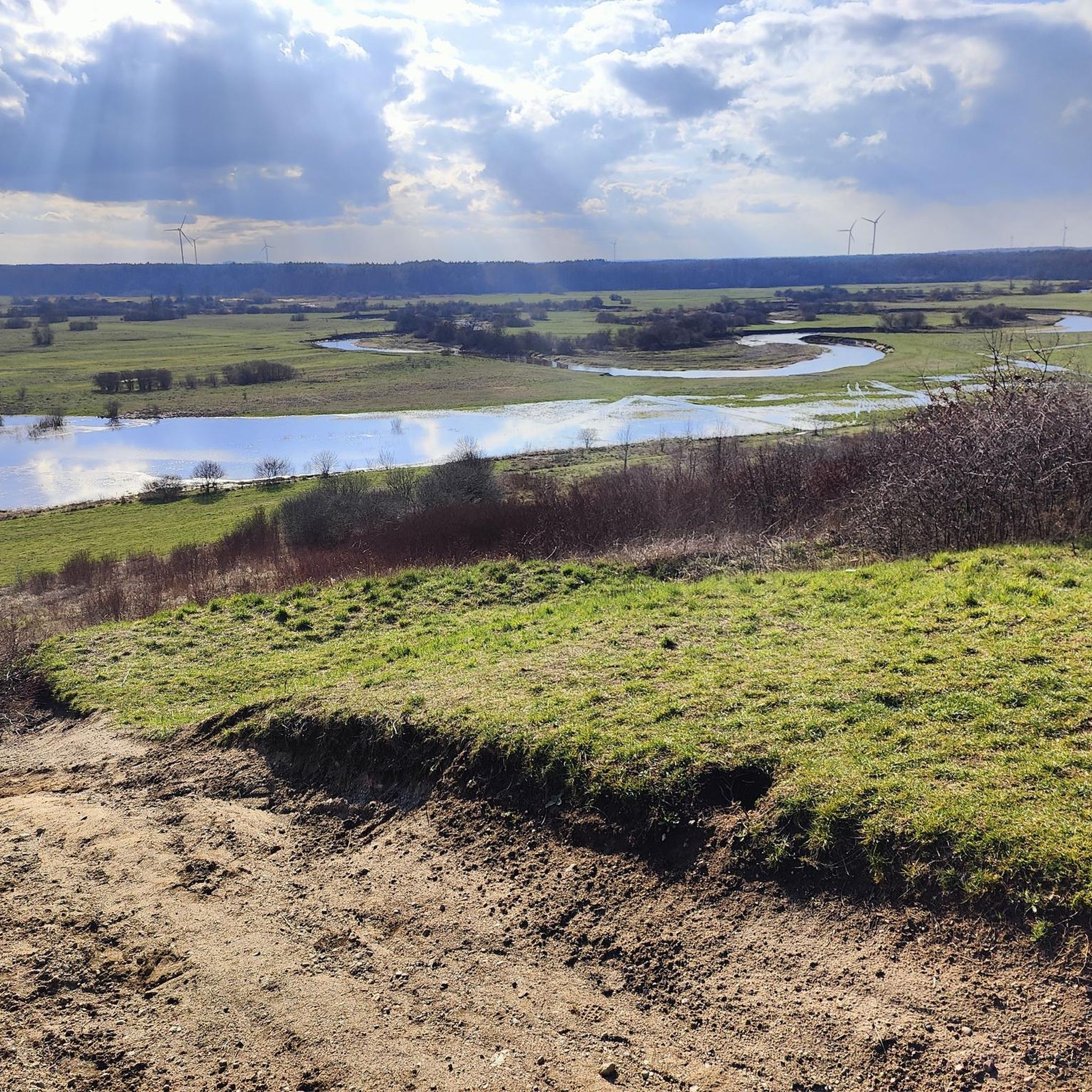
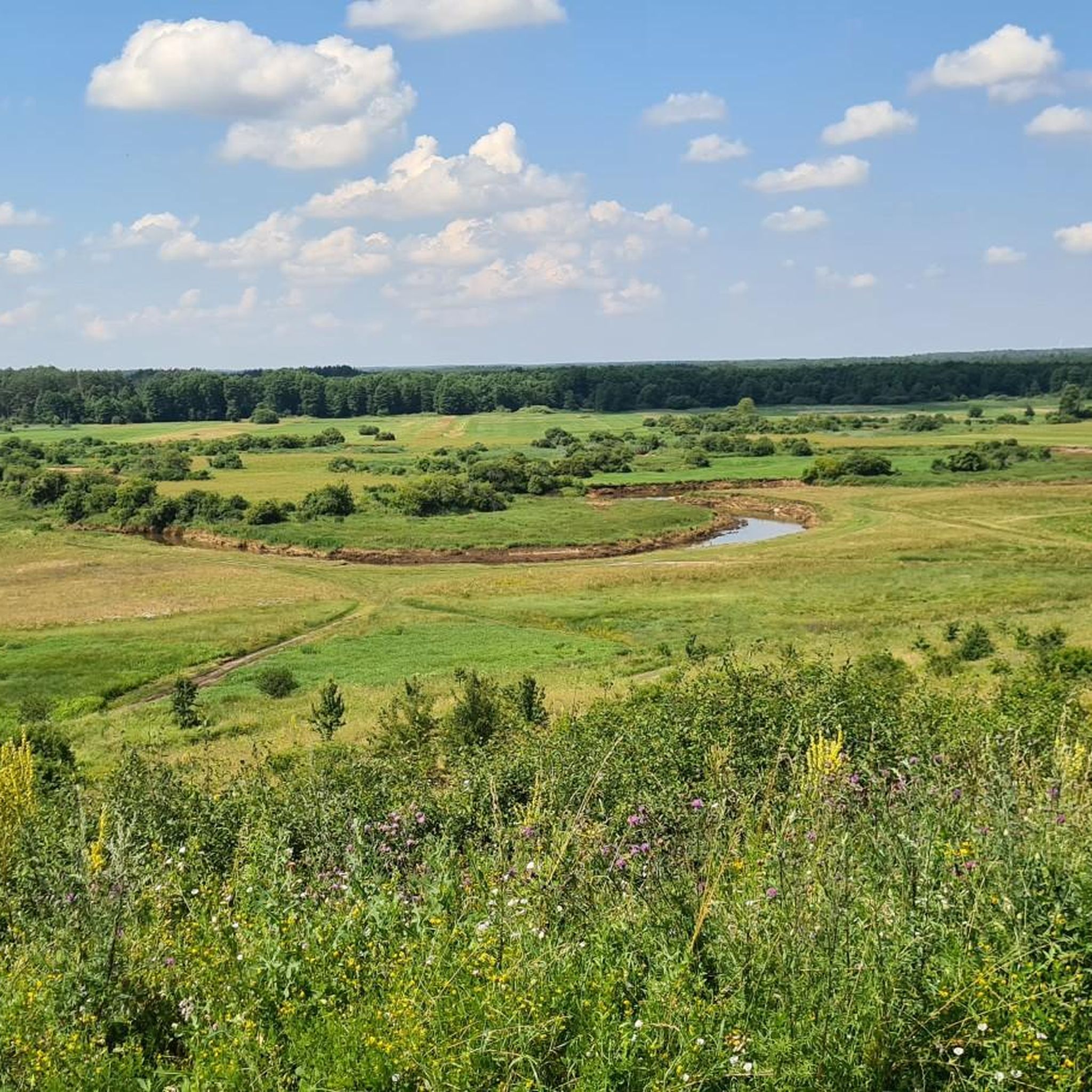
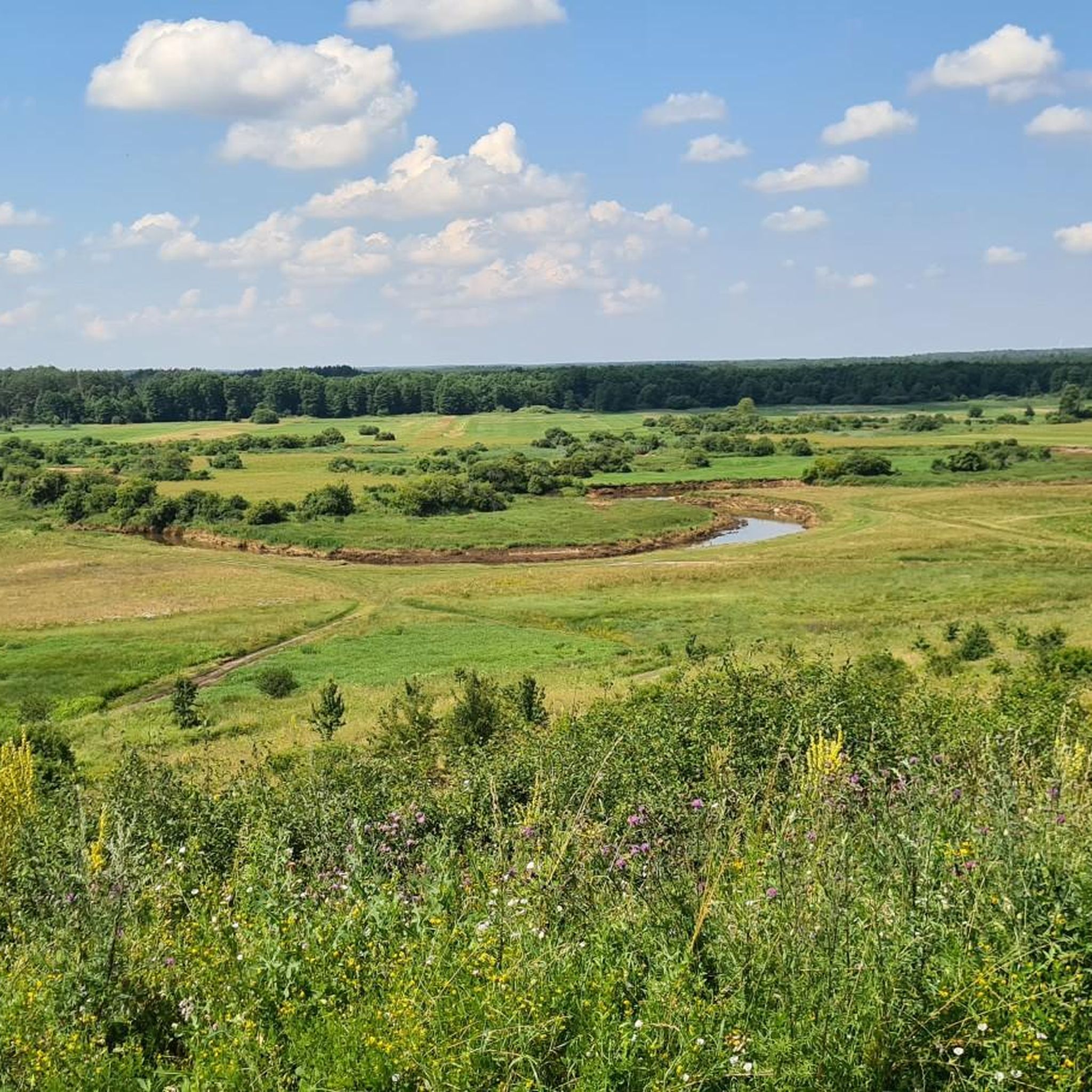
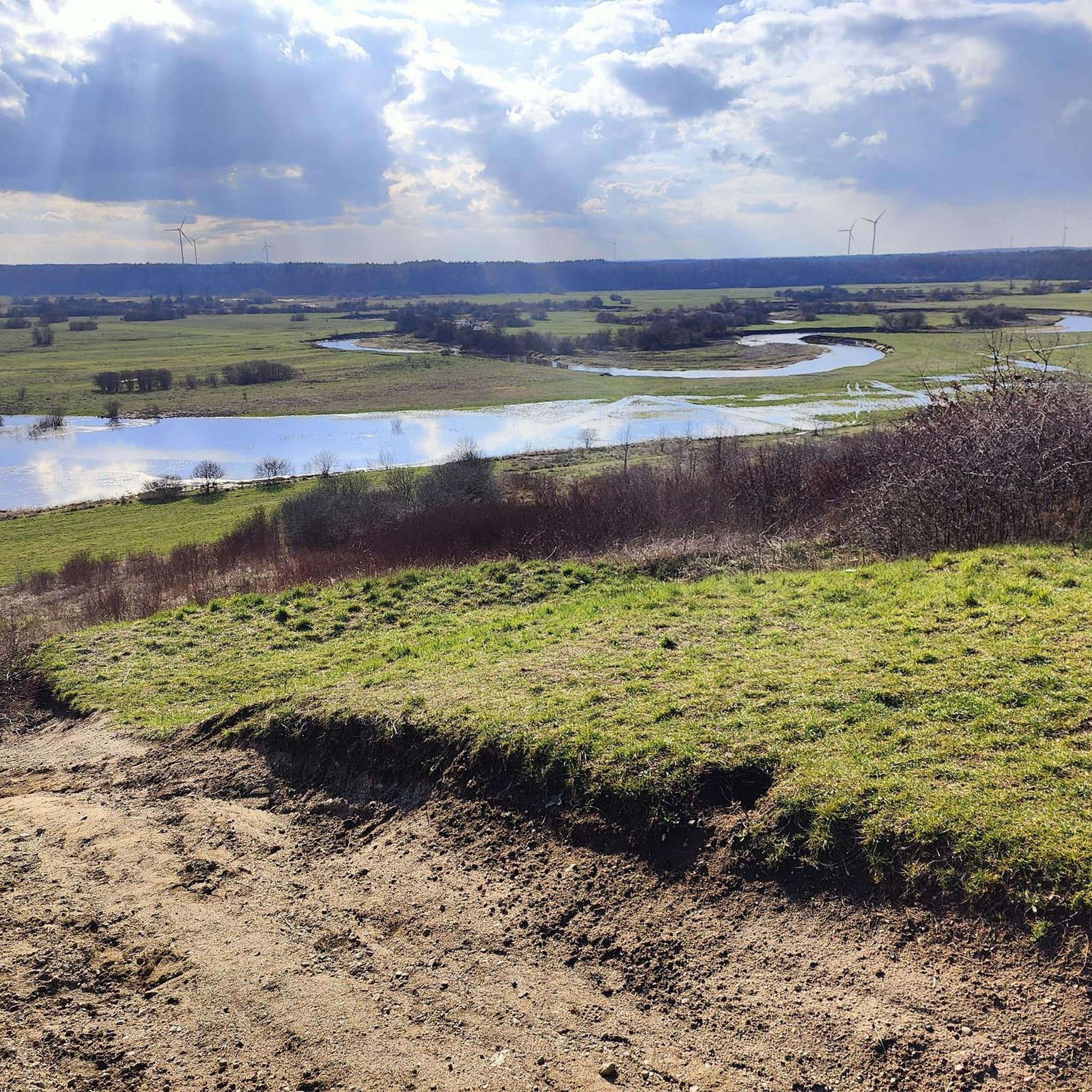
- The most popular attractions is View of the Liwiec Valley from Sowia Góra, a viewpoint that offers an impressive view of the Liwiec valley. This spot also provides information boards about birds inhabiting the area.
- Another must-see spot is Liw Castle and Armory Museum, a castle and historical site. This Gothic ducal castle, partially rebuilt, houses an exhibition of arms and weapons from various times.
- Visitors also love Museum of Wooden Architecture of the Siedlce Region, a historical site featuring a collection of historic wooden buildings. This includes a 1743 larch wood manor house.
- Liw is known for its historical sites, including a significant castle, and natural viewpoints. Visitors can explore historical landmarks, cultural sites, and scenic natural areas.
- The attractions around Liw are appreciated by the komoot community, with 49 upvotes and 77 photos shared by visitors.
Last updated: August 25, 2026
Liw Castle and Armory Museum
Highlight • Castle
Nice views on Liwiec river behind the ruins. An inn across the road serves Polish cuisine.
Tip by

Museum of Wooden Architecture of the Siedlce Region
Highlight • Historical Site
sucha.podlasie.pl/en
Tip by

Sign up now to discover places like this
Get recommendations on the best single tracks, peaks, & plenty of other exciting outdoor places.
Sign up for free
Moczydło Nature Reserve Trail
Highlight • Trail
Translated by Google •
Tip by

Basilica of the Assumption of the Blessed Virgin Mary in Węgrów
Highlight • Religious Site
Translated by Google •
Tip by

Starej Wsi Palace Complex
Highlight • Historical Site
The palace was renovated and modernized several times. A major reconstruction was carried out in the years 1655-61 thanks to the efforts of Prince Bogusław Radziwiłł. Two towers were added in the front corners, covered with spherical cupolas, and the roof was covered with tiles. The interior layout and arrangement have not changed. The inventory prepared during the reconstruction in 1659 by Władysław Starzyński and Jan Pękalski shows that the palace was equipped at that time, among others. in a triple fortification system, a double palisade and a moat. Thanks to these fortifications, it survived the Swedish wars unscathed.
Translated by Google •
Tip by

Sign up for free to discover even more attractions around Liw.
Sign up for free
Already have an account?
Start today with a free account
Your next adventure awaits.
Login or Signup
Tips from the Community

A faunal nature reserve established in the Stoczek commune, Stoczek forest district, Łochów forest district.
1
0
The tower (pulpit) in the Moczydło Reserve and the view from it
1
0
entrance from the other side to the reserve. This is a fauna reserve established in 1991 on an area of 58.08 ha in the Stoczek Forest District. The subject of protection is a forest lake with the surrounding peat bogs and tree stands that together create breeding sites for rare species of birds and amphibians. Over 60 species of breeding birds have been recorded here, including the little grebe, mallard, tufted duck and common teal, moorhen, marsh harrier and solitary sandpiper, and nearly 20 migratory birds, including the crane, garganey, common tern and black-headed gull. Species associated with the surrounding forests include the hawk, buzzard, raven and turtle dove, as well as several species of woodpeckers, warblers and flycatchers. The amphibian class is represented by the water frog and the grey and green toad. The most interesting protected plants found in the reserve include: white water lily, broad-leaved astragalus, marsh marigold and daphne mezereum.
1
0
A brilliant piece of gravel, perfect for gravel riding
1
0
In the Węgrów Market Square by the Municipal Public Library, a bench was placed on which Master Jan Twardowski sits holding a magic mirror, there is also an open book in which a text in Polish and English is written translating the Latin inscription on the mirror frame: "Twardowski played with this mirror, performing magic arts, now he is destined to serve God". The bench was made from a cast by the Kruszewski Brothers Bell Foundry in Węgrów. It refers to the legends of the famous Master Twardowski and the Twardowski Mirror, which is located in the Minor Basilica in Węgrów. The mirror was donated to the Węgrów church in the 18th century by the founder of the church, Jan Dobrogost Krasiński.
1
0
Basilica of the Assumption of the Blessed Virgin Mary and Saints Peter, Paul, Andrew and Catherine in Węgrów – parish and collegiate church in Węgrów. Minor basilica since 1997.
1
0
They are constantly stunning. The better the lighting, the better they look.
0
0

a large part of the castle is accessible without tickets
1
0
Frequently Asked Questions
What are the main historical attractions in Liw?
The primary historical attraction is the Liw Castle and Armory Museum. This Gothic ducal castle, originally from the 15th century, served as a crucial stronghold. Today, it houses an exhibition of arms and weapons and hosts historical festivals. You can also see the Neo-Gothic Church in the village, built between 1905 and 1907.
What can I expect to see at the Liw Castle and Armory Museum?
At the Liw Castle and Armory Museum, you'll find the partially rebuilt ruins of a Gothic brick castle and a baroque manor house. It features a collection of cold weapons and firearms from various periods. The castle grounds also host historical festivals and concerts. Visitors often hear tales of the 'Yellow Lady,' a ghost said to roam the castle walls.
Are there any natural viewpoints or scenic spots in the Liw area?
Yes, the View of the Liwiec Valley from Sowia Góra offers an impressive panorama of the Liwiec valley. This spot also provides information boards about the birds inhabiting the area, making it a great place to relax and observe nature.
What is the Museum of Wooden Architecture of the Siedlce Region?
The Museum of Wooden Architecture of the Siedlce Region is a historical site featuring a collection of historic wooden buildings. It includes a notable 1743 larch wood manor house, offering a glimpse into traditional regional architecture.
What is the significance of the Basilica in Węgrów?
The Basilica of the Assumption of the Blessed Virgin Mary in Węgrów is a historic church from the 16th century. It is famous for housing the 'Twardowski Mirror,' which, according to legend, the devil appeared in. A bench outside features Master Jan Twardowski and a replica of the mirror, referencing this local folklore.
Are there family-friendly attractions around Liw?
Many attractions in the Liw area are suitable for families. The Liw Castle and Armory Museum offers historical insights and events. The View of the Liwiec Valley from Sowia Góra is a pleasant spot for all ages, and the Museum of Wooden Architecture of the Siedlce Region provides an educational experience.
What outdoor activities can I do near Liw?
The Liw area, with its scenic Liwiec River valley, is great for outdoor activities. You can explore various routes for running, road cycling, and general cycling. For example, there are running loops from Węgrów and Ruchenka, and cycling routes like the 'Węgrów Reservoir – Campsite at Liw Castle loop'. You can find more details on these activities in the Running Trails around Liw, Road Cycling Routes around Liw, and Cycling around Liw guides.
Are there any notable religious buildings to visit?
Beyond the Basilica in Węgrów, you can visit the Church of the Exaltation of the Holy Cross. This brick parish church, built in 1788, features a Baroque-Neoclassical style and has an interesting interior.
What do visitors enjoy most about the attractions around Liw?
Visitors particularly enjoy the blend of historical significance and natural beauty. The impressive views of the Liwiec valley from Sowia Góra are highly appreciated, as is the historical depth offered by the Liw Castle. The unique collection of wooden architecture also draws interest, providing a diverse experience for those exploring the region.
Is Liw Castle accessible for visitors?
The Liw Castle and Armory Museum is a historical site, and while parts of the grounds and museum may be accessible, it's advisable to check their official website for specific accessibility information regarding the ruins and exhibition spaces. You can find more details at liw-zamek.pl.
What is the best time to visit Liw?
The best time to visit Liw generally depends on your preferred activities. Spring and summer offer pleasant weather for exploring the outdoor natural features like the Liwiec Valley and participating in cycling or running routes. Historical festivals at Liw Castle often take place during warmer months. Autumn can also be beautiful with changing foliage. Winter activities are less prominent, but the historical sites remain open.
Where is Liw located?
Liw is a village situated in the Masovian Voivodeship, in east-central Poland. It is primarily known for its historical significance, particularly its castle, and its location along the Liwiec River.
Most popular routes around Liw
Most popular attractions around Liw

Get inspired with the komoot mobile app


Explore more
Still not found the Highlight you’re looking for? See guides of the top attractions in other regions:
