Attractions and Places To See around gmina Stoczek - Top 20
Best attractions and places to see around gmina Stoczek include a blend of historical landmarks, natural features, and cultural sites. Located in the Masovian Voivodeship in east-central Poland, the municipality is characterized by its rural landscape, agricultural land, and forests. Visitors can explore a variety of sites, from 19th-century palaces to nature reserves and religious buildings. The area offers opportunities to engage with both its historical heritage and natural environment.
Best attractions and places to see around gmina Stoczek
- The…
Last updated: July 1, 2026
Church of Divine Mercy
Highlight • Religious Site
Tip by

Łochów Palace
Highlight • Historical Site
Translated by Google •
Tip by

Sign up now to discover places like this
Get recommendations on the best single tracks, peaks, & plenty of other exciting outdoor places.
Sign up for free
Oxbow Lake of the Bug River
Highlight • Lake
Translated by Google •
Tip by

Church of the Immaculate Conception of the Blessed Virgin Mary in Kamionna
Highlight • Religious Site
I managed to find a sexton who opened the entrance for …
Translated by Google •
Tip by
Smooth Asphalt Road Along the Bug River
Highlight (Segment) • Cycleway
Translated by Google •
Tip by

Sign up for free to discover even more attractions around gmina Stoczek.
Sign up for free
Already have an account?
Start today with a free account
Your next adventure awaits.
Login or Signup

Tips from the Community

In Szynkarzyzna, 2 small mongrels are running loose, you have to push a bit.
0
0

The temple was built in 1932 in the village of Wólka Dobryńska, in the Zalesie commune, in the Biała Podlaska district. It was originally named after St. Stanislaus Kostka. The church was built thanks to the efforts of Father Franciszek Michalik. It was designed by the architect Mr. Mazur. The builders of the temple were carpenters Józef Kozerski, Antoni Lewczuk, Wiktor and Antoni Arseniuków, Julian Romaniuk. In 2009, the building was moved by the Arche SA company to its current location. Thanks to the support of the president of this company, Władysław Grochowski, the church was restored. On May 13, 2010, on the Sunday of the Ascension of the Lord, the then bishop of Drohiczyn Antoni Dydycz consecrated the temple, giving it the name of Divine Mercy. During this ceremony, a plaque commemorating the founder was placed in the church.
0
0

The palace and park complex is a 19th-century building commissioned by Count Józef Hornowski. Originally, it was a single-storey building with a columned portico, the construction of which was completed in 1830. During the later expansion, carried out in the years 1852-1854 according to the design and under the supervision of the leading architect of the era, Bolesław Paweł Podczaszyński, two-storey projections and a front portico with cast iron columns were made. The interiors were maintained in the neo-Gothic style typical of the 19th century. https://www.palacifolwarklochow.pl/o-nas/historia-palacu-z-xix Currently a hotel with beautiful grounds!
1
0

19th century manor house, currently a hotel facility with SPA and restaurant. Large recreational area around the manor house.
1
0

here is a historical note: https://www.polskiezabytki.pl/m/obiekt/3478/Lochow/
0
0

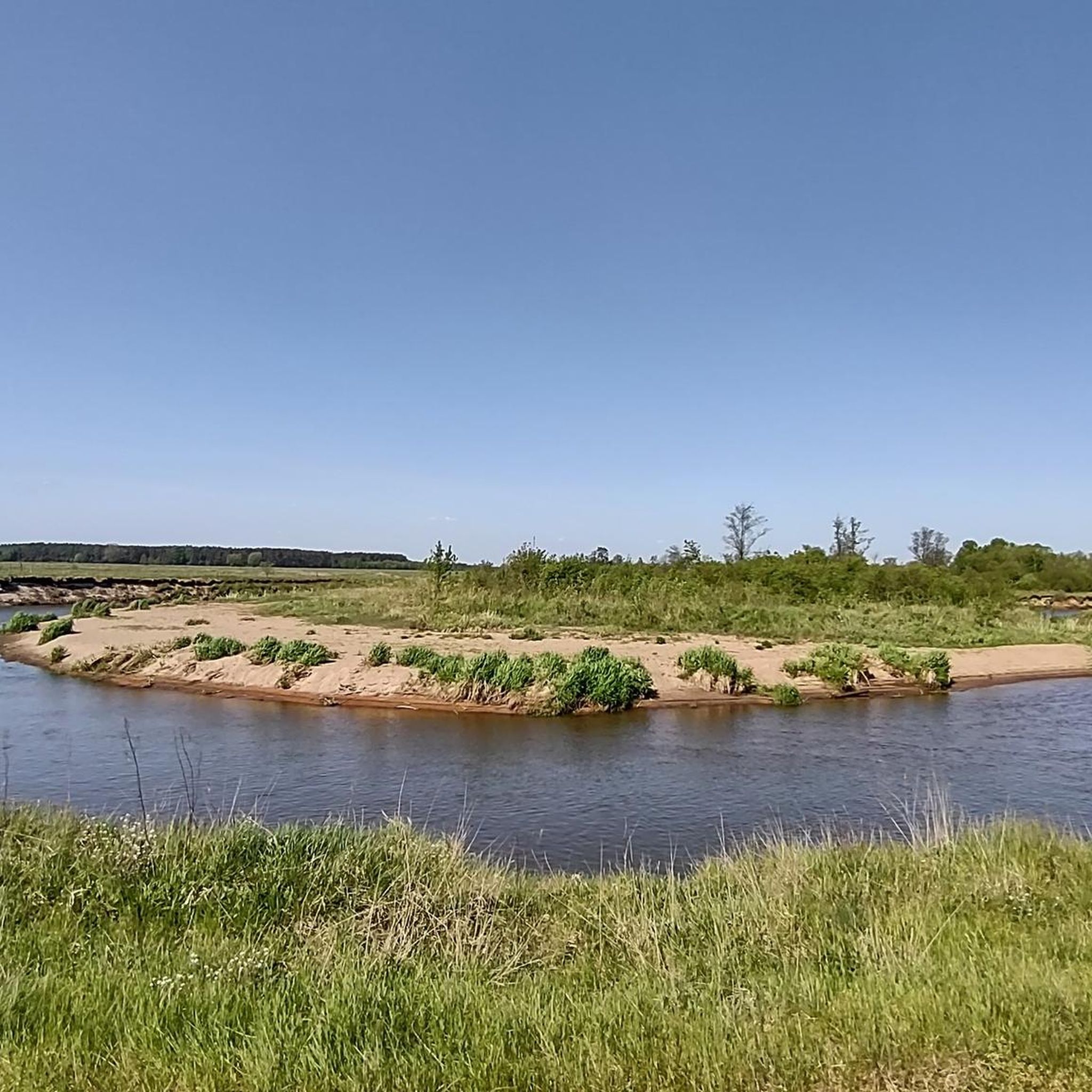
In addition to the fishing grounds near Szumin, Wywłóka is a mecca for Mazovian anglers from the surrounding area. From the stories of anglers we have met, pike, zander, asp and perch are the most desirable fish in these fishing grounds (although of course these are not the only fish that can be found there). But fish are a magnet, not only for anglers who fish for them here at different times of the year, also in winter, from under the ice. There are many more people willing to fish in this fish kingdom, in the form of numerous species of waterfowl, including such ornithological rarities as corncrakes, curlews, black-tailed godwits and sandpipers. In the vicinity of Szumin and Wywłóka, one can observe almost exemplary effects of the meandering of the Bug, which leaves behind old branches and small "lakes". These areas are subject to flooding in spring; backwaters are created that facilitate the movement of fish. That is why it is here, on the "bużyska", as the old riverbeds of the Bug are called, that you can observe many anglers trying to catch the golden crucian carp, which they call the "Japanese carp", or the tench, which likes to hide in the mud, in small, often overgrown reservoirs.
0
0

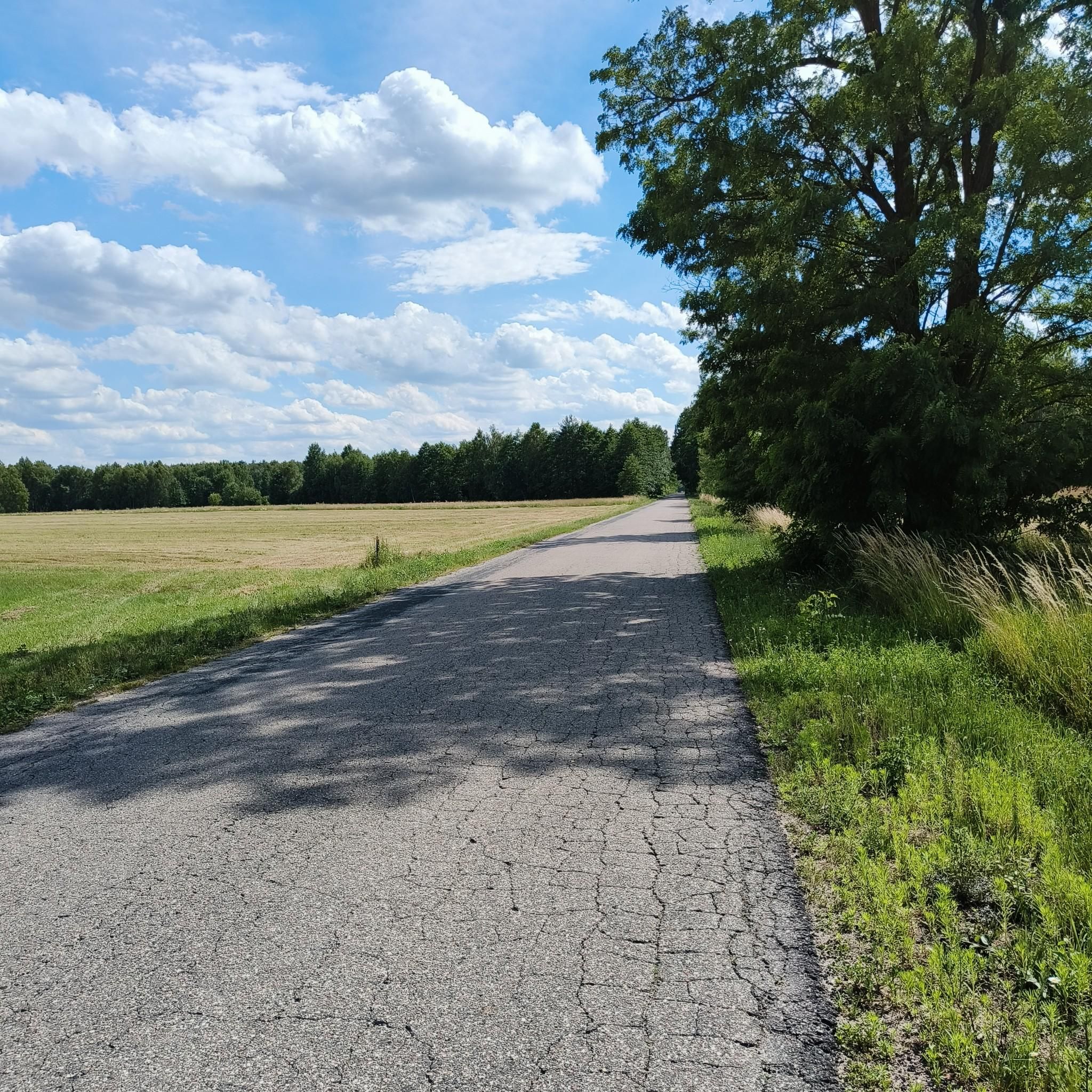
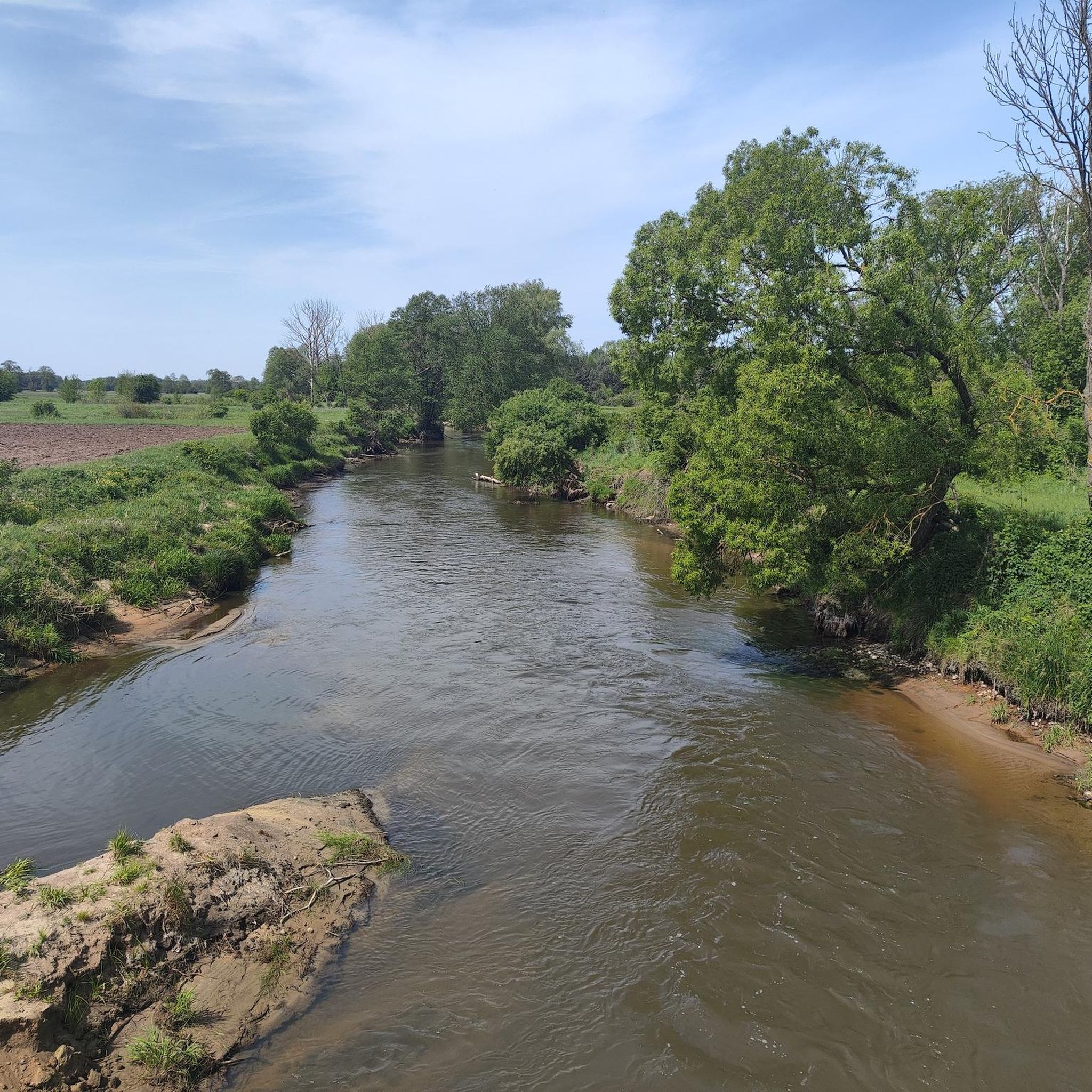
Quite nice, just before the floodgate lock, but a longer stop - better to do it behind the floodgate, already on the Bug River
0
0
Frequently Asked Questions
What historical landmarks can I visit in gmina Stoczek?
Gmina Stoczek offers several historical landmarks. You can explore the 19th-century Łochów Palace, which now operates as a hotel with a spa and restaurant. Another significant site is the Starej Wsi Palace Complex, a historical residence dating back to 1619 with defensive features like a moat. Don't miss the Monument to the Battle of Stoczek, commemorating the 1831 battle, and the POW Cross Monument, honoring Polish Military Organization fighters.
Are there any significant religious sites to see in the area?
Yes, gmina Stoczek is home to notable religious buildings. The Church of Divine Mercy is a 19th-century wooden church that was moved and restored in 2009. You can also visit the Church of the Most Holy Trinity and Saint Anne in Prostynia, which is famous for housing a sculpture of the Holy Trinity by Wit Stwosz.
Where can I experience nature and wildlife in gmina Stoczek?
For nature enthusiasts, gmina Stoczek boasts several natural attractions. The Jata Nature Reserve protects a multi-species natural forest with fir trees and offers educational paths. Within the Moczydło nature reserve, you can find the Moczydło Viewing Tower, an excellent spot for observing black storks. The Oxbow Lake of the Bug River is a beautiful natural monument, and parts of the municipality are within the Nadbużański Landscape Park and Natura 2000 areas, crucial for protecting valuable species and habitats.
What kind of outdoor activities can I do near these attractions?
Gmina Stoczek offers various outdoor activities, especially hiking and cycling. You can find easy hiking trails like the 'Educational trail "Torfowisko Kules"' or explore longer routes such as the 'Czaplowizna Forest – Bridge on the Dzięciołek loop from Topór'. For cyclists, there are routes like the 'Wyniocha Swimming Area – Church of Divine Mercy loop from Sadowne Węgrowskie'. You can find more details on these activities in the hiking guide and cycling guide for gmina Stoczek.
Are there family-friendly attractions in gmina Stoczek?
Many attractions in gmina Stoczek are suitable for families. Historical sites like Łochów Palace and the Starej Wsi Palace Complex offer large recreational areas for exploration. The Jata Nature Reserve features short educational paths specifically designed for children. Additionally, the village pond in Stoczek is being developed with a playground and outdoor gym, providing more recreational options for families.
What are some unique cultural or historical insights specific to gmina Stoczek?
Gmina Stoczek holds unique cultural and historical insights. You can visit the Wioska Indiańska "Fort Hantajo" in Borzychy, an 'Indian Village' and museum offering a themed exhibition. The area also has poignant memorials, such as the Stoczek Jewish Ghetto Memorials, commemorating the ghetto's liquidation in 1942. The glass shards in Huta Gruszczyno are the only remaining evidence of the 19th-century Golicynów Glassworks, destroyed during WWII.
Can I find easy walking trails in gmina Stoczek?
Yes, gmina Stoczek offers several easy walking trails. For example, the 'Educational trail "Torfowisko Kules"' is an easy loop from Sadownych Węgrowskich, just over 3 km long. There are also easy hiking loops from Poniatowo and Sadyba. These trails are perfect for a relaxed stroll to enjoy the rural landscape. More options can be found in the easy hikes guide.
What is the best time of year to visit gmina Stoczek for outdoor activities?
The best time to visit gmina Stoczek for outdoor activities is generally during the spring (April-June) and autumn (September-October) months. During these periods, the weather is typically mild and pleasant for hiking, cycling, and exploring nature reserves. Summer (July-August) is also popular, though it can be warmer. Winter offers a different charm, but some outdoor activities might be limited by snow and colder temperatures.
Are there any places to observe birds or other wildlife?
Yes, gmina Stoczek is a good location for wildlife spotting, especially birds. The Moczydło Viewing Tower within the Moczydło nature reserve is specifically designed for observing black storks. The Oxbow Lake of the Bug River and surrounding areas are known for numerous species of waterfowl, including ornithological rarities like corncrakes, curlews, black-tailed godwits, and sandpipers.
What do visitors enjoy most about the attractions in gmina Stoczek?
Visitors particularly appreciate the blend of historical charm and natural beauty in gmina Stoczek. The Łochów Palace is often praised for its beautifully restored grounds, perfect for a walk. The Church of Divine Mercy and the Church of the Most Holy Trinity and Saint Anne are admired for their architectural and artistic significance. The natural areas, like the Oxbow Lake of the Bug River, are valued for their serene landscapes and opportunities for fishing and birdwatching.
Are there any historical war memorials or cemeteries in the region?
Yes, gmina Stoczek has several significant war memorials. The Monument to the Battle of Stoczek commemorates a key event from 1831. Additionally, the War Graves in Jedlanka Parish Cemetery contain mass graves from both World War I (Russian and Austro-Hungarian soldiers) and World War II (unknown soldiers from September 1939). The Stoczek Jewish Ghetto Memorials also serve as a poignant reminder of the area's WWII history.
Can I find places to relax and have a picnic during my visit?
Yes, you can find spots to relax and enjoy a picnic. The Jata Nature Reserve includes a rest area with sheltered tables and a fire pit, along with a small water reservoir. The large recreational area around Łochów Palace also provides pleasant surroundings for a leisurely break. The village pond in Stoczek is being developed with a recreational gazebo, which will offer another option for relaxation.
Most popular attractions around gmina Stoczek

Get inspired with the komoot mobile app


Explore more
Still not found the Highlight you’re looking for? See guides of the top attractions in other regions:
