Attractions and Places To See around Węgrów - Top 14
Attractions and places to see around Węgrów, a historic town in eastern Mazovian Province, Poland, offer a blend of cultural sites and natural landscapes. The region is characterized by its picturesque Liwiec River Valley and notable historical landmarks. Visitors can explore ancient castles, baroque churches, and significant natural features like Sowia Góra. Węgrów provides opportunities for both historical exploration and outdoor activities.
Best attractions and places to see around Węgrów
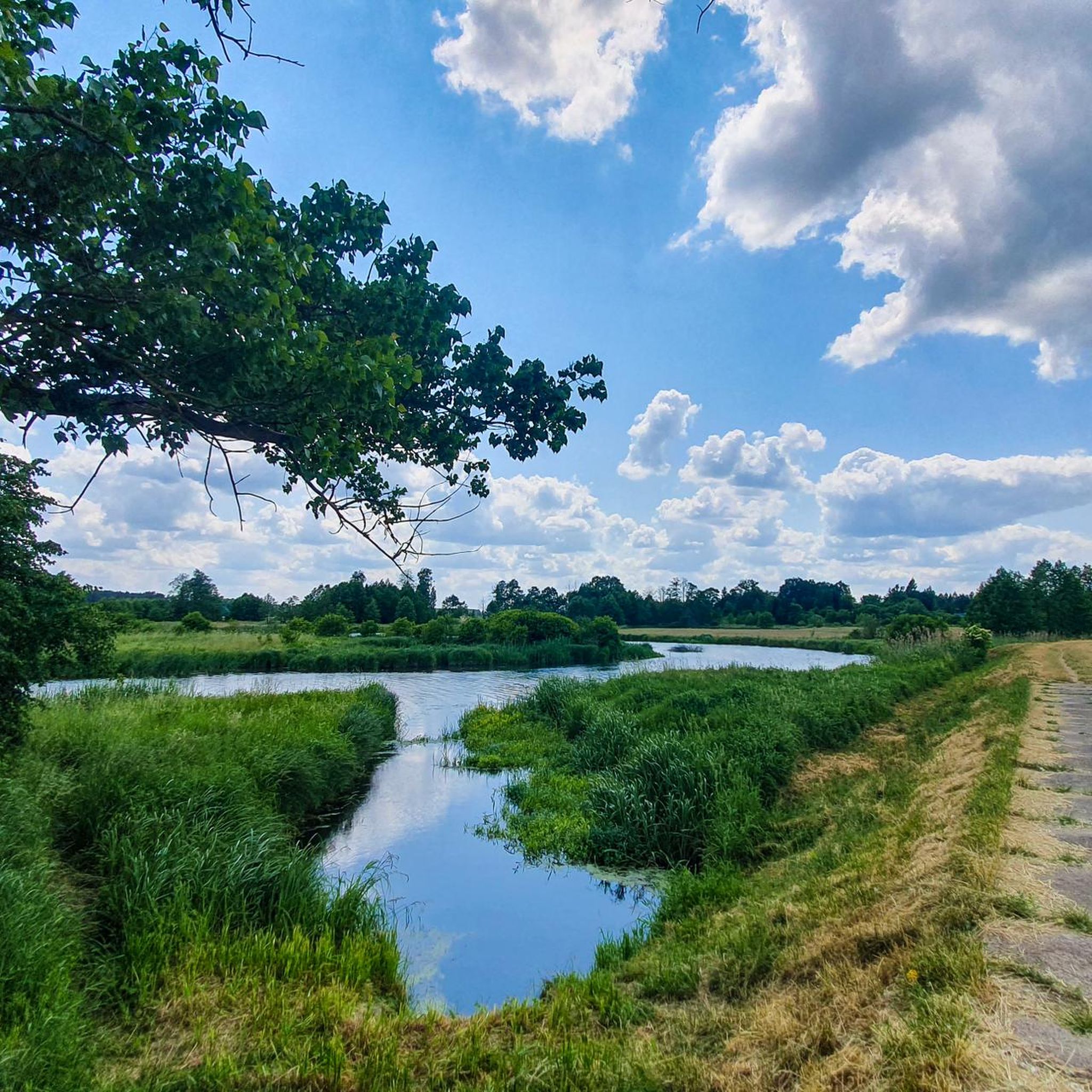
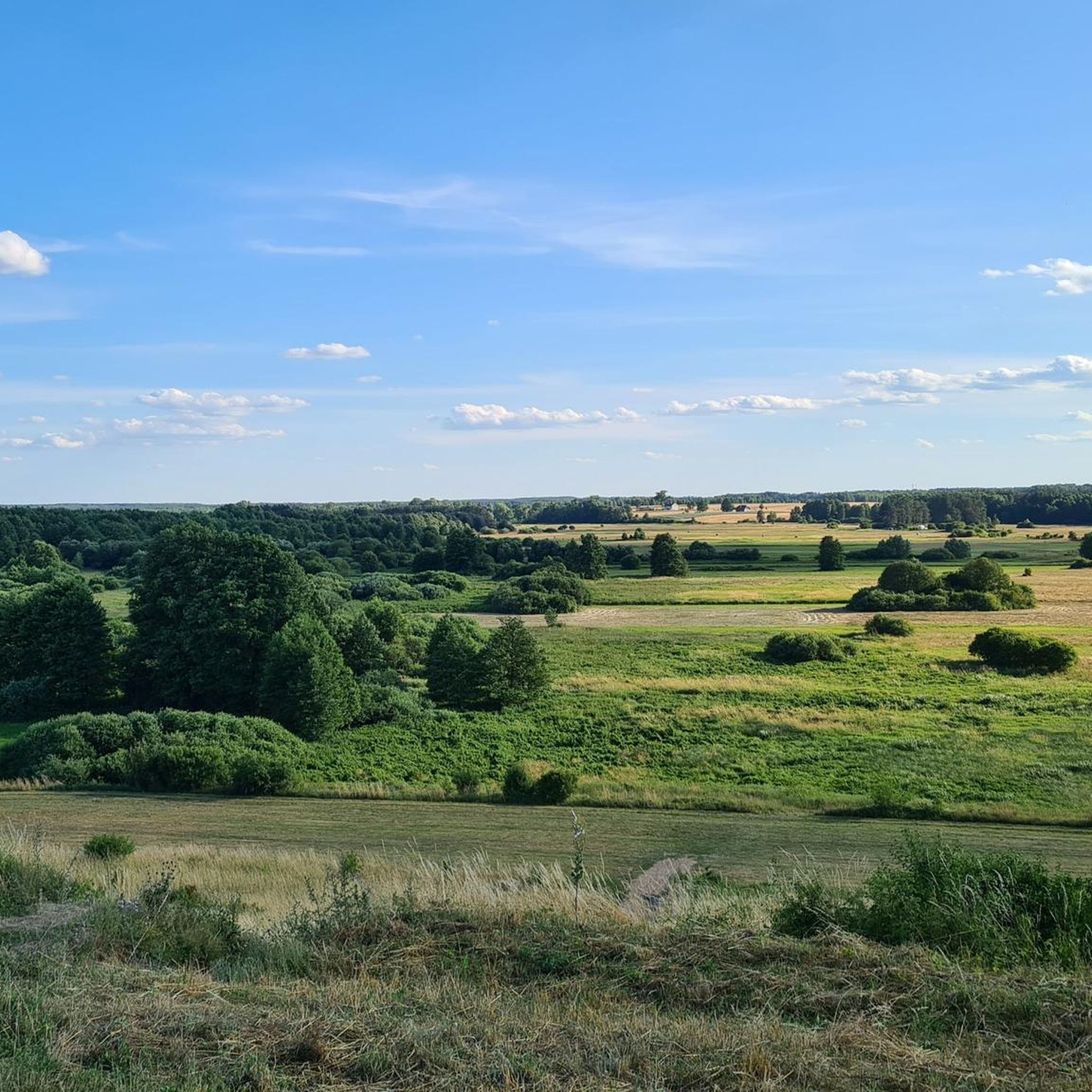
- The most popular attractions is View of the Liwiec Valley from Sowia Góra, a viewpoint that offers impressive vistas of the Liwiec valley. This location also provides information boards about local bird species.
- Another must-see spot is Liw Castle and Armory Museum, a castle featuring the ruins of a 15th-century Gothic brick castle and an 18th-century Baroque manor house. It currently hosts an exhibition of arms and weapons from various periods.
- Visitors also love Basilica of the Assumption of the Blessed Virgin Mary in Węgrów, a historic religious building from the 16th century. The basilica is known for its baroque decor and the legendary Twardowski Mirror.
- Węgrów is known for its historical sites, religious buildings, and natural viewpoints. The area offers a variety of attractions to see and explore, from ancient architecture to scenic river valleys.
- The attractions around Węgrów are appreciated by the komoot community, with more than 49 upvotes and 77 photos shared.
Last updated: August 25, 2026
Liw Castle and Armory Museum
Highlight • Castle
Nice views on Liwiec river behind the ruins. An inn across the road serves Polish cuisine.
Tip by

Moczydło Nature Reserve Trail
Highlight • Trail
Translated by Google •
Tip by

Sign up now to discover places like this
Get recommendations on the best single tracks, peaks, & plenty of other exciting outdoor places.
Sign up for free
Basilica of the Assumption of the Blessed Virgin Mary in Węgrów
Highlight • Religious Site
Translated by Google •
Tip by

Starej Wsi Palace Complex
Highlight • Historical Site
The palace was renovated and modernized several times. A major reconstruction was carried out in the years 1655-61 thanks to the efforts of Prince Bogusław Radziwiłł. Two towers were added in the front corners, covered with spherical cupolas, and the roof was covered with tiles. The interior layout and arrangement have not changed. The inventory prepared during the reconstruction in 1659 by Władysław Starzyński and Jan Pękalski shows that the palace was equipped at that time, among others. in a triple fortification system, a double palisade and a moat. Thanks to these fortifications, it survived the Swedish wars unscathed.
Translated by Google •
Tip by

Church of the Exaltation of the Holy Cross
Highlight • Religious Site
Tip by
Sign up for free to discover even more attractions around Węgrów.
Sign up for free
Already have an account?
Start today with a free account
Your next adventure awaits.
Login or Signup
Popular around Węgrów
Tips from the Community

A faunal nature reserve established in the Stoczek commune, Stoczek forest district, Łochów forest district.
1
0
The tower (pulpit) in the Moczydło Reserve and the view from it
1
0
entrance from the other side to the reserve. This is a fauna reserve established in 1991 on an area of 58.08 ha in the Stoczek Forest District. The subject of protection is a forest lake with the surrounding peat bogs and tree stands that together create breeding sites for rare species of birds and amphibians. Over 60 species of breeding birds have been recorded here, including the little grebe, mallard, tufted duck and common teal, moorhen, marsh harrier and solitary sandpiper, and nearly 20 migratory birds, including the crane, garganey, common tern and black-headed gull. Species associated with the surrounding forests include the hawk, buzzard, raven and turtle dove, as well as several species of woodpeckers, warblers and flycatchers. The amphibian class is represented by the water frog and the grey and green toad. The most interesting protected plants found in the reserve include: white water lily, broad-leaved astragalus, marsh marigold and daphne mezereum.
1
0
A brilliant piece of gravel, perfect for gravel riding
1
0

The original church from 1407, endowed in 1478 by Jan Litawor Chreptowicz, the royal chancellor. The next one built in 1676 by Emerencjana Mleczko. The current brick parish church, built in 1788 by Aleksander Ossoliński, Lithuanian sword-bearer, consecrated in 1837 by Bishop Jan Marceli Gutkowski. Baroque-neoclassical style.
0
0
In the Węgrów Market Square by the Municipal Public Library, a bench was placed on which Master Jan Twardowski sits holding a magic mirror, there is also an open book in which a text in Polish and English is written translating the Latin inscription on the mirror frame: "Twardowski played with this mirror, performing magic arts, now he is destined to serve God". The bench was made from a cast by the Kruszewski Brothers Bell Foundry in Węgrów. It refers to the legends of the famous Master Twardowski and the Twardowski Mirror, which is located in the Minor Basilica in Węgrów. The mirror was donated to the Węgrów church in the 18th century by the founder of the church, Jan Dobrogost Krasiński.
1
0
Basilica of the Assumption of the Blessed Virgin Mary and Saints Peter, Paul, Andrew and Catherine in Węgrów – parish and collegiate church in Węgrów. Minor basilica since 1997.
1
0

a large part of the castle is accessible without tickets
1
0
Frequently Asked Questions
What historical sites can I explore in Węgrów and its surroundings?
Węgrów is rich in history. You can visit the Basilica of the Assumption of the Blessed Virgin Mary in Węgrów, a 16th-century church known for its Baroque decor and the legendary Twardowski Mirror. Another significant site is the Liw Castle and Armory Museum, featuring ruins of a 15th-century Gothic castle and an 18th-century Baroque manor house with an exhibition of arms. Don't miss the Starej Wsi Palace Complex, a 17th-century Radziwiłł palace with defensive features.
Are there any natural attractions or viewpoints near Węgrów?
Absolutely! The region offers beautiful natural spots. The View of the Liwiec Valley from Sowia Góra provides impressive vistas of the valley and information boards about local bird species. The Liwiec River Valley itself is picturesque, ideal for active recreation like kayaking. You can also visit the Węgrów Reservoir for relaxation and water activities.
What family-friendly activities are available in the Węgrów area?
Many attractions around Węgrów are suitable for families. The Liw Castle and Armory Museum is engaging for all ages with its historical exhibits. The Basilica of the Assumption of the Blessed Virgin Mary and the Church of the Exaltation of the Holy Cross offer cultural insights. For outdoor fun, the Węgrów Reservoir has a bathing area, beach, and children's playground, while the View of the Liwiec Valley from Sowia Góra is a great spot for a scenic outing.
Where can I find hiking trails around Węgrów?
Węgrów offers various hiking opportunities. You can explore trails like the Węgrów Artificial Lake loop or the Rezerwat Kantor Stary loop. For more options, check out the Hiking around Węgrów guide, which includes routes of varying difficulties. If you prefer easier walks, the Easy hikes around Węgrów guide provides suitable options.
Are there any running routes near Węgrów?
Yes, there are several running routes available. You can find options like the Końskie Doły loop or shorter running loops directly from Węgrów. For a comprehensive list of trails, refer to the Running Trails around Węgrów guide.
What is the legend of the Twardowski Mirror in Węgrów?
The Twardowski Mirror is a fascinating legend associated with the Basilica of the Assumption of the Blessed Virgin Mary in Węgrów. Located in the sacristy, this 16th-century mirror is linked to Master Jan Twardowski, the 'Polish Faust.' Legend says he performed magic with it, and even Emperor Napoleon I reportedly glimpsed his future defeat in Russia in its reflection. A bench with a statue of Twardowski holding the mirror can be found in the Węgrów Market Square.
What other historical buildings are worth seeing in Węgrów?
Beyond the main basilica, Węgrów features other notable historical structures. The Monastery of the Order of Reformati, near the market square, houses valuable artworks and 18th and 19th-century mummies in its vaults. The Gdański House, an 18th-century building, once served as a trading post and now hosts the Municipal Public Library. There's also a Classicist Protestant Church built in 1840.
Can I go kayaking or enjoy water activities in the Węgrów area?
Yes, the Liwiec River Valley is excellent for water activities, with kayaking being a popular choice. It offers unique views, including of Liw Castle. Additionally, the Węgrów Reservoir provides a dedicated bathing area, equipment rental, a beach, and a children's playground for relaxation and fun on the water.
Are there any museums showcasing local history or culture?
Yes, the Liw Castle and Armory Museum is a primary site, featuring an exhibition of arms and weapons. The former monastery in Węgrów also has a museum in its basement, offering a modern narrative about the city's multicultural history. A bit further afield, the Museum of Wooden Architecture of the Siedlce Region in Sucha showcases historic wooden buildings.
What is the best time of year to visit Węgrów for outdoor activities?
The warmer months, from spring to early autumn (roughly May to September), are generally the best time to visit Węgrów for outdoor activities. During this period, the weather is pleasant for hiking, cycling, kayaking on the Liwiec River, and enjoying the Węgrów Reservoir. The natural landscapes, like the Liwiec River Valley, are at their most vibrant.
Are there cycling routes available in the Węgrów region?
Yes, Węgrów and its administrative district are well-equipped with cycling routes. Notable paths include the Yellow 'Liwiec Valley' route, the Blue 'Bug River Valley' route, and the Green 'Moczydło Sanctuary or Stork Nest Route,' which connect various attractions and natural areas, offering diverse scenic rides.
What is the significance of Sowia Góra?
Sowia Góra (Lookout Mountain Sowia) is a significant natural feature in the Liwiec River Valley. It's a moraine high ground that offers an impressive view of the Liwiec valley. Archaeological findings suggest the presence of an ancient city at its base, adding to its historical intrigue. It's also a great spot for birdwatching, with information boards detailing local species.
Is the Basilica of the Assumption of the Blessed Virgin Mary accessible for visitors with disabilities?
Yes, the Basilica of the Assumption of the Blessed Virgin Mary in Węgrów is noted as being wheelchair accessible, making it possible for visitors with disabilities to explore this historic religious building and its unique features, such as the Twardowski Mirror.

Get inspired with the komoot mobile app


Explore more
Still not found the Highlight you’re looking for? See guides of the top attractions in other regions:
