Attractions and Places To See around Strzeleczki - Top 20
Attractions and places to see around Strzeleczki encompass a blend of historical landmarks, cultural sites, and natural surroundings. The town is situated in the Silesian Lowlands, within the valley of the Biała river, offering scenic natural landscapes. Strzeleczki features historical churches and monuments, reflecting its rich past and unique bilingual Polish-German cultural identity. The region provides diverse points of interest for visitors exploring its heritage and natural features.
Best attractions and places to see around Strzeleczki
- The most popular attractions…
Last updated: July 1, 2026
Moszna Castle
Highlight • Castle
Translated by Google •
Tip by

Rogów Opolski Castle
Highlight • Castle
Translated by Google •
Tip by

Sign up now to discover places like this
Get recommendations on the best single tracks, peaks, & plenty of other exciting outdoor places.
Sign up for free
Chapel on the Marshes
Highlight • Religious Site
Translated by Google •
Tip by

Tiele-Winckler Family Mausoleum
Highlight • Monument
Translated by Google •
Tip by

Blok Nature Reserve
Highlight • Forest
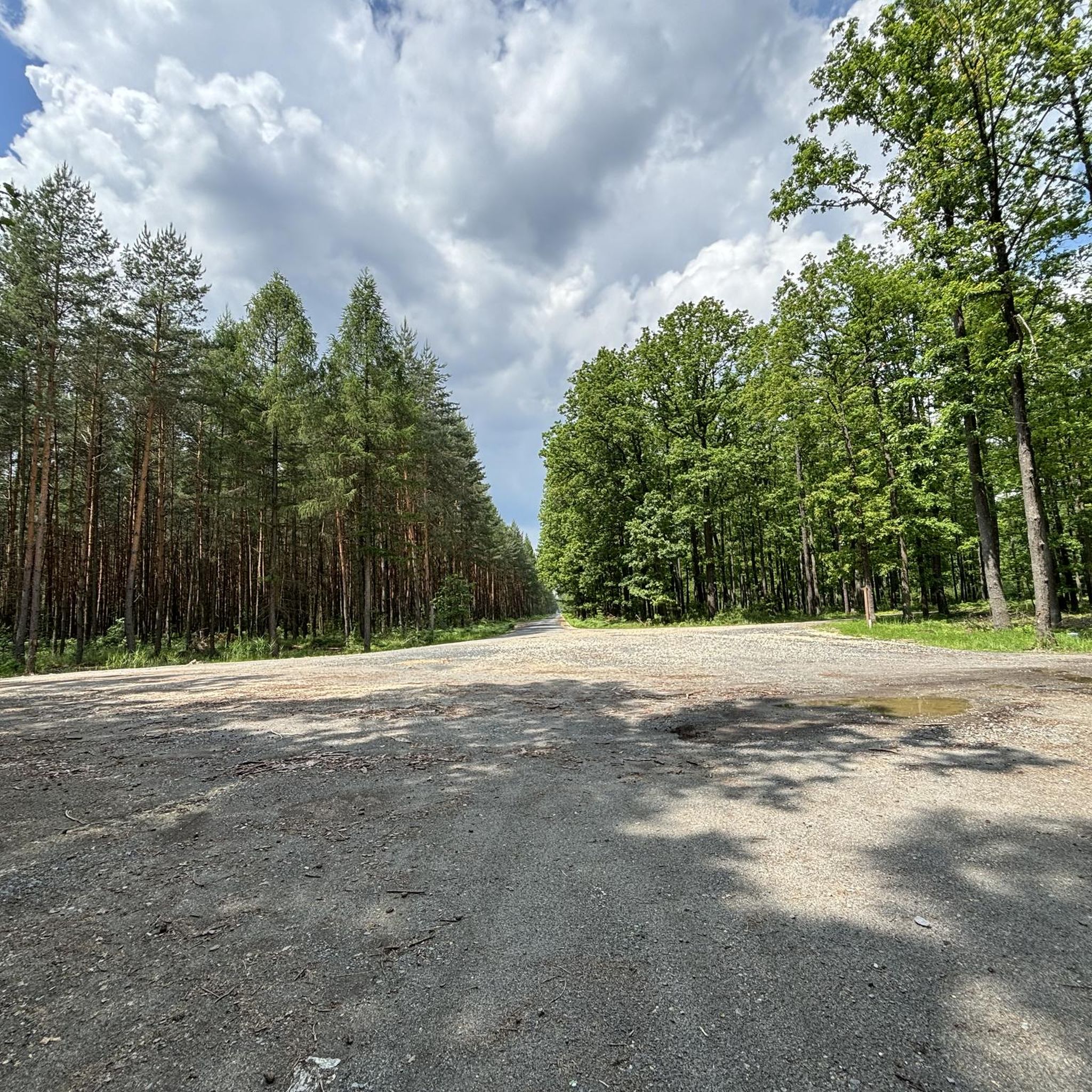
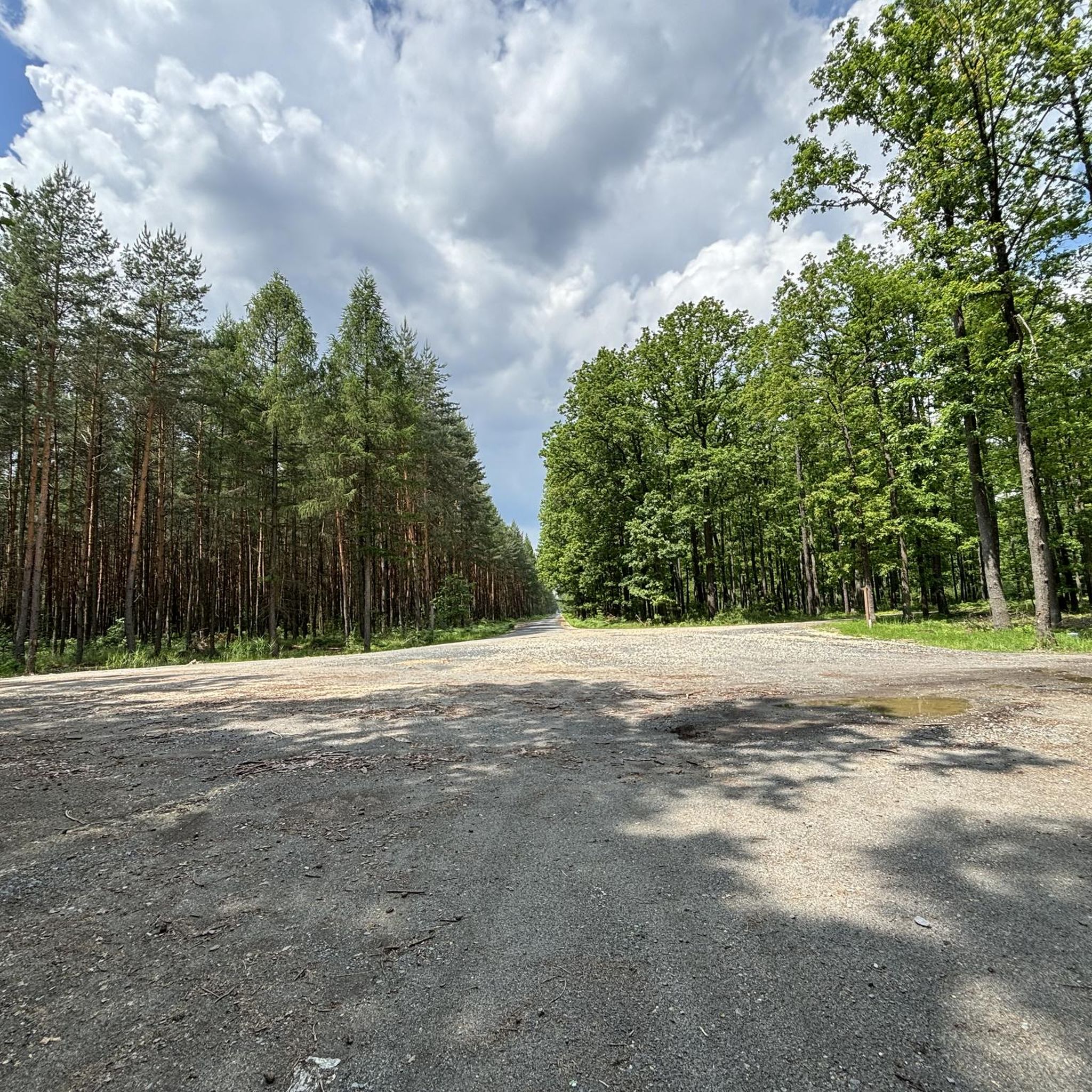
The plant community that occurs here is the sub-oceanic fresh pine forest [3]. The trees are dominated …
Translated by Google •
Tip by

Sign up for free to discover even more attractions around Strzeleczki.
Sign up for free
Already have an account?
Start today with a free account
Your next adventure awaits.
Login or Signup
Tips from the Community

Eight graves have survived in the von Tiele-Winckler family cemetery. The founder of the family, Hubert von Tiele-Winckler, is buried at the foot of a tall cross. In the second row lies his eldest son, Franz Hubert, builder of the palace in Moszna. In the third row lies the second-to-last Count, Klaus Hubert (Franz Hubert's son). The last Count, Hans Werner von Tiele-Winckler, left Moszna in 1945 before the estate was occupied by the Red Army. He died in Germany in 1957 and was buried there. The Moszna family necropolis is located on a small hill, accessible by the original steps. A high fence and a wrought-iron gate (also historic) remain to this day. In spring, the cemetery is filled with colorful azaleas.
0
0

Beautiful rhododendrons blooming in May. Lots of people on weekends.
0
0

I will go back there, but the last sentence on this sign made the biggest impression on me: "The reserve is subject to generally known regulations specifying the principles of contact with nature" Such a civilized form of "no entry for simpletons, litterers and vandals"
0
0

Once a Renaissance castle of the Rogoyski family. After the death of Stefan Rogoyski in 1612, it became the property of his wife from the Wrbsky (Wierzbiccy) family. The Rogoyski family is exiled in 1741, when Germany (Prussia) takes power. The castle becomes the property of the von Roedern family and later the von Haugwitz family. From 1932, a Hitlerjugend training camp was located here. The facility can be easily visited from the outside. At the back there is a garden with the von Haugwitz family tomb. For those with cars - it is best to leave the car at the nearby church. Cyclists can use the stands at the main entrance. On Monday, the facility is not open to visitors inside, only the park. Cycling is prohibited in the park and dogs are not allowed.
2
0

Perfectly visible from the highway, also known for the fact that for many years, every Sunday in May, Fr. prof. Joachim Piecuch celebrates Marian services there in German. A large group of residents of Gogolin, Krapkowice, the Karłubiec district, Zdzieszowice and surrounding villages gather then. The chapel, built in 1801 in the fields, is the common property of local residents. The Marian chapel was built next to a water spring that springs naturally from the ground. The water collects in a small well and is widely believed to have healing properties. According to E. Boronczyk's publication (Karłubiec 1302 - 2008, pp. 170-171), it was probably founded by the Gaszyns from Żyrowa, to commemorate the miraculous recovery of sight by the counts' child. According to oral tradition, Mary was supposed to show Countess Gaszyn this special place. During World War II, Stanisław Wojtala, as a soldier on the Eastern Front, vowed to visit the chapel every week if he returned safely from the war. Older residents remember how at any time of the year, even in winter, in the deepest snow, he would make his way to the chapel...
1
1

In 1853 Karl Gotthard Seherr-Thoss sold Moszna to Heinrich von Erdmannsdorf, who in 1866 sold it to Hubert von Tiele-Winckler of Miechowice. His son Franz Hubert was the originator and builder of the palace, which was built after the baroque palace was partially burned down in 1896. Franz Hubert's grandfather, Franz Winckler, worked as a miner in the mine in Miechowice. After the death of his wife and mine owner, he married his rich widow Maria Aresin. In 1840 the Prussian king gave him the title of nobility. The heiress to the fortune was his daughter Valeska, who married Hubert von Tiele in 1854. After marriage, they use a combined surname - Tiele-Winckler. Hubert died in 1893 and his estate passed to his eldest son Franz-Hubert according to the majority principle. In 1895 he became a nobility thanks to the title of count that Kaiser Wilhelm bestowed on him. A year later, after a fire, he rebuilt and expanded his headquarters. In 1904 and later in 1911 and 1912 the Count was visited by the ruler of Germany for hunting and the west wing was built for him in 1911-1913. Franz-Hubert's son Claus-Peter spent part of his ancestors' fortune in the interwar period. When he died childless, he adopted his cousin, whose son was to inherit the estate and the title of count. His family lived in Moszna Castle until the end of the war and fled to Germany from the advancing Red Army.
0
0
Moschen // Moszna. The name of the village probably comes from the surname Moschin. According to legend, Moszna belonged to the Knights Templar in the Middle Ages. In 1679, Moszna was owned by the von Skall family. In 1723, after the death of the owner Ursula Maria von Skall, Moszna passed into the hands of her cousin, the court marshal of Frederick the Great - Georg Wilhelm von Reisewitz. The castle - the central part of the current castle - dates from this period. In 1771, the von Reisewitz family lost Moszna and the property was purchased at auction by Heinrich Leopold von Seherr-Thoss. In 1853, Karl Gotthard Seherr-Thoss sold Moszna to Heinrich von Erdmannsdorf, who sold it in 1866 to Hubert von Tiele-Winckler from Miechowice. His son Franz Hubert was the originator and builder of the castle, which was built after the partial burnt down of the Baroque castle in 1896. Franz Hubert's grandfather, Franz Winckler, worked as a miner in the mine in Miechowice. After the death of his wife and mine owner, he married his rich widow Maria Aresin. In 1840, the Prussian king granted him the title of nobility. The heiress of the fortune was his daughter Valeska, who married Hubert von Tiele in 1854, who bought Moszna in 1866. After the marriage, they used a combined surname - Tiele-Winckler. Hubert died in 1893, and his estate passed to his eldest son Franz-Hubert according to the majority principle. In 1895, he was ennobled by the title of count awarded to him by Emperor Wilhelm. A year later, after a fire, he rebuilt and expanded his residence. In 1904, and later in 1911 and 1912, the count was visited by the ruler of Germany for hunting, and the west wing was built for him in 1911–1913. Franz Hubert's son Claus-Peter spent part of his ancestors' fortune in the interwar period. When he died childless, he adopted his cousin, whose son was to inherit the estate and the title of count. His family lived in Moszna Castle until the end of the war and fled to Germany to escape the approaching Red Army. After the war, the fate of the castle was different - from 1972 it has been operating as a hospital for the treatment of neuroses. Moszna - According to Franz Hubert's imagination, the castle has 365 rooms and 99 towers, for which it is famous. The unique architecture of the castle attracts crowds of tourists every year.
1
1

Between 1967 and 1976 the building was renovated and partly restored to its original Renaissance form. Since 1976 there has been a branch of the Opole Library in the building, which contains the manuscript and map collection. The castle building has been under monument protection since 1950.
4
0
Frequently Asked Questions
What historical sites can I explore in Strzeleczki?
Strzeleczki is rich in history, featuring several significant sites. You can visit the Baroque Saint Martin church, the Exaltation of the Holy Cross church, and the Parish Church of St. Michael the Archangel, which dates back to the late 13th century with Gothic, Renaissance, and Baroque elements. The town also has an old Monument of Saint John of Nepomuk and war memorials, including graves of WWII troops.
Are there any castles to visit near Strzeleczki?
Yes, the region boasts impressive castles. The most popular is Moszna Castle, a magnificent Neo-Gothic and Neo-Renaissance structure known for its numerous turrets and vast park. Another must-see is Rogów Opolski Castle, a historic building partly restored to its original Renaissance form, now housing a branch of the Opole Library.
What natural attractions are there around Strzeleczki?
The Strzeleczki region is situated in the scenic Silesian Lowlands, within the valley of the Biała river. For a dedicated natural experience, you can visit the Blok Nature Reserve, a forest reserve known for its ancient 200-year-old pines and diverse plant communities. The broader Gmina Strzeleczki area is also close to natural areas like Bory Niemodlińskie.
Can I find family-friendly activities in the Strzeleczki area?
Absolutely. Many attractions are suitable for families. Moszna Castle, with its fairytale appearance and extensive park, offers guided tours that can be engaging for all ages. The park itself is perfect for leisurely walks. Additionally, the Rogów Opolski Castle also has a charming park that families can enjoy.
Are there opportunities for hiking or walking near Strzeleczki?
Yes, the area around Strzeleczki offers various hiking and walking opportunities. You can explore easy trails around Moszna Castle and its park, with routes like the "Moszna Castle – Palace in Moszna loop." For more options, check out the Easy hikes around Strzeleczki guide or the broader Hiking around Strzeleczki guide for detailed routes.
What is unique about Strzeleczki's cultural identity?
Strzeleczki holds a unique cultural identity due to its bilingual Polish-German status, granted in 2008. The town has a high concentration of the German minority in Poland, and residents often speak the Prudnik dialect of the Silesian language. This blend of cultures is reflected in its history and local traditions.
Are there any religious sites of interest around Strzeleczki?
Beyond the historical churches in Strzeleczki itself, a notable religious site is the Chapel on the Marshes. Built in 1801, this Marian chapel is located next to a natural water spring believed to have healing properties and is a place of local pilgrimage.
What kind of outdoor activities are available besides hiking?
In addition to hiking, the Strzeleczki area is suitable for gravel biking. You can find several routes, such as the "Mount Saint Anne – Gate in Żyrowa loop" or the "Wind Turbines in Krapkowice – Fire Tower loop." For more details and route options, refer to the Gravel biking around Strzeleczki guide.
What is the best time of year to visit Strzeleczki for outdoor activities?
While specific seasonal tips for Strzeleczki are not detailed, generally, spring and autumn offer pleasant temperatures for outdoor activities like hiking and biking, with vibrant foliage or blooming landscapes. Summer is also popular, though it can be warmer. Winter can be picturesque but may limit some outdoor pursuits.
Can I visit the park surrounding Moszna Castle?
Yes, Moszna Castle is surrounded by a vast park spanning 39 hectares. This park features over 300 species of trees, including ancient oak and pine trees, as well as chestnut and oak avenues. It's an excellent place for a leisurely stroll and enjoying nature.
Are there any other historical ruins or palaces nearby?
Beyond the main castles, the wider Gmina Strzeleczki area includes other historical points of interest. You can find the palace and park in Dobra, and approximately 5 km away are the Ruins of the Palace in Chrzelice, offering a glimpse into the region's past.
Where can I learn more about the history of the Tiele-Winckler family?
The history of the Tiele-Winckler family is closely tied to Moszna Castle. You can visit the Tiele-Winckler Family Mausoleum, located at the end of the castle park amidst ancient oak trees. The castle itself was rebuilt and expanded by Franz Hubert von Tiele-Winckler after a fire in 1896, and the family resided there until the end of WWII.
Most popular routes around Strzeleczki
Most popular attractions around Strzeleczki

Get inspired with the komoot mobile app


Explore more
Still not found the Highlight you’re looking for? See guides of the top attractions in other regions:
