Attractions and Places To See around Dydnia - Top 20
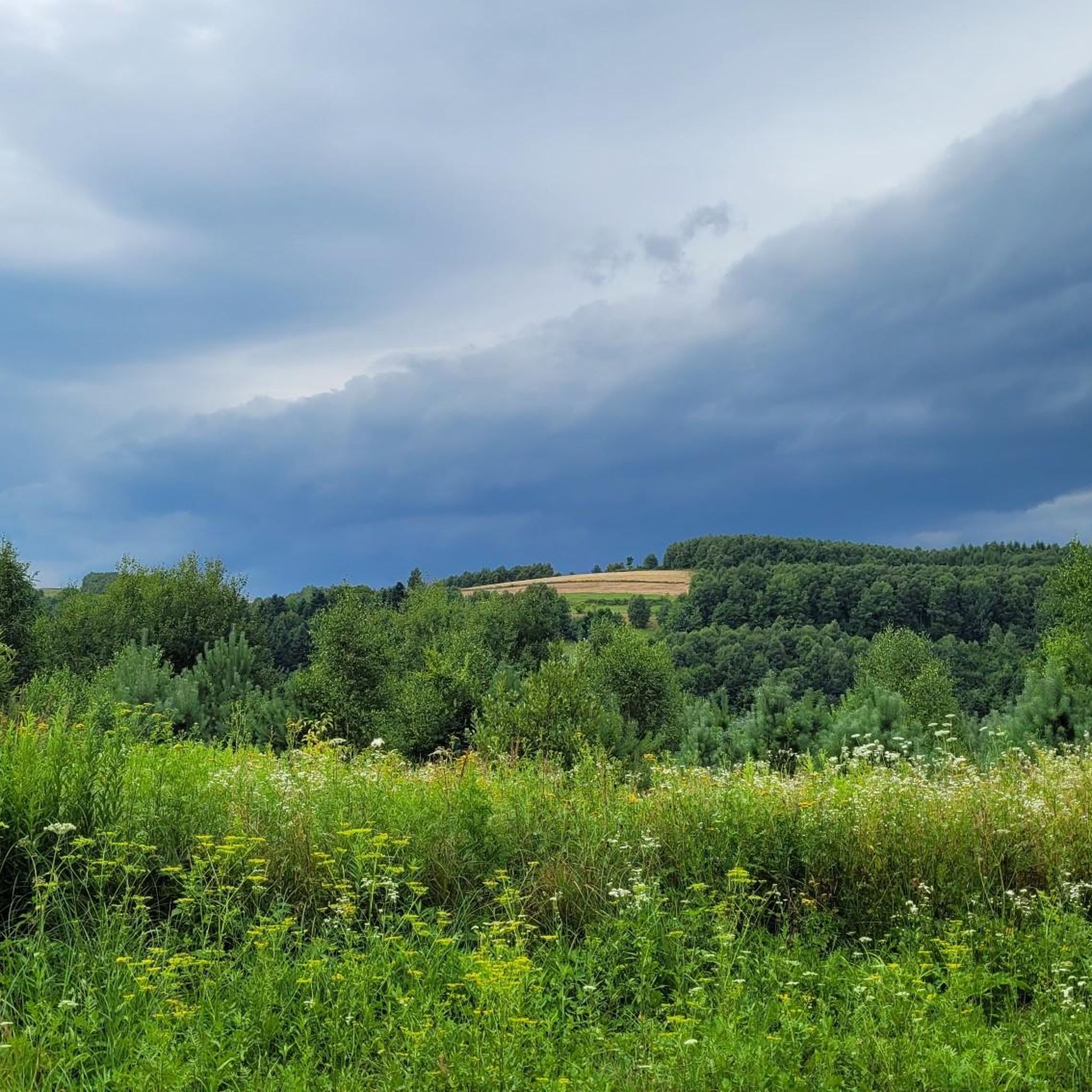
Attractions and places to see around Dydnia are found in the picturesque San River basin in Poland. The region is characterized by rolling hills and river valleys, providing opportunities for recreation. Dydnia offers a blend of historical architecture, cultural sites, and natural beauty. Visitors can explore various landmarks and enjoy the tranquility of the landscape.
Best attractions and places to see around Dydnia
- The most popular attractions is Sanok Market Square, a settlement that serves as a central point…
Last updated: May 20, 2026
Museum of Folk Architecture in Sanok
Highlight • Historical Site
It covers a vast area on the right bank of the San River, limited …
Translated by Google •
Tip by

Sanok Market Square
Highlight • Settlement
Translated by Google •
Tip by
Sign up now to discover places like this
Get recommendations on the best single tracks, peaks, & plenty of other exciting outdoor places.
Sign up for free
Statue of the Good Soldier Švejk in Sanok
Highlight • Monument
Translated by Google •
Tip by

Island and Weir on the San River
Highlight • River
Translated by Google •
Tip by
Bicycle Path Along the San in Sanok
Highlight • Cycleway
Translated by Google •
Tip by
Sign up for free to discover even more attractions around Dydnia.
Sign up for free
Already have an account?
Start today with a free account
Your next adventure awaits.
Login or Signup
Tips from the Community

You can't miss it. It's a beautiful piece of history.
0
0

The official name of the open-air museum is the Museum of Folk Architecture in Sanok (MBL). It covers a vast area on the right bank of the San River, limited from the north by a high escarpment, on which the Biała Góra housing estate is located, and from the east by the forested area of the Słonne Mountains. A great attraction is the Galician Market Square, where various occasional events are organized, e.g. before the holidays. The open-air museum lives according to its own calendar and is eagerly visited not only by tourists but also by the residents of Sanok. On the open-air museum area, divided into geographical and cultural sectors, you can visit many wooden buildings and see their equipment. The resourcefulness of the residents of that time, who were able to live and support their families in very modest conditions, without electricity, running water, gas and so many devices that we cannot imagine life without today, is admirable. The oil sector is a separate attraction. To get a better understanding of the range of objects gathered here, it is best to use the services of a guide. WW
1
0
In times long past, the Market Square in Sanok was an oasis of greenery in this part of the city. After the change of regime, the trees were cut down, and the Market Square was paved mostly in red, hence its name, Red Square. On hot days, the center of the square is unbearably hot. You can seek refreshment under the umbrellas where ice cream is sold, or by the fountain located closer to City Hall. Even better, stop by the Franciscan Church for a moment and find not only refreshment but also peace. WW
0
0
Currently, the path is partitioned near Sosenki due to the construction of a bridge over the San River. The bridge is to connect Gajowa Street with the extended Sobieskiego Street and ul. Queen Bona. The above-mentioned streets are to meet at the yet non-existent turbine roundabout and provide better communication between the left and right bank of Sanok. After the bridge is built, the continuity of the bicycle path running along the San River will be restored.
0
0
At this point, I shot the video below, showing the beauty of a river flowing calmly through a deserted area. Residents of the metropolis, tired of the big city rush, can rest here. https://youtu.be/kVV9ZOulyyE?si=hAal466wxQwO45hQ
0
0
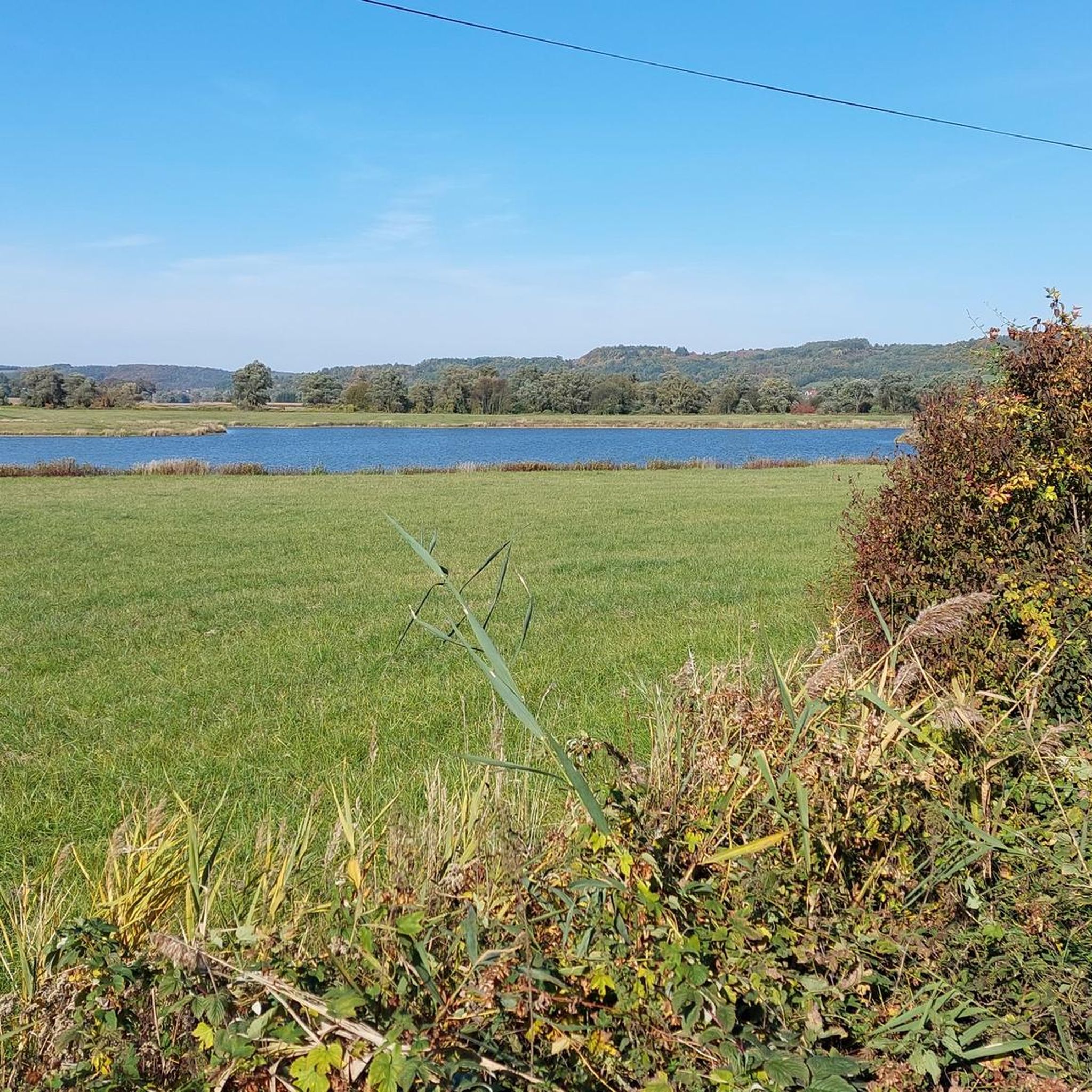
Driving along the asphalt road in the direction of the San River, on the section between the footbridge (Ulucz - Witryłów) and the beginning of the buildings of the village of Temeszów, in the forest section we come across a parking lot with a view of the river, which crosses the threshold at this point. When the water level is low, you can see a small island to the right of the threshold. Watch out for cars that speed up here at the sight of a longer straight. I almost witnessed an accident when such a senseless driver did not anticipate that a bus would appear around the bend and barely made it because the road had no shoulder.
0
0
In the center of Sanok, it is worth visiting the royal castle, the historic Franciscan church and the parish church. In the castle there is a gallery of icons and an exhibition of works by Zdzisław Beksiński. From Castle Square and St. Jana, there are vast views of the lower districts of Sanok and the surrounding hills, and the panorama extends to the mountain ridges above Solina. You can spend time in numerous cafes, tea houses, pastry shops, pizzerias, taverns and laundries. It is worth taking a walk along the cobbled alleys of the city park surrounding Góra Parkowa and using the viewing platform. In the evening, the SDK cinema at ul. Mickiewicz invites you to film screenings.
0
0
In the corner of the Market Square, it is worth visiting the historic Franciscan church, where you can cool down on a hot day. There are fountains in the opposite corner. During the revitalization, old trees were cut down, changing the character of this place from a park to a bare "Red Square", as some call it.
1
0
Frequently Asked Questions
What historical and cultural sites can I explore in Dydnia and its surroundings?
Dydnia and its commune are rich in history. You can visit the 19th-century Neoclassical Mansion in Dydnia, along with the Neo-Gothic St. Michael Archangel and St. Anna's Church. The region is particularly known for its historic wooden churches, such as the Church of Christ's Transfiguration in Końskie, the Church of the Adhibition of God's Mother to Temple in Krzemienna, and the Church of Annunciation of Holy Virgin Mary in Obarzym. Don't miss the Church of Christ's Ascension in Ulucz, considered the oldest wooden Orthodox church in Poland.
Are there any family-friendly attractions near Dydnia?
Yes, several attractions are suitable for families. The Museum of Folk Architecture in Sanok is a great option, offering an open-air experience with numerous wooden buildings and a depiction of a 20th-century Galician Market Square. The Sanok Market Square itself is also family-friendly, with fountains and space to relax. Additionally, the Island and Weir on the San River provides a natural setting for a family outing.
What natural features can I enjoy around Dydnia?
The San River is a prominent natural feature, offering excellent locations for rest and recreation. You can cross it by ferry in Krzemienna or via a pedestrian footbridge in Witryłów. The landscape around Dydnia is also characterized by rolling hills and river valleys, providing tranquil natural settings. The Island and Weir on the San River is a specific spot where you can observe the river's flow and a small island during low water levels.
What outdoor activities are available near Dydnia's attractions?
The region's hills and river valleys are ideal for various outdoor activities. You can find numerous routes for cycling, road cycling, and gravel biking. For example, explore the San Valley on a cycling tour like the 'Footbridge Over the San River – San Valley loop'. You can find more options and detailed routes on the Cycling around Dydnia, Road Cycling Routes around Dydnia, and Gravel biking around Dydnia guide pages.
Are there any unique or hidden historical gems in the Dydnia commune?
Beyond the more prominent sites, the Dydnia commune holds several unique historical gems. The Church of Christ's Ascension in Ulucz is particularly notable as the oldest wooden Orthodox church in Poland, dating back to 1510-1517. Another interesting site is the Mansion of Sękowski Family in Wydrna, a brick mansion from 1845 that once hosted significant Polish figures.
What do visitors enjoy most about the attractions around Dydnia?
Visitors frequently appreciate the blend of historical architecture, cultural sites, and natural beauty. The Museum of Folk Architecture in Sanok is highly praised for its extensive collection of wooden buildings and the immersive Galician Market Square. Many also enjoy the tranquility and historical atmosphere of the Sanok Market Square and the scenic views along the San River.
Where can I find a good cycling path near Dydnia?
A popular option is the Bicycle Path Along the San in Sanok. This pedestrian and bicycle path runs along the right bank of the San River, offering a pleasant route for cycling, jogging, and relaxing. It's a favorite spot for locals and tourists alike to enjoy the riverside scenery.
Is there a significant monument or statue to see in the area?
Yes, in Sanok, you can find the Statue of the Good Soldier Švejk. This man-made monument commemorates the famous character from the novel, with two of his adventures having taken place in Sanok. It's a quirky and interesting photo opportunity.
What is the best time of year to visit Dydnia for outdoor activities?
The region's rolling hills and river valleys are generally best enjoyed during the warmer months, from late spring to early autumn. This period offers pleasant weather for hiking, cycling, and exploring the natural landscapes along the San River. During these seasons, the open-air museums and historical sites are also fully accessible and often host special events.
Are there any accessible attractions for visitors with mobility considerations?
The Sanok Market Square and the Statue of the Good Soldier Švejk in Sanok are generally considered wheelchair accessible, offering relatively flat surfaces for exploration. When planning your visit, it's always advisable to check specific accessibility details for other sites, especially older historical buildings.
Can I find any unique religious architecture in the Dydnia area?
Absolutely. The Dydnia commune is particularly rich in unique religious architecture, especially its historic wooden churches. Besides the Neo-Gothic St. Michael Archangel and St. Anna's Church in Dydnia, you can find the Archangel Michael Church in Witryłów and the Church of the Częstochowska God's Mother in Jabłonka, which is designed in a national style modeled after Tatra Highlands churches. There's also the stone-brick St. Nicolae Greek Catholic Church in Grabówka.
Where can I find viewpoints to appreciate the landscape around Dydnia?
The region's hilly terrain offers several opportunities for scenic views. While specific viewpoints are not extensively detailed, the general landscape of rolling hills and river valleys provides picturesque vistas. The Island and Weir on the San River offers a specific spot to observe the river and its surroundings. Additionally, the Royal Castle in Sanok, though not directly in Dydnia, provides vast views of the lower districts of Sanok and the surrounding hills.
Most popular attractions around Dydnia

Get inspired with the komoot mobile app


Explore more
Still not found the Highlight you’re looking for? See guides of the top attractions in other regions:
