The best road cycling routes around gmina Jarosław
4.6
(99)
967
riders
221
rides
Road cycling around gmina Jarosław offers routes through generally flat agricultural areas and the picturesque San River Valley. The terrain primarily features paved surfaces, making it suitable for road cyclists. The region is part of Poland's Subcarpathian Voivodeship, known for its green landscapes and rural scenery. Elevation changes are typically moderate, providing accessible cycling experiences.
Best road cycling routes around gmina Jarosław
- The most popular road cycling route is Pub Rukola, Sieniawa – Old Town Square in Jarosław loop from…
Last updated: July 1, 2026
3.7
(3)
28
riders
Moderate road ride. Good fitness required. Some segments of this route may be unpaved and difficult to ride.
4.5
(2)
20
riders
Moderate road ride. Good fitness required. Mostly well-paved surfaces and easy to ride.

Sign up for free
4.7
(3)
17
riders
Easy road ride. Great for any fitness level. Mostly well-paved surfaces and easy to ride.
5.0
(3)
14
riders
27.5km
01:14
180m
180m
Easy road ride. Great for any fitness level. Mostly well-paved surfaces and easy to ride.
13
riders
Easy road ride. Great for any fitness level. Mostly well-paved surfaces and easy to ride.
Get access to more routes and recommendations from other explorers.
Sign up for free
Already have an account?
Our route recommendations are based on thousands of hikes, rides, and runs completed by other people on komoot.
Start today with a free account
Your next adventure awaits.
Login or Signup

Tips from the Community


The fortifications of Sieniawa were built as a result of the decision of the Sejmik of Wiśnicz in 1651 to build border fortifications to defend the country against the Tatar invasion. In 1672, the Sejmik of Wiśnicz was informed about the start of the construction of the fortress by Mikołaj Sieniawski, whom he intended to name Sieniawa. In 1676, the Sejm passed the so-called "libertation" in relation to the newly founded Sieniawa. Presumably, there were several reasons for the construction of the fortifications, both as the owner's response to parliamentary appeals and as a purpose of protecting the private property of a family of significant social standing. Inside the fortifications, a manor house was naturally built, referred to in archival materials sometimes as a manor, sometimes as a castle. South of the fortifications, an ornamental quarter garden was established. The complex of fortifications, manor, and garden formed a unified organism connected to the urban structure. The fortifications were laid out on a rectangular plan, close to a square, along the north-south axis, measuring 200x250 cubits, with four brick-and-earth bastions at the corners and curtain walls about 90 m long. The southern bastions were larger and housed casemates. The manor house was demolished after 1772 and the area was tidied up, and the manor's fortifications were demolished before 1781. The creation of a residence with a park on the south side (the present-day palace complex) and changes in the communication system contributed to the demolition of the manor.
1
0
Commemorative plaque for Wiktoria and Mateusz Stawarski – residents of the town who during World War II were murdered by the German occupiers for helping the Jewish Singer family.
1
0

The former Jesuit church of St. John. Originally a Renaissance structure, it has been rebuilt many times. It is now the oldest former Jesuit church in Poland. It's truly worth it—a beautiful sight.
1
0

The chapel is situated on the eastern side of the access road to the palace. It was built of brick on a rectangular plan with a niche, as a single-storey building topped with a stepped gable. The front elevation is decorated with a niche with a pointed arch portal carved with glyphs with three semi-columns, the stepped gable is decorated with pinnacles and topped with a stone cross. Inside the chapel there is a figure of Our Lady of the Immaculate Conception on a pedestal with the date 1884 carved in.
1
0
The ruins of the forge are located opposite the eastern entrance gate to the palace complex, with the front elevation - western by the road. The forge was built of brick on an irregular plan, consisting of a rectangular body and small parts from the east and south, as a two-story building, probably partially basemented. It has been preserved in the form of a ruin, without a roof, ceilings and woodwork, with traces of old decoration in the form of remnants of cornices and window frames. According to legend, it was in this place that King Jan III Sobieski ordered horses to be shod when setting off to the relief of Vienna.
2
0

Collegiate Church of Corpus Christi.
0
0
There are about 2,000 soldiers buried there. The cemetery was established in 1915.
2
0
Frequently Asked Questions
How many road cycling routes are available in gmina Jarosław?
There are over 190 road cycling routes available in gmina Jarosław, catering to various skill levels. This includes 57 easy routes, 129 moderate routes, and a few more challenging options.
What is the typical terrain like for road cycling in gmina Jarosław?
Road cycling in gmina Jarosław primarily features generally flat agricultural areas and the picturesque San River Valley. The terrain is mostly paved, making it well-suited for road bikes, with moderate elevation changes.
Are there road cycling routes suitable for beginners or families in gmina Jarosław?
Yes, gmina Jarosław offers several easy road cycling routes perfect for beginners or families. For example, the Old Town Square in Jarosław loop from Jarosław is an easy 31.9 km path that provides scenic views of the local countryside and historic town areas.
Are there options for more advanced road cyclists?
While gmina Jarosław is known for its generally flat terrain, some routes offer longer distances and moderate elevation changes for more experienced cyclists. The broader Subcarpathian Voivodeship also provides opportunities for more challenging rides, with some routes extending over 100 km and featuring significant climbs.
What kind of landscapes can I expect to see while cycling?
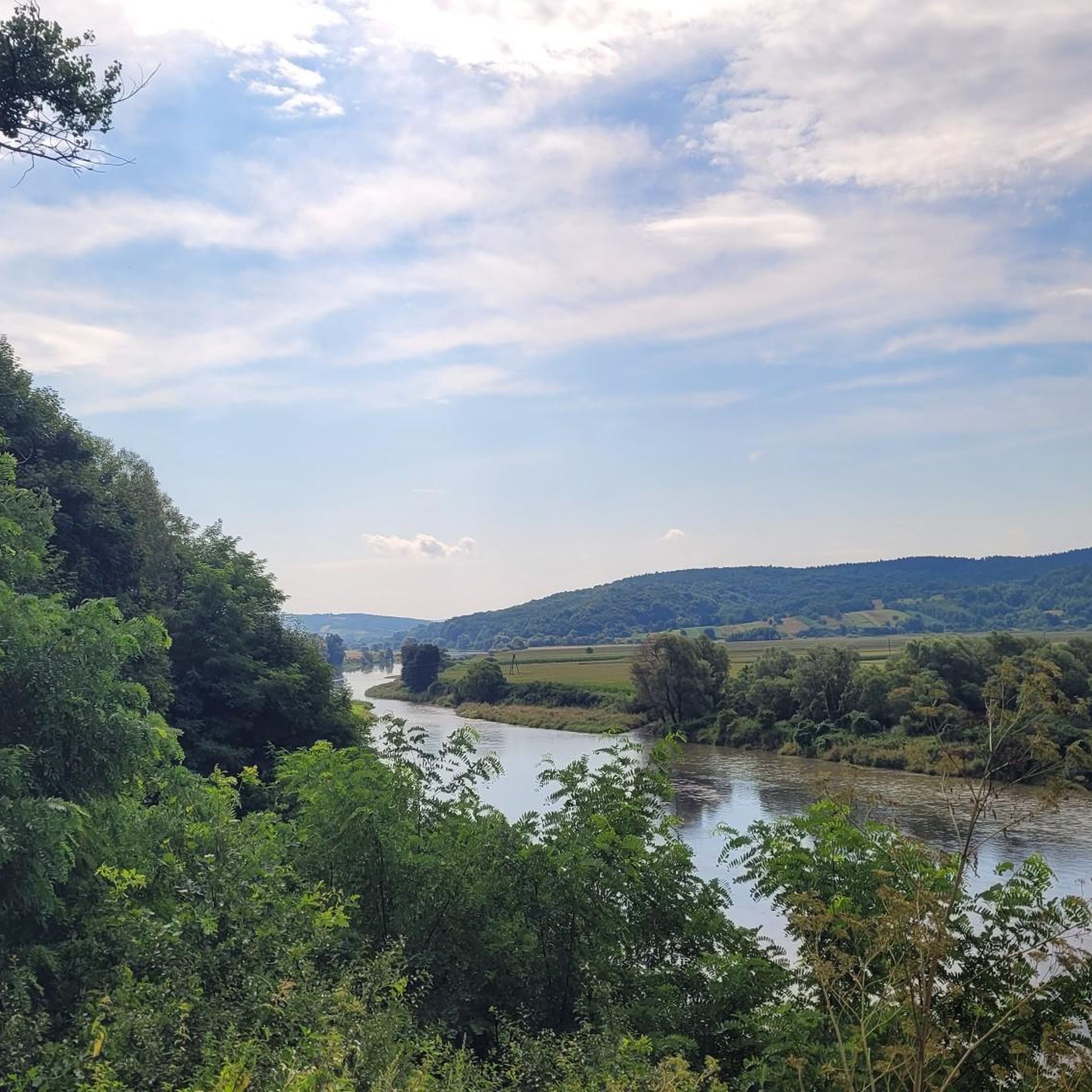
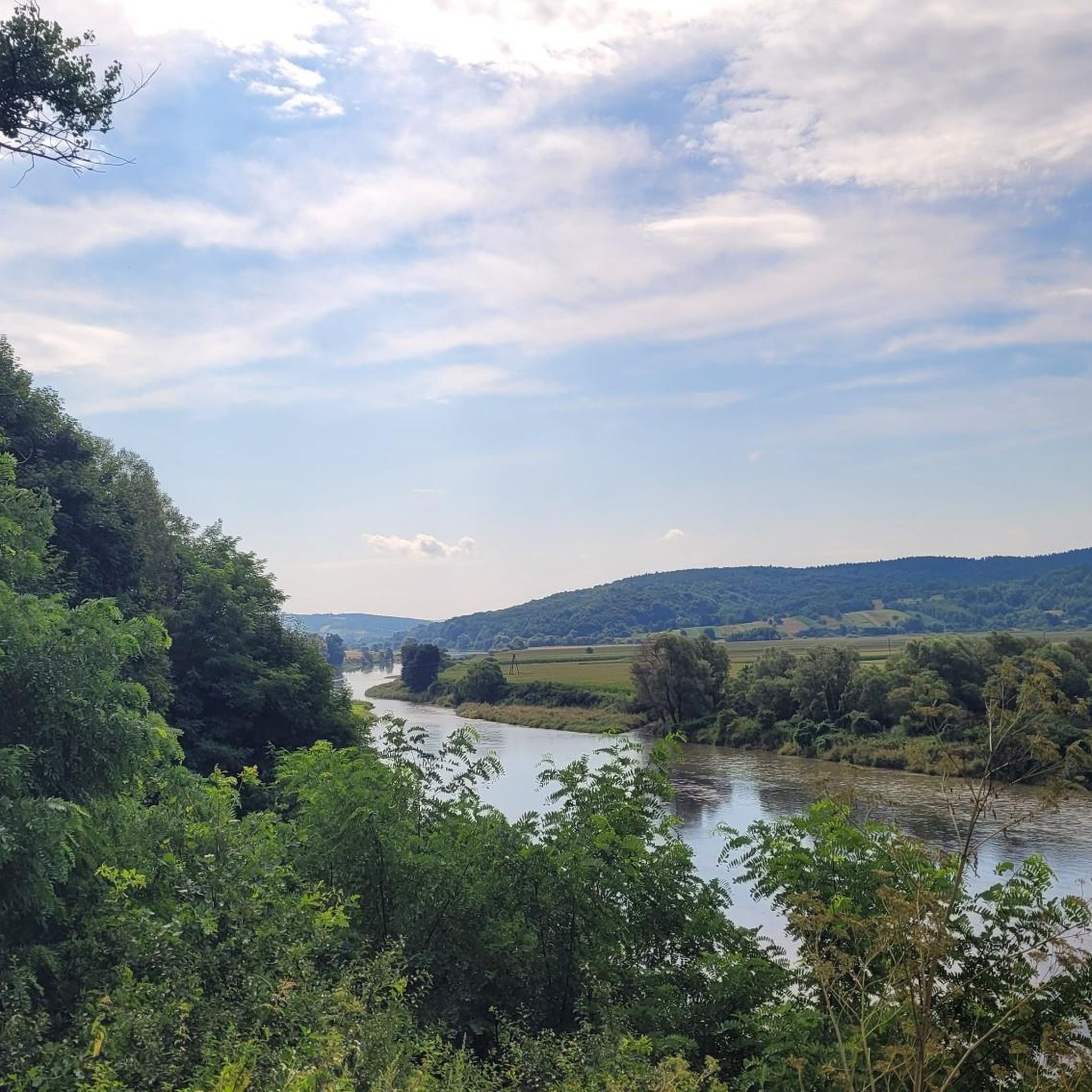
Cyclists will traverse open agricultural fields and pastoral scenes, offering a tranquil connection to the rural Polish countryside. The San River Valley also provides serene views as it meanders through the region. The area is part of one of Poland's greenest provinces, offering a pleasant natural backdrop.
Are there circular road cycling routes available?
Yes, many of the road cycling routes in gmina Jarosław are circular, allowing you to start and end in the same location. A notable example is the Pub Rukola, Sieniawa – Old Town Square in Jarosław loop from Jarosław, a 50.7 km moderate route.
What historical or cultural attractions can I visit along the cycling routes?
You can integrate historical and cultural sites into your rides. The town of Jarosław itself is rich in history, with its Market Square, arcaded townhouses, and subterranean chambers. Nearby, you can visit the Sieniawa Palace with its Italian gardens, or the Church of St. John the Baptist.
Are there any notable viewpoints or natural features to look out for?
The San River Valley offers picturesque views, and the agricultural landscapes provide a sense of tranquility. While gmina Jarosław is generally flat, the broader Subcarpathian region is known for its green landscapes and protected areas, offering scenic vistas.
Is parking available for cyclists in gmina Jarosław?
Yes, parking is generally available in and around the main towns like Jarosław, often near town squares or public facilities, making it convenient to start your cycling tours.
When is the best time of year to go road cycling in gmina Jarosław?
The best time for road cycling in gmina Jarosław is typically from spring to early autumn (April to October), when the weather is mild and the agricultural landscapes are vibrant. Summer months offer longer daylight hours, though it can be warmer.
Are there places to stop for refreshments or accommodation along the routes?
Yes, towns like Jarosław, Radymno, and Sieniawa, which are often connected by cycling routes, offer various cafes, pubs, and accommodation options where cyclists can rest and refuel.
What do other road cyclists appreciate most about cycling in gmina Jarosław?
The area is highly rated by the komoot community, with an average score of 4.6 stars from over 90 reviews. Reviewers often praise the well-maintained paved roads, the peaceful agricultural scenery, and the accessibility of routes for different fitness levels.
Can I find routes that pass through multiple towns or villages?
Absolutely. Many routes are designed to connect towns and villages, allowing you to experience local culture and history. For instance, the Blue Trail Around Jarosław connects Jarosław and Radymno, both rich in historical monuments.
Most popular attractions around gmina Jarosław

Get inspired with the komoot mobile app


Explore more
Browse the best Road cycling routes in other regions.
