The best road cycling routes around Białystok
4.6
(202)
4,281
riders
210
rides
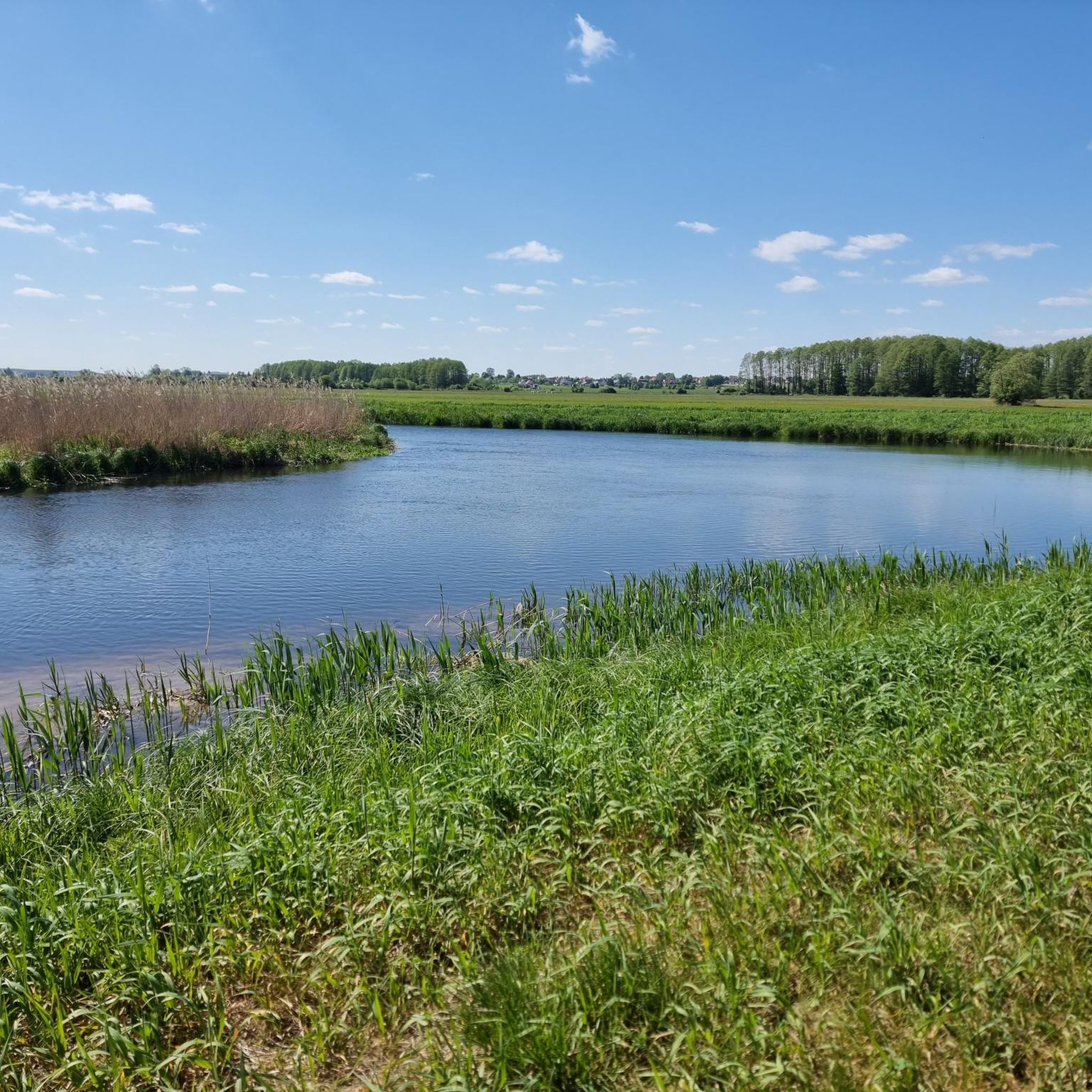
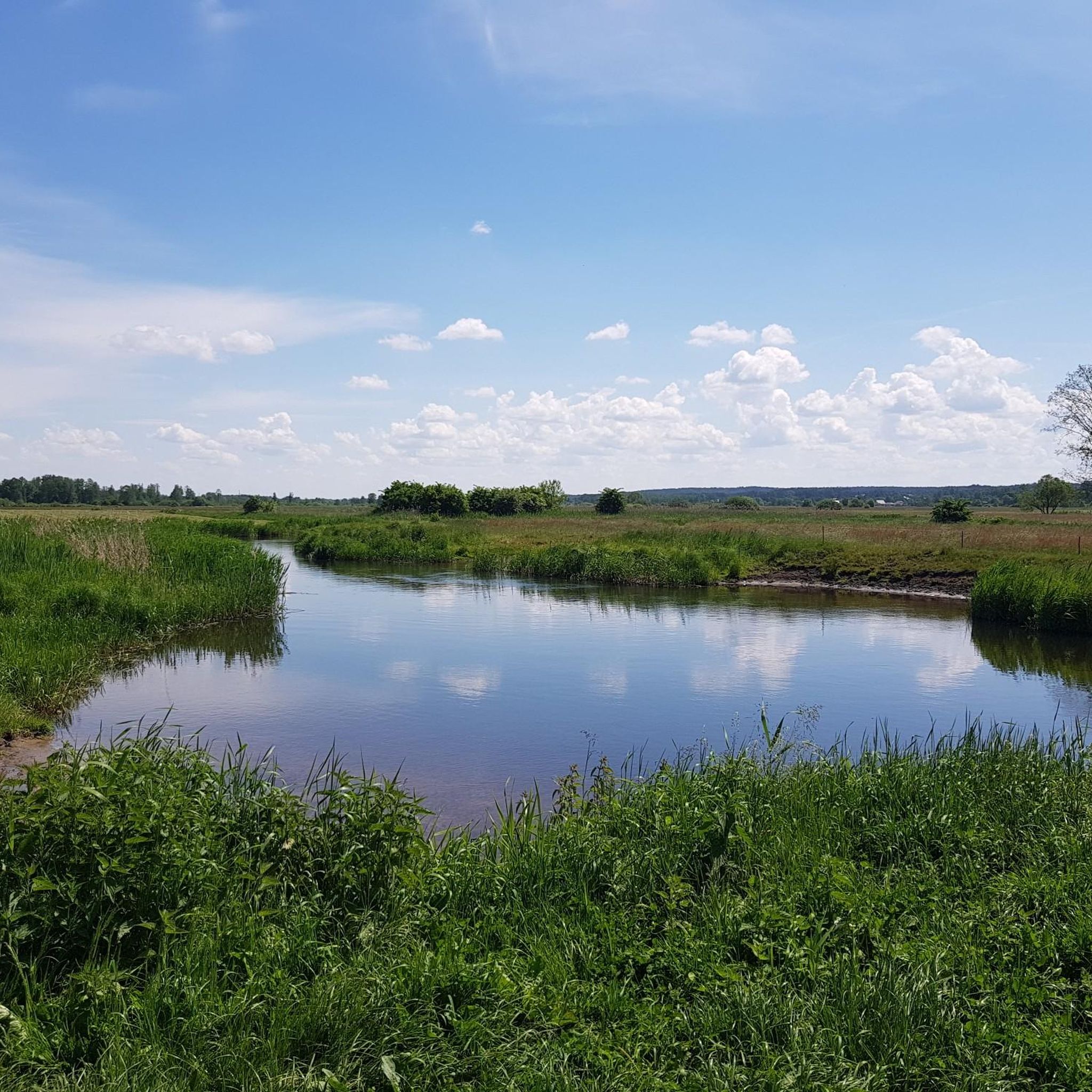
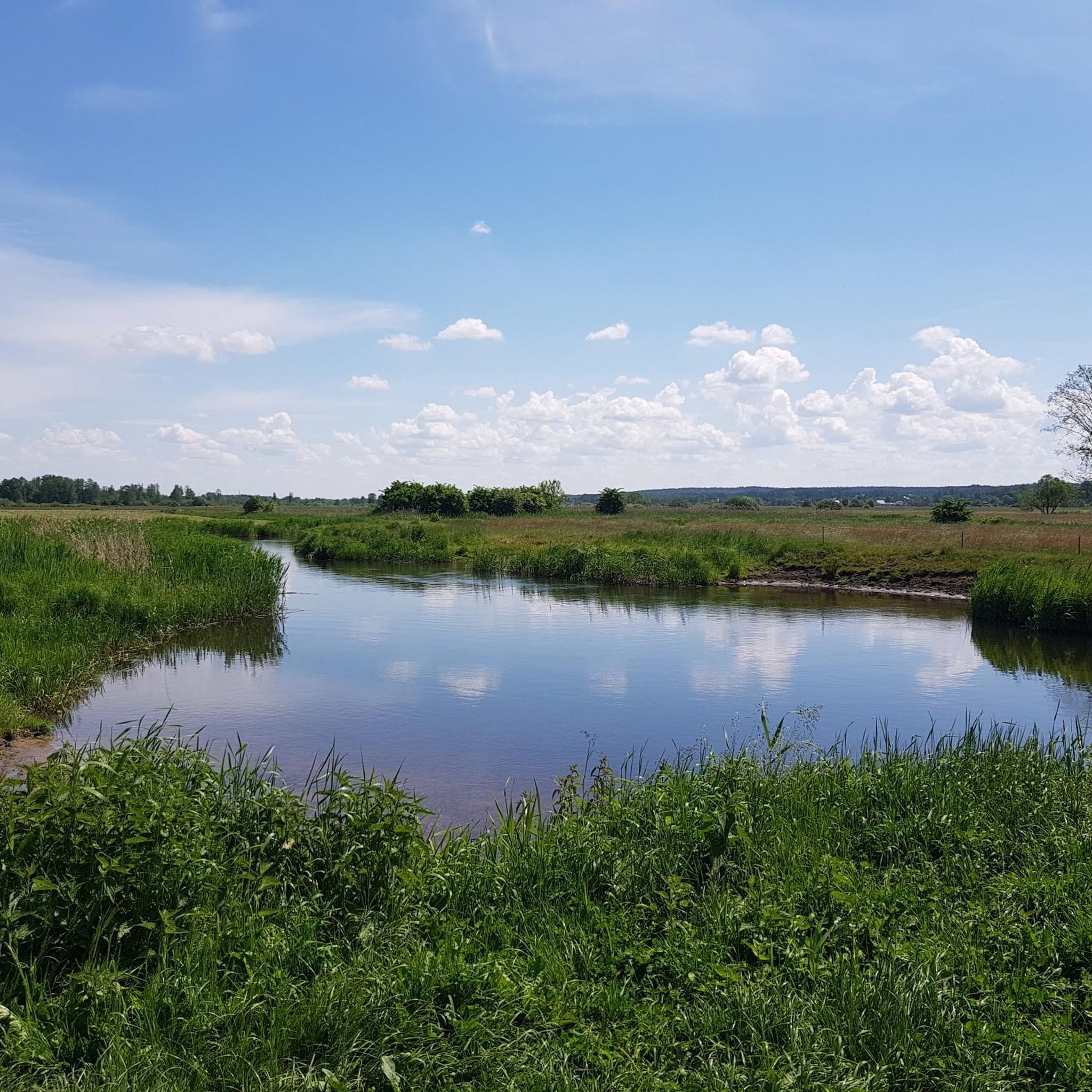
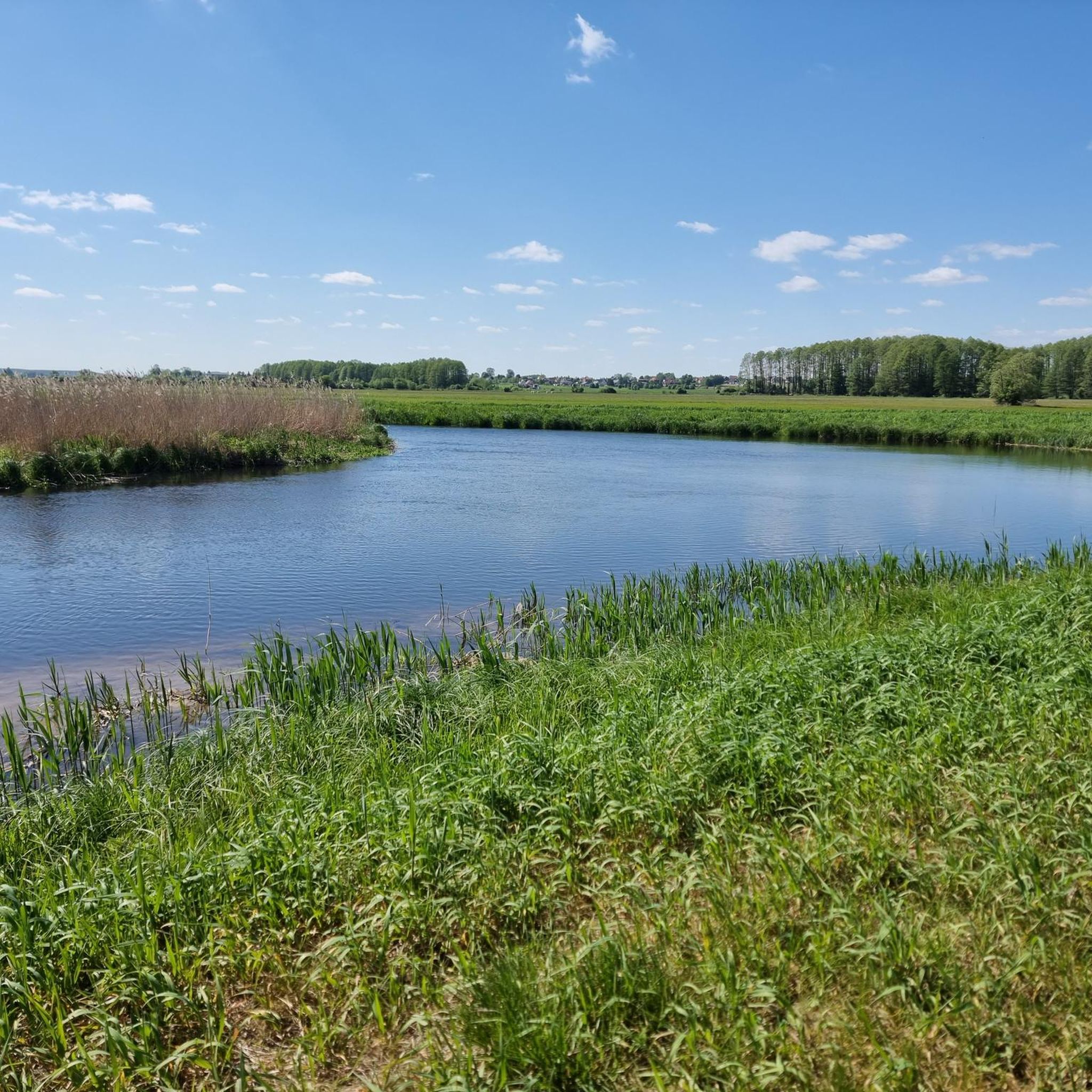
Road cycling routes around Białystok are characterized by the region's extensive forests, gentle river valleys, and relatively flat to gently undulating terrain. This area, often called the "Green Lungs of Poland," provides a serene backdrop for road cyclists, with routes often passing through picturesque landscapes and alongside natural reserves. The terrain is generally accessible, making it suitable for various skill levels, from leisurely rides to more extended excursions. Proximity to several national and landscape parks offers diverse scenery and quiet roads.
Best road cycling routes around Białystok
- The most popular road cycling route is Bridge over the Biala River – Zenek Martyniuk mural loop from Białystok, a 25.6 miles (41.2 km) trail that takes 2 hours 33 minutes to complete, offering views along the Biała River.
- Another top favourite among local road cyclists is Kościuszko Market Square – Buchholtz Palace loop from Białystok, a moderate 34.7 miles (55.9 km) path. This route explores urban landmarks and extends into the surrounding countryside.
- Local road cyclists also love the Krasne Nature Reserve loop from Białystok, a 23.9 miles (38.6 km) trail leading through forested areas and open landscapes, often completed in about 1 hour 46 minutes.
- Road cycling around Białystok is defined by extensive forests, river valleys, and gentle terrain, with options for easy city rides and more challenging routes through natural parks. The network includes paths suitable for various ability levels.
- The routes in Białystok are highly rated by the komoot community with an average score of 4.5 stars from over 100 reviews. More than 3000 road cyclists have used komoot to explore Białystok's varied terrain.
Last updated: May 17, 2026
4.7
(19)
206
riders
40.2km
02:00
200m
200m
Moderate road ride. Good fitness required. Some segments of this route may be unpaved and difficult to ride.
5.0
(2)
161
riders
57.6km
02:34
320m
320m
Moderate road ride. Good fitness required. Some segments of this route may be unpaved and difficult to ride.

Sign up for free
5.0
(5)
150
riders
39.5km
01:55
270m
270m
Easy road ride. Great for any fitness level. Mostly well-paved surfaces and easy to ride.
4.5
(4)
133
riders
61.8km
02:44
330m
330m
Moderate road ride. Good fitness required. Mostly well-paved surfaces and easy to ride.
5.0
(4)
112
riders
Moderate road ride. Good fitness required. Some segments of this route may be unpaved and difficult to ride.
Get access to more routes and recommendations from other explorers.
Sign up for free
Already have an account?
Our route recommendations are based on thousands of hikes, rides, and runs completed by other people on komoot.
Start today with a free account
Your next adventure awaits.
Login or Signup

Tips from the Community

One of the churches in the center of Białystok.
0
0
and currently the Art High School in Supraśl.
0
0
One of the churches in Supraśl.
0
0

A walk through the Podlaskie Muzeum Kultury Ludowej is like a journey back in time to the rural past of eastern Poland. Among traditional wooden houses, barns, and workshops, you can experience the simple life of previous generations firsthand. The tour is particularly beautiful on a dry day – in rain, the grounds can become muddy and unpleasant. The extensive grounds are idyllically situated on the edge of the forest, just a few kilometers outside of Białystok, and are perfect for a quiet stroll with plenty of photo opportunities. Ideal as a cultural stop during a bike ride or hike through the region. 📸 Tip: Be sure to bring your camera or smartphone – the play of light on the old wooden facades is particularly atmospheric at sunset!
1
0

Kościuszko Square – a representative promenade located in the centre of Białystok, stretching from John Paul II Square, turning into the southern frontage with Suraska Street, and the northern frontage into Lipowa Street from the intersection with Spółdzielcza Street.
0
0

Podlaskie Museum of Folk Culture (until September 2016 Białystok Village Museum) – an open-air museum, collecting wooden architecture monuments and ethnographic collections from the Białystok, Łomża and Suwałki regions. It was created by merging the Białystok Village Museum and the Ethnography Department of the Podlaskie Museum, previously it was a branch of the Museum. The Museum is located on the northern border of Białystok, in the town of Wasilków, on the road to Augustów. The Ethnography Department has been operating since 1962, and the open-air museum was established in 1982 as a branch of the then District Museum in Białystok. The open-air museum was to implement projects to protect the wooden architecture of the Białystok region, created in the 1960s. The author of one of the first program assumptions was Prof. Ignacy Tłoczek. The project finally accepted for implementation was authored by Prof. Marian Pokropek. It assumed the reconstruction of entire settlement systems found in north-eastern Poland, such as: terraced houses, linear houses, small-nobility hamlets, colonial buildings, and manor and forest complexes.
0
0
Podlaskie Museum of Folk Culture (until September 2016 Białystok Village Museum) – an open-air museum, collecting wooden architecture monuments and ethnographic collections from the Białystok, Łomża and Suwałki regions. It was created by merging the Białystok Village Museum and the Ethnography Department of the Podlaskie Museum, previously it was a branch of the Museum. The Museum is located on the northern border of Białystok, in the town of Wasilków, on the road to Augustów. The Ethnography Department has been operating since 1962, and the open-air museum was established in 1982 as a branch of the then District Museum in Białystok. The open-air museum was to implement projects to protect the wooden architecture of the Białystok region, created in the 1960s. The author of one of the first program assumptions was Prof. Ignacy Tłoczek. The project finally accepted for implementation was authored by Prof. Marian Pokropek. It assumed the reconstruction of entire settlement systems found in north-eastern Poland, such as: terraced houses, linear houses, small-nobility hamlets, colonial buildings, and manor and forest complexes.
1
0

In Tykocin, in addition to the monuments and the atmospheric market square, it is worth trying local specialties such as chebureki and kartacze. Chebureks are large, crispy dumplings fried in deep fat, usually stuffed with meat, onion and spices, inspired by Tatar cuisine, which has influenced this region. Kartacze, on the other hand, are large potato dumplings stuffed with meat, usually served with onion and bacon, filling and ideal after an intensive bike ride.
0
0
Frequently Asked Questions
How many road cycling routes are available around Białystok?
There are over 200 road cycling routes around Białystok, catering to various skill levels. You'll find a wide selection, from easy rides to more challenging excursions through the region's diverse landscapes.
What is the general terrain like for road cycling in Białystok?
The terrain around Białystok is generally flat to gently undulating, making it accessible for many cyclists. The region, known as the "Green Lungs of Poland," features extensive forests, serene river valleys, and picturesque landscapes, offering a peaceful backdrop for your rides.
What do other cyclists say about road cycling in Białystok?
The komoot community highly rates road cycling in Białystok, with an average score of 4.5 stars from over 160 reviews. More than 3,800 road cyclists have used komoot to explore the area, often praising the quiet roads, natural beauty, and well-maintained paths through forests and along rivers.
Are there road cycling routes suitable for beginners in Białystok?
Yes, Białystok offers many routes suitable for beginners. With 76 easy routes available, you can enjoy leisurely rides through the city's bike paths or explore the gentle terrain of nearby natural reserves. Routes like the Krasne Nature Reserve loop from Białystok are a great option for an accessible ride.
Are there challenging road cycling routes for experienced cyclists?
While the region is generally gentle, experienced cyclists can find routes that offer longer distances and more varied terrain, especially when venturing into the larger landscape parks. There is at least one difficult route, and 126 moderate routes, which can be combined for longer, more challenging rides through areas like the Knyszyn Forest or towards the Biebrza National Park.
What natural attractions can I see along road cycling routes in Białystok?
Road cycling routes often pass through or near significant natural areas. You can explore the Zwierzyniecki Forest within the city, or venture further to the vast Knyszyn Forest Landscape Park. The region is also close to Białowieża National Park, a UNESCO World Heritage site, and Biebrza National Park, known for its extensive peat bogs and diverse wildlife.
Are there any historical landmarks or palaces to visit while cycling?
Absolutely. Białystok is rich in history. You can cycle past the magnificent Branicki Palace, often called the "Polish Versailles," and its Baroque gardens. Other notable historical sites include the Buchholtz Palace, which can be seen on routes like the Kościuszko Market Square – Buchholtz Palace loop from Białystok.
Are there circular road cycling routes around Białystok?
Yes, many of the road cycling routes around Białystok are designed as loops, allowing you to start and end in the same location. Examples include the popular Bridge over the Biala River – Zenek Martyniuk mural loop from Białystok and the Nowodworce Riverside Beach – Karczma Wiking loop from Białystok, offering convenient exploration of the area.
Can I find cafes or places to rest along the cycling routes?
While specific cafes are not listed for every route, the region's charming villages and towns often provide opportunities for refreshments. Larger routes that pass through towns like Supraśl or Tykocin (e.g., the Outdoor Shelter in Park – Tykocin Castle loop from Białystok Bacieczki) will have local establishments where you can stop for a break and a bite to eat.
What is the best time of year for road cycling in Białystok?
The best time for road cycling in Białystok is typically from late spring to early autumn (May to September). During these months, the weather is generally mild and pleasant, and the natural landscapes are at their most vibrant, offering ideal conditions for exploring the region's extensive forests and river valleys.
Are there any specific permits or restrictions for cycling in national parks near Białystok?
While many areas are open for cycling, some national parks, such as Białowieża National Park, may have specific regulations or require permits for entry into certain protected zones due to conservation efforts. It's always advisable to check the official park websites for the latest information on access and any required permits before planning a route through these sensitive areas.
Is Białystok well-connected for cyclists using public transport?
Białystok serves as a regional hub with good public transport connections, including train and bus services, which can be useful for reaching the city or starting points of routes further afield. Within the city, local buses can help you navigate, though specific bike carriage policies should be checked with the transport provider.
Where can I park my car if I want to cycle outside the city center?
For routes starting outside the immediate city center, you can often find parking in the smaller towns and villages that serve as gateways to the natural parks and cycling trails. Many trailheads or popular starting points for routes will have designated parking areas, though it's always good to check the specific route details on komoot for recommended parking spots.
Most popular routes around Białystok
Most popular attractions around Białystok

Get inspired with the komoot mobile app


