Attractions and Places To See around Rzeczenica - Top 11
Best attractions and places to see around Rzeczenica include a mix of historical sites, unique geological features, and natural areas. The region features rural sacral architecture, such as 15th-century Gothic temples, alongside landscapes shaped by human activity, like large sand hills. Natural ribbon lakes also contribute to the area's diverse outdoor appeal, offering opportunities for exploration.
Best attractions and places to see around Rzeczenica
- The most popular attractions is St. Nicholas Church in Kazimierz, a religious building that is…
Last updated: August 25, 2026
St. Nicholas Church in Kazimierz
Highlight • Religious Site
Translated by Google •
Tip by

Pomorska Sand Hill
Highlight • Structure
Translated by Google •
Tip by

Sign up now to discover places like this
Get recommendations on the best single tracks, peaks, & plenty of other exciting outdoor places.
Sign up for free
Church of Our Lady of Częstochowa in Żółtnica
Highlight • Religious Site
Translated by Google •
Tip by

Karl Russ Memorial
Highlight • Monument
Translated by Google •
Tip by
Końskie Lake
Highlight • Lake
Translated by Google •
Tip by

Sign up for free to discover even more attractions around Rzeczenica.
Sign up for free
Already have an account?
Start today with a free account
Your next adventure awaits.
Login or Signup
Tips from the Community

The Church of St. Nicholas in Kazimierz (West Pomeranian Voivodeship) is a Gothic temple from the 15th century, built of red brick on a rectangular plan. It is distinguished by a slender tower and a simple but solid shape typical of rural sacral architecture in Pomerania. Inside, elements of the old equipment have been preserved, and the church itself is surrounded by old trees, which gives it a unique atmosphere.
4
0

Very picturesque place. Interesting fact..
0
0

Visible from the road.
1
2

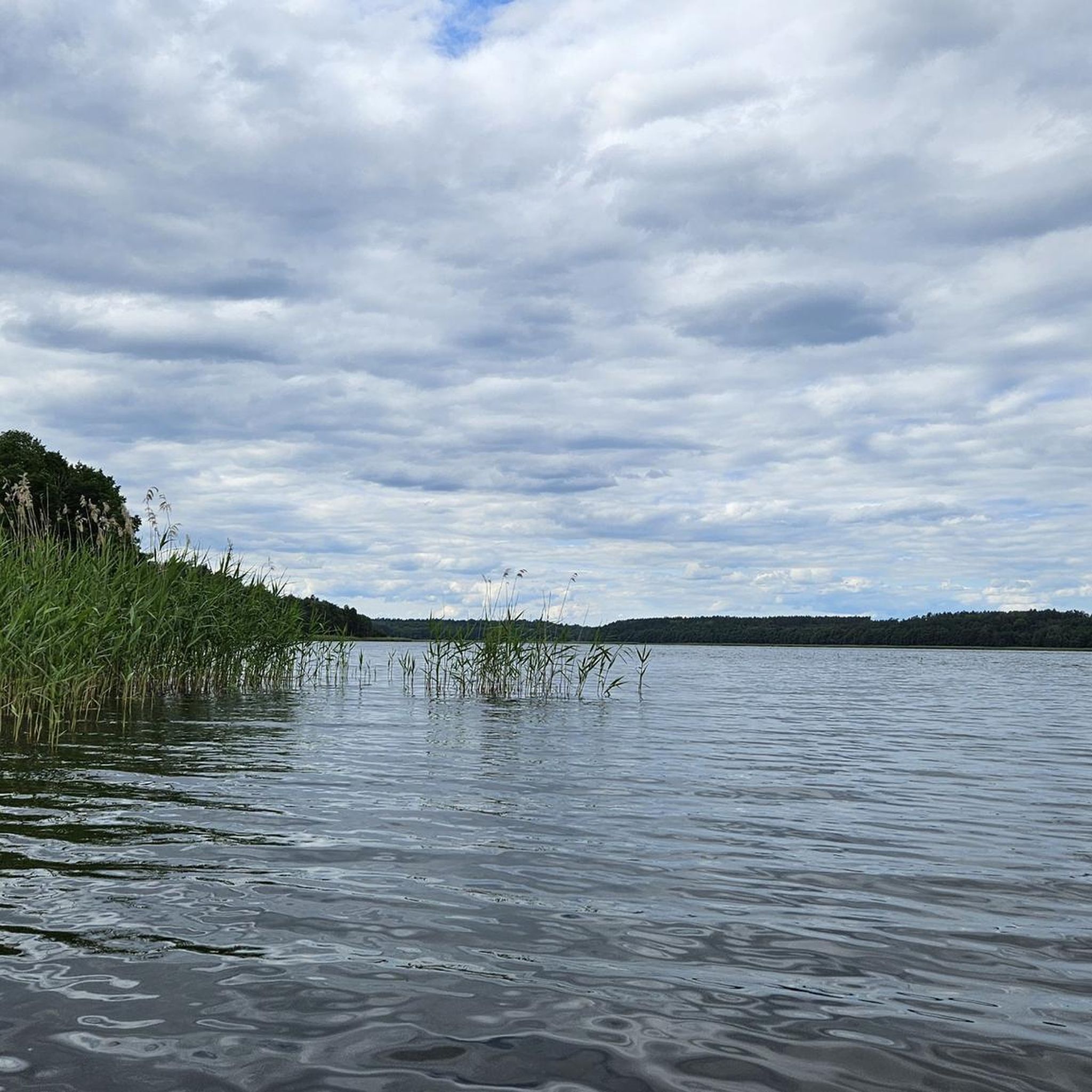
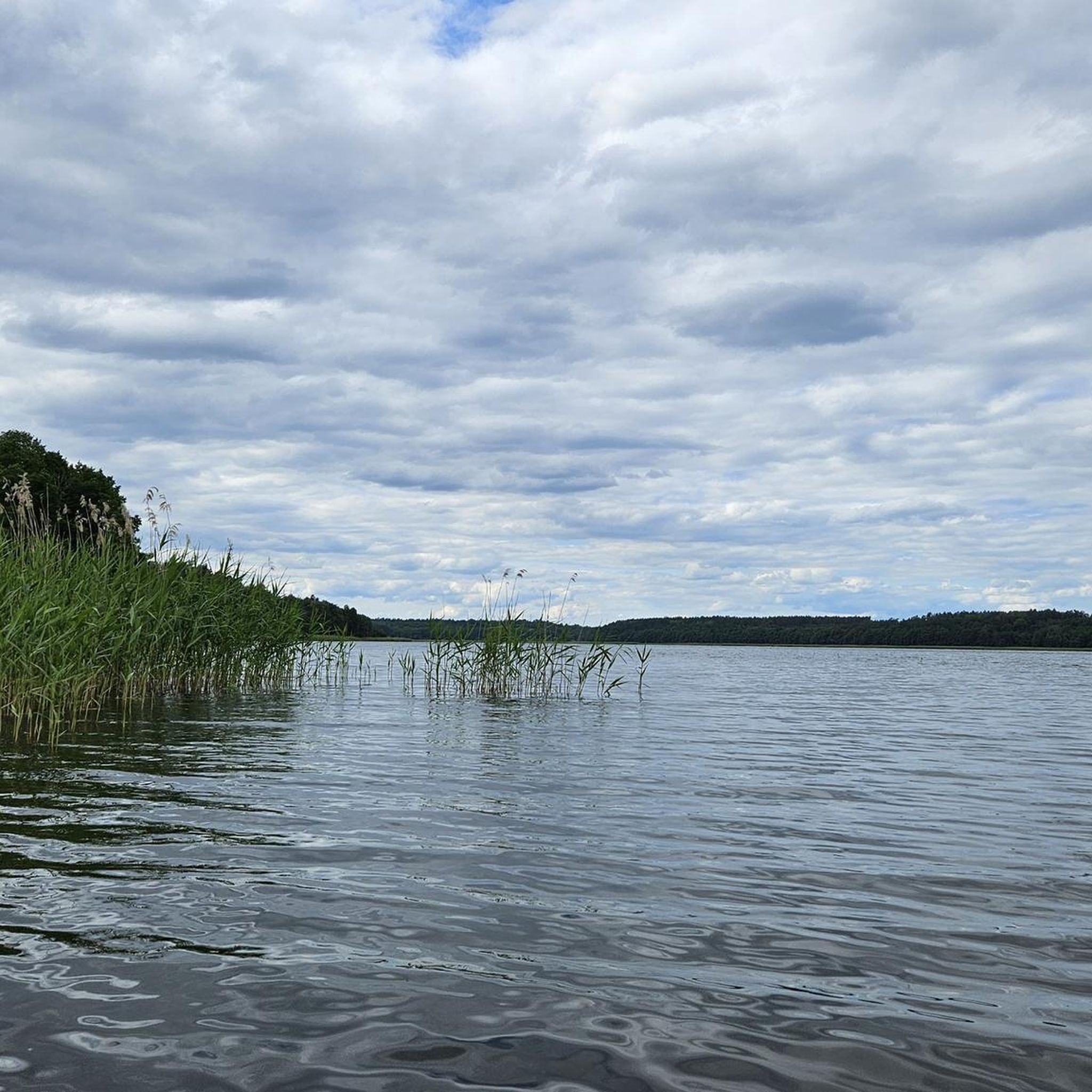
A ribbon lake located on the northern edge of the North-Country Lakeland, within the Przechlewo commune, with a total area of 55 ha.
0
0

The building was built in 1819–1821 for the local Protestant community. In 1830, a free-standing bell tower was added. In 1924, the temple underwent a major renovation. On September 30, 1945, it was consecrated as a Catholic church, and in 1966 a porch was added.
0
0

Karl Russ was an outstanding resident of Bialy Bor, born on January 14, 1833. He came from the pharmacist's family, which favored Karl's intellectual development. Often in the house of his father was officials from Bialy Bor who came to Bialy, and committee members who were happy to share their views. In 1862 he went to Bydgoszcz to become the second editor of the Bromberger Zeitung newspaper. Then he moved to Berlin and became a writer. In 1866 he was awarded the title of doctor as an expression of recognition of his previous work. The subject he addressed was mainly ornithology. Karl Russ is also the founder of the magazine "Die gefiederte Welt" (Feathered World) and the Association of Bird Lovers "Aegintha". The most important for the inhabitants of Bialy Bor is the book "Natur- und Kulturbilder", in which he describes his city as a place of birth and adolescence. Karl Russ died in Berlin on September 29, 1899.
0
0
This is an amazing place! A huge mountain of sand that is waste from gravel extraction from nearby mines. It was built here in the 80-90s when there was no obligation to reclaim the area after mining. Currently owned by the commune. From the southern side it is adjacent to a working gravel pit. Best access from the northeast.
0
0
Frequently Asked Questions
Are there family-friendly attractions around Rzeczenica?
Yes, Rzeczenica offers several family-friendly attractions. Końskie Lake is a ribbon lake suitable for family visits, offering a natural setting to enjoy. Additionally, the historic St. Nicholas Church in Kazimierz is also considered family-friendly, providing a glimpse into the region's history and architecture.
What historical sites can I visit near Rzeczenica?
The area around Rzeczenica features notable historical sites. The St. Nicholas Church in Kazimierz is a 15th-century Gothic temple known for its slender tower and rural sacral architecture. Another historical religious building is the Church of Our Lady of Częstochowa in Żółtnica, built in the early 19th century. You can also find the Karl Russ Memorial, dedicated to a local writer and ornithologist from Bialy Bor.
Where can I find viewpoints with scenic landscapes?
For a unique viewpoint, visit the Pomorska Sand Hill. This large, man-made sand hill, a result of gravel extraction, offers a picturesque landscape and is considered a natural monument. It provides interesting views of the surrounding area.
Are there easy hiking trails around Rzeczenica?
Yes, there are several easy hiking trails available. You can explore routes like the Półwysep "Dymin" loop from gmina Koczała (6.6 km) or Dymin (6.4 km), the Łobez loop from Biały Bór (4 km), or the Hotel Aubrecht loop from Koprzywnica (5.7 km). For more details and routes, refer to the Easy hikes around Rzeczenica guide.
What natural features are prominent in the Rzeczenica area?
The region is characterized by natural ribbon lakes and landscapes shaped by human activity. Końskie Lake is a notable ribbon lake covering 55 hectares, located on the northern edge of the North-Country Lakeland. The Pomorska Sand Hill, while man-made, has become a significant natural-looking feature and viewpoint.
What outdoor activities can I do near these attractions?
Beyond visiting attractions, the Rzeczenica area is suitable for various outdoor activities. You can find numerous hiking and road cycling routes. For hiking, explore the Hiking around Rzeczenica guide, which includes easy loops. Cyclists can find routes in the Road Cycling Routes around Rzeczenica guide, with options ranging from easy to moderate.
Are there any unique geological or man-made landscapes to see?
Yes, the Pomorska Sand Hill is a unique man-made feature that has transformed into a striking landscape. It's a large sand hill resulting from gravel extraction in the 80s and 90s, now owned by the commune and offering a picturesque view.
What do visitors enjoy most about the attractions around Rzeczenica?
Visitors appreciate the blend of historical and natural sites. The 15th-century St. Nicholas Church in Kazimierz is noted for its unique atmosphere with old trees. The Pomorska Sand Hill is often described as an 'amazing place' and 'very picturesque' due to its vastness and unique origin. The area's diverse appeal, from ancient churches to expansive sand formations, is highly valued.
Can I find short walks or circular routes in the area?
Yes, the region offers several short and circular walking routes. For example, the Półwysep "Dymin" loop from gmina Koczała is about 6.6 km, and the Łobez loop from Biały Bór is around 4 km. These are generally easy and suitable for shorter excursions. You can find more options in the Hiking around Rzeczenica guide.
What is the best time to visit Rzeczenica for outdoor activities?
While specific data on the best time to visit is not provided, the presence of lakes and hiking trails suggests that spring, summer, and early autumn would be ideal for enjoying outdoor activities like walking, cycling, and visiting natural sites such as Końskie Lake and the Pomorska Sand Hill.
Are there any religious buildings of architectural interest?
Absolutely. The St. Nicholas Church in Kazimierz is a prime example, a 15th-century Gothic temple built of red brick with a distinctive slender tower, representing typical rural sacral architecture of Pomerania. The Church of Our Lady of Częstochowa in Żółtnica, built in the early 19th century, also holds historical and architectural significance.

Get inspired with the komoot mobile app


Explore more
Still not found the Highlight you’re looking for? See guides of the top attractions in other regions:
