Attractions and Places To See around Bytom - Top 20
Best attractions and places to see around Bytom include a blend of historical sites, industrial heritage, and natural areas within Silesia, Poland. The city features an Old Town with historic tenements and ancient churches, reflecting its rich past. Bytom also offers natural reserves and recreational spots, providing diverse experiences for visitors. Its cultural institutions and unique architectural examples highlight its significance in the region.
Best attractions and places to see around Bytom
- The most popular attractions is Lake Chechło, a lake that offers opportunities for walking and relaxation. The area around the lake features paths and cafes.
- Another must-see spot is Town Hall in Tarnowskie Góry, a man-made monument. This neo-Renaissance building, constructed in the late 19th century, is known for its architectural details and historical atmosphere.
- Visitors also love Kawaler Palace, a historical castle. This palace, built in the French neo-baroque style between 1903 and 1906, was designed by Ernest von Ihne.
- Bytom is known for historical sites, natural reserves, and architectural landmarks. Visitors can explore a variety of attractions, from ancient churches to industrial heritage sites and serene lakes.
- The attractions around Bytom are appreciated by the komoot community, with more than 270 upvotes and 14 photos shared by visitors.
Last updated: July 1, 2026
Świerklaniec Palace Gate at the Silesian Zoo
Highlight • Monument
Our zoo covers an area of nearly 50 ha. You can visit them by visiting selected paddocks or use one of the themed sightseeing routes. All sightseeing routes are also available in our mobile application, which will guide you through them step by step.
slaskiezoo.pl
Translated by Google •
Tip by

Lake Chechło
Highlight • Lake
Tip by

Sign up now to discover places like this
Get recommendations on the best single tracks, peaks, & plenty of other exciting outdoor places.
Sign up for free
Kawaler Palace
Highlight • Castle
Thinking about the guests visiting the Donnersmarck family, in the years 1903-1906, near the "Little Versailles", another building, enchanting with its taste and modernity, was created, called the Cavalier's Palace. The Cavalier's Palace was equipped with, among others in Istrian marble floors, American "Royal" bathtubs made of one piece of earthenware, paintings by masters, etc. The main reason for its creation was the frequent visits of the Emperor of Germany, Wilhelm II, who came here to hunt. The Knight's Palace in the French neo-baroque style was designed by Ernest von Ihne, architect of Emperor Wilhelm II. The Kawalera Palace was built on a plan similar to a square. The brick facade of the building is made in two colors: red walls and white corners. In the central part of the building there is a representative, oval hall with a marble-mirror staircase. On the front of the palace there is an inscription "Memento vivere" (Remember about life), which was supposed to encourage visiting guests and bachelors (especially) to have fun.
slaskie.travel/poi/3416/palac-kawalera-w-swierklancu
Translated by Google •
Tip by
Town Hall in Tarnowskie Góry
Highlight • Monument
The building has three floors, but a tall tower dominates the body. Numerous turrets, projections topped with gables, balconies and bay windows look impressive. In the front elevation, we can see a stone figure of the goshawk, which replaced the old sculpture of Prince George Hohenzollern. This building is commonly considered the most beautiful (next to Bielsko) town hall in the entire voivodeship. Originally, there were shops on the ground floor of the town hall, the office on the first floor, and the mayor's apartment on the second floor. To this day, the magnificent boarding room of the city council makes a great impression.
slaskie.travel/poi/15865/ratusz-w-tarnowskich-gorach
pl.wikipedia.org/wiki/Ratusz_w_Tarnowskich_G%C3%B3rach
Translated by Google •
Tip by
Sztygarka Complex in the former "Prezydent" mine
Highlight • Historical Site
The President Shaft Hoisting Tower is a strut type tower with a unique, reinforced concrete structure and a height of 42 m - one of the most modern at that time in Europe.
Attractions of the complex:
- The President Shaft Extraction Tower with an observation deck
- President Restaurant - in the former canteen for engineers and foremen. In the interwar period, among others, the Presidents of the Republic of Poland S. Wojciechowski, I. Mościcki and the outstanding Upper Silesian activist W. Korfanty
- Pod Wieżą Cafe - foremen lived here
- Liquid Air Storage. Concerts, cultural and theatrical events, social events and events take place here. Formerly a military bath and mine air liquefaction.
zabytkitechniki.pl/poi/1689 Szyb-prezydent-kompleks-sztygarka
Translated by Google •
Tip by
Sign up for free to discover even more attractions around Bytom.
Sign up for free
Already have an account?
Start today with a free account
Your next adventure awaits.
Login or Signup

Tips from the Community

A great landmark on the bike route through the center of Tarnowskie Góry – the town hall with its neo-Renaissance façade and tower, where it is worth taking a break and admiring the architectural details and the historical atmosphere of the city.
0
0
A beautiful building preserved in excellent condition.
0
0

A pleasant walk by the lake, I recommend coming during the week, there are a huge number of walkers and cyclists.
0
0


Bachelor's Palace (also Kawaler's House, German: Kavaliershaus) - a palace built in the years 1903–1906 in the French neo-baroque style in Świerklaniec, entered into the register of immovable monuments of the Silesian Voivodeship.
2
0

The present town hall in Tarnowskie Góry, which can be admired in the southern frontage of the Market Square, was built at the end of the 19th century, when the city was dynamically developing. The plot was purchased in 1894, but construction began two years later. The design was prepared by an architect from Berlin, Hermann Guth. He proposed a magnificent building in the neo-renaissance-neo-gothic style, interestingly very similar to another, realized at the same time, own project - the town hall in Jawor in Lower Silesia. The building was erected in the years 1896-98. Bricks were used for its construction, and for the facade decoration - clinker bricks, Silesian granite and sandstone. The building has three floors, but a tall tower dominates the body. Numerous turrets, projections topped with gables, balconies and bay windows look impressive. In the front elevation, we can see a stone figure of the goshawk, which replaced the old sculpture of Prince George Hohenzollern. This building is commonly considered the most beautiful (next to Bielsko) town hall in the entire voivodeship. Originally, there were shops on the ground floor of the town hall, the office on the first floor, and the mayor's apartment on the second floor. To this day, the magnificent boarding room of the city council makes a great impression. https://www.slaskie.travel/poi/15865/ratusz-w-tarnowskich-gorach https://pl.wikipedia.org/wiki/Ratusz_w_Tarnowskich_G%C3%B3rach https://www.youtube.com/watch?v=AqxI0pogOkg
2
1
Świerklaniec is a small town situated in the district of Tarnowskie Góry, in the valley of the Brynica River. The history of the village and the construction of the unique palace and park complex are closely related to the Donnersmarck family. In the 1870s, Count Guido von Donnersmarck built a residence for his wife, which was called "Little Versailles" or "Silesian Versailles". Its designer was Hector Lefuel, the court architect of Napoleon III. The "Little Versailles" delighted with its splendor and technical innovations. Thinking about the guests visiting the Donnersmarck family, in the years 1903-1906, near the "Little Versailles", another building, enchanting with its taste and modernity, was created, called the Cavalier's Palace. The Cavalier's Palace was equipped with, among others in Istrian marble floors, American "Royal" bathtubs made of one piece of earthenware, paintings by masters, etc. The main reason for its creation was the frequent visits of the Emperor of Germany, Wilhelm II, who came here to hunt. The Knight's Palace in the French neo-baroque style was designed by Ernest von Ihne, architect of Emperor Wilhelm II. The Kawalera Palace was built on a plan similar to a square. The brick facade of the building is made in two colors: red walls and white corners. In the central part of the building there is a representative, oval hall with a marble-mirror staircase. On the front of the palace there is an inscription "Memento vivere" (Remember about life), which was supposed to encourage visiting guests and bachelors (especially) to have fun. https://www.slaskie.travel/poi/3416/palac-kawalera-w-swierklancu https://www.youtube.com/watch?v=iEWxcy1kYek
4
1
Frequently Asked Questions
What historical sites can I explore in and around Bytom?
Bytom is rich in history. You can visit the city's Old Town with its historic tenements and main square, guarded by a sculpture of a sleeping lion. Notable churches include the 13th-century Church of the Assumption of the Virgin Mary and St. Adalbert Church. Another intriguing historical site is the 13th-century Piwnice Gorywodów (Gorywodas' Basements). For a glimpse into industrial heritage, explore the Sztygarka Complex in the former "Prezydent" mine, which offers an observation deck and cultural events.
Are there any family-friendly attractions near Bytom?
Yes, Bytom offers several family-friendly options. Lake Chechło is a great spot for walks and relaxation, with paths suitable for families. The Świerklaniec Palace Gate at the Silesian Zoo marks the entrance to a large zoo, offering a full day of exploration. The Kawaler Palace, with its impressive architecture, can also be an interesting visit for older children, and the Sztygarka Complex provides an educational experience about the region's mining past.
Where can I find natural areas or reserves for outdoor activities?
Nature lovers will appreciate Bytom's green spaces. The Segiet Beech Tree Reserve in Sucha Gora is perfect for a peaceful walk, and the Żabie Doły Reserve is a haven for birdwatching, home to over 100 bird species. For a relaxing stroll, Lake Chechło offers pleasant paths and cafes. Within the city, Park Miejski provides a large green escape.
What cultural institutions are worth visiting in Bytom?
Bytom is a significant cultural center. The Upper Silesian Museum (Górnośląskie Museum) boasts extensive collections covering archaeology, ethnography, natural history, and art, making it one of Poland's most important regional museums. The Silesian Opera (Opera Śląska) is a key venue for performances, and the Kronika Centre for Contemporary Art (Galeria Kronika) focuses on modern art and houses Upper Silesia's only artistic bookstore.
Are there any unique or unusual attractions in Bytom?
Bytom offers a few unique experiences. You can ride the Historical Tram No. 38, which is the oldest working tram in Poland and has one of the shortest routes. The city also features the world's oldest continuously operating narrow-gauge railway, which runs during the summer season. Additionally, the impressive Szombierki Power Station, an early 20th-century industrial architectural marvel, is photogenic and occasionally offers guided tours or events.
Can I find easy hiking trails near Bytom?
Yes, there are several easy hiking trails around Bytom. For instance, you can explore the Rezerwat Segiet loop from Rezerwat Segiet, which is about 3.2 km. Another option is the Żabie Doły Murals – Combat Bunker loop from Żabie Doły, covering approximately 6.4 km. You can find more easy hiking routes and detailed information on the Easy hikes around Bytom guide page.
What are some architectural highlights in the area?
Bytom showcases diverse architecture. The city's Old Town features numerous listed tenements and impressive Art Nouveau buildings like the court and former post office. You can also admire the large Neo-Romanesque church built between 1908 and 1911, with its two 57-meter-high towers. Outside Bytom, the Town Hall in Tarnowskie Góry is a striking neo-Renaissance building, and the Kawaler Palace is a beautiful example of French neo-baroque style.
Are there opportunities for cycling around Bytom?
Absolutely, Bytom and its surroundings offer various cycling routes. You can enjoy an easy 23.5 km loop around the Chechło–Nakło Reservoir and Lake Chechło from Sucha Góra. For a moderate ride, consider the Tarnowskie Góry Market Square – Town Hall in Tarnowskie Góry loop from Bytom Stroszek, which is about 27.3 km. More cycling options are available on the Cycling around Bytom guide page.
What do visitors particularly enjoy about the attractions near Bytom?
Visitors frequently praise the blend of historical charm and natural beauty. Many enjoy the peaceful walks around Lake Chechło, especially during quieter times, and appreciate the architectural details of landmarks like the Town Hall in Tarnowskie Góry. The historical significance and well-preserved nature of sites like the Kawaler Palace also receive positive feedback, highlighting the region's rich past.
Can I find viewpoints or scenic spots in the area?
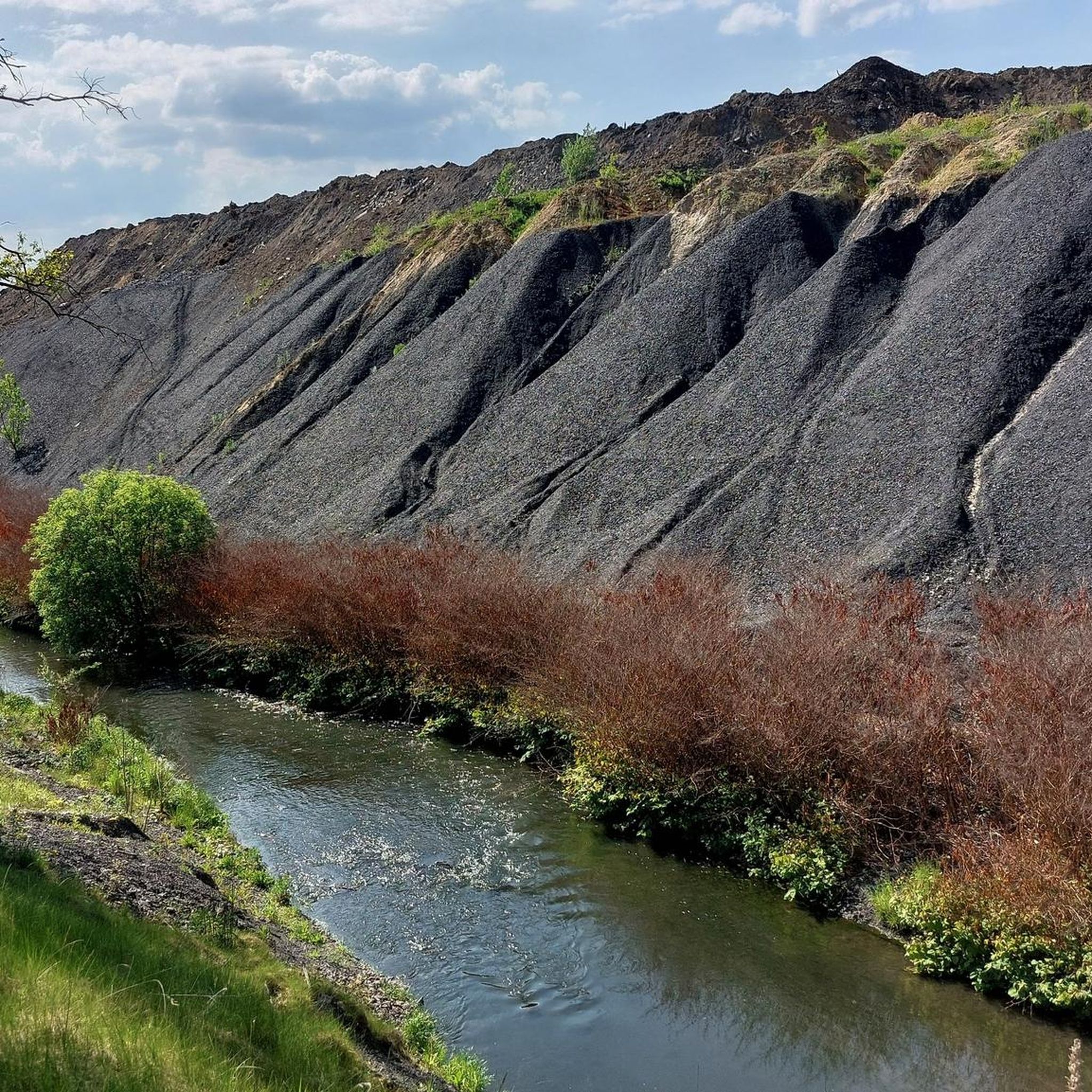
Yes, there are several places offering scenic views. The President Shaft Extraction Tower at the Sztygarka Complex provides an observation deck for panoramic views. Lake Chechło is also noted for its pleasant views, especially during a leisurely walk around its perimeter. The Popłuczki Spoil Heap near Segiet Nature Reserve is another spot that can offer elevated perspectives of the landscape.
Are there any winter outdoor activities available in Bytom?
For winter sports enthusiasts, Dolomity Sportowa Dolina in Bytom-Sucha Gora is a main attraction, offering opportunities for skiing and snowboarding when conditions allow. The natural reserves and parks, such as Park Miejski, also provide beautiful settings for winter walks and enjoying the snowy landscape.
Where can I learn about Bytom's industrial heritage?
Bytom's industrial past is deeply ingrained in its identity. The Sztygarka Complex in the former "Prezydent" mine is an excellent place to start, featuring a historic hoisting tower and facilities that once served the mine. The striking Szombierki Power Station, designed by Emil and George Zillman, is another significant example of industrial modernism, and the mine shaft "Krystyna" also stands as a testament to this heritage.
Most popular routes around Bytom
Most popular attractions around Bytom

Get inspired with the komoot mobile app


