Attractions and Places To See around gmina Pietrowice Wielkie - Top 20
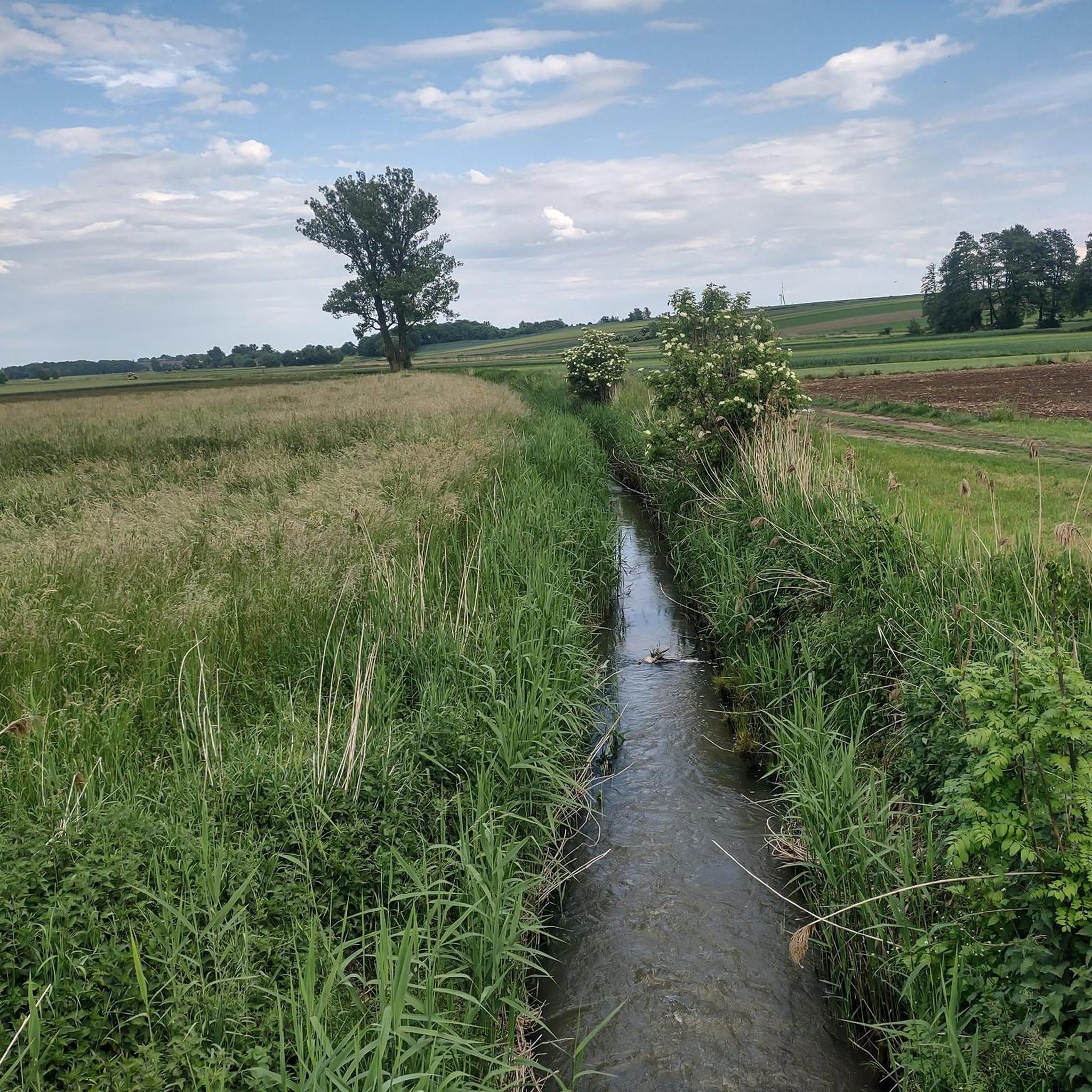
Best attractions and places to see around gmina Pietrowice Wielkie include historical landmarks, natural beauty, and cultural sites. The region features expansive fields, meadows, and wooded areas, alongside the picturesque Valley of the Troja River. Visitors can explore a blend of architectural heritage, such as historic churches and palaces, and natural points of interest like arboretums and viewpoints. This area offers diverse opportunities for exploration, from cultural sites to scenic landscapes.
Best attractions and places to see around gmina Pietrowice…
Last updated: May 20, 2026
Sobieski Oak in Łężczok
Highlight • Natural Monument
Translated by Google •
Tip by

Sławików Palace Ruins
Highlight • Historical Site
Translated by Google •
Tip by

Sign up now to discover places like this
Get recommendations on the best single tracks, peaks, & plenty of other exciting outdoor places.
Sign up for free
Castle and brewery in Racibórz
Highlight • Castle
Translated by Google •
Tip by
Hedge Maze at Arboretum Bramy Morawskiej
Highlight • Structure
Translated by Google •
Tip by

Polska Cerekiew Castle
Highlight • Castle
Translated by Google •
Tip by
Sign up for free to discover even more attractions around gmina Pietrowice Wielkie.
Sign up for free
Already have an account?
Start today with a free account
Your next adventure awaits.
Login or Signup
Popular around gmina Pietrowice Wielkie

Tips from the Community

Now part of the Collection https://www.komoot.com/de-de/collection/3600632/-naturdenkmaeler-besondere-baeume-und-weitere-schaetze-der-natur
1
0

The castle in Racibórz is one of the oldest and best documented castles in Silesia, with roots dating back to the 9th century. Situated on a river island, it was the seat of castellans, Racibórz princes and noble families for centuries. It has undergone many reconstructions, the most important of which is the Gothic chapel of St. Thomas Becket, called the pearl of Silesian Gothic. Currently, the castle houses, among others, a museum and a brewery and is open to visitors. Road riders can easily get here from the city center, and the courtyard is often the site of outdoor events.
2
0
The palace in Sławików is the ruin of a 19th-century eclectic residence located in the Silesian Voivodeship, surrounded by a vast landscape park. The building belonged to, among others, the von Eikstedt family, who gave it a neoclassical character and enriched it with an orangery and an impressive elevation with towers and a columned portico. The palace was destroyed at the end of World War II, and in the post-war period it fell into ruin. Since 2018, the Rudnik commune has been carrying out activities to protect the building from further destruction. Access by road bike is possible, although the last section may lead through uneven terrain. A place worth visiting for history and architecture enthusiasts.
1
0
The castle in Polska Cerekwia is a historic building whose history dates back to the 14th century. In the 16th century, it became the property of the von Oppersdorff family, and in the years 1562–1563 it was rebuilt. In 1617, Frederick III von Oppersdorff transformed it into a late Renaissance palace with a three-winged form with a courtyard and two octagonal towers. The castle façade is distinguished by an impressive portal with the coat of arms of the Matuschka family and Latin inscriptions commemorating its expansion. The building is part of a 17th-century castle complex, which was rebuilt in the 19th century and also includes a historic park.
1
0

Viewpoint closed (as of September 2024)
0
1

Ruins of a beautiful palace. An interesting description can be found on the website: http://www.gliwiczanie.pl/Odwiedziny/slawikow/slawikow.htm
0
0

In the second half of the 16th century, the Lords of Zástřizl had a stately zoo built in the area of the deserted village of Hošperk, which belonged to the Boskowitz Castle. The Hirschberg (Hiršperk) hunting lodge was built at the northern end of the deserted village.
1
0

Sobieski's Oak - an over 400-year-old specimen of the pedunculate oak (Quercus robur L.) located in the Łężczok nature reserve, within the administrative borders of Racibórz. It is the thickest and oldest tree in Racibórz, the Łężczok reserve, and also one of the three oldest and most impressive trees in the landscape park called Cistercian Landscape Compositions of Rudy Wielkie. The oak got its name from the legend according to which the tree was planted to commemorate the stay of King Jan III Sobieski in those areas during the march to the relief of Vienna in 1683. It is known, however, that it is not true, because in 1683 the tree was already about 100 years old. In turn, Jan Duda, in the publication "Natural Peculiarities of Racibórz" published in 2001, writes about the application according to which the king was supposed to stop under an oak tree on his way to Vienna. The oak is part of the tradition of Sobieski trees, well-known in Upper Silesia. https://pl.wikipedia.org/wiki/D%C4%85b_Sobieskiego_w_%C5%81%C4%99%C5%BCczoku
5
0
Frequently Asked Questions
What historical sites can I explore in Gmina Pietrowice Wielkie?
The region is rich in history. You can visit the historic Castle and brewery in Racibórz, one of Silesia's oldest castles with a Gothic chapel. Another significant site is the Polska Cerekiew Castle, a 14th-century building with a late Renaissance palace. Don't miss the atmospheric Sławików Palace Ruins, a 19th-century eclectic residence surrounded by a vast landscape park, currently undergoing preservation efforts.
Are there any unique natural attractions or viewpoints in the area?
Absolutely. The Sobieski Oak in Łężczok is a must-see, an over 400-year-old natural monument and the thickest, oldest tree in the Łężczok nature reserve. For panoramic views, ascend the 22.83-meter-high Observation Tower near the Wooden Church of the Holy Cross, offering vistas of the surrounding area and the Moravian Gate on clear days. The picturesque Valley of the Troja River, surrounded by scenic meadows, is another natural highlight.
What family-friendly activities are available in Gmina Pietrowice Wielkie?
Families will enjoy the Hedge Maze at Arboretum Bramy Morawskiej, a beautifully landscaped garden with a labyrinth that can be admired from a viewing platform. Pietrowice Wielkie also boasts a free Mini Zoo, open daily until 6:00 PM, perfect for younger visitors. Additionally, the Gmina offers safe playgrounds for children and multi-purpose sports fields.
Where can I find historical churches or religious sites?
The region is rich in religious heritage. The Wooden Church of the Holy Cross, dating back to 1667, is a significant pilgrimage site in Silesia, housing a famous Baroque painting and featuring a 'miraculous spring.' The Church of St. Vitus, Modestus, and Crescentia in Pietrowice Wielkie, built in the 16th century, retains parts of its original Gothic structure and features 18th-century paintings. Many other historic parish churches and prayer chapels are scattered throughout the Gmina.
Are there opportunities for cycling in Gmina Pietrowice Wielkie?
Yes, the Gmina is well-suited for cycling, offering safe routes through beautiful landscapes. You can find various road cycling routes, including longer ones like the 'Cistercian Abbey in Rudy – Lake Rybnik loop' or shorter options such as the 'Piast Castle in Racibórz loop'. For more details and route options, visit the Road Cycling Routes around gmina Pietrowice Wielkie guide.
What kind of hiking trails are available near the attractions?
You'll find several easy hiking trails around Gmina Pietrowice Wielkie, perfect for leisurely walks. Options include loops like 'Racibórz Market Square – Marian Column Racibórz' or 'St. James Church, Racibórz – Chapel of Racibórz Castle.' These trails offer a chance to explore the local scenery and historical points at a comfortable pace. Discover more routes in the Easy hikes around gmina Pietrowice Wielkie guide.
Can I go running or jogging in the area?
Yes, there are several running trails available. You can enjoy routes such as the 'Running loop from Pietrowice Wielkie' (4.5 km, easy) or more moderate options like the 'Running loop from Racibórz County' (7 km). These trails provide excellent opportunities for outdoor exercise amidst the region's natural beauty. For a comprehensive list, check out the Running Trails around gmina Pietrowice Wielkie guide.
What are some unique architectural sights in the Gmina?
Beyond the castles, you can observe the distinctive Frankish-style buildings in Cyprzanów, which offer an interesting architectural insight into the Gmina's past. The Palace Complex in Krowiarki, though currently uninhabited, showcases an architectural blend of styles from its 1826 construction and subsequent reconstructions, set within a notable landscape park.
Are there any places to relax outdoors or enjoy nature?
The Gmina offers several spots for relaxation. The Arboretum near the Wooden Church of the Holy Cross features a green hillside with diverse shrubs and trees, complete with a designated resting area and a grilling spot. The expansive fields and meadows, interspersed with wooded areas and parks, provide picturesque settings for enjoying nature, often with numerous stork nests indicating the area's natural beauty.
What do visitors enjoy most about Gmina Pietrowice Wielkie?
Visitors particularly appreciate the blend of historical landmarks and natural beauty. The rich history found in its castles and churches, combined with scenic landscapes like the Valley of the Troja River and the ancient Sobieski Oak, offers a diverse and engaging experience. The community also values the opportunities for outdoor activities like cycling and hiking, and the family-friendly attractions.
Are there any equestrian activities or stables in the region?
Yes, for those interested in equestrian activities, there are Stables located in Kornice, offering an additional attraction for visitors who enjoy horses or wish to experience the region from a different perspective.
Most popular routes around gmina Pietrowice Wielkie
Most popular attractions around gmina Pietrowice Wielkie

Get inspired with the komoot mobile app


Explore more
Still not found the Highlight you’re looking for? See guides of the top attractions in other regions:
