Top 11 Castles around Löffingen
Best castles around Löffingen are found in the Black Forest region of Germany, offering a glimpse into the area's medieval past. Many of these historical castle sites exist as ruins or vanished structures. They are often situated in scenic locations, appealing to history enthusiasts and hikers. The sites provide opportunities to explore picturesque landscapes and connect with the region's history.
Best castles around Löffingen
- The most popular castles is Roggenbach Castle Ruins, a castle that features two remaining towers…
Last updated: May 1, 2026
Source of the Danube
Highlight • River
Translated by Google •
Tip by

Danube source
Highlight • Natural Monument
Translated by Google •
Tip by

Sign up now to discover places like this
Get recommendations on the best single tracks, peaks, & plenty of other exciting outdoor places.
Sign up for free
Fürstenberg Palace (Donaueschingen Palace)
Highlight • Castle
Translated by Google •
Tip by

Neu-Fürstenberg Castle Ruins
Highlight • Castle
Translated by Google •
Tip by

Roggenbach Castle Ruins
Highlight • Castle
Translated by Google •
Tip by

Sign up for free to discover even more castles around Löffingen.
Sign up for free
Already have an account?
Start today with a free account
Your next adventure awaits.
Login or Signup
Popular around Löffingen
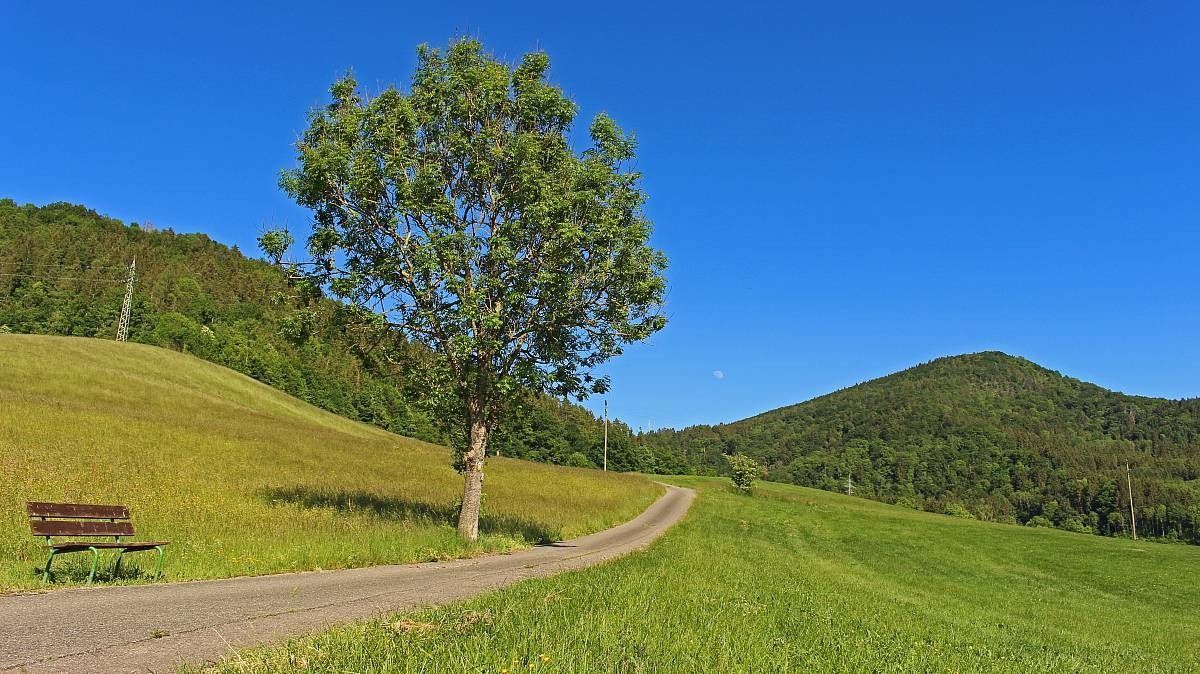
The Freiburg–Lake Constance Black Forest Trail — To the Swabian Sea
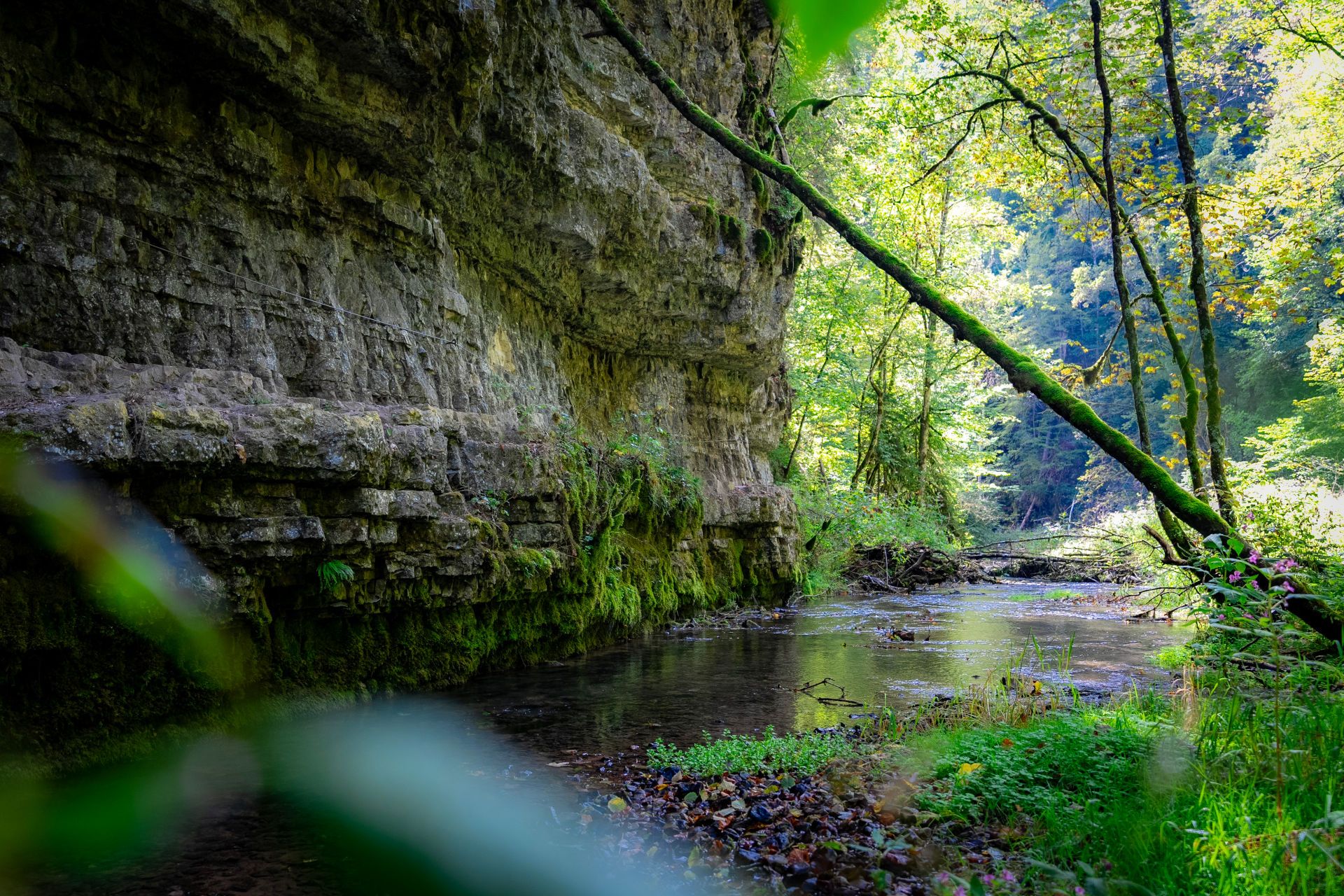
Germany’s largest canyon – hiking in the Wutach Gorge
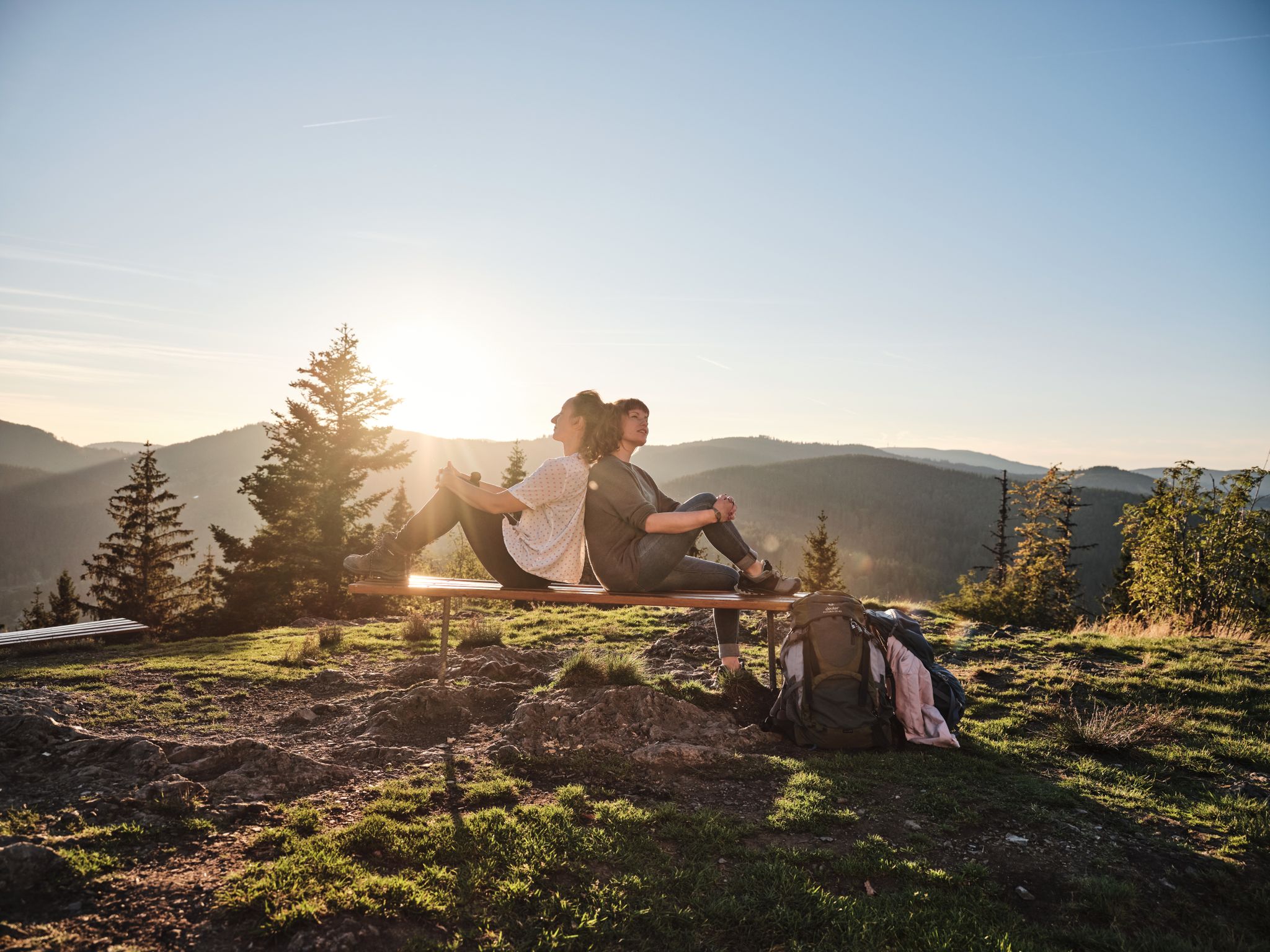
Hiking the Süden – between Black Forest, Lake Constance and Swabian Alb
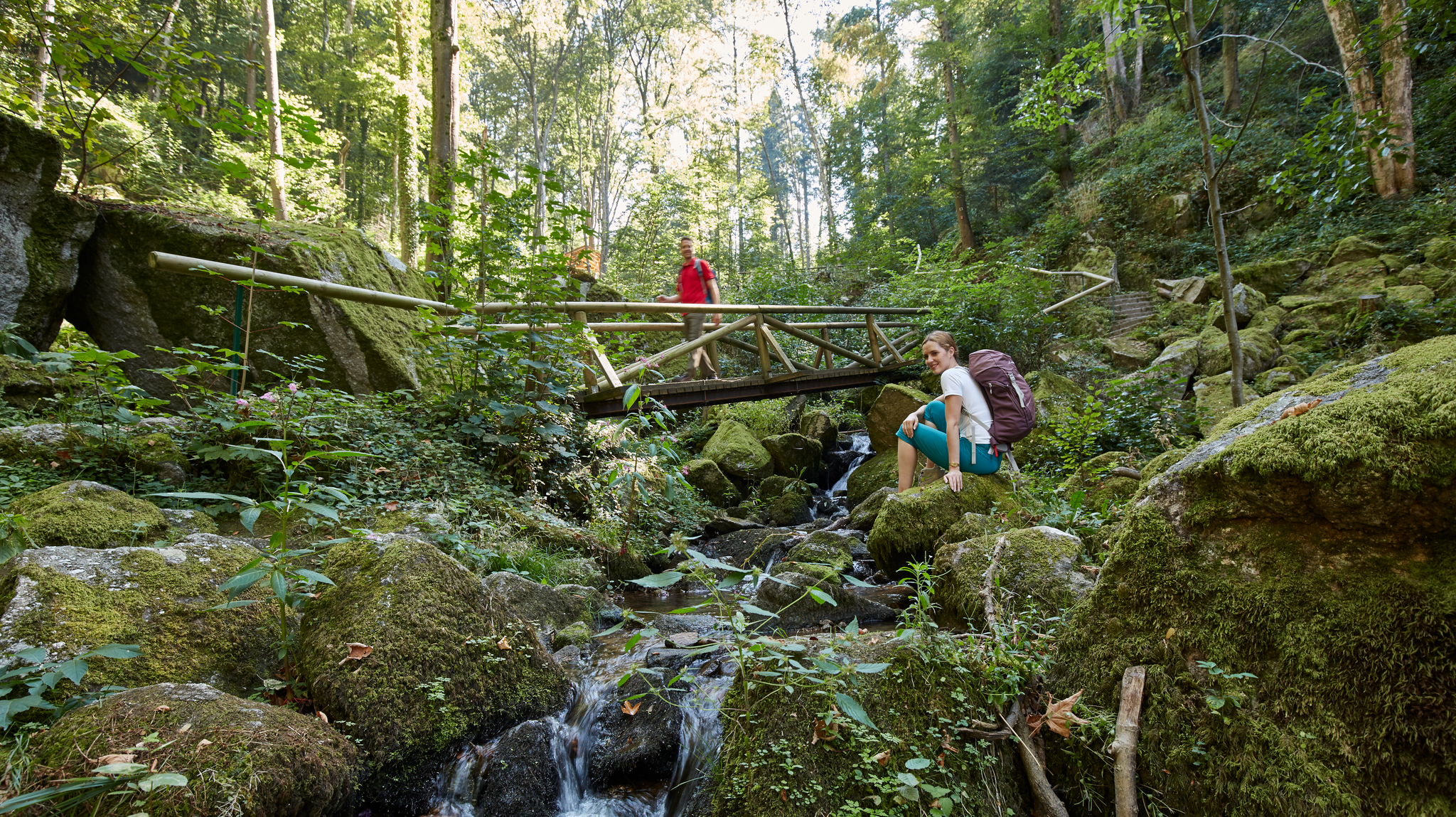
Waterfalls, gorges and cliffs – cooling off in Baden-Württemberg
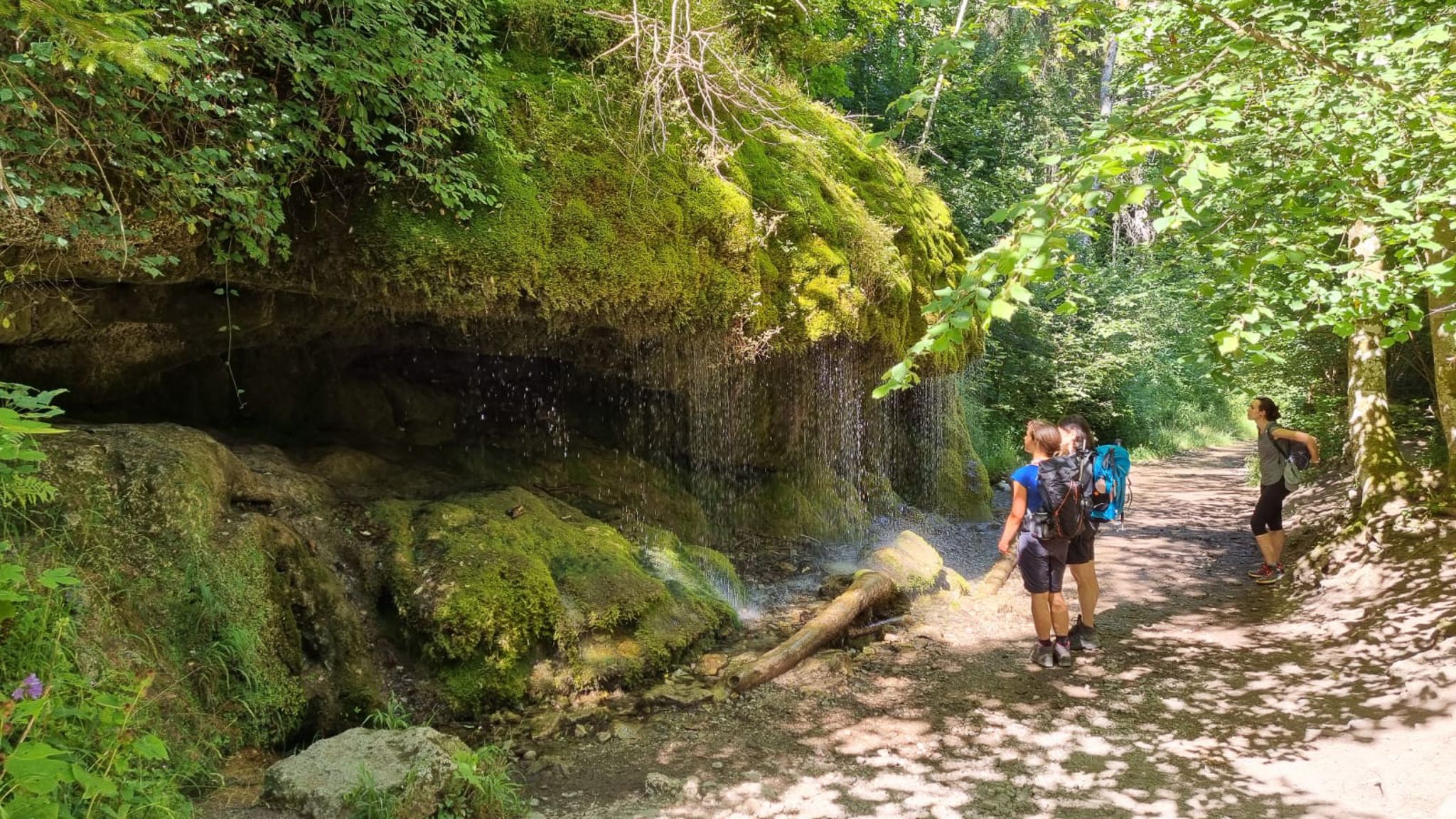
Schluchtensteig-Ost | From Stühlingen to Schluchsee
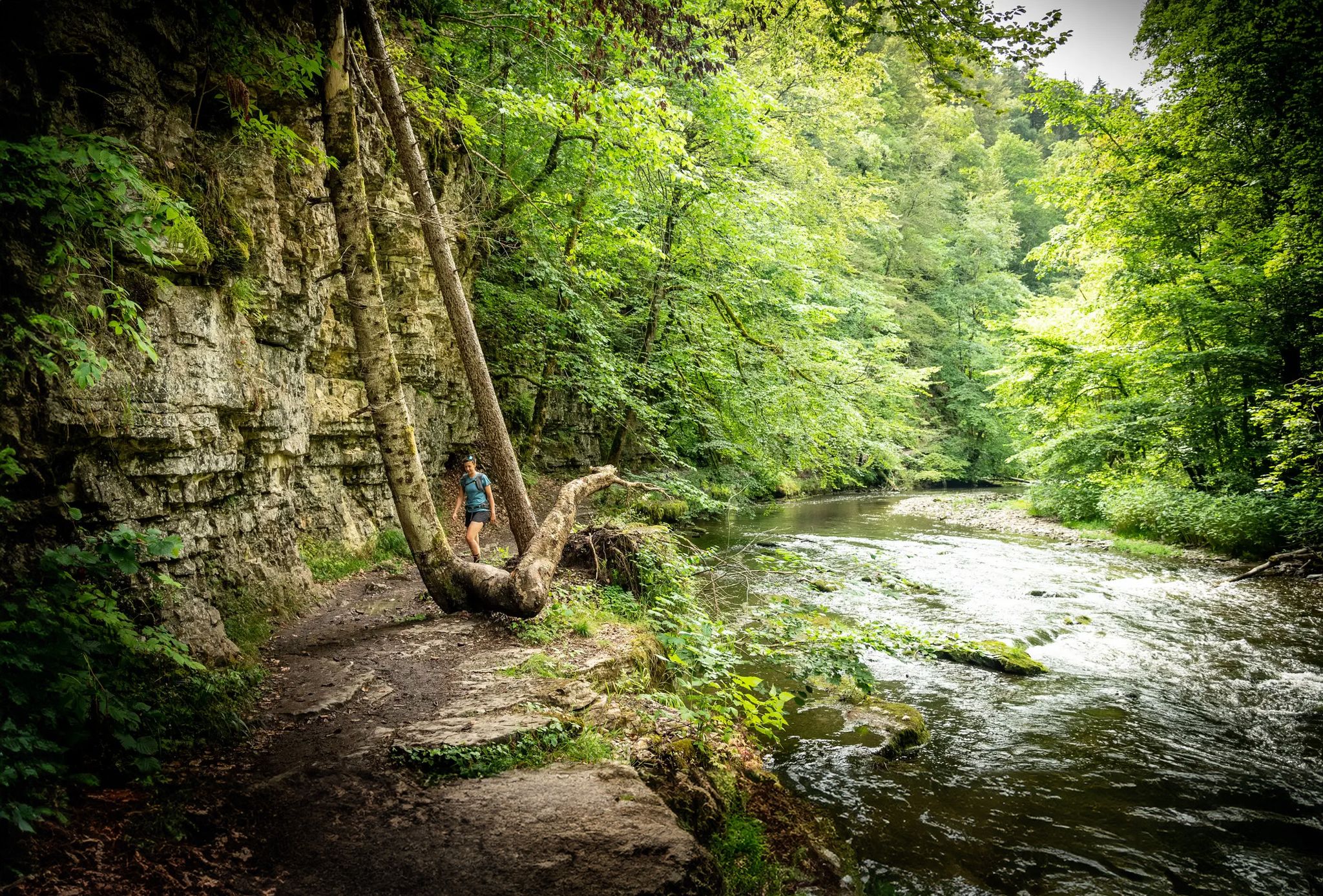
Wide views and wild valleys – the Black Forest and the Swabian Alb
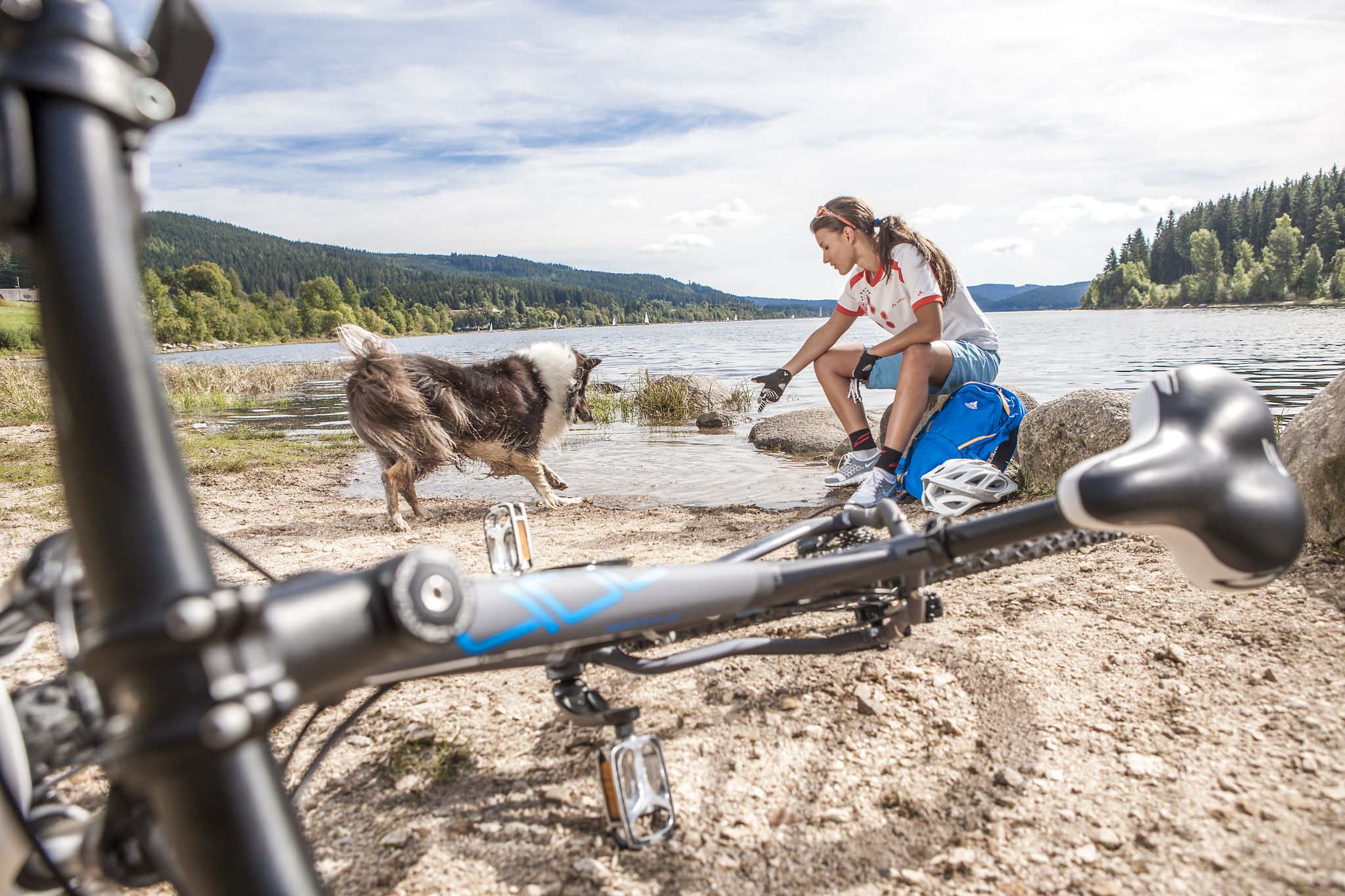
Panoramas, trails and lake hopping – biking in the Black Forest
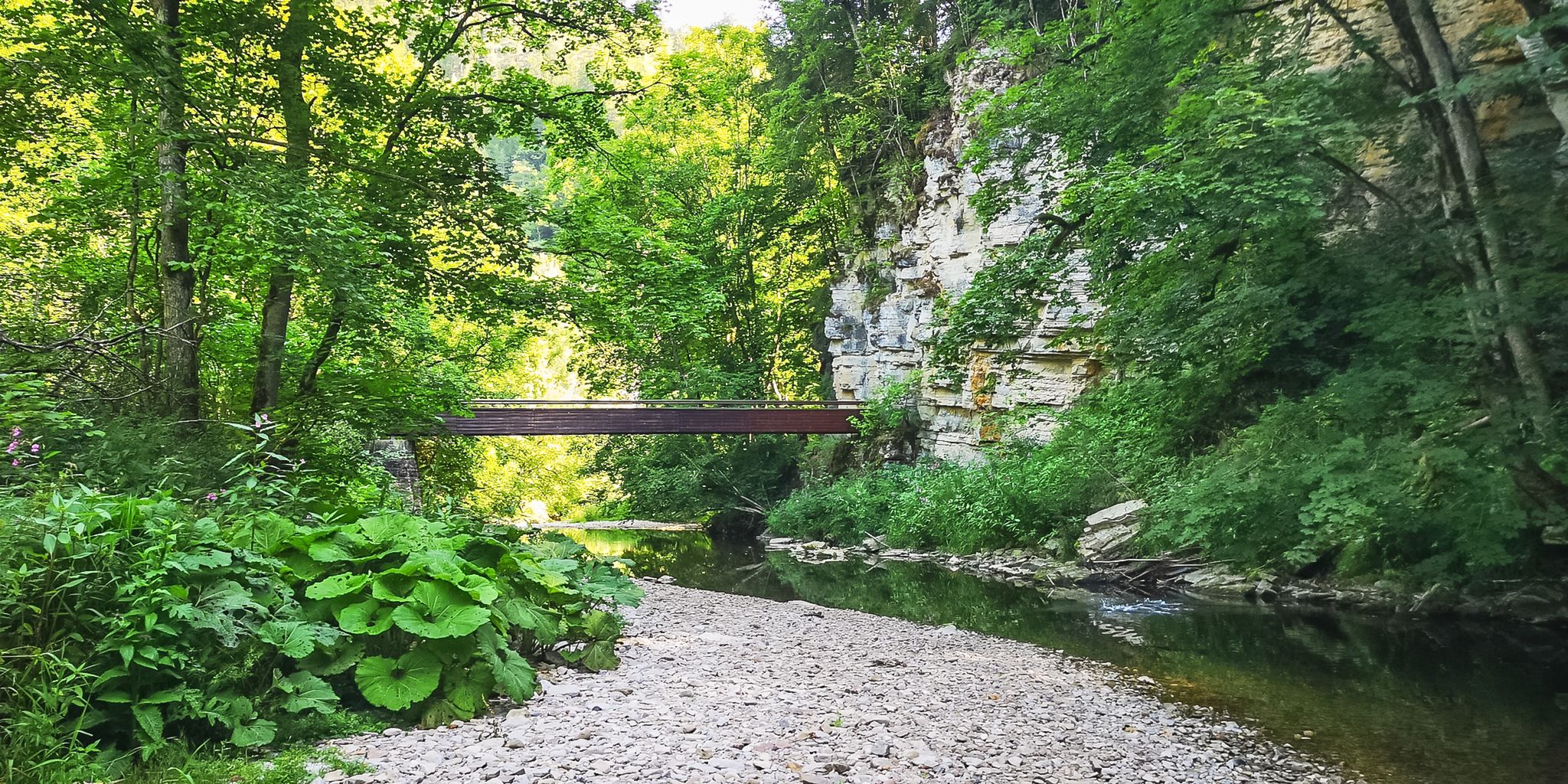
Babbling brooks and impressive canyons – the Gorge Trail
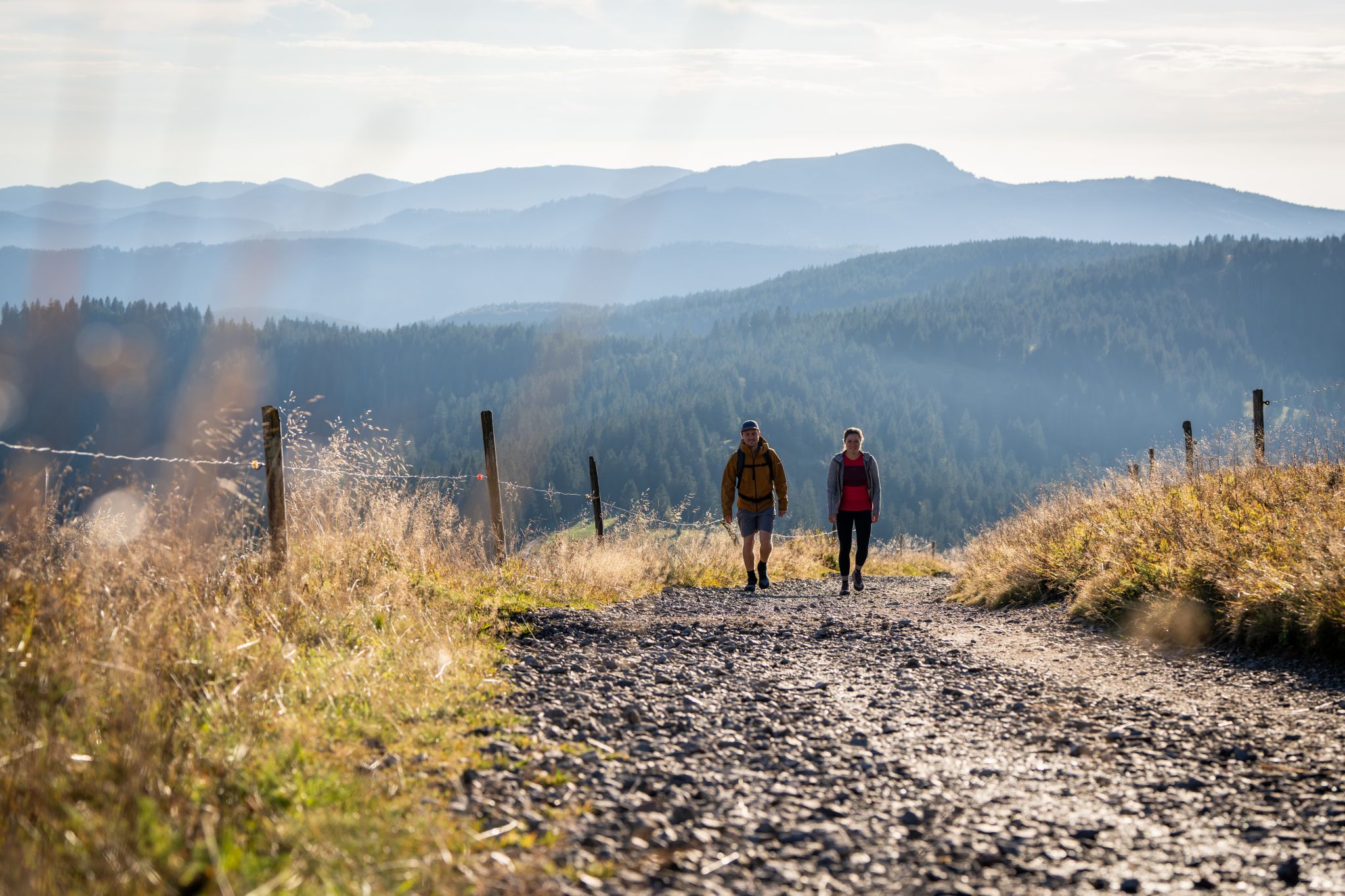
Premium hiking in the Black Forest
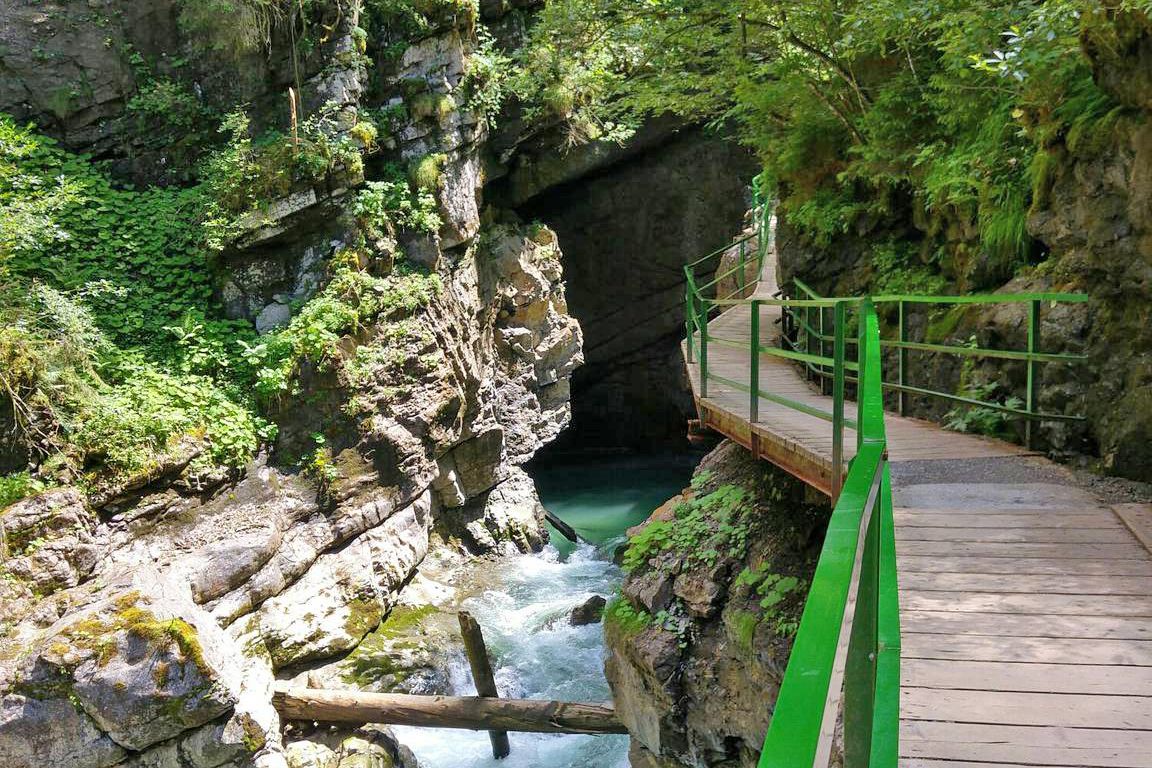
Wild gorges in southern Germany and northern Switzerland
Other adventures around Löffingen


Tips from the Community

From 1892 to 1896, the castle was redesigned inside and out in the Belle Époque style by the Parisian architect Amand Louis Bauqué, who ran an architectural office in Vienna together with Albert Emilio Pio, and given a dome. On the central projection of the garden façade, above the balcony, are the coat of arms of the House of Fürstenberg and two ancient imperial busts depicting Marcus Aurelius and Lucius Verus, which were purchased in Rome in 1895.[10] Apart from a few modernization measures, this condition has been preserved to this day. Source: https://de.wikipedia.org/wiki/Schloss_Donaueschingen
0
0

The castle was built in French style
2
0

Great castle and park, but can only be seen through the hedges as it is not open to the public.
4
0

Unfortunately, you cannot access the park
3
1

You can find "Fürstenberg" all over Donaueschingen.
1
0

Accessible, for example, via a short, steep detour from the Bregtalweg. The castle was built in the mid-14th century by the noble Fürstenberg family and destroyed in the Peasants' War of 1525. Following the small path down past the wooden sign, you reach a plateau with a flag (at least in the summer months) and a bench with a lovely view over the valley.
1
0

Unfortunately I couldn't see much of it, it's not open to the public, unfortunately.
3
1

The Princely Fürstenberg Palace in Donaueschingen was built in the historicist style based on the French model. It is owned by the princely family and can only be visited on a guided tour at certain times. The palace can also be rented for events. The current palace was built on the site of older predecessor buildings around 1723. At that time, Prince Joseph Wilhelm Ernst zu Fürstenberg (1699–1762) moved the administration of the Stühlingen lordship, the Meßkirch lordship and the county of Heiligenberg to Donaueschingen. In 1821 (December 8th), the palace partially burned down. The burned-down second floor was rebuilt in the classicist style as a ballroom by Friedrich Weinbrenner by 1828. This part of the palace is considered the last work of the Baden architect. Between 1892 and 1898, the castle received its current appearance in the Belle Époque style by the Parisian architect Amand Louis Bauqué.
2
0
Frequently Asked Questions
What kind of castles can I expect to find around Löffingen?
The Löffingen area is rich in historical castle sites, though many exist today as ruins or vanished structures. You'll find remnants of hilltop castles like Burg Stallegg and Burg Neu-Blumberg, offering a glimpse into medieval history. There are also sites like Fürstenberg Palace, which is a more intact historical residence, and scenic viewpoints at former castle locations such as Neu-Fürstenberg Castle Ruins.
Are there any castles around Löffingen that are well-preserved or offer tours?
While many sites are ruins, Fürstenberg Palace (Donaueschingen Palace) is a notable exception. This castle, owned by the Fürstenberg family, is built on the French model and surrounded by a castle park. It can be visited during guided tours at certain times, though it's not always publicly accessible.
Which castle ruins offer the best views?
Neu-Fürstenberg Castle Ruins are highly recommended for their scenic overlook. Although the ruins themselves cannot be visited internally, the location provides a great view of the Bregtal valley and Hammereisenbach. Similarly, the site of the vanished Burg Grünburg above the Gauchach Gorge also offers beautiful valley views.
Can I visit the castle ruins with my family?
Yes, many of the castle ruins and sites are suitable for family visits, especially those integrated into hiking trails. For example, the renovated Roggenbach Castle Ruins are visible from the path and offer an interesting historical stop during a walk. The scenic locations and outdoor exploration make them enjoyable for families.
Are there hiking opportunities near the castles around Löffingen?
Absolutely. The castle sites are often situated in picturesque landscapes, making them ideal for hiking. For instance, the area around Burg Stallegg offers pleasant hiking opportunities. You can find various routes in the region, including the 'Genießerpfad Three Gorges Tour' or trails in the Wutach and Gauchach Gorges, which are close to some castle locations. Explore more hiking options in the Hiking around Löffingen guide.
What kind of historical significance do the Löffingen castles hold?
The castles and ruins around Löffingen, such as Burg Stallegg (dating back to 1200-1300) and Burg Neu-Blumberg (mentioned in 1392), offer a deep dive into the region's medieval past. They tell stories of knights, changing ownership, and even destruction during events like the Peasants' War, with Neu-Blumberg earning the nickname 'Räuberschlössle' (Robber's Castle) after serving as a hideout.
Are there any accessible castles or sites for visitors with mobility challenges?
While many castle ruins involve natural terrain, the Danube source area in Donaueschingen, near Fürstenberg Palace, is noted for being wheelchair accessible, with both stairs and an elevator available. For the castle ruins themselves, accessibility may vary depending on the specific site and trail conditions.
What outdoor activities, besides hiking, can I do near the Löffingen castles?
The region around Löffingen is excellent for various outdoor activities. Besides hiking, you can find numerous mountain biking trails. Guides like MTB Trails around Löffingen offer routes that might pass near some historical sites, allowing you to combine castle viewing with a bike tour. The area also features beautiful gorges, perfect for exploring.
What do visitors enjoy most about the castles and historical sites around Löffingen?
Visitors frequently appreciate the combination of historical context and the scenic beauty of the locations. The opportunity to explore picturesque landscapes while connecting with the region's medieval past is a major draw. Sites like Roggenbach Castle Ruins are popular for their visible remains and views, while the dramatic setting of Burg Neu-Blumberg on a rock captivates with its intriguing history.
Are there any specific tips for visiting the castle ruins?
When visiting castle ruins like Roggenbach Castle Ruins, be aware that some sites may be undergoing renovation or have limited access. Always check local information for current conditions. Many sites are best accessed via hiking trails, so comfortable footwear is recommended. Also, remember that many are ruins, so expect to see foundations, walls, and strategic locations rather than fully intact structures.
Can I bring my dog to the castle ruins and surrounding trails?
Generally, the outdoor nature of the castle ruins and the surrounding hiking trails makes them suitable for dog walking. However, it's always advisable to keep dogs on a leash, especially in areas with wildlife or near historical structures, and to follow local regulations regarding pets in natural and historical sites. Always carry waste bags and ensure your dog is well-behaved.
Most popular routes around Löffingen
Most popular attractions around Löffingen

Get inspired with the komoot mobile app


Explore more
Looking for the best castles somewhere else? Discover other guides around Löffingen:
