Attractions and Places To See around Starachowice - Top 20
Best attractions and places to see around Starachowice, a city in southeastern Poland, offer a blend of industrial heritage, natural beauty, and historical significance. Situated along the Kamienna River amidst hills and forests, the region provides diverse cultural sites and natural features. Visitors can explore historical landmarks, nature reserves, and recreational areas. The area is rich in history, particularly related to Poland's industrial development and wartime resistance.
Best attractions and places to see around Starachowice
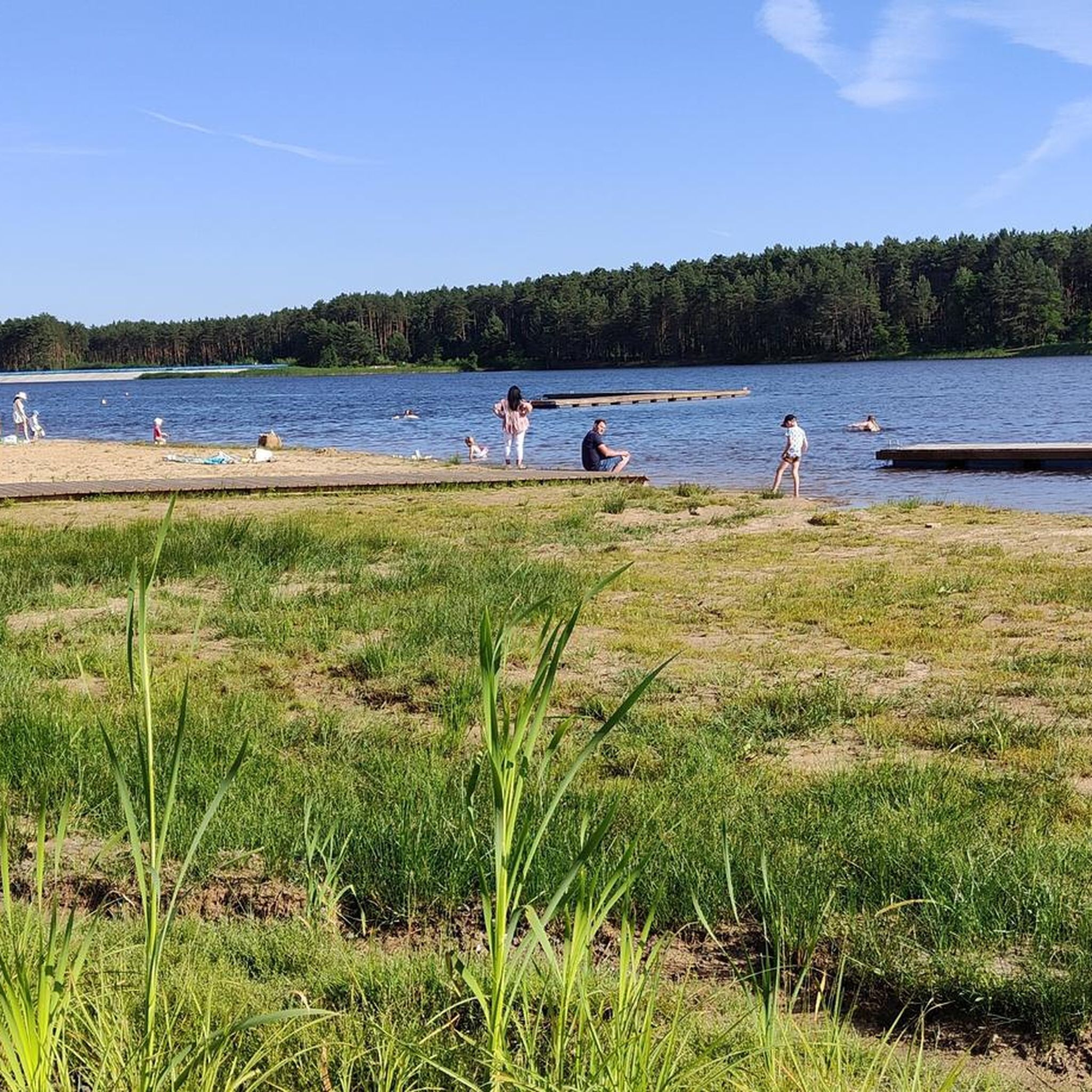
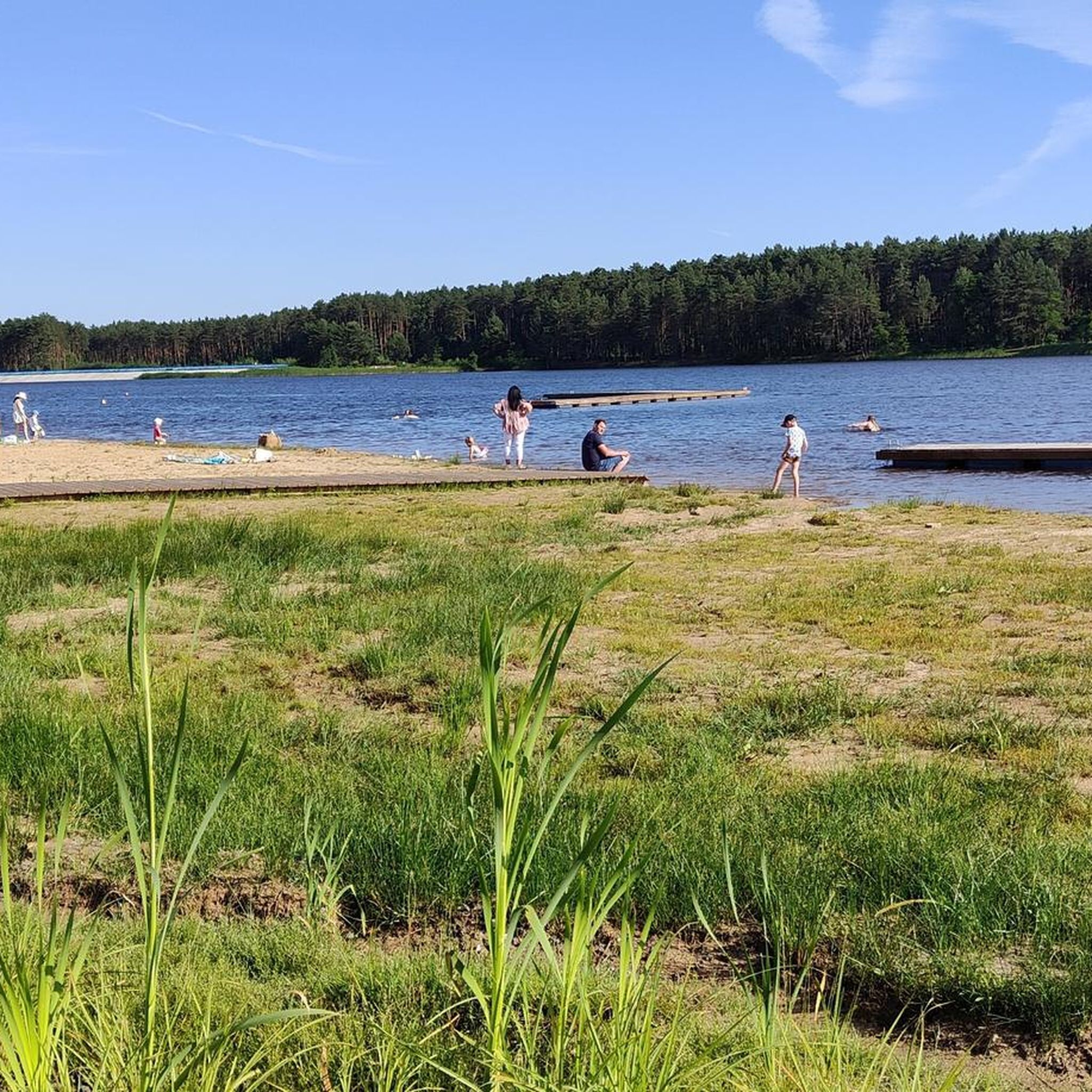
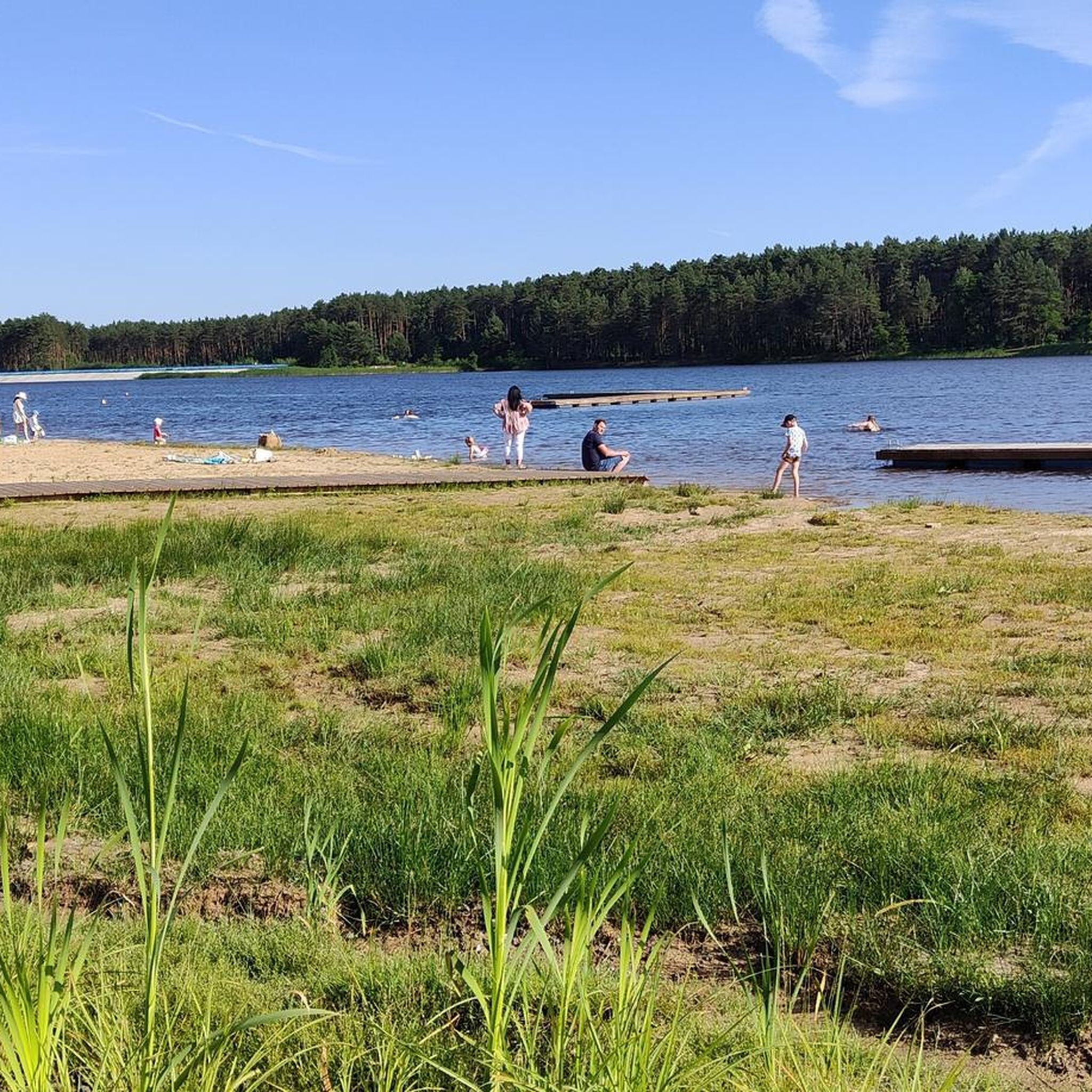
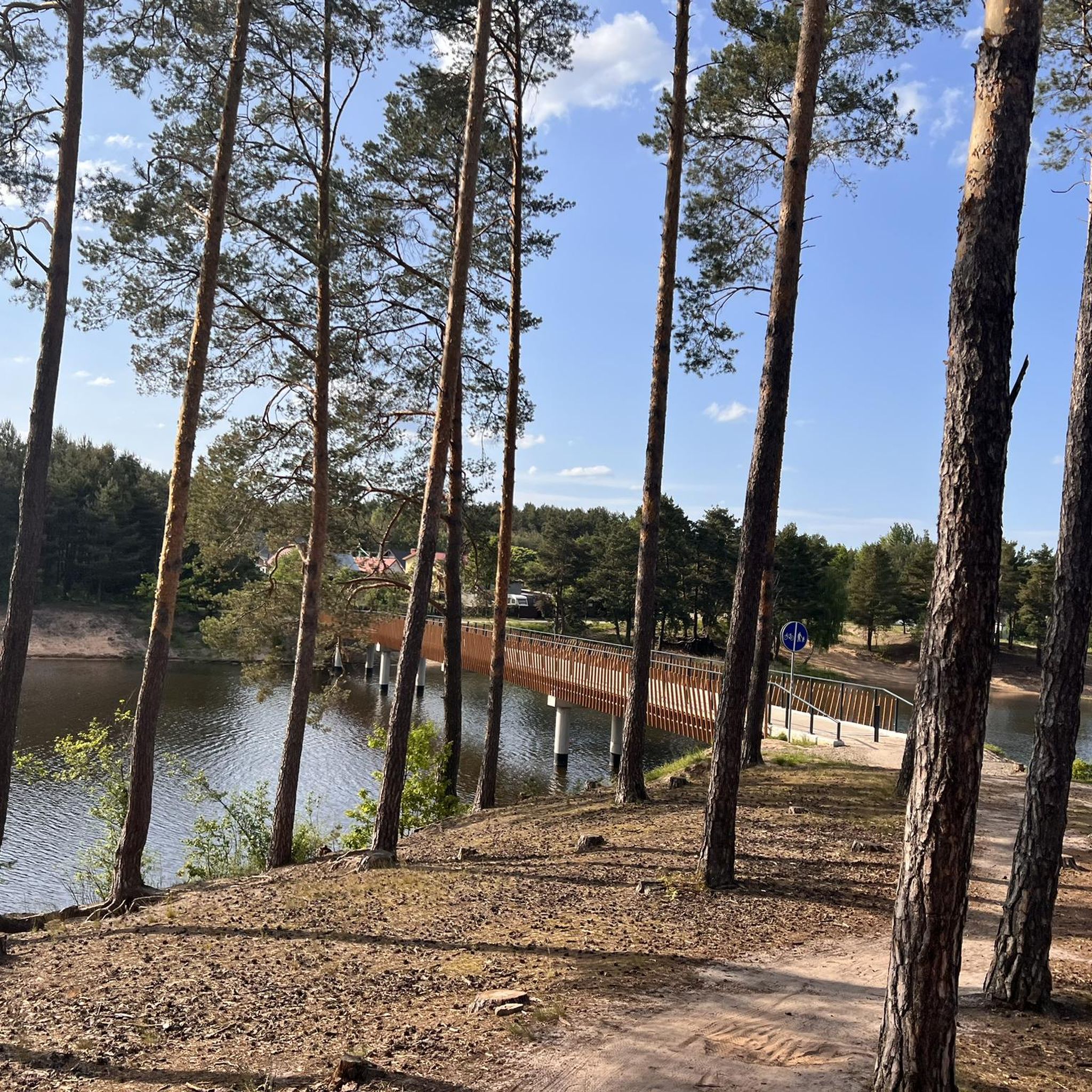
- The most popular attractions is Mostki Reservoir, a lake that is a 21-hectare dam reservoir located on the Żarnówka river. This reservoir serves as a recreational spot for anglers and offers a bathing beach and parking for visitors.
- Another must-see spot is Wykus Home Army Memorial, a man-made monument and historical site. This location commemorates soldiers of the Home Army who fought in the Świętokrzyskie Mountains and features a chapel and plaques with names of fallen soldiers.
- Visitors also love Langiewicz Glade Memorial, a historical site. This glade is commonly associated with the campsite of insurgent troops during the January Uprising in 1863 and features a commemorative plaque.
- Starachowice is known for its historical landmarks, natural features, and recreational areas. The region offers a variety of attractions to see and explore, from industrial heritage museums to serene nature reserves.
- The attractions around Starachowice are appreciated by the komoot community, with 41 upvotes and 31 photos shared by visitors.
Last updated: July 1, 2026
Wykus Home Army Memorial
Highlight • Monument
Translated by Google •
Tip by

Mostki Reservoir
Highlight • Lake
Translated by Google •
Tip by

Sign up now to discover places like this
Get recommendations on the best single tracks, peaks, & plenty of other exciting outdoor places.
Sign up for free
Wykus Nature Reserve
Highlight • Forest
The age of the upper layer of trees varies from 70 to 100 years, with specimens reaching 140 years. They are a great natural asset of the reserve. The highest degree of naturalness is characteristic of forest-like fir and alder stands. The area of the reserve is overgrown with a number of forest vegetation communities, among which the following deserve attention: Carpathian beech forest, oak-hornbeam forest, upland fir forest, mixed forest, Central Polish mixed forest with fir and alder and ash riparian forest. Many interesting and protected species of plants grow in the undergrowth and undergrowth, including: hepatica, live onion, three-needle moss, bugle, laurel and clubmoss.
However, Wykus is famous above all for its many historical places. Large complexes of forests have long provided shelter to patriots fighting for the independence of our country. It was here that the January insurgents found shelter and the partisans of World War II.
The Wykus Reserve is an important junction of tourist trails. They lead to it:
- green hiking trail from Skarżysko (Mostek)
- blue pedestrian from Wąchock and Bodzentyn
- black pedestrian from Starachowice
- red bicycle from Mostki, Wąchock and Bronkowice
Translated by Google •
Tip by
Langiewicz Glade Memorial
Highlight • Historical Site
The place was marked for the first time in 1925, during the convention of veterans of the 1863 uprising. Then, after the holy mass in Wąchock, the participants of the reunion went to the clearing, where a commemorative plaque was consecrated. The plaque was made in a foundry in Skarżysko, owned by Kazimierz Jan Witwicki, son of Jan Witwicki, an insurgent. At that time, the plaque was hung on an oak - today it is hung on a pine.
Translated by Google •
Tip by
Statue of the Sołtys in Wąchock
Highlight • Monument
Translated by Google •
Tip by

Sign up for free to discover even more attractions around Starachowice.
Sign up for free
Already have an account?
Start today with a free account
Your next adventure awaits.
Login or Signup

Tips from the Community

A 21ha reservoir located on the Żarnówka River, which is a right tributary of the Kamienna River. The fishing ground is located in the village of Mostki near Suchedniów in Skarżysko County. The reservoir is located on the Suchedniów-Starachowice route and is approximately 2 km long.
0
0

A must visit on Sieradowicki
0
0

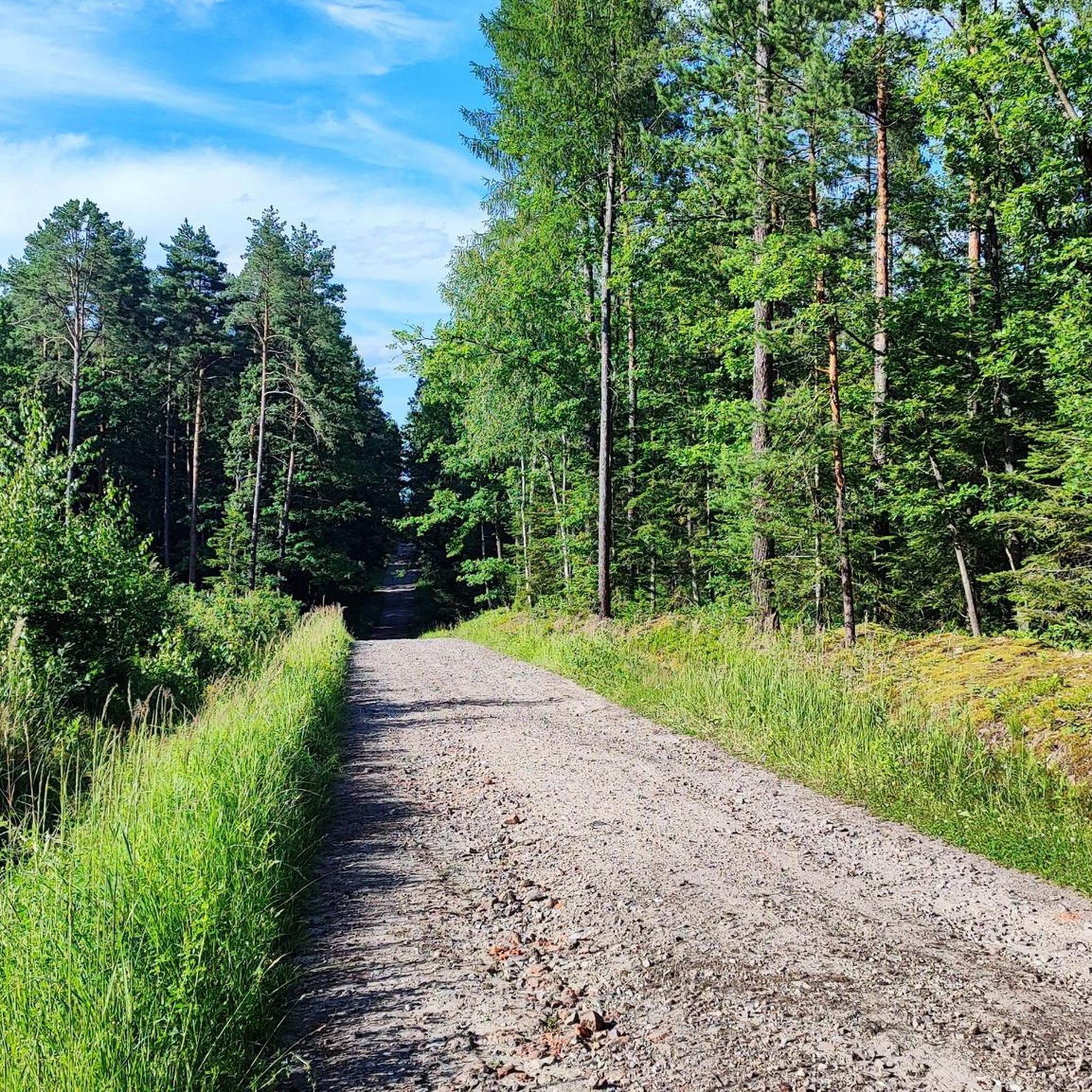
this is one big attraction this single track
0
0
Wykus was the base of Polish partisans. During the January Uprising, insurgents commanded by Marian Langiewicz were stationed here. During World War II, camps of Polish underground soldiers were located here, first under the command of Maj. Henryk Dobrzański "Hubal", later the Home Army Partisan Groups "Ponury" - lieutenant cc. Jan Piwnik "Ponury". On On September 15, 1957, in the place of the former camp, a chapel with the image of Our Lady of Sorrows was unveiled, commemorating those who died in the fight for the homeland. On its walls there are 123 nicknames of soldiers who died during the war. The shrine is surrounded by a wall, on which there are several hundred plaques with the names of the dead soldiers of the "Ponury" and "Nurt" groups. The chapel with the surrounding area within a radius of 30 m is the "Wykus" National Memorial Site and is entered in the register of immovable monuments. Every year, on the second Saturday of June, ceremonies commemorating the fallen soldiers of the Partisan Groups of the Home Army "Ponury" are organized in Wykus. Wykus (326 m above sea level) is also a nature reserve.
0
0
The Wykus partial reserve was established by the Ordinance of the Minister of Forestry and Wood Industry of October 11, 1978. The total area of the reserve is 53.01 ha, including 52.7 ha of forest and 0.31 ha of non-forest land. The reserve belongs to the Suchedniów Forest District, Bronkowice Forest District, Bodzentyn and Wąchock communes. The subject of protection in the reserve are diversified and highly natural forests with the participation of pine, fir and oak, hornbeam, birch, aspen and alder. The age of the upper layer of trees varies from 70 to 100 years, with specimens reaching 140 years. They are a great natural asset of the reserve. The highest degree of naturalness is characteristic of forest-like fir and alder stands. The area of the reserve is overgrown with a number of forest vegetation communities, among which the following deserve attention: Carpathian beech forest, oak-hornbeam forest, upland fir forest, mixed forest, Central Polish mixed forest with fir and alder and ash riparian forest. Many interesting and protected species of plants grow in the undergrowth and undergrowth, including: hepatica, live onion, three-needle moss, bugle, laurel and clubmoss. However, Wykus is famous above all for its many historical places. Large complexes of forests have long provided shelter to patriots fighting for the independence of our country. It was here that the January insurgents found shelter and the partisans of World War II. The Wykus Reserve is an important junction of tourist trails. They lead to it: - green hiking trail from Skarżysko (Mostek) - blue pedestrian from Wąchock and Bodzentyn - black pedestrian from Starachowice - red bicycle from Mostki, Wąchock and Bronkowice
0
0
Polana Langiewicza is commonly regarded as a campsite for insurgent troops led by General Marian Langiewicz during the January Uprising in 1863. However, there is no evidence that the insurgents were stationed in this exact place and that General Langiewicz himself stayed there. This place was indicated by Capt. Wojdacki, writing that "there was a spring and an oak grew, where General Marjan Langiewicz sat as if on a stool". The place was marked for the first time in 1925, during the convention of veterans of the 1863 uprising. Then, after the holy mass in Wąchock, the participants of the reunion went to the clearing, where a commemorative plaque was consecrated. The plaque was made in a foundry in Skarżysko, owned by Kazimierz Jan Witwicki, son of Jan Witwicki, an insurgent. At that time, the plaque was hung on an oak - today it is hung on a pine.
0
0
Where is the most famous mayor in the country? It's of course - Wąchock! This respectable position has even received a monument. The monument is located near the Cistercian Abbey, right under the windows of the Police building. The initiator of the creation of the monument was Feliks Januchta - president of the Association of Mayors of the Kielce Region. Sławomir Micek, an artist from Kielce, was the contractor for the project. The ceremonial unveiling of the bronze monument took place on June 28, 2003. On the plinth there is an inscription: "Sołtys on the homestead equal to the voivode". The figure, on the other hand, shows the mayor sitting on a stone with his hat slightly tilted. He rests his right hand on a wooden cart wheel, while in his left hand he holds a mobile phone to his ear. The first gadget did not end up on the monument by accident. The circle refers to one of the jokes about the method of electing the mayor in Wąchock. Well: "the wheel from the wagon is released from the highest hill, and whose cottage it hits - he becomes the mayor". It is worth mentioning that Wąchock is currently managed by the mayor. The city itself has about 2,800 inhabitants and is situated on the Kamienna River.
0
0

Mayor of Wąchocka - a character from jokes about Wąchock. A monument was erected in his honor on June 28, 2003. The president of the Kielce Land Association was the originator of the erection of a monument to the village leader in Wąchock. The idea was accepted and the monument was placed in front of the Police and Post Office building. In 1994 Wąchock regained municipal rights and the office of the commune head was replaced with the office of the mayor. The Society of Wąchock's Friends came up with the figure of the honorary mayor of Wąchock, who has been traditionally elected since that year.
0
0
Frequently Asked Questions
What historical landmarks can I explore in Starachowice?
Starachowice is rich in history. You can visit the Wykus Home Army Memorial, which commemorates partisan soldiers from World War II. Another significant site is the Langiewicz Glade Memorial, associated with the January Uprising. Don't miss the Muzeum Przyrody i Techniki (Museum of Nature and Technology) "Ekomuzeum" im. Jana Pazdura, located in a historic blast-furnace plant, or the nearby Wąchock Abbey with its deep historical roots. The Jewish Cemetery and the Holy Trinity Parish Church also offer insights into the region's past.
Are there any natural features or parks to visit in Starachowice?
Yes, Starachowice offers several beautiful natural spots. The Mostki Reservoir is a popular recreational spot for anglers and offers a bathing beach. You can also explore the Wykus Nature Reserve, known for its diverse forests and historical significance. Other natural attractions include the Sieradowicki Landscape Park, the Kamienna River Dam and Brodzki Reservoir, Żeromski Park with its rock formations, and the picturesque "Rocks in Ruda" and Cygańska Kapa Rock Formations.
What outdoor activities can I do near Starachowice?
The area around Starachowice is great for outdoor enthusiasts. You can find numerous hiking trails, including easy routes around local reservoirs. For cycling, there are road cycling routes and mountain biking trails available. Many of these routes pass by attractions like the Wykus Home Army Memorial and the Langiewicz Glade Memorial. You can find detailed information on routes for various sports on the hiking, MTB, and road cycling guide pages.
Are there family-friendly attractions in the Starachowice region?
Absolutely! Many attractions around Starachowice are suitable for families. The Mostki Reservoir offers a bathing beach and parking, perfect for a family day out. The Starachowice Narrow-Gauge Railway provides tourist rides, which can be a fun experience for children. Additionally, the City Park and various recreational areas offer pleasant spaces for families to relax and play.
What is the best time to visit Starachowice attractions?
The best time to visit Starachowice depends on your interests. Spring and autumn offer pleasant weather for exploring historical sites and nature reserves like the Wykus Nature Reserve, with autumn providing particularly picturesque views of the Cygańska Kapa rocks. Summer is ideal for water-based activities at the Mostki Reservoir and other artificial lakes. Winter offers opportunities for skiing at nearby resorts like Switzerland Bałtowska.
Can I find hiking trails near Starachowice?
Yes, there are several hiking trails around Starachowice, catering to various difficulty levels. The Wykus Nature Reserve is a significant junction for tourist trails, including green, blue, and black pedestrian routes. You can find easy trails around the local reservoirs, such as the loop from Parafia Matki Bożej Nieustającej Pomocy w Starachowicach or around Zalew Lubianka. More detailed information and routes are available on the Hiking around Starachowice guide page.
Are there any unique cultural sites or monuments in the area?
Beyond the major historical sites, Starachowice boasts unique cultural elements. The Statue of the Sołtys in Wąchock is a playful monument dedicated to the legendary village administrator. The Starachowice Narrow-Gauge Railway, originally connecting Starachowice with Iłża, offers a glimpse into historical transport and now provides tourist rides. The Chapel of St. Catherine, considered the oldest freestanding chapel in Poland, is another notable cultural and historical gem.
What kind of industrial heritage can I discover in Starachowice?
Starachowice has a strong industrial heritage, particularly in iron production. The most prominent site is the Muzeum Przyrody i Techniki (Museum of Nature and Technology) "Ekomuzeum" im. Jana Pazdura, which is located on the site of a historic blast-furnace plant. This museum showcases the city's significant role in Poland's industrial development and preserves the structure of a modernized coke blast furnace from 1931.
Are there any places for water-based recreation?
Yes, Starachowice offers several options for water-based recreation. The Mostki Reservoir has a bathing beach and is popular for angling. The Kamienna River Dam forms the Brodzki Reservoir, which is also a recreational spot for anglers and kayakers. Other artificial lakes like Zalew Piachy and Pasternik provide opportunities for enjoying nature, though swimming may be restricted in some areas. The Municipal Sports and Recreation Swimming Pool (Pływalnia Miejskiego Ośrodka Sportu i Rekreacji) is available for swimming.
What do visitors enjoy most about Starachowice?
Visitors to Starachowice appreciate the blend of industrial heritage, natural beauty, and historical significance. Many enjoy the serene atmosphere of places like the Mostki Reservoir and the historical depth found at sites like the Wykus Home Army Memorial. The diverse landscapes of the Sieradowicki Landscape Park and the opportunities for outdoor activities like hiking and cycling are also highly valued by the komoot community.
Is public transport available to reach attractions in Starachowice?
Starachowice has local public transport options that can help you reach various points of interest within the city and its immediate surroundings. For specific routes and schedules to attractions, it's advisable to check local transport information upon arrival. Some natural areas and more remote historical sites might require personal transport or a combination of public transport and walking.
Are there any viewpoints or scenic spots in the Starachowice area?
The region around Starachowice offers several scenic spots. The Mostki Reservoir provides peaceful views, especially at sunset. The Cygańska Kapa Rock Formations are known for their varying colors throughout the year, offering picturesque views, particularly on autumn mornings. The Sieradowicki Landscape Park also features diverse landscapes and rock formations that can be enjoyed from various viewpoints.
Most popular routes around Starachowice
Most popular attractions around Starachowice

Get inspired with the komoot mobile app


Explore more
Still not found the Highlight you’re looking for? See guides of the top attractions in other regions:
