The best road cycling routes around gmina gmina gmina Kozłowo
4.8
(33)
420
riders
53
rides
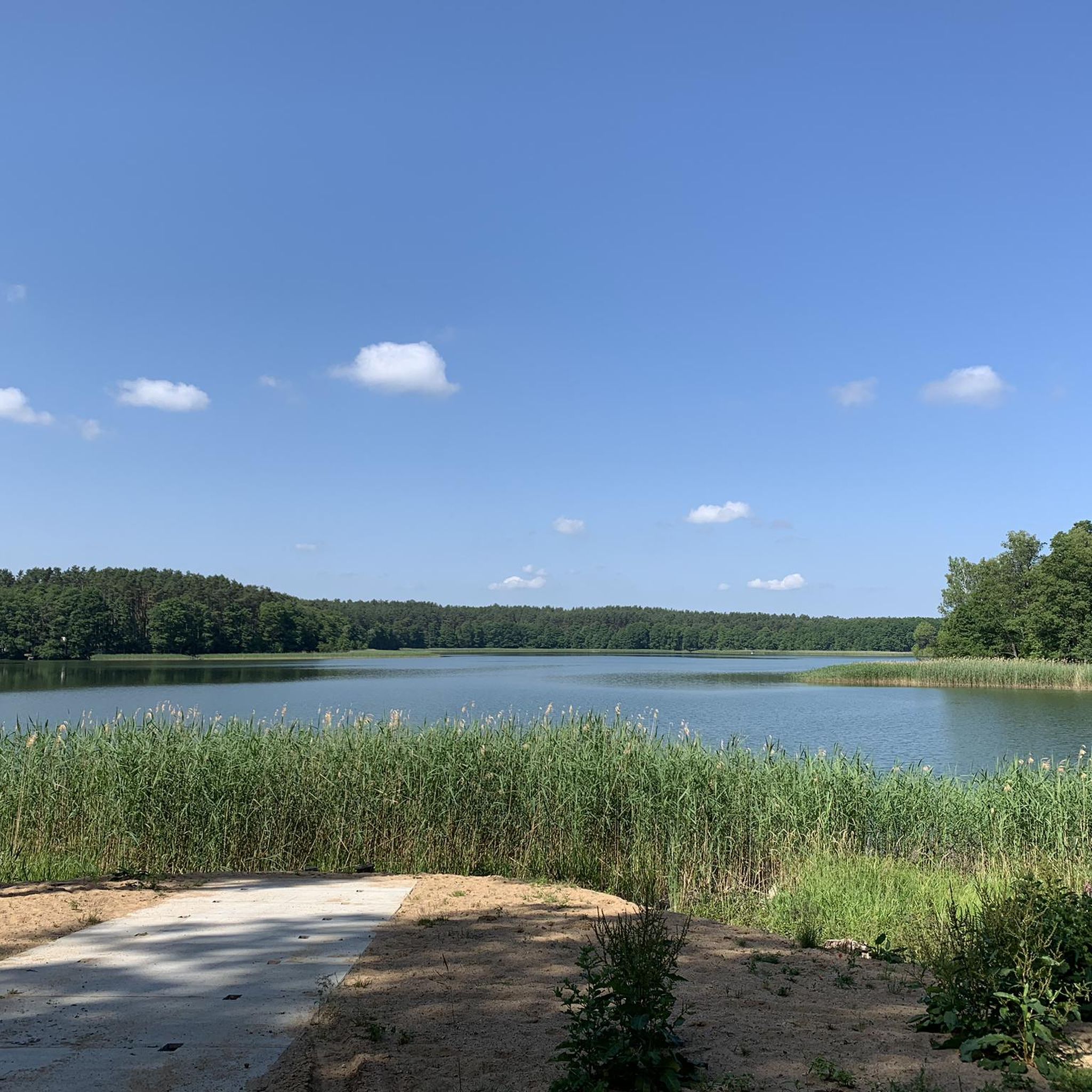
Road cycling around Gmina Kozłowo offers diverse routes through a landscape characterized by extensive forests, open fields, and serene lakes. The terrain is generally gentle, with variations including small moraine hills and river valleys, providing a mix of paved and unpaved surfaces suitable for road cyclists. The region features established cycling routes that lead past natural attractions and historical sites.
Best road cycling routes around Gmina Kozłowo
- The most popular road cycling route is Swaderki Lake – Swaderki Shelter loop…
Last updated: July 12, 2026
5.0
(1)
10
riders
42.0km
01:48
150m
150m
Easy road ride. Great for any fitness level. Mostly well-paved surfaces and easy to ride.
9
riders
Moderate road ride. Great for any fitness level. Some segments of this route may be unpaved and difficult to ride.

Sign up for free
6
riders
56.8km
02:29
250m
250m
Moderate road ride. Good fitness required. Some segments of this route may be unpaved and difficult to ride.
5.0
(1)
6
riders
42.7km
01:53
150m
150m
Easy road ride. Great for any fitness level. Mostly well-paved surfaces and easy to ride.
5
riders
28.2km
01:15
80m
80m
Easy road ride. Great for any fitness level. Mostly well-paved surfaces and easy to ride.
Get access to more routes and recommendations from other explorers.
Sign up for free
Already have an account?
Our route recommendations are based on thousands of hikes, rides, and runs completed by other people on komoot.
Start today with a free account
Your next adventure awaits.
Login or Signup
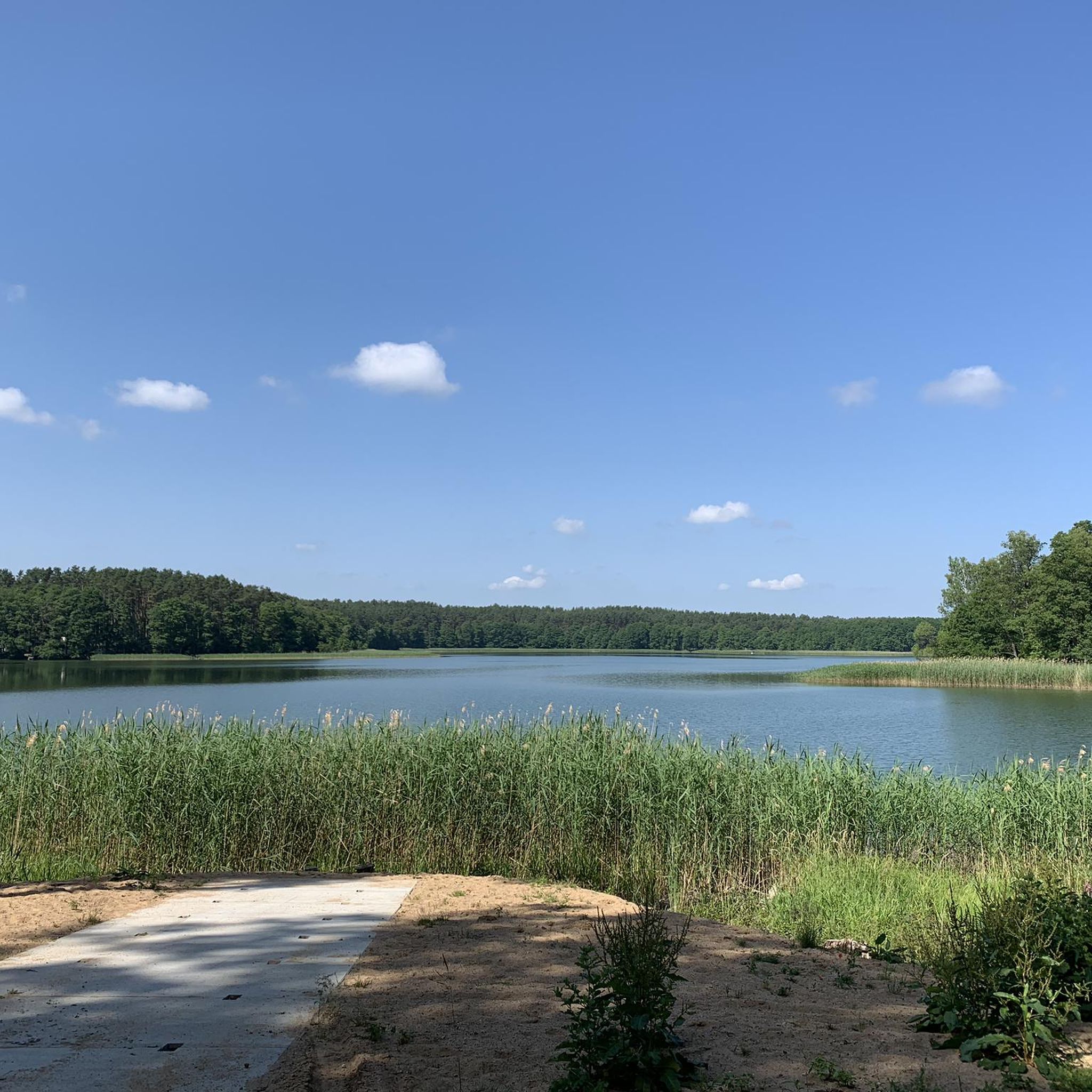
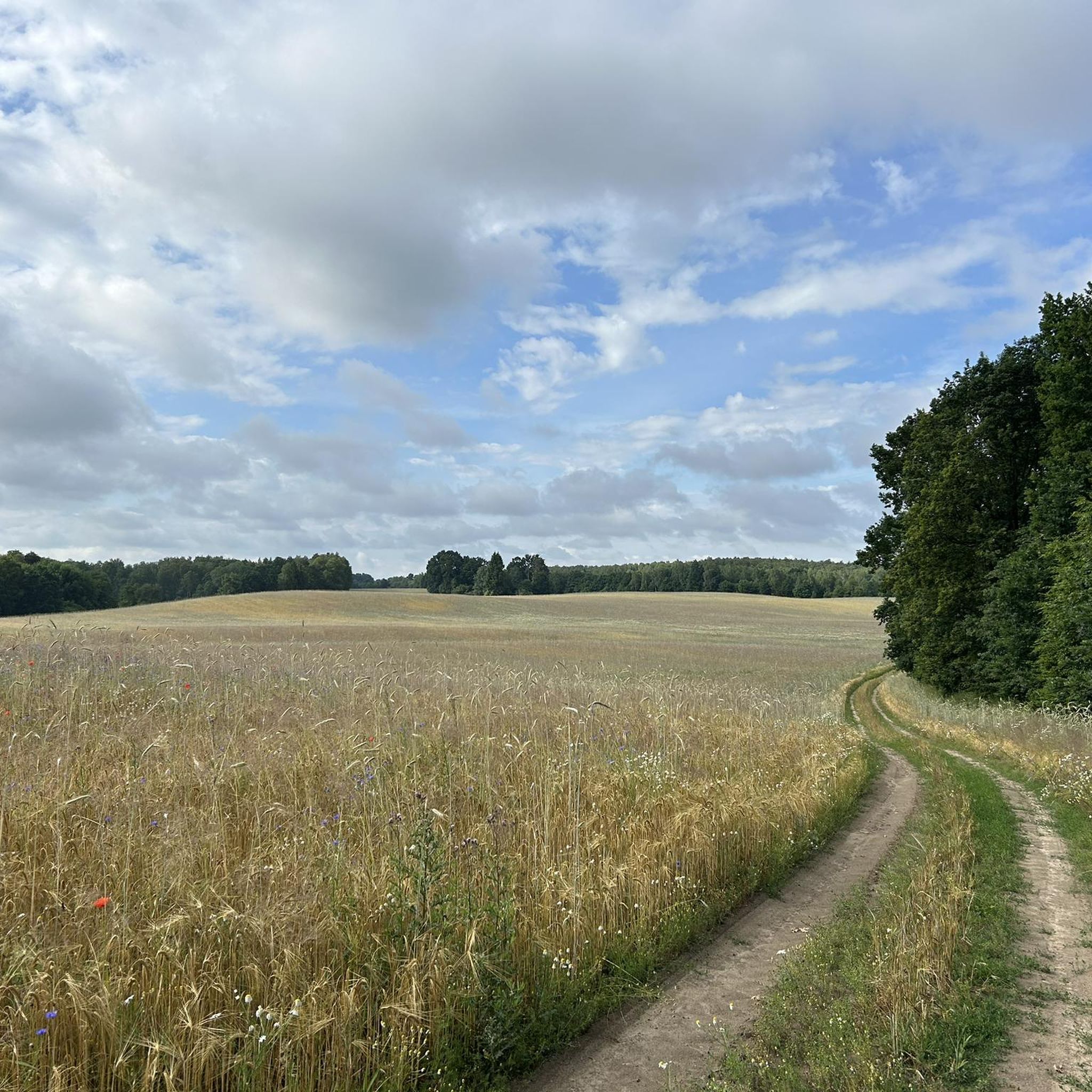
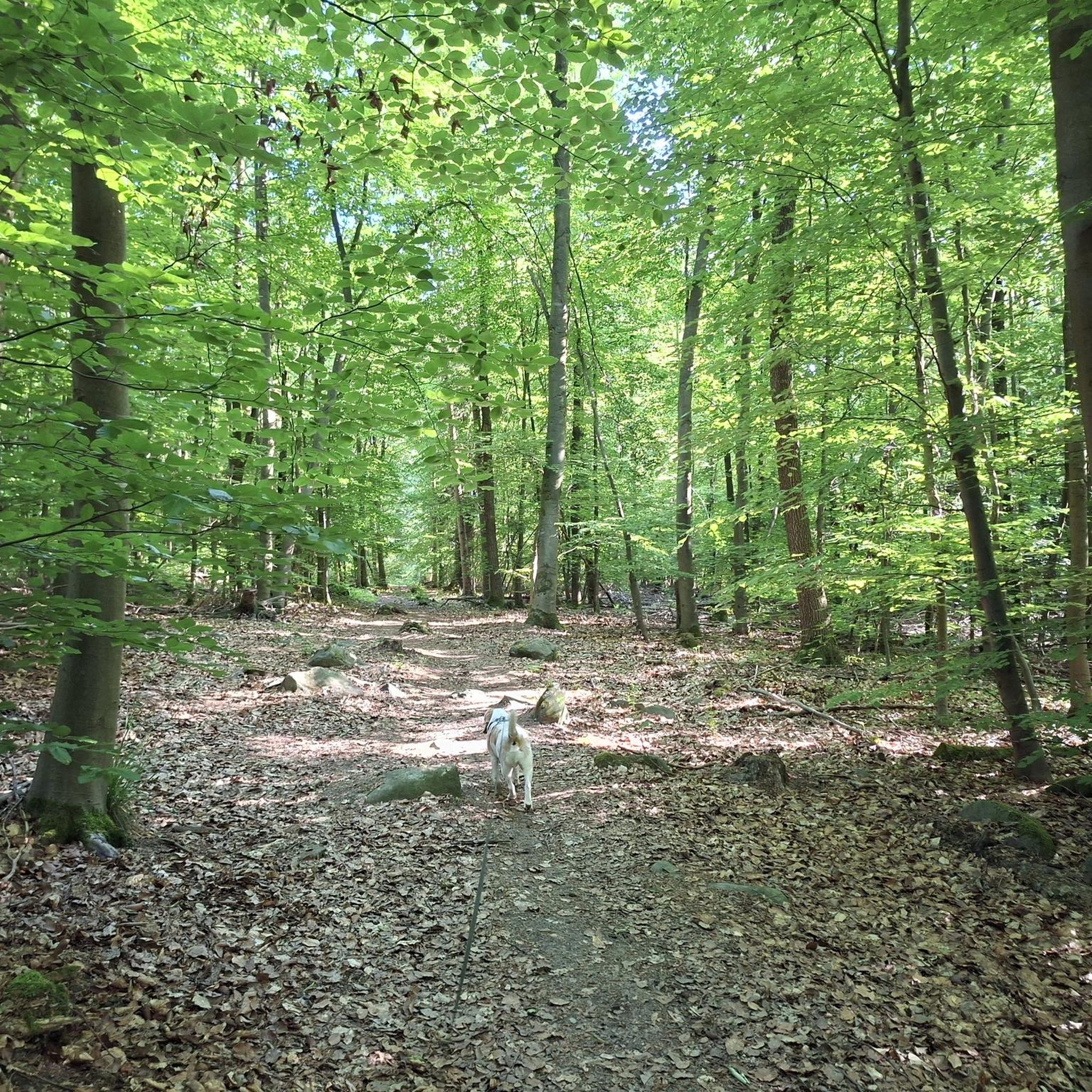
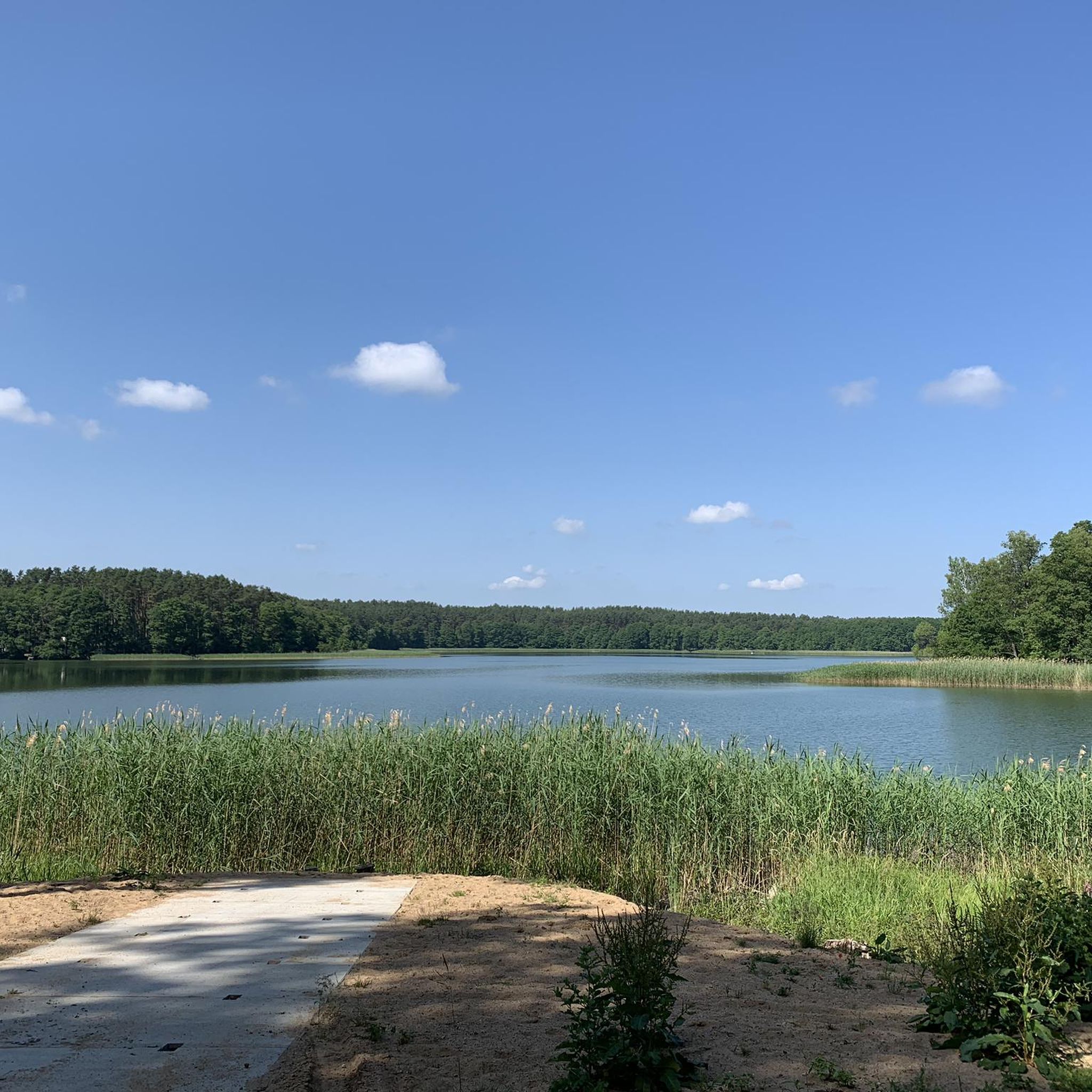
Tips from the Community

The construction of the castle began around 1398, the main western wing was completed in 1405, and the remaining works were completed in the spring of 1409[1]. The Teutonic procurator resided there. On July 12, 1410, on his way with his army into the depths of the Teutonic state, the undefended castle was occupied by Polish troops. During the Hunger War in 1414, the castle was besieged by Polish knights and captured on July 6 after an eight-day siege. In 1454, the castle was occupied by the pro-Polish Prussian Confederation and in February 1455, it was handed over to Czech mercenaries led by Jan Kolda of Žampach, who repelled the invasion of the Teutonic troops on April 28[2]. In 1517, the outer bailey was expanded and fortified. In 1784, the outer bailey burned down. In 1812, the castle was devastated by French troops. In the years 1828-1830 the castle was rebuilt into a court and prison. In the winter of 1945, Soviet troops bombarded the castle, which remained a ruin until its reconstruction in 1961-1965.
0
0
Nidzica Castle – was built at the beginning of the 15th century in the Gothic style as the seat of the Teutonic prosecutor.
0
0

First, some information about visiting, namely it is closed on Mondays. The construction of the castle began around 1370, and in 1409, a Teutonic prosecutor was already residing there. On July 12, 1410, on the way with an army into the depths of the Teutonic state, the undefended castle was occupied by Polish troops. During the Hunger War in 1414, the castle was besieged by Polish knights and captured on July 6 after an eight-day siege. In 1454, the castle was occupied by the pro-Polish Prussian Confederation. In February 1455, it was handed over to Czech mercenaries led by Jan Kolda of Žampach, who repelled the invasion of the Teutonic troops on April 28. In 1517, the castle's outer bailey was expanded and fortified. In 1784, the outer bailey burned down. The castle was damaged most by French soldiers, who were stationed here intermittently in the years 1806–1812. The building, devastated by the Napoleons, was saved from total ruin by the court counselor Ferdynand Tymoteusz Gregorovius, an effective initiator of the reconstruction (1828–1830) of the medieval fortress to serve as a courthouse, private apartments and a prison. However, Gregorovius stipulated that the people of Nidzica should build him a monument. The monument was built only more than seventy years after the castle was rebuilt. The monument is located in the castle park. In 1945, the castle was not so lucky – it was bombed by the Russians and burned down, losing its ceilings and part of the walls. However, the decision was quickly made to rebuild it. In 1949, the building was cleared of rubble, and three years later, the first security works began. The full restoration of the monument, including the conservation of the preserved paintings in the chapel and refectory, began in 1961 and was completed in 1965, after which it was ceremonially handed over to local cultural and social institutions. Currently, the castle serves as the city's center of business, culture and entertainment. It houses: the Museum of the Nidzica Region with an ethnographic and historical exhibition, the Nidzica Cultural Center, the Knights' Brotherhood of the Nidzica Commandery, the Hieronim Surpski Author's Gallery, a sculpture studio and a city library. There is also a hotel and a restaurant here. Admission to the outer bailey and the courtyard of the high castle is free, to the museum it is paid. The complex is surrounded by a dense 19th-century park. https://zamek-nidzica.pl/historia-zamku-2/
3
0

Town Hall in Olsztynek - the current building was built at the beginning of the 20th century on the foundations of the old building. And this is what the Market Square in Olsztynek used to look like - an amazing photo gallery: https://polska-org.pl/7220344,Olsztynek,pl_Rynek.html
0
0


There is nothing like a warm donut every hundredth kilometer. This is plus other cookies, coffee and artisanal ice cream with flavors such as spinach or parsley. I haven't tried the ice cream, the donut is amazing :)
0
0

Nice market square with quite impressive town hall
0
0
Frequently Asked Questions
How many road cycling routes are available in Gmina Kozłowo?
Gmina Kozłowo offers a wide selection of road cycling routes, with over 50 options available. These routes cater to various skill levels, including easy, moderate, and difficult trails.
What kind of terrain can I expect when road cycling in Gmina Kozłowo?
The terrain in Gmina Kozłowo is generally gentle, characterized by extensive forests, open fields, and tranquil lakes. You'll encounter variations including small moraine hills and river valleys, with routes featuring both paved and unpaved surfaces. The region's established cycling trails often follow picturesque landscapes.
Are there any easy road cycling routes suitable for beginners or families?
Yes, Gmina Kozłowo has a good selection of easy road cycling routes, with 26 trails specifically rated as easy. A great option for a relaxed ride is the Stare Dęby Avenue – View of the Łyna River loop from Nidzica, which is 24.4 miles (39.2 km) long and offers scenic views of the Łyna River.
Can I find challenging road cycling routes in Gmina Kozłowo?
While the terrain is generally gentle, there are routes that offer more of a challenge. The region includes variations like small moraine hills. For a moderate challenge, consider the Swaderki Lake – Swaderki Shelter loop from Nidzica, which covers 53.0 miles (85.3 km) and includes an elevation gain of over 350 meters.
What natural features can I see along the road cycling routes?
Road cycling routes in Gmina Kozłowo will take you through diverse natural beauty. You can expect to see extensive forests, open meadows, and serene lakes such as Lake Kownatki and Lake Szkotowskie. The region also features protected landscape areas like the Nida and Szkotówka river valleys, providing habitats for diverse flora and fauna, including storks and cranes.
Are there historical landmarks or points of interest to visit while cycling?
Yes, Gmina Kozłowo offers several historical points of interest. You can explore villages with rich history like Szkotowo, which features an eclectic manor house and a Neo-Gothic parish church. Other notable sites include the 18th-century church in Kanigowo with its half-timbered tower, and the battlefield of Grunwald, which is accessible via a green cycling trail. Nearby attractions include Nidzica Castle and Grunwald Monument.
Are there loop routes available for road cyclists?
Yes, many of the road cycling routes in Gmina Kozłowo are designed as loops, offering convenient starting and ending points. Examples include the Swaderki Lake – Swaderki Shelter loop from Nidzica and the Stare Dęby Avenue – View of the Łyna River loop from Nidzica.
What is the best time of year for road cycling in Gmina Kozłowo?
Gmina Kozłowo encourages active recreation throughout the year. However, for road cycling, spring, summer, and early autumn generally offer the most pleasant conditions with milder weather and vibrant landscapes. Autumn is particularly noted for mushroom picking in the forests.
What do other cyclists say about road cycling in Gmina Kozłowo?
The road cycling routes in Gmina Kozłowo are highly rated by the komoot community, with an average score of 4.8 stars from over 20 reviews. Cyclists often praise the varied terrain, extensive forests, and tranquil lakes that define the region's cycling experience.
Are there any dog-friendly cycling trails in the area?
While specific dog-friendly designations for road cycling routes are not explicitly mentioned, many natural areas in Gmina Kozłowo, including forests and open fields, are generally welcoming to dogs on a leash. It's always best to check local regulations and ensure your dog is comfortable with the distance and terrain of your chosen route.
Where can I find parking for road cycling routes in Gmina Kozłowo?
Specific parking locations for each route are not detailed, but given the region's promotion of cycling, you can typically find parking in or near the villages that serve as starting points for the routes. Many routes begin near towns like Nidzica or Witramowo, where public parking facilities are usually available.
How can I access the cycling routes using public transport?
Gmina Kozłowo has a bike path along a former narrow-gauge railway line, which provides collision-free access, including a section leading to the market square in Miechów. For accessing other routes, check local bus or train schedules to nearby towns like Nidzica, which often serve as starting points for many cycling tours. Public transport options may vary, so it's advisable to check current timetables.
Most popular routes around gmina gmina gmina Kozłowo
Most popular attractions around gmina gmina gmina Kozłowo

Get inspired with the komoot mobile app


Explore more
Browse the best Road cycling routes in other regions.
