gmina gmina gmina Trzcianka
gmina gmina gmina Trzcianka
Attractions and Places To See around gmina gmina gmina Trzcianka - Top 20
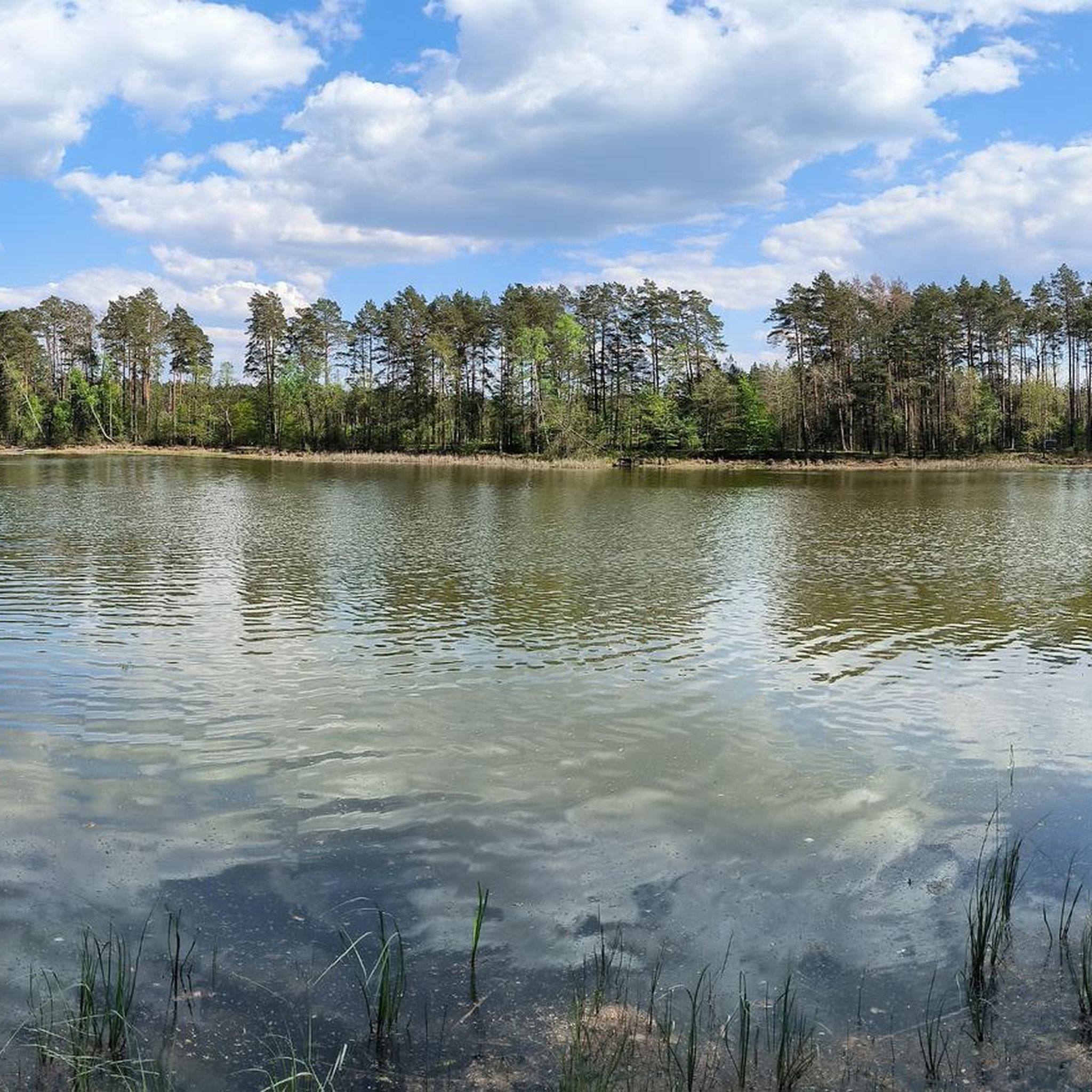
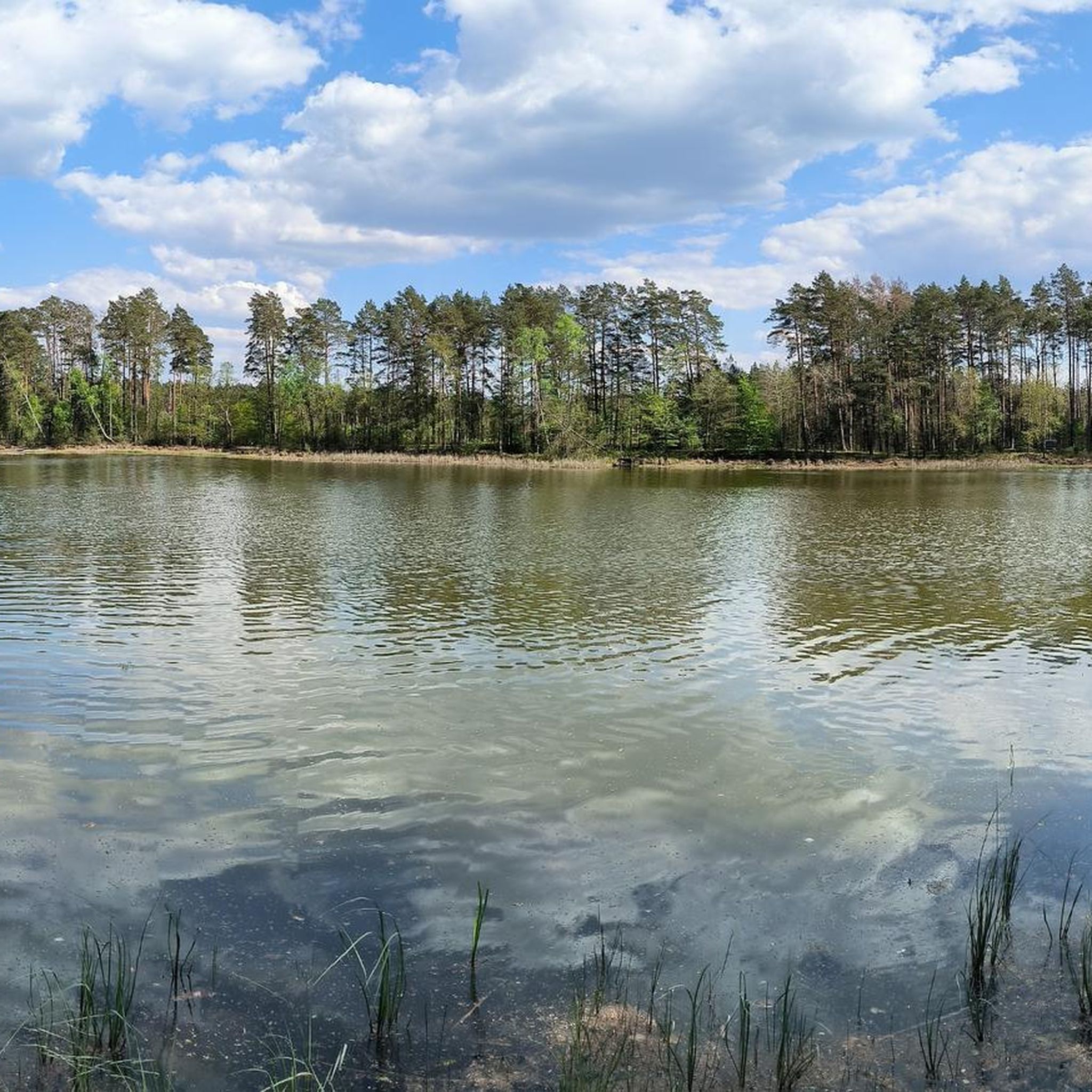
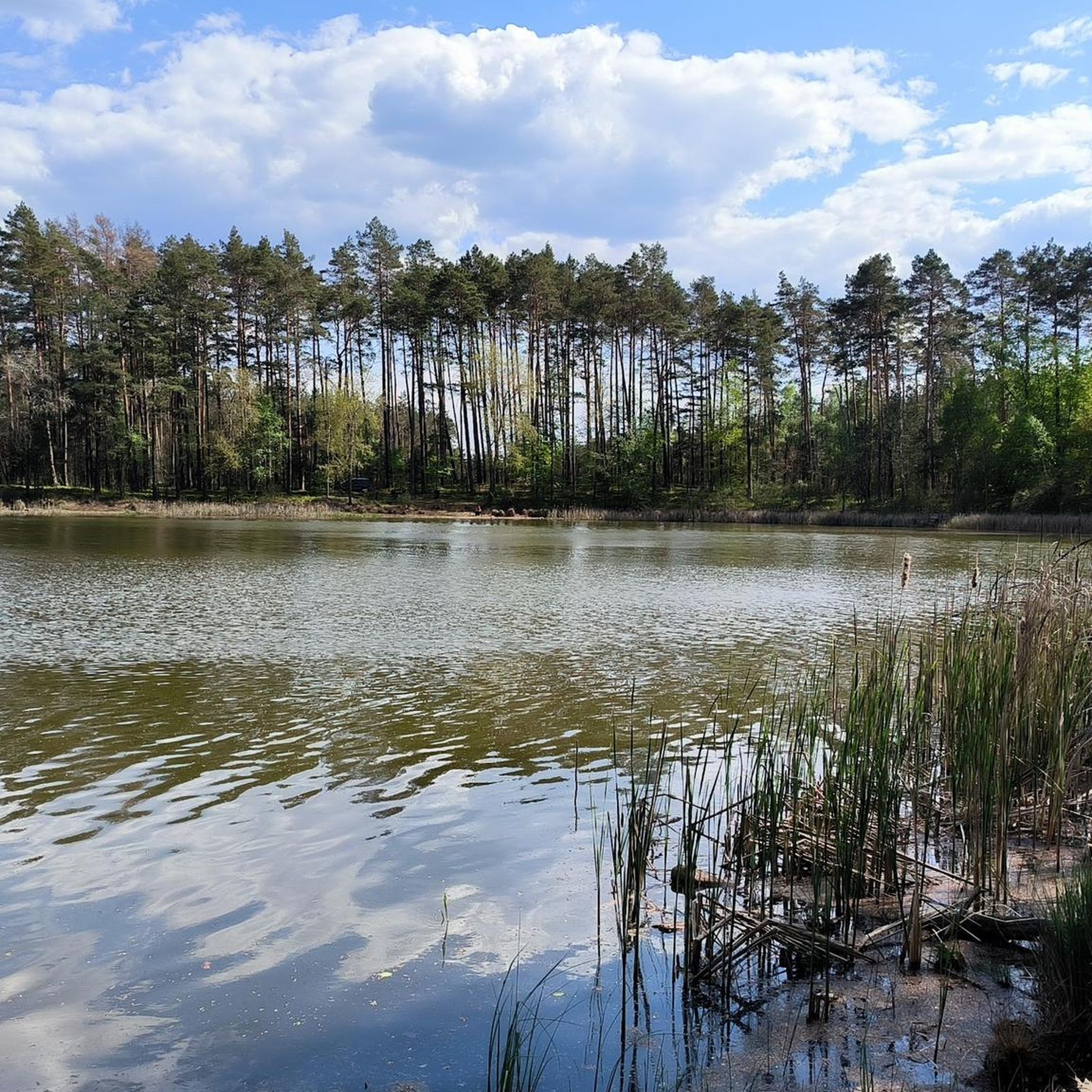
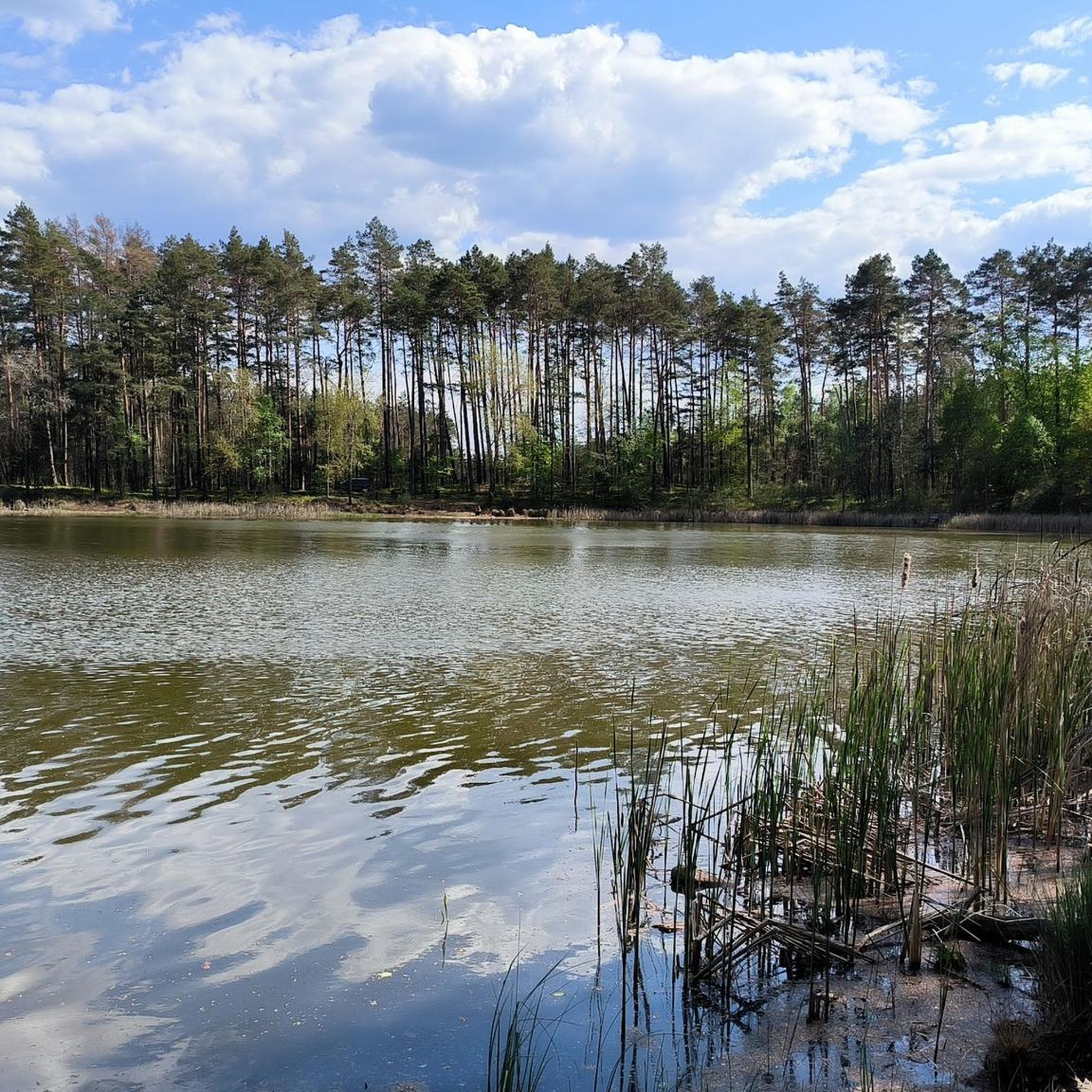
Attractions and places to see around gmina gmina gmina Trzcianka are characterized by a diverse natural landscape and historical sites. Over 50% of the commune's area is covered by forests, and the region features numerous lakes, including Sarcze, Okunie, and Długie within the town limits. The Noteć River flows through the area, which is recognized as a Natura 2000 protected zone due to its bird species. Historical landmarks such as the St. John the Baptist's Church and the Museum of…
Last updated: July 15, 2026
Sapieha Palace in Wieleń
Highlight • Historical Site
Translated by Google •
Tip by

Piła Główna railway station
Highlight • Rest Area
Translated by Google •
Tip by

Sign up now to discover places like this
Get recommendations on the best single tracks, peaks, & plenty of other exciting outdoor places.
Sign up for free
Marksmen's House
Highlight • Historical Site
Translated by Google •
Tip by
Pila railroad station
Highlight • Monument
Translated by Google •
Tip by

Rodło Monument, Piła
Highlight • Monument
Translated by Google •
Tip by
Sign up for free to discover even more attractions around gmina gmina gmina Trzcianka.
Sign up for free
Already have an account?
Start today with a free account
Your next adventure awaits.
Login or Signup
Popular around gmina gmina gmina Trzcianka

Tips from the Community

The railway station in Piła, one of the largest in the Wielkopolska province. It is a junction station; five railway lines cross here. The first railway connection from Krzyż Wielkopolski and Berlin, extended towards Bydgoszcz, was received by Piła in 1851. Two years later, construction of the railway station began, which was put into service in 1876 and later rebuilt many times. Subsequent connections were opened: in 1871 to Złotów, in 1879 to Poznań and Szczecinek, and in 1881 to Wałcz.
3
0
The monument was unveiled in 1962 on the occasion of the 20th anniversary of the Polish Workers' Party. It is officially called the Rodło monument.
2
0
The building was erected by the Piła Riflemen's Brotherhood in 1896 and was its main seat until World War II. It is a two-storey building, partly made of half-timbered walls, decorated with a tower. After the war, in the years 1981-1997 it was the seat of the Piła District Museum. Then for many years it fell into disrepair, until it was finally renovated by a private investor in the years 2004-2005. Currently, it houses the Park guesthouse.
2
0

The Sapieha Palace in Wieleń is an impressive residence located on the Noteć River, one of the most important monuments in Wielkopolska. Built in the 18th century, it combines Baroque and Classicist features, and its surroundings include a picturesque landscape park. It was once the seat of the Sapieha family, and today it delights with its monumental structure and historical character. It is an ideal place for a bike trip, especially for lovers of architecture and history. It is worth taking a camera, because the palace and its surroundings offer beautiful views, especially during the golden autumn or spring blossoms.
2
0

Rodło Monument. In addition to the inscription "We were, we will be" on the monument, there is the Rodło sign (a sign of the union of Poles in Germany), a bull's head (a reference to the original coat of arms of Greater Poland from the Middle Ages), and a deer (a symbol of Piła and the city's coat of arms.)
0
0

Piła Główna – passenger and freight train station in Piła, one of the largest in the Greater Poland Voivodeship. It is a junction station; Five railway lines cross here (18, 203, 354, 374, 405). In addition, connecting track No. 999 provides additional access to the station from the north and a connection with line 403 towards Wałcz.
2
0

The train station is an absolute must for rail enthusiasts
0
0
Frequently Asked Questions
What natural features can I explore in Gmina Trzcianka?
Gmina Trzcianka is rich in natural landscapes, with over 50% of its area covered by forests. You can discover several lakes within the town limits, including Sarcze, Okunie, and Długie, with Lake Sarcz being a popular recreation spot. The Noteć River flows through the region, and its valley is recognized as a Natura 2000 protected zone, home to nearly 240 bird species. Don't miss the "Nad Bukówką" Nature and Forest Path, which features impressive ancient trees like the 500-year-old sessile oak named "Wojtek".
What historical and cultural sites are worth visiting in the region?
The region offers several historical and cultural landmarks. The neo-Baroque St. John the Baptist's Church and the classical Museum of the Noteć Land (Muzeum Ziemi Nadnoteckiej im. W. Stachowiaka) in Trzcianka provide insights into the town's past. A notable highlight is the Sapieha Palace in Wieleń, an 18th-century residence combining Baroque and Classicist styles, surrounded by a picturesque landscape park. You can also visit the historic Church of Our Lady Queen of Poland in Łomnica, a neo-Romanesque temple from 1837.
Are there family-friendly attractions in Gmina Trzcianka?
Yes, Gmina Trzcianka offers several family-friendly options. The Rodło Monument in Piła is a historical site that can be interesting for families. For nature lovers, the "Nad Bukówką" Nature and Forest Path is suitable for all ages, and the Mushroom Educational Trail in Puszcza Notecka features enlarged models of mushrooms with descriptions, making it an engaging experience for children.
Where can I go for cycling in Gmina Trzcianka?
Gmina Trzcianka is a great destination for cyclists, boasting 141 kilometers of cycling routes. You can enjoy the Cycle Path Along the Railway from Piła to Kaczory, which offers an amazing route with undulated terrain. The "White Road" (Biała Droga) in the Noteć Forest is a well-maintained 22 km long gravel road, perfect for gravel biking. The International Euro Route (R-1) and the Trans-Greater Poland Cycling Route also pass through the commune. For more routes, check out the Gravel biking around Gmina Trzcianka guide.
What hiking opportunities are available in the area?
The region provides 94 kilometers of hiking trails. A popular option is the "Nad Bukówką" Nature and Forest Path, which winds through a former manor park and showcases ancient trees. You can find various routes, including easy loops like "Nad Bukówką loop from Smolarnia" or "Fish Park loop from gmina Trzcianka." Explore more options in the Hiking around Gmina Trzcianka guide.
Are there any viewpoints offering scenic vistas?
Yes, for panoramic views of the surrounding landscape, you can visit the Viewpoint on the Noteć Valley in Radolin (Punkt widokowy na Dolinę Noteci w Radolinie). This spot provides excellent opportunities to appreciate the natural beauty of the Noteć River Valley and its protected bird habitats.
What is the significance of the Noteć River Valley?
The Noteć River Valley is a highly significant natural area, recognized as a Natura 2000 protected zone. It is a crucial habitat for nearly 240 bird species, representing 70% of nesting birds in Poland, and serves as a major migration route for millions of birds. This makes it an exceptional destination for birdwatching and nature photography.
Can I find any unique historical architecture in the towns?
Beyond the prominent church and palace, Trzcianka features unique Weavers' Granaries on Mochnackiego Street. These redeveloped houses date back to the late 18th and early 19th centuries and are a testament to the town's past as a significant cloth craft hub, offering a glimpse into its industrial heritage.
What kind of wildlife can be found in the forests of Gmina Trzcianka?
The extensive forests covering over half of Gmina Trzcianka are home to diverse wildlife. Visitors might encounter bison, lynx, elk, and raccoons. The area is also a haven for various bird species, including the black stork, greater spotted eagle, osprey, and hoopoe, especially within the Natura 2000 protected zones.
Are there any railway-related historical sites or attractions?
Yes, the region has a rich railway history. The Piła Główna railway station is one of the largest in the Wielkopolska province and a significant junction station with a history dating back to 1851. It's an interesting site for those interested in historical infrastructure and rail transport.
What other outdoor activities are available besides hiking and cycling?
In addition to extensive hiking and cycling, Gmina Trzcianka offers opportunities for kayaking on its rivers and lakes. Horseback riding is also a popular activity, allowing visitors to explore the scenic landscapes and forests from a different perspective. The numerous lakes, particularly Lake Sarcz, provide options for water-based recreation.
Most popular routes around gmina gmina gmina Trzcianka
Most popular attractions around gmina gmina gmina Trzcianka

Get inspired with the komoot mobile app


Explore more
Still not found the Highlight you’re looking for? See guides of the top attractions in other regions:
