Attractions and Places To See around gmina Łęka Opatowska - Top 20
Attractions and places to see around gmina Łęka Opatowska offer a blend of historical sites and natural features. This rural administrative district, located within Kępno County in west-central Poland, is situated on the Wieruszowska Upland. The area has a rich past, with evidence of human activity dating back to the Bronze Age and its location along the Amber Road during the Roman period. Visitors can explore historical landmarks and enjoy the varied terrain.
Best attractions and places to see around…
Last updated: August 25, 2026
Łopuchin Palace and Orthodox Church in Chróścin
Highlight • Religious Site
Translated by Google •
Tip by

German Gate Tower (Wieża Bramna Niemiecka), Byczyna
Highlight • Monument
Translated by Google •
Tip by

Sign up now to discover places like this
Get recommendations on the best single tracks, peaks, & plenty of other exciting outdoor places.
Sign up for free
Medieval stronghold in Biskupice
Highlight • Historical Site
Translated by Google •
Tip by
Kępno Town Square and Swan Fountain
Highlight • Settlement
Translated by Google •
Tip by

Cycle Path to the Knight's Stronghold
Highlight (Segment) • Cycleway
Translated by Google •
Tip by
Sign up for free to discover even more attractions around gmina Łęka Opatowska.
Sign up for free
Already have an account?
Start today with a free account
Your next adventure awaits.
Login or Signup


Tips from the Community

The second of the main gate towers, known as the German Tower, allows entry into the walls from the west.
0
0

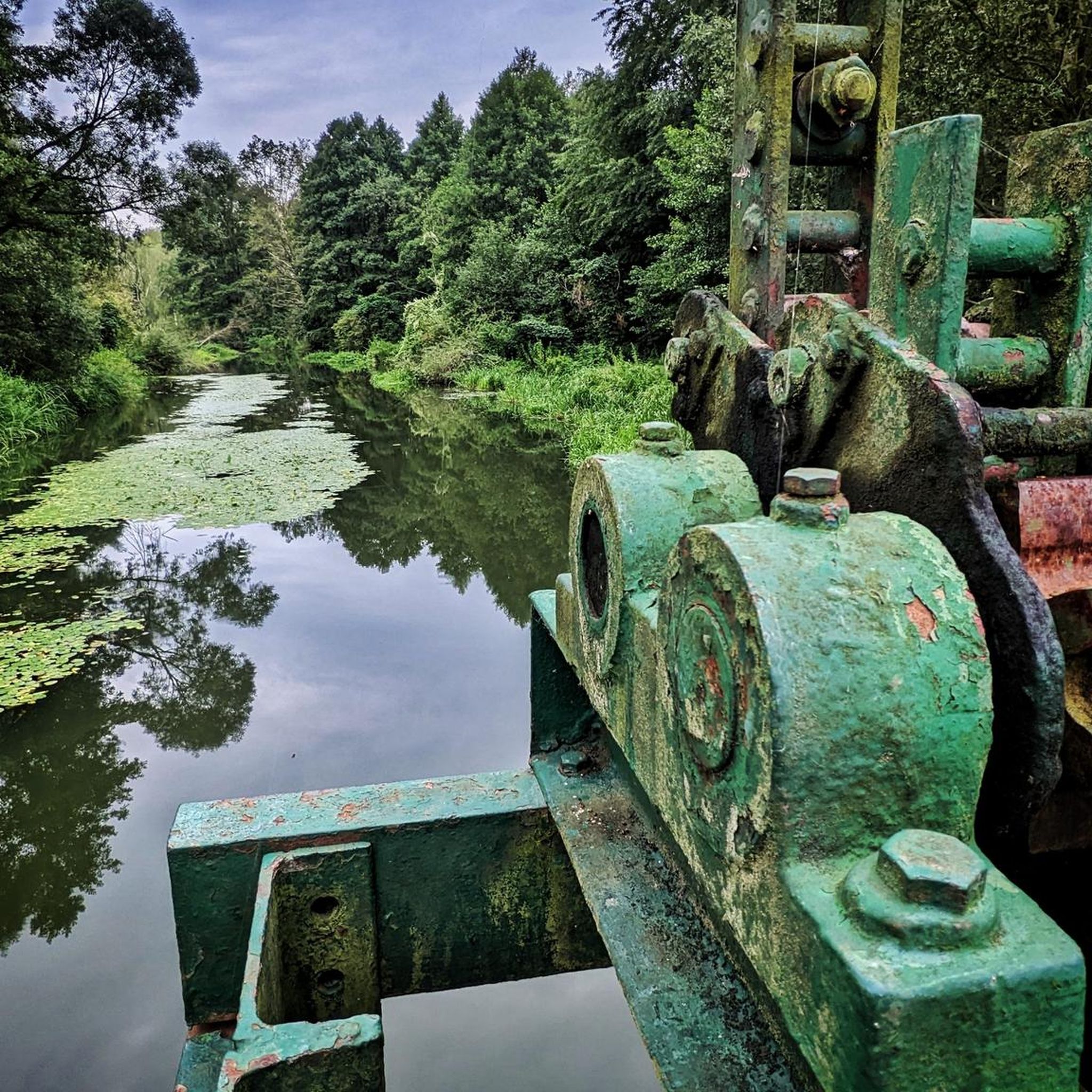
A pleasant path leading to the town. The downside is sometimes cars passing by. The northern section is marked among trees that provide a bit of shade.
0
0
Beforehand, it is worth checking whether the Castle is not closed. We bounced from the door because of the colony. 😂 Fortunately, there is a gastro station right next to it. The casseroles improved our moods. 💪
0
0

According to the legend, the ghost of a boy who tragically died there nearly 120 years ago appears in the vicinity of the church after dark.
1
0

The west gate tower in the wall of the city fortifications facing Germany, hence the name.
0
0
In the season, numerous attractions and outdoor events.
1
0
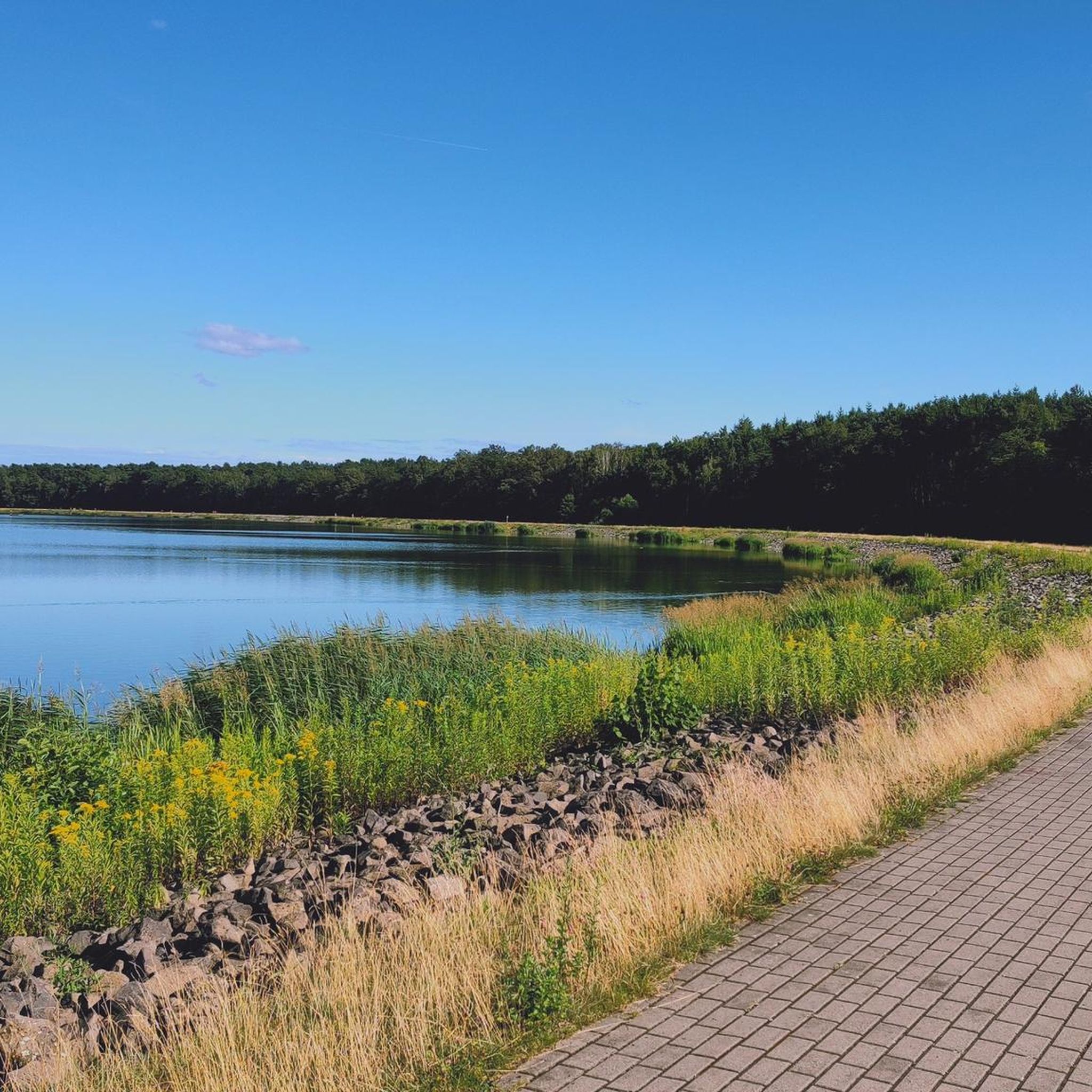
Part of the bicycle path to the knight's stronghold.
0
0

The market square in Kępno is one of the largest in Greater Poland. For centuries, it had wooden buildings that were damaged many times by repeated fires. In the mid-nineteenth century, thanks to the expansion of communication and industry, the city began to develop intensively. During this period, until the beginning of the 20th century, many interesting tenement houses were built in the market, including in the neo-renaissance and eclectic style. In the square there is also a beautiful town hall built in the classical style in 1835 and a fountain with swans.
3
0
Frequently Asked Questions
What historical sites can I explore in and around Gmina Łęka Opatowska?
The region is rich in history. You can visit the 19th-century Rządcówka (Manager's Residence) and its surrounding landscape park. The Railway Station from the 1920s and the adjacent Customs House are notable for their unique architectural style. Further afield, explore the German Gate Tower (Wieża Bramna Niemiecka) in Byczyna, a significant part of the city's fortifications, and the Medieval stronghold in Biskupice, which hosts various events.
Are there any natural attractions or parks to visit in the area?
Yes, the 4.14-hectare Landscape Park surrounding the Rządcówka is a significant natural feature, home to 741 trees, including 31 specimens of dendrological value like elm, linden, and Douglas fir. The gmina is also situated on the Wieruszowska Upland, offering varied terrain for exploration.
What kind of outdoor activities can I do near Gmina Łęka Opatowska?
The area offers various outdoor activities, especially cycling and running. You can find numerous MTB trails, including easy loops from Wieruszów and Pieczyska, or more challenging routes like the Bałczyna Viewpoint – Wielki Kamień loop. For road cycling, explore routes around Gmina Łęka Opatowska, such as the Wooden Church in Brzezinki loop. There are also several running trails, including loops from Kępno and Wieruszów Miasto.
Are there family-friendly attractions in Gmina Łęka Opatowska and its surroundings?
Absolutely. The Medieval stronghold in Biskupice is a great option, hosting numerous attractions and outdoor events during the season. The German Gate Tower in Byczyna is also considered family-friendly. Additionally, the Kępno Town Square and Swan Fountain provide a pleasant environment for a family stroll, and the Cycle Path to the Knight's Stronghold offers a pleasant cycling experience for all ages.
What is the Kępno Town Square known for?
The Kępno Town Square is one of the largest in Greater Poland. It features historic tenements built in neo-renaissance and eclectic styles, a classicist town hall from 1835, and a charming swan fountain, making it a picturesque spot for visitors.
Can I learn about the region's ancient past?
Yes, the region has a deep history. Archaeological discoveries of prehistoric graves have been made between Łęka Opatowska and Lipie. The village of Siemianice has also yielded significant findings, including an ancient settlement and a Roman-era cremation cemetery with artifacts like blacksmith's tools and a bronze jug from Italy, indicating its historical trade connections along the Amber Road.
What is the story behind the Łopuchin Palace and Orthodox Church in Chróścin?
The Łopuchin Palace and Orthodox Church in Chróścin were erected in the late 19th century. The church was funded by Tatiana Krasnokutski and her husband Ivan Łopukhin, serving their family and Orthodox soldiers. A local legend suggests the ghost of a boy who tragically died there nearly 120 years ago appears in the vicinity of the church after dark.
What do visitors enjoy most about the Medieval stronghold in Biskupice?
Visitors appreciate the Medieval stronghold in Biskupice for its numerous attractions and outdoor events, especially during the season. It's a place where history comes alive, though it's advisable to check ahead for closures due to private events like colonies.
What is the significance of the German Gate Tower in Byczyna?
The German Gate Tower (Wieża Bramna Niemiecka) is the west gate tower within the historic city fortifications of Byczyna. It faces Germany, which is the origin of its name, and served as a crucial entry point into the walled city.
What is the best time of year to visit Gmina Łęka Opatowska?
The warmer months, typically spring through early autumn, are ideal for visiting Gmina Łęka Opatowska. This period allows for full enjoyment of outdoor activities like cycling and exploring the landscape park. Seasonal outdoor events at the Medieval stronghold in Biskupice and summer water activities at nearby Kąpielisko OSiR in Ostrzeszów also make these months particularly appealing.
Are there any unique architectural landmarks besides historical residences?
Beyond the Rządcówka, the Railway Station from the 1920s stands out. It was constructed in a distinct 'national style' incorporating classicist and Renaissance elements, and served as a crucial border crossing between Poland and Germany during the interwar period. The adjacent Customs House also dates from this early 20th-century period.
Where can I find information about the region's trade history?
The region's historical trade connections are evident through archaeological findings. Gmina Łęka Opatowska was situated along the Amber Road during the Roman period. Discoveries in Siemianice, such as a bronze jug originating from Italy, highlight its early economic development and trade routes.
Most popular routes around gmina Łęka Opatowska

Get inspired with the komoot mobile app


Explore more
Still not found the Highlight you’re looking for? See guides of the top attractions in other regions:
