Attractions and Places To See around Babiak - Top 9
Best attractions and places to see around Babiak include a mix of historical and cultural sites within the village and the surrounding Gmina Babiak. This area, located in Koło County, Greater Poland Voivodeship, features significant religious buildings, historical monuments, and a castle. The region offers insights into local history and architecture.
Best attractions and places to see around Babiak
- The most popular attractions is St. Adalbert's Church in Brdów, a religious building that is an oriented church, originally Gothic,…
Last updated: May 20, 2026
St. Adalbert's Church in Brdów
Highlight • Religious Site
pl.wikipedia.org/wiki/Brd%C3%B3w#Ko%C5%9Bci%C3%B3%C5%82_i_klasztor_oo._paulin%C3%B3w
Translated by Google •
Tip by

Holy Family Church in Przedecz
Highlight • Religious Site
Translated by Google •
Tip by
Sign up now to discover places like this
Get recommendations on the best single tracks, peaks, & plenty of other exciting outdoor places.
Sign up for free
St. Hedwig Parish Church, Lubstów
Highlight • Religious Site
Translated by Google •
Tip by

Lubstów Palace
Highlight • Historical Site
Translated by Google •
Tip by
Przedecz Castle
Highlight • Castle
Translated by Google •
Tip by
Sign up for free to discover even more attractions around Babiak.
Sign up for free
Already have an account?
Start today with a free account
Your next adventure awaits.
Login or Signup
Popular around Babiak
Tips from the Community

Church of Saint Jadwiga in Lubstów – a Roman Catholic parish church belonging to the parish of the same name (Sompoleño deanery of the Włocławek diocese).
0
0
The palace in Lubstowo is a historic estate, located by the lake, originating from a historically significant area (a village mentioned in 1393). The property was offered for sale with the possibility of adaptation for commercial or private purposes, characterized by its historic atmosphere. In the 19th century, the estate housed a distillery and a brewery.
0
0

The castle was built in the mid-19th century.
0
0
Parish Church of St. Hedwig from 1534 with rococo interior and bell tower from 1758. Source: Wikipedia
0
0

St. Wojciech, located on the high shore of Lake Brdowskie, is an oriented church, originally Gothic, baroque and expanded in the 17th and 18th centuries. https://pl.wikipedia.org/wiki/Brd%C3%B3w#Ko%C5%9Bci%C3%B3%C5%82_i_klasztor_oo._paulin%C3%B3w
0
0
The neo-Gothic church of the Holy Family was built in 1905–1909 on the site of the church of St. Nicholas from 1572. The design of the church was made by the architect Józef Pius Dziekoński, following the example of the church of St. Anna in Vilnius. The main altar, side altars and the pulpit are made of richly carved wood. Next to the temple, there is a historic brick belfry from 1834. https://pl.wikipedia.org/wiki/Ko%C5%9Bci%C3%B3%C5%82_%C5%9Bw._Rodzin_w_Przedczu
0
0
The medieval castle was erected during the reign of Casimir the Great, probably before 1360. The castle was surrounded by brick defensive walls on a rectangular plan with a round tower in the corner. It was a defensive tower (bergfried) where, in the event of the castle being captured, the crew could take refuge and continue their defense. The entrance to the castle was possible through a rectangular gatehouse and a drawbridge. The stronghold was surrounded by a moat that was connected to the lake. In the middle of the 16th century, the castle was rebuilt and the tower was decorated with an attic. From the 18th century, the castle was not renovated and fell into ruin. In the 19th century, the remains of the castle were rebuilt into an evangelical church in the neo-Gothic style, and the tower was converted into a belfry. In 1977, the Municipal Cultural Center and the District Museum began operating in the castle. https://pl.wikipedia.org/wiki/Zamek_w_Przedczu
0
0
Frequently Asked Questions
What historical sites can I visit in and around Babiak?
The region offers several significant historical sites. You can explore the St. Adalbert's Church in Brdów, a Baroque church with a rich history, and the Holy Family Church in Przedecz, a neo-Gothic structure. Don't miss the medieval Przedecz Castle, which was later rebuilt into an evangelical church. Additionally, the Monument to the Battle of Brdów 1863 commemorates a significant event from the January Uprising.
Are there any significant religious sites in the Babiak area?
Yes, the area is rich in religious heritage. The Pauline Monastery and Sanctuary of Our Lady of Victory in Brdów is a major religious and tourist center, housing a miraculous image of the Mother of God. The St. Adalbert's Church in Brdów itself is a beautiful Baroque church. In Babiak village, you'll find the Church of the Transfiguration of Christ, built in the early 20th century.
Where can I learn about the January Uprising near Babiak?
You can visit the Monument to the Battle of Brdów 1863, which commemorates the battle fought on April 29, 1863, during the January Uprising. This site includes a cross, commemorative plaques, and a symbolic grave. The Cemetery in Brdów also features a collective grave of January Uprising insurgents.
Are there any natural attractions in Gmina Babiak?
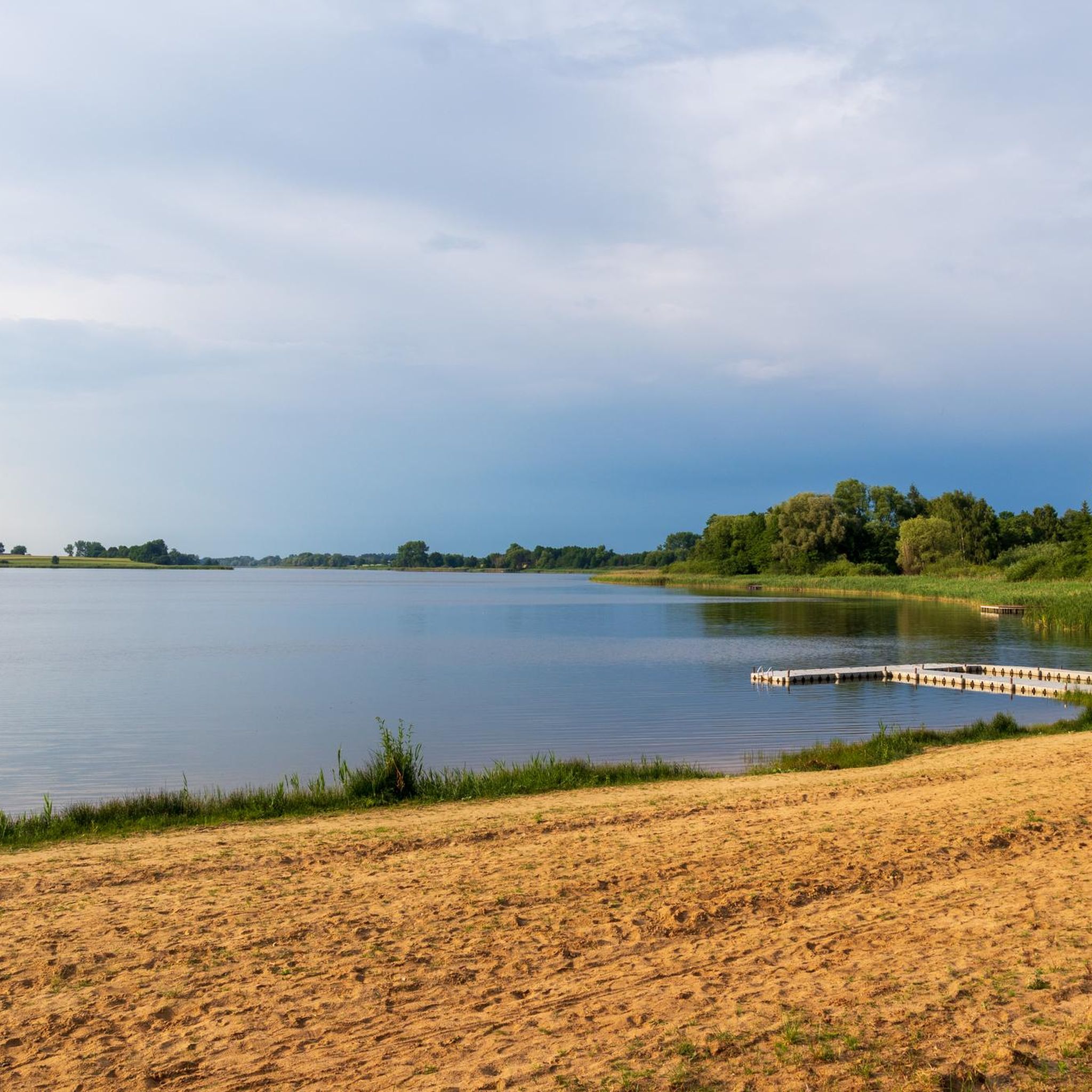
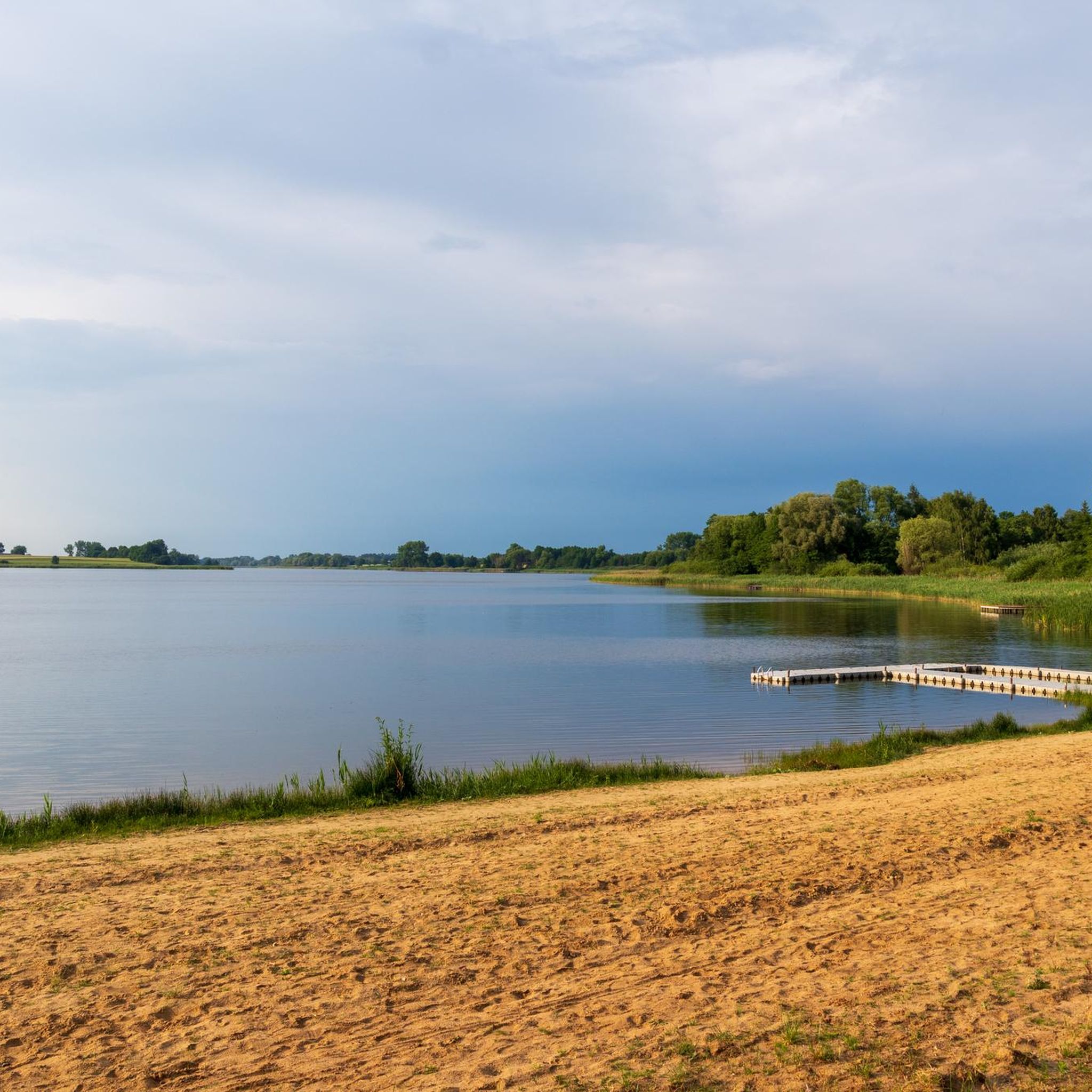
Absolutely. Brdów Lake is a prominent natural highlight, part of the Kuyavian Lake District, where the Noteć River flows through. It offers beaches and swimming areas. Additionally, the Kawęczyńskie Brzęki Nature Reserve protects a unique oak-hornbeam forest, notable for its wild service tree population.
What outdoor activities can I do near these attractions?
The Babiak area is great for outdoor enthusiasts. You can find various running trails, with options ranging from easy to moderate difficulty, such as loops from Wrząca Wielka or Grzegorzew. For cyclists, there are numerous cycling routes, including scenic loops from Orle and around Gmina Babiak.
Are there hiking opportunities around Babiak?
While specific hiking trails are not detailed, the Kawęczyńskie Brzęki Nature Reserve offers a chance to explore a unique forest ecosystem. For more structured outdoor routes, consider the running and cycling guides which often follow paths suitable for walking and offer a great way to experience the local landscape.
Are there any family-friendly attractions around Babiak?
The Monument to the Battle of Brdów 1863 is considered family-friendly and offers a quiet place for reflection and a stop during a bike trip. The beaches at Brdów Lake also provide a pleasant environment for families to enjoy nature.
Are any attractions in the Babiak area wheelchair accessible?
Yes, the Przedecz Town Hall and Memorial Monument is noted as being wheelchair accessible. This site in the center of Przedecz's Market Square offers a historical point of interest for all visitors.
What is the history of Przedecz Castle?
The medieval Przedecz Castle was built during the reign of Casimir the Great, likely before 1360. It featured defensive walls, a round tower, and a moat connected to the lake. Over time, it fell into ruin and was later rebuilt in the 19th century into an evangelical church in the neo-Gothic style, with the tower serving as a belfry. Today, it houses the Municipal Cultural Center and District Museum.
When is the best time to visit Babiak for outdoor activities?
The warmer months, typically from late spring to early autumn (May to September), are generally best for outdoor activities like running, cycling, and enjoying Brdów Lake. During this period, the weather is most favorable for exploring the natural reserves and historical sites.
Are there any sites connected to famous historical figures in the region?
Yes, the Cemetery in Brdów holds the grave of Fryderyk Chopin's grandfather, Jakub Krzyżanowski. Additionally, the silent film star Pola Negri spent a significant part of her childhood vacations at her grandparents' home in Brdów.
What kind of wildlife can I expect to see near Babiak?
Brdów Lake is known for its diverse birdlife, making it a great spot for birdwatching. The Kawęczyńskie Brzęki Nature Reserve protects a unique forest ecosystem, offering opportunities to observe local flora and potentially some forest animals.
Most popular routes around Babiak

Get inspired with the komoot mobile app


Explore more
Still not found the Highlight you’re looking for? See guides of the top attractions in other regions:
