Top 20 Lakes around Kirchbarkau
Lakes around Kirchbarkau are situated in a picturesque lake district in Schleswig-Holstein, Germany. The region features several notable lakes, including the Bothkamper See, known for its recreational opportunities, and the ecologically important Kührener Teich and Lanker See. This area offers diverse natural landscapes, from designated bathing areas to significant nature reserves, providing various walking paths and hiking routes.
Best lakes around Kirchbarkau
- The most popular lakes is Kührener Teich Nature Reserve, a nature reserve that protects endangered and rare…
Last updated: August 17, 2026
Sieversdorf Bridge
Highlight • Bridge
Translated by Google •
Tip by

Kührener Teich Nature Reserve
Highlight • Natural
Translated by Google •
Tip by

Sign up now to discover places like this
Get recommendations on the best single tracks, peaks, & plenty of other exciting outdoor places.
Sign up for free
Kührener Pond
Highlight • Lake
Translated by Google •
Tip by

White Bridge over the Rosensee
Highlight • Bridge
It was built in 1907, restored in 1987 and listed in 1993 as the oldest concrete arch bridge in Schleswig-Holstein.
I used it for the first time in 1986 🙂
Translated by Google •
Tip by

Twisted Tree at Lake Bordesholm
Highlight • Natural
Mostly away from the traffic, a total of about 5.2km.
Translated by Google •
Tip by

Sign up for free to discover even more lakes around Kirchbarkau.
Sign up for free
Already have an account?
Start today with a free account
Your next adventure awaits.
Login or Signup

Tips from the Community

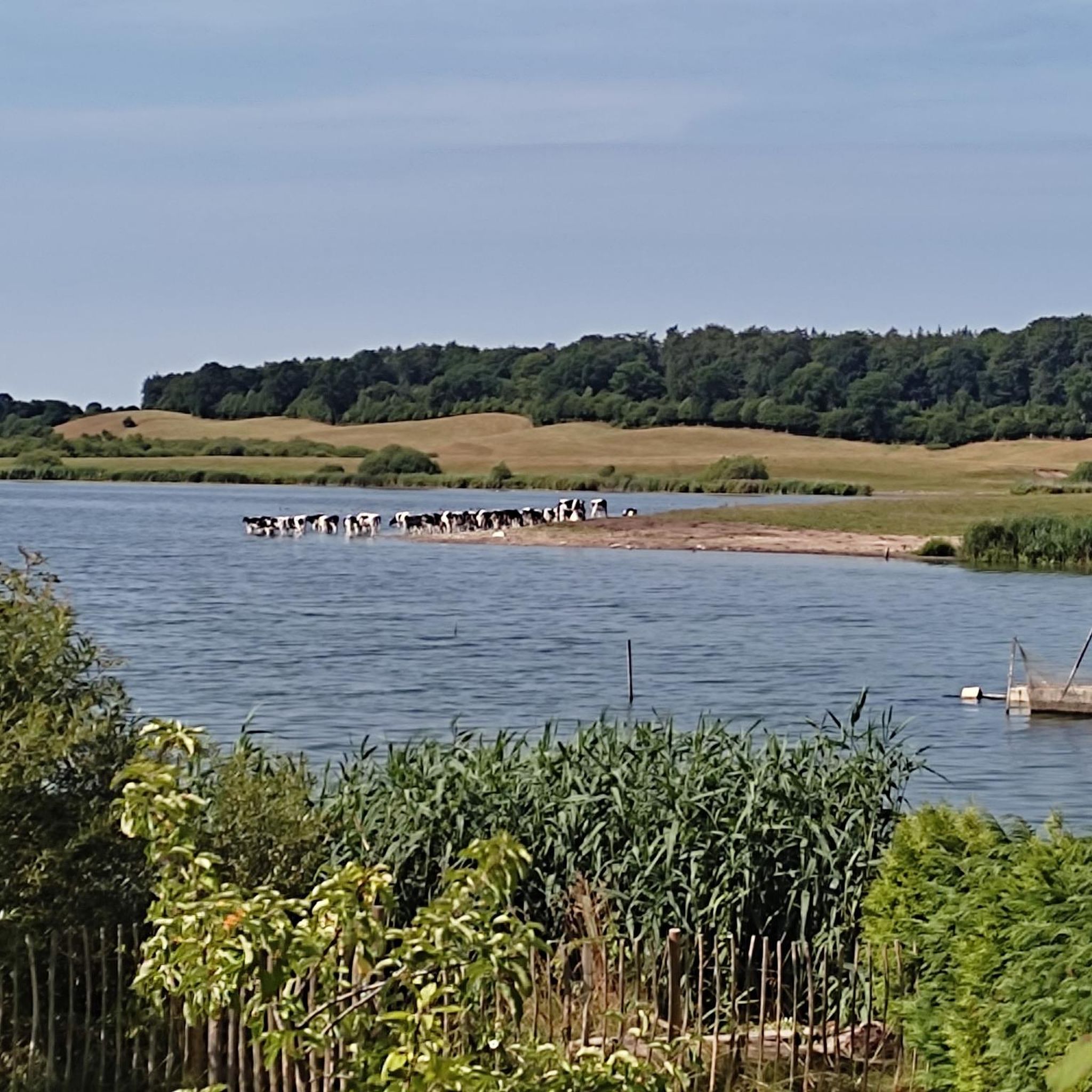
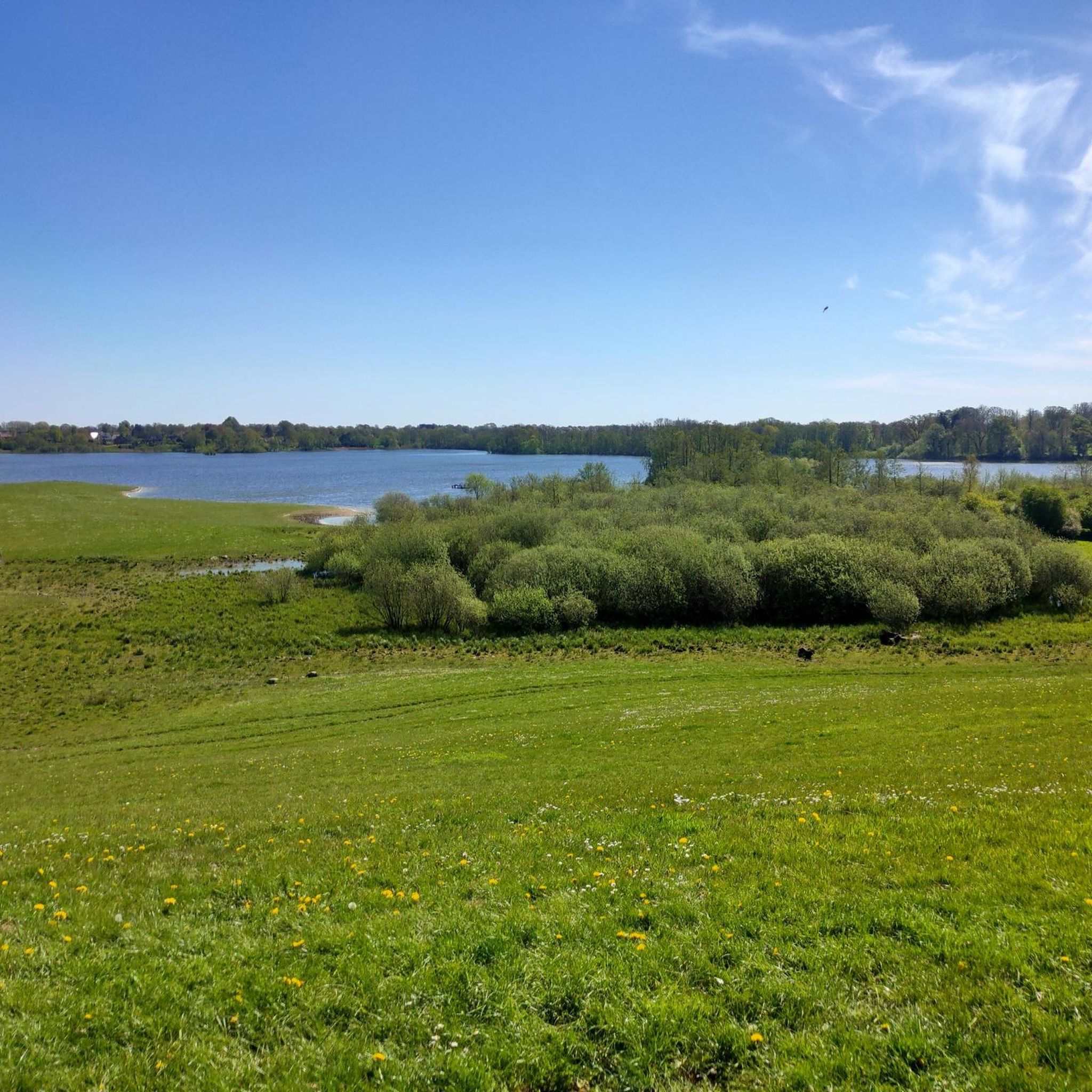
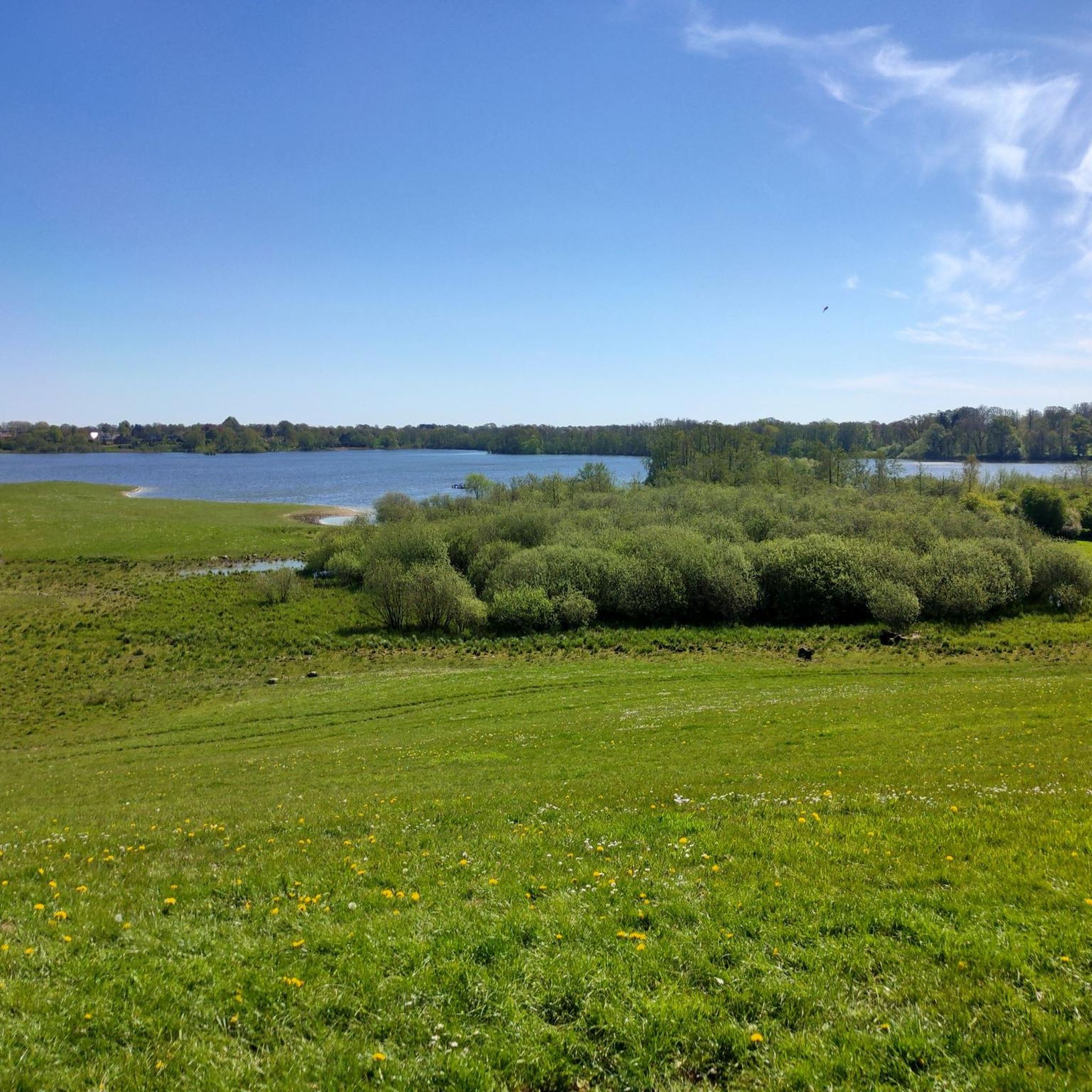
The 79-hectare "Kührener Teich and Surroundings" nature reserve, designated in 1994, lies directly south of the 207-hectare "Peninsulas and Bays in Lake Lanker" nature reserve, separated by the railway embankment. This protection safeguards two nationally important breeding, resting, and feeding areas for endangered and rare bird species, as well as for the rare fire-bellied toad. The core of the nature reserve is the 40-hectare fish pond, which is on average only half a meter deep and drains into Lake Lanker via a dam on the northern edge. North of the path, which runs along a narrow ridge, a species-rich, wet lowland area extends to the railway embankment. The natural water balance has been restored through damming. Large bodies of water occasionally extend here. The area is part of the European ecological network "Natura 2000" (protected habitat area and bird sanctuary). Pond management
8
2

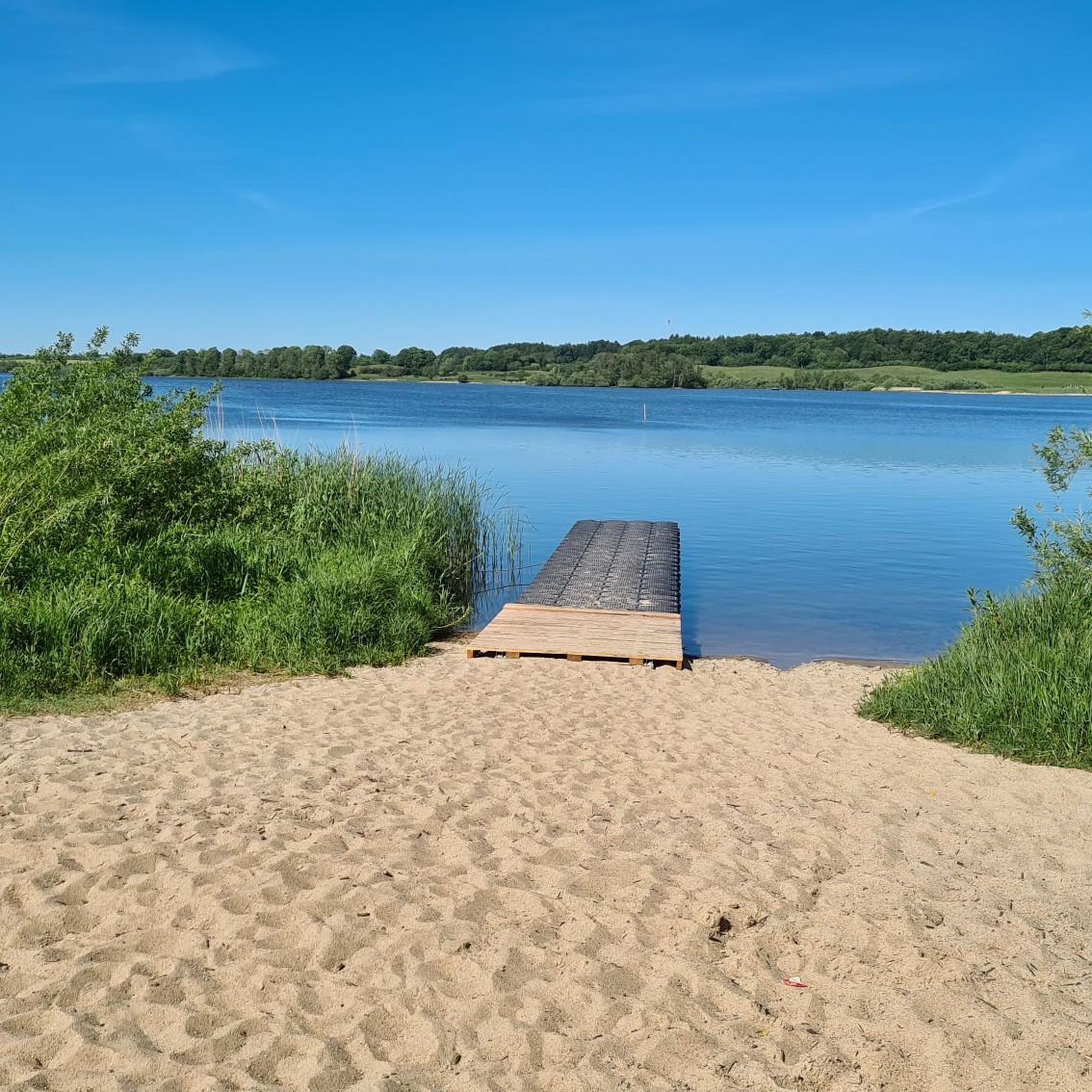
Lake Bordesholm is a popular local recreation area. A well-maintained path, around 7 km long, runs mostly along the shore of the 70 hectare lake and is ideal for walking, jogging or cycling. On the west bank is the huge monastery church, which is reminiscent of the former Bordesholm monastery.
5
0
The Kirchbarkau - Preetz - Lütjenburg (KPL) narrow-gauge railway, founded in 1908, connected rural towns in the region from 1910 onwards over a distance of 41.1 kilometres with 23 stops and was used primarily for freight transport, for example for agricultural products. Despite good infrastructure and regular transport, it was not economically viable, so passenger transport was initially discontinued and then all operations were discontinued in 1938. The line was dismantled, but relics such as the Schwentine Bridge remind us of this short but significant era in regional transport history.
5
0
Sensation on Lake Bordesholm: water skiing without a motorboat By Monika Krebs | August 22, 2023, 9:22 a.m. -01:42 The photo from 1960 shows the water skier on Lake Bordesholm. The viewers on the sidelines of the demonstration appear somewhat skeptical The photo from 1960 shows the water skier on Lake Bordesholm using the new technology Photo: Walter Erben / M. Krebs Collection The invention of a young engineer was worth an agency photo for Courier photographer Walter Erben in the summer of 1960: He photographed a new water ski drive on Lake Bordesholm - without a boat.
4
0

Go into the NABU house, close the door and watch the birds 😉.
2
0


Just watch out for the edge when going up and down
4
1

Hey, the bridge is pretty, but make the effort to explore the moderately difficult route including the Schwentine and the western mountain landscape. It's worth it. In small groups or in pairs. Really.
1
0
Frequently Asked Questions
What kind of outdoor activities can I enjoy around the lakes near Kirchbarkau?
The lakes around Kirchbarkau offer a variety of outdoor activities. You can find numerous trails for easy walks and moderate hikes, especially around Bothkamper See. The hiking routes around Kirchbarkau include options like the 'Lake Forest Path – View of Bothkamper See' loop. For cyclists, there are gravel biking and road cycling routes that explore the scenic lake district.
Are there any nature reserves or areas for birdwatching near Kirchbarkau's lakes?
Yes, the Kührener Teich Nature Reserve is a significant ecological area, crucial for protecting endangered and rare bird species, as well as the rare fire-bellied toad. It's part of the European ecological network "Natura 2000" and offers excellent opportunities for birdwatching and nature observation. The larger Lanker See also has extensive nature reserve areas.
Which lakes are suitable for swimming or bathing?
The Bothkamper See has a designated bathing area in Kirchbarkau, which regularly boasts good to very good water quality, making it a popular spot for swimming. Additionally, the Lanker See offers a large free swimming area with a sandy beach and bathing island at Schellhorn.
Are there family-friendly walking paths around the lakes?
Absolutely. Many trails and paths encircling lakes like Bothkamper See are suitable for all fitness levels and families, offering easy walks with scenic views. The Kührener Teich Nature Reserve also has paths that are generally considered family-friendly for nature exploration.
What historical sites can be found near the lakes?
You can discover several historical points of interest. The White Bridge over the Rosensee, built in 1907, is the oldest concrete arch bridge in Schleswig-Holstein. Another historical structure is the Sieversdorf Bridge, a relic of the former Kirchbarkau-Preetz-Lütjenburg narrow-gauge railway.
What is the best time of year to visit the lakes around Kirchbarkau?
The lakes are beautiful year-round. Summer months are ideal for swimming and water-based activities, though be aware of potential algal blooms at Bothkamper See. Spring and autumn offer pleasant temperatures for hiking and nature observation, with vibrant foliage or blooming flora. Winter can provide serene landscapes for walks, especially if the lakes freeze over.
Are there any lakes with unique natural features or viewpoints?
Yes, the Twisted Tree at Lake Bordesholm is a notable natural feature with an interesting eco-trail. The Kührener Teich Nature Reserve, with its shallow fish pond and wet lowland areas, offers a unique ecological landscape. Many trails around the lakes provide excellent viewpoints over the water and surrounding nature.
How accessible are the lakes from Kirchbarkau?
The Bothkamper See is easily accessible, located approximately 1 kilometer from Kirchbarkau. Other lakes and nature reserves in the district, such as Kührener Teich and Lanker See, are also within easy reach by car or bicycle, offering various entry points and parking options for visitors.
Can I find circular walking routes around the lakes?
Yes, there are several circular walking routes. For example, you can find a loop around Lake Bordesholm, which is about 5.2 km long and offers great views. Many paths around Bothkamper See also form circular routes, perfect for a leisurely stroll or a more extended hike.
What makes the Kührener Teich Nature Reserve ecologically important?
The Kührener Teich Nature Reserve is ecologically vital as it protects nationally important breeding, resting, and feeding grounds for endangered and rare bird species, as well as the rare fire-bellied toad. Its core is a shallow fish pond, and the restoration of its natural water balance has created a species-rich, wet lowland area, making it part of the European ecological network "Natura 2000".
What do visitors particularly enjoy about the lakes around Kirchbarkau?
Visitors frequently appreciate the diverse natural landscapes, from the recreational opportunities at Bothkamper See to the serene and ecologically rich areas like the Kührener Teich. The well-maintained trails and paths for walking and cycling are also highly valued, as are the historical bridges that add character to the routes. The komoot community has shared over 190 photos and given more than 700 upvotes, highlighting the area's appeal.
Most popular routes around Kirchbarkau
Most popular attractions around Kirchbarkau

Get inspired with the komoot mobile app


Explore more
Still not found your perfect lake around Kirchbarkau? Check out the guides of these regions to see even more beautiful places.
