Attractions and Places To See around gmina gmina Środa Wielkopolska - Top 20
Best attractions and places to see around gmina gmina Środa Wielkopolska offers a blend of historical landmarks, cultural sites, and natural features. Located in the Greater Poland Voivodeship, the region has a history dating back to the Middle Ages, evident in its architecture and historical significance. The landscape is characterized by rolling plains and numerous lakes, providing opportunities for outdoor activities. Visitors can explore historical buildings, cultural institutions, and natural areas.
Best attractions and places to see around gmina gmina Środa Wielkopolska
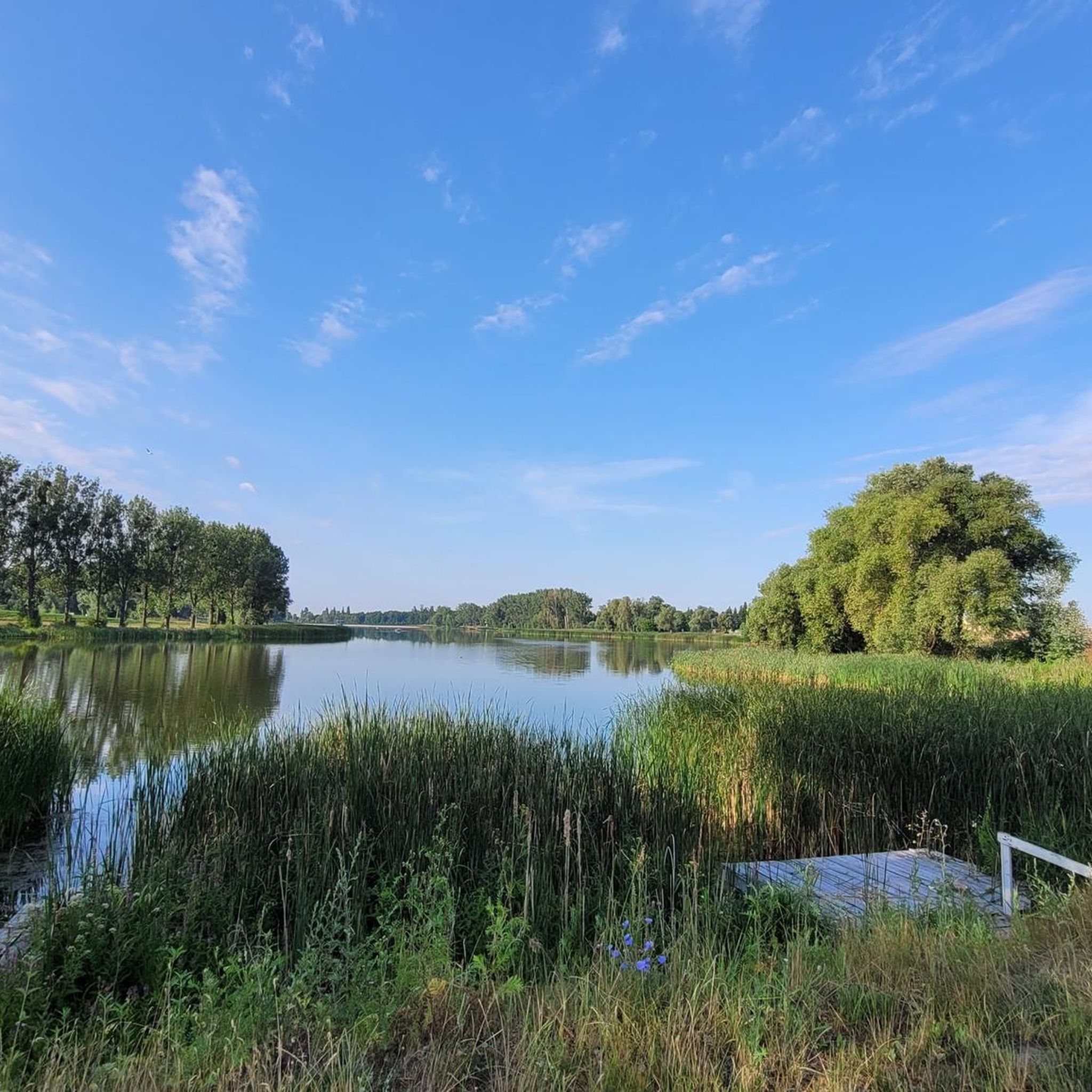
- The most popular attractions is Bike Path Around Lake Średzkie, a cycle way that offers a route around the lake. This path includes resting spots with benches and concrete grills.
- Another must-see spot is Miłosław Palace, a man-made monument. This 19th-century Classicist residence, rebuilt in the 1960s, is surrounded by a picturesque park.
- Visitors also love Church of the Assumption of the Blessed Virgin Mary and St. Nicholas in Giecz, a religious building. This Romanesque church from the 12th century is considered a valuable monument of Romanesque architecture in Poland.
- gmina gmina Środa Wielkopolska is known for historical sites, cultural institutions, and natural areas. The region offers a variety of attractions to see and explore, from ancient churches and palaces to scenic bike paths and manors.
- The attractions around gmina gmina Środa Wielkopolska are appreciated by the komoot community, with 35 upvotes and 16 photos shared by visitors.
Last updated: July 15, 2026
Miłosław Palace
Highlight • Monument
Translated by Google •
Tip by

Church of the Assumption of the Blessed Virgin Mary and St. Nicholas in Giecz
Highlight • Religious Site
Translated by Google •
Tip by

Sign up now to discover places like this
Get recommendations on the best single tracks, peaks, & plenty of other exciting outdoor places.
Sign up for free
Bike Path Around Lake Średzkie
Highlight (Segment) • Cycleway
Translated by Google •
Tip by

Żółtowski Manor in Nekla
Highlight • Historical Site
Translated by Google •
Tip by

All Saints' Church in Nietrzanowo
Highlight • Religious Site
The parish church was probably built in the 13th century. In the Poznań town records, a vicar named Wacław was recorded in 1393.
Originally, the church in Nietrzanów was made of larch wood.
In the years 1664 - 1666, under Fr. parish priest Thomas Depius, a new brick church was built, covered with tiles, with walls one and a half meters thick. The builder of the church was Jan Koński from Poznań.
The church of All Saints was consecrated in October 1677 by Maciej Kurski, suffragan of Poznań.
At the end of the 19th century, the church turned out to be too small for the needs of the parish. For this reason, in the years 1900-1901,
for Fr. parish priest Adam Świdziński, the expansion of the temple began. The work was carried out by the builder Heliodor Matejko. As a result, a thorough reconstruction took place, and only the western tower, three-story, pilastered, on a square plan, remained of the former building. A chancel and two side aisles were added.
Translated by Google •
Tip by

Sign up for free to discover even more attractions around gmina gmina Środa Wielkopolska.
Sign up for free
Already have an account?
Start today with a free account
Your next adventure awaits.
Login or Signup
Popular around gmina gmina Środa Wielkopolska

Tips from the Community

The palace was built in the early 19th century at the request of Józef Mielżyński, according to a design by K.F. Schinkel, as a (then relatively modest) villa-palace. In the mid-19th century, it was expanded to include the wings of the southern façade, the western wing, and a tower in the Neo-Renaissance style. The reconstruction was designed by Count Seweryn Mielżyński himself. He intended to designate the eastern wing of the façade as a picture gallery. The next reconstruction took place at the end of the 19th century. It was carried out by the next owner of Miłosław, Józef Kościelski, to whom the palace owes its regular façade wings, the Grand Order portico, the balustrade-like finial, and the additional tower story, among other things. Thanks to these efforts, the palace acquired the classic appearance of a Neo-Renaissance residence. The façade, with its central projection and Grand Order portico, is particularly impressive. Four Ionic columns support the architrave, which supports the triangular pediment. The avant-corps is connected to the side wings, which protrude significantly from the facade, and feature charming galleries decorated with vases. A quadrangular tower, topped by a belvedere surrounded by a balustrade, dominates the entire structure. The garden façade is enhanced by a perpendicularly added wing. The palace stands in a beautiful landscaped park. (naprzekordniom.wordpress.com) Currently (October 2025), the building is undergoing facade renovations.
0
0

Miłosław Palace is a 19th-century Classicist residence located in the southern part of the city. Built as a Neo-Renaissance villa designed by Karl Friedrich Schinkel, it was subsequently expanded several times, including by Seweryn Mielżyński. In its heyday, it served as an "open house," hosting distinguished writers, musicians, and painters, and housed a museum housing a valuable art collection. Burnt down in 1945, it was rebuilt in the 1960s, preserving its original appearance. Today, it houses a school, and the building is surrounded by a picturesque park, worth visiting on a bicycle tour of the area.
3
0

a nice palace converted into a school
0
1
a beautiful palace which was turned into a school
0
0
It is a Romanesque building from the 12th century. The wall is 110 centimetres thick and is faced with granite cubes, with sandstone cubes at the corners. There are traces of sharpening and numerous cuts with a hard, sharp tool on the facing. During the restoration of the church in 1951 and in the following years, traces of a temple from pre-Romanesque times were discovered, destroyed by the Czech invasion in 1039, and a Romanesque altar mensa measuring 150x116x130 cm, built of seven layers of stone ashlars. Inside the church there is a late Gothic stoup made of sandstone in the form of a liturgical chalice and a late Gothic wooden figure of the Madonna and Child. (Wikipedia)
0
0
The manor house was built around 1870 by the Żółtowski family of the Ogończyk coat of arms. It is an eclectic building, which bears the form of an extended Italian villa. The central, lower front part contains one entrance, in front of which there is a porch. In the middle of the building there is a low turret. Originally, all the windows (except for the windows in the front projections) on the ground floor were topped with a semicircular arch. The manor house served as a residential building for the Żółtowski family. Since 1945, a paramedic's station was established in the manor house, which was renamed a health center in 1957. In 1948, the building was home to: a kindergarten, a public library (until 2009). (Wikipedia)
1
0
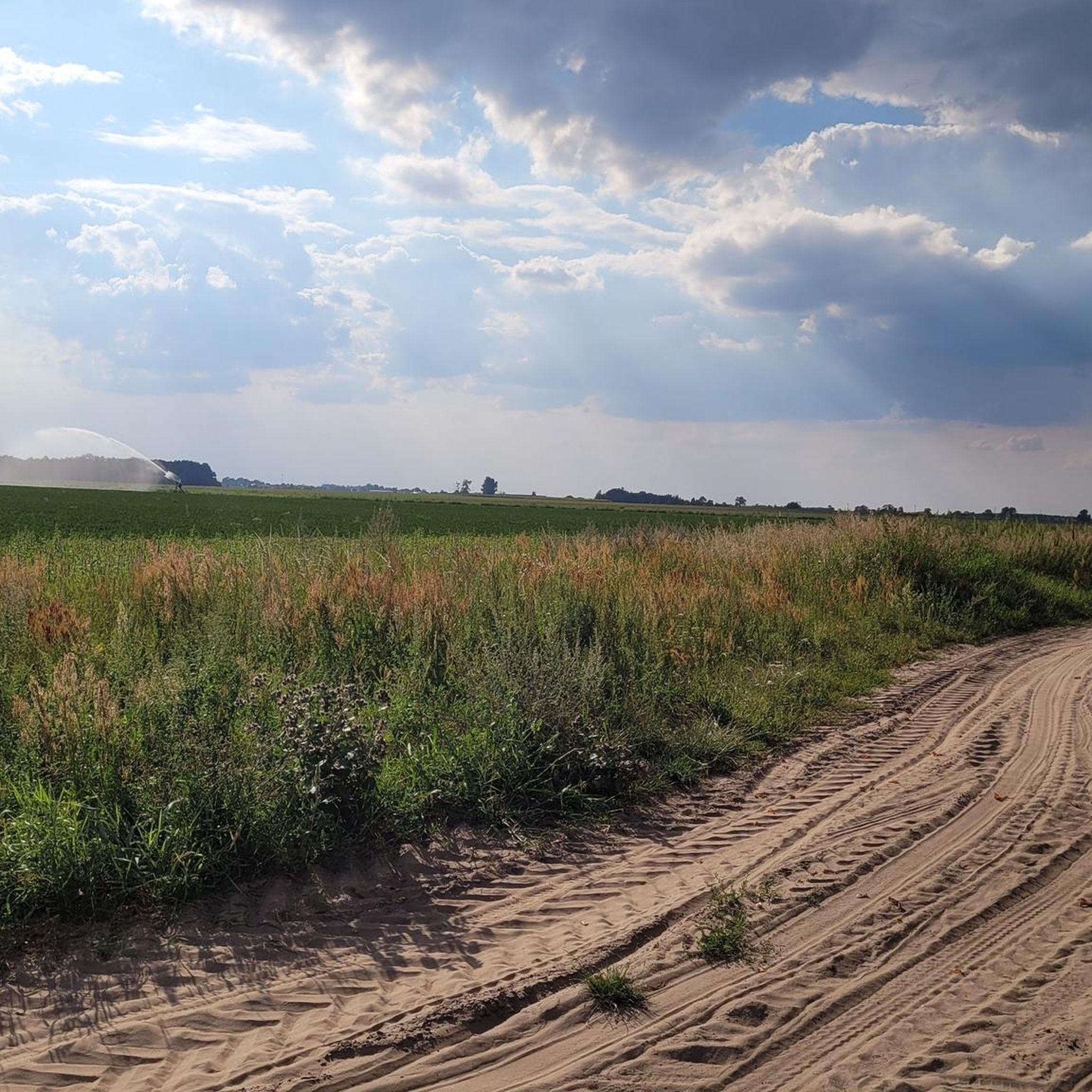
a nice fast bike path around the Środa lake
1
0

There is a lot of traffic during the season - cyclists, walkers, runners. But most of the anglers ;)
2
0
Frequently Asked Questions
What historical sites can I explore in Gmina Środa Wielkopolska?
The region is rich in history. You can visit the Miłosław Palace, a 19th-century Classicist residence surrounded by a picturesque park. Another significant historical site is the Church of the Assumption of the Blessed Virgin Mary and St. Nicholas in Giecz, a valuable Romanesque monument from the 12th century. Additionally, the Gothic Parish Church of the Assumption of the Blessed Virgin Mary in Środa Wielkopolska, the Senators' Houses, and the Archdiocesan Museum in Gniezno offer further insights into the area's past.
Are there any family-friendly attractions or activities in the area?
Yes, Gmina Środa Wielkopolska offers several family-friendly options. The Bike Path Around Lake Średzkie is a great choice for families, offering a scenic route with resting spots and concrete grills. Many historical sites like Miłosław Palace and Church of the Assumption of the Blessed Virgin Mary and St. Nicholas in Giecz are also suitable for family visits. The Środa Narrow-Gauge Railway provides a unique historical and recreational experience that children often enjoy.
What natural features or outdoor spaces are available for recreation?
The region is characterized by rolling plains and numerous lakes. You can enjoy the Bike Path Around Lake Średzkie, which is perfect for cycling and offers beautiful views. Other natural spots include Park Łazienki for relaxation and Górka Wojtaszaka (Wojtaszak Hill) for scenic walks and enjoying the landscape. The wider Greater Poland region also features picturesque river valleys.
Where can I go for a walk or hike near the attractions?
For easy walks and hikes, consider exploring the area around Jezioro Średzkie (Środa Lake). There's an easy hike around Jezioro Średzkie itself. Górka Wojtaszaka also offers pleasant walking opportunities. You can find more options for easy hikes around Gmina Środa Wielkopolska.
Are there cycling routes available in Gmina Środa Wielkopolska?
Absolutely. The Bike Path Around Lake Średzkie is a popular cycle way with resting spots. The region's landscape is generally suitable for cycling. For mountain biking enthusiasts, there are MTB trails around Gmina Środa Wielkopolska, including routes around Wojtaszek Hill and Środa Lake Beach.
What cultural institutions or unique experiences does the region offer?
Beyond historical buildings, you can visit the Muzeum Ziemi Średzkiej 'Dwór w Koszutach' (Museum of the Środa Land 'Manor in Koszuty') for local history and culture. The Średzka Kolej Powiatowa (Środa Narrow-Gauge Railway) offers a nostalgic journey, especially with its steam locomotive. Don't miss the Środa Treasure Exhibition, showcasing a significant archaeological find of medieval silver coins and jewelry.
What is the best time of year to visit Gmina Środa Wielkopolska?
The region is enjoyable throughout the warmer months, from spring to early autumn, when the weather is pleasant for outdoor activities like cycling around Lake Średzkie and exploring historical sites. Summer offers the best conditions for enjoying the lakes and parks. However, historical sites and museums are accessible year-round.
Are there any unique historical monuments besides churches and palaces?
Yes, the region has unique historical elements. The Water Tower (Wodociągowa wieża ciśnień) on Dąbrowskiego, Harcerska, and Żwirki i Wigury streets is a technical monument unique in Poland due to its innovative construction. Additionally, the Archaeological Reserve – Piast Stronghold in Giecz, located nearby, offers a glimpse into the early Polish state.
What do visitors particularly enjoy about the attractions here?
Visitors appreciate the blend of historical depth and natural beauty. The Miłosław Palace is noted for its picturesque park, while the Church of the Assumption of the Blessed Virgin Mary and St. Nicholas in Giecz is valued for its Romanesque architecture and historical significance. The Bike Path Around Lake Średzkie is popular for its scenic route and amenities like resting spots and grills.
Can I find running trails near the attractions in Gmina Środa Wielkopolska?
Yes, there are several running trails available. You can find various running trails around Gmina Środa Wielkopolska, including loops from the town itself and nearby areas like Mączniki and Winna Góra. These range from easy to moderate difficulty, offering options for different fitness levels.
Are there any hidden gems or less-known places worth visiting?
While not widely publicized, the Żółtowski Manor in Nekla is an eclectic 19th-century building set within an 11.2-hectare park featuring ancient trees, including the oldest pear tree in Poland. It offers a quieter, more reflective experience away from the main tourist spots.
Is there a town square or central hub in Środa Wielkopolska?
Yes, the Town Square (Rynek w Środzie Wielkopolskiej) serves as the heart of local life. While the original Gothic and later town halls have not survived, the rectangular outline of the old building with a commemorative stone remains. The 19th-century court building is now the most prominent structure, and the square is surrounded by colorful buildings.
Most popular routes around gmina gmina Środa Wielkopolska
Most popular attractions around gmina gmina Środa Wielkopolska

Get inspired with the komoot mobile app


Explore more
Still not found the Highlight you’re looking for? See guides of the top attractions in other regions:
