Attractions and Places To See around gmina Białogard - Top 20
Best attractions and places to see around gmina Białogard include a mix of historical landmarks, cultural sites, and natural features. This region in Poland is characterized by its clean rivers, extensive forests, and diverse terrain, offering opportunities for outdoor activities. Visitors can explore historical palaces, ancient churches, and scenic viewpoints, alongside green spaces and unique natural formations. The area provides a variety of points of interest for those interested in history, culture, and nature.
Best attractions and places to see…
Last updated: August 25, 2026
Amber Palace (Bursztynowy Pałac)
Highlight • Castle
Translated by Google •
Tip by

Podwilcze Palace
Highlight • Historical Site
Village Street in Podewils
Chapel in Podewils
Translated by Google •
Tip by

Sign up now to discover places like this
Get recommendations on the best single tracks, peaks, & plenty of other exciting outdoor places.
Sign up for free
White Eagle Park
Highlight • Parking
Translated by Google •
Tip by

Skoczków Palace
Highlight • Castle
Translated by Google •
Tip by
Altstadt Bialogard
Highlight • Historical Site
Translated by Google •
Tip by

Sign up for free to discover even more attractions around gmina Białogard.
Sign up for free
Already have an account?
Start today with a free account
Your next adventure awaits.
Login or Signup
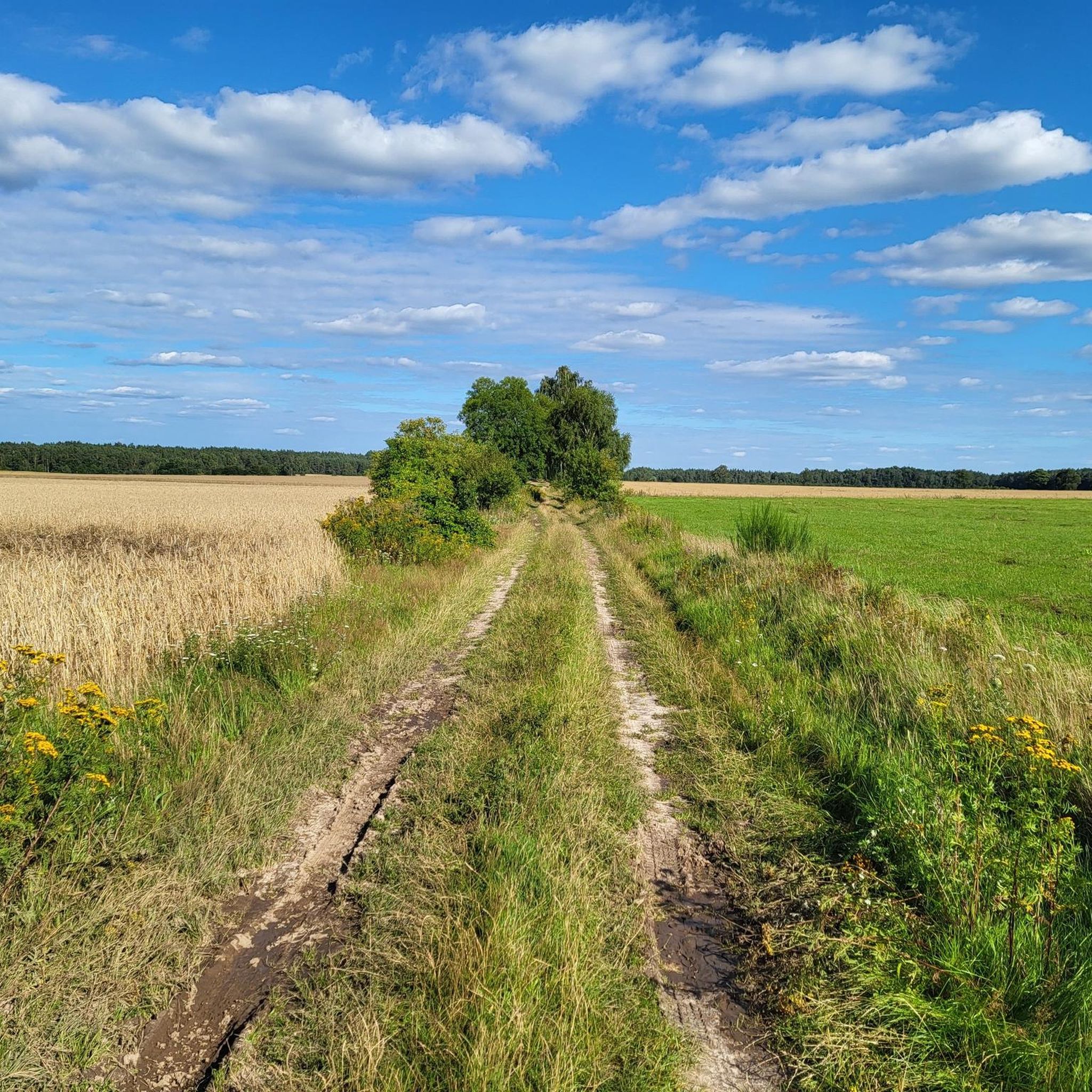
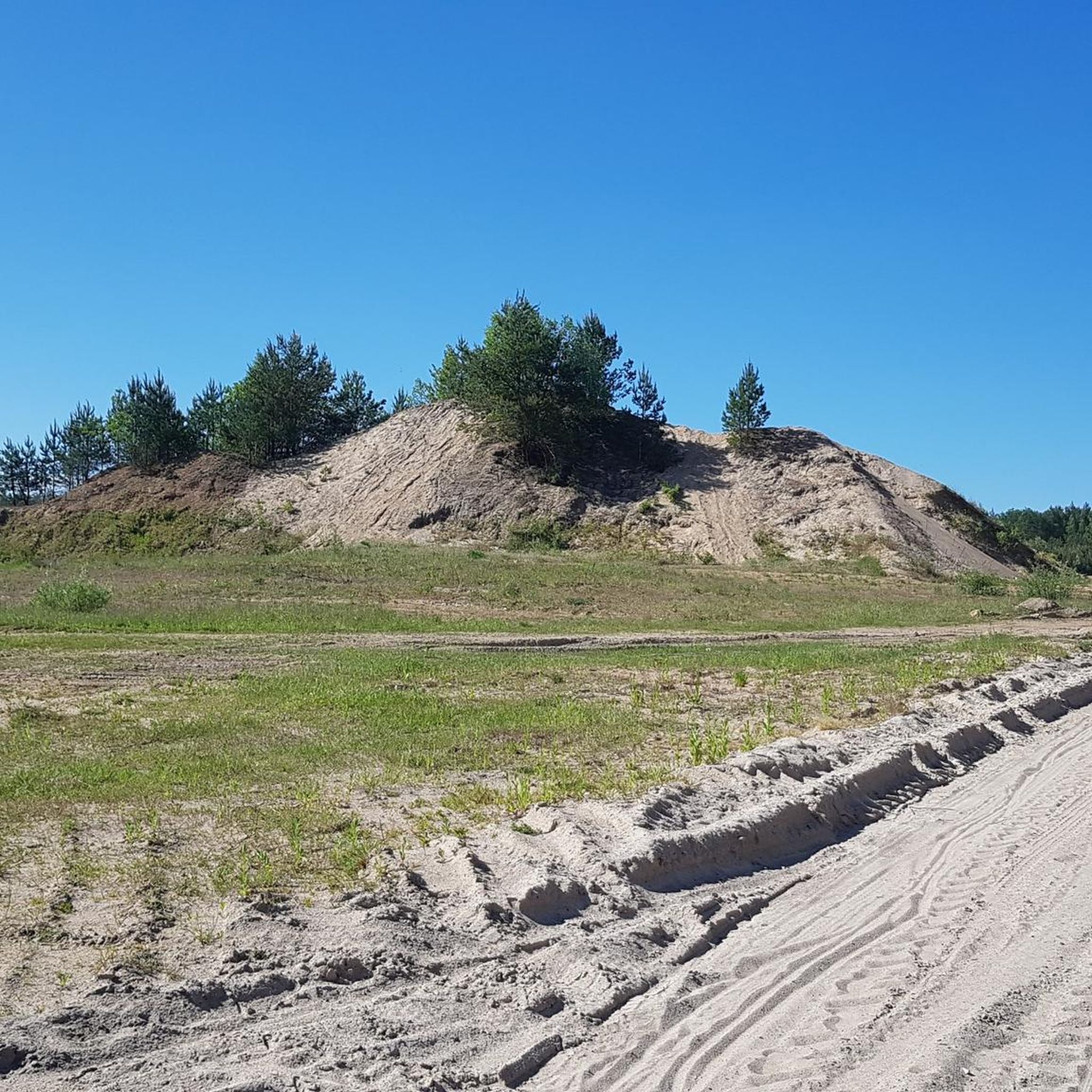
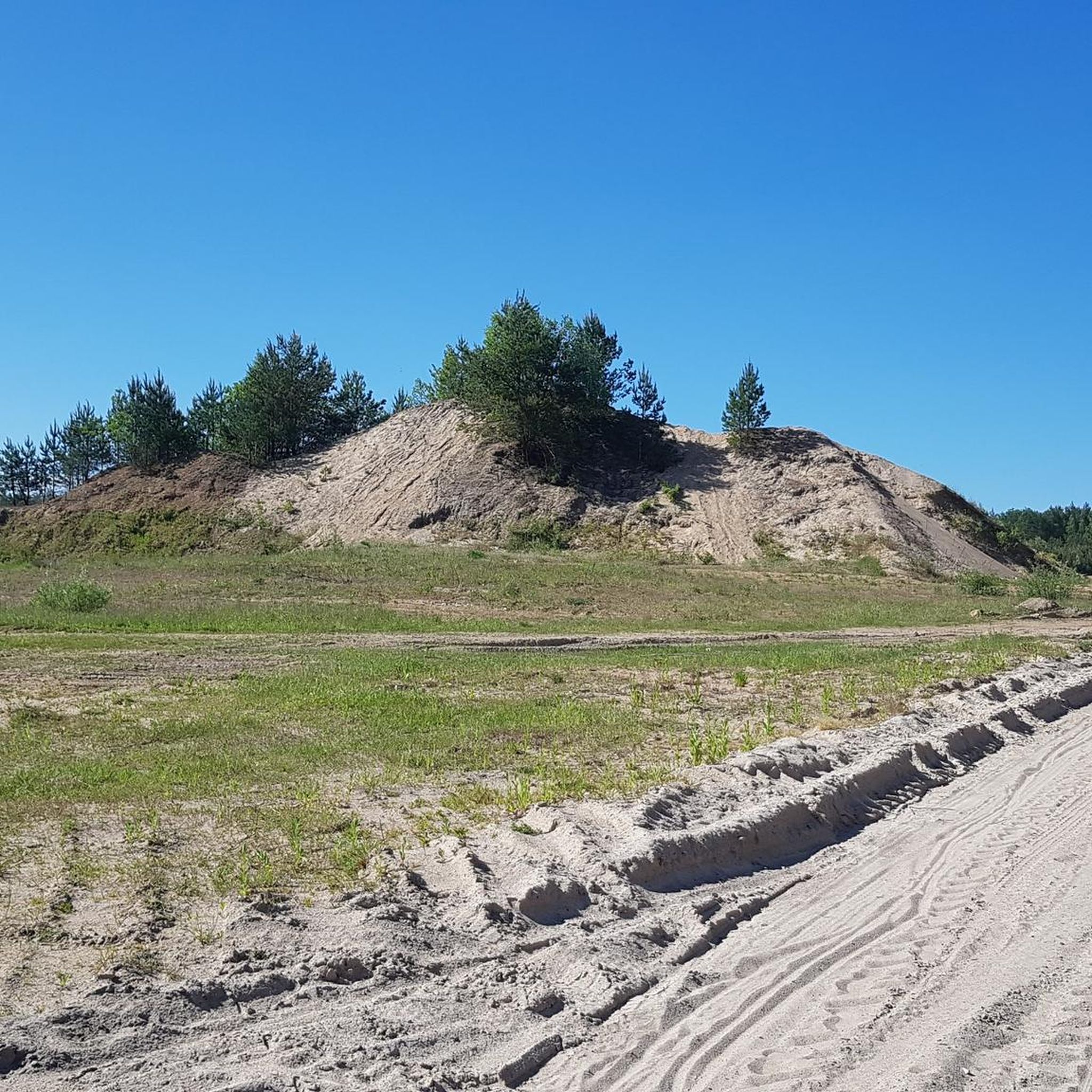
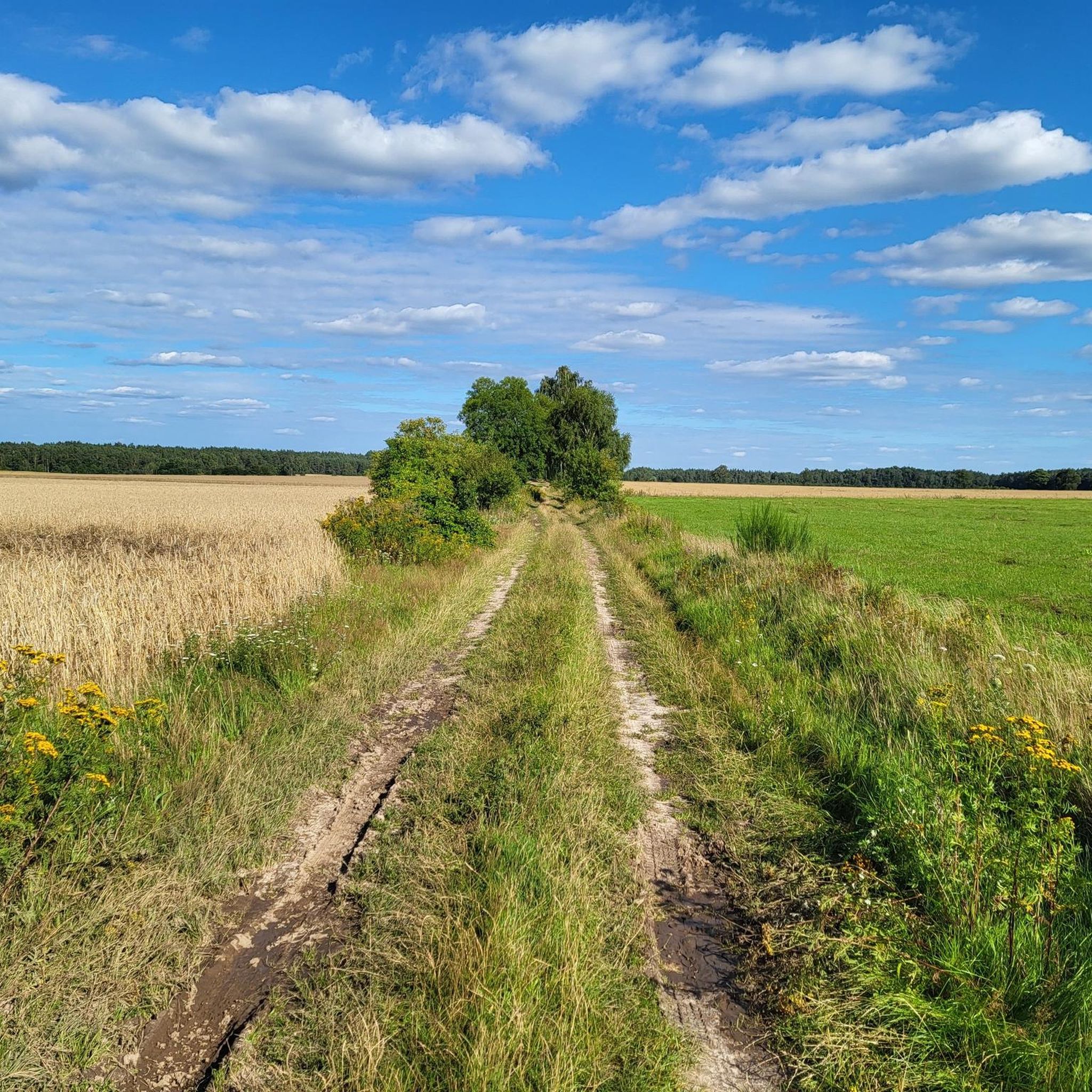

Tips from the Community


Amber Palace: That certainly sounds like something. And behind it lies a building whose name is no exaggeration. Rising about 10 kilometers from Koszalin, amidst the magnificent nature of West Pomerania, stands this dreamlike building, which, with all its turrets, bay windows, and ornamentation, seems like something out of a fairytale realm.
0
0

Amber Palace – pre-war estate of the von Kamecke family, built in 1899-1901. The residence, currently serving as a hotel, is surrounded by a 10-hectare landscape park and garden. In its vicinity there is a second palace, called the White Palace, as well as a palace garden and a pond.
3
0

The building of the so-called "Old Town Hall". It was the fourth town hall of Białogard. The building was originally built for the merchant Moses Behrendt in 1826. Since the town hall that existed at that time was in danger of collapsing, it had to be demolished, and the city bought this private tenement house and moved the officials there. The building served as a town hall in the years 1847-1926. In 1926, another (fifth) town hall was built. Currently, the "Old Town Hall" houses the Wedding Palace, and the neighboring tenement house (purchased by the city as the mayor's apartment) houses a museum.
0
1

The Old Town Hall building was the seat of the Regional Museum in the years 1926-1952. After the museum was closed down, it was designated for municipal housing until 1998. After a thorough revitalization, from 25.10.2004 it became the seat of the museum and the Wedding Palace.
0
0
It was probably built in the initial period of the Duchy of Cieszyn, established in 1290, on the orders of its rulers. Its existence as a fortress is first confirmed in the feudal certificate of Duke Casimir I from 1327. At that time, it was probably a wooden structure surrounded by wooden and earthen ramparts and moats, designed to guard the nearby trade route from Cieszyn through a ford (later a bridge) on the Vistula River to Bielsko. The stronghold was probably expanded in the 14th or early 15th century. Starting from the 15th century, the Dukes of Cieszyn increasingly stayed there, often issuing important documents there, e.g. the so-called great privilege granted to the city of Bielsko by Bolko I in 1424. From 1431, the castle was one of the seats of Duchess Ofka, then it was the seat of Duke Przemko II. In the years 1573–1577, Skoczów, together with Strumień and the surrounding villages, was sold by Duke Wenceslas III Adam, creating the Skoczów-Strumień estate state. Its new owner, Gottard (Jerzy) from Łagów (von Logau) in Stara Wieś (Altendorf), began rebuilding the previously wooden and earthen castle into a brick one. Gottard died in 1589, but the reconstruction was continued. In the following years, the castle lost its defensive value, taking on a residential form. After the estate state returned to the Duchy of Cieszyn, around 1594, the castle became the seat of the burgrave and, from the beginning of the 17th century, of the hetman, managing the Skoczów-Strumień key of goods (the so-called state). Urbarium from 1621.
2
0

A very nice park with ponds. I recommend it in spring, when the trees are blooming
0
0
The White Eagle Park, located in the city center, is the most beautiful green area in the city. There are two ponds with fountains and many places to relax. There is also a place for children in the park - a playground with many devices.
5
0
Frequently Asked Questions
What historical sites can I explore in Gmina Białogard?
Gmina Białogard offers a rich array of historical sites. You can visit the impressive ruins of Podwilcze Palace, a neo-Gothic castle built around 1890. The Altstadt Bialogard features the Old Town Hall, which now houses the Wedding Palace and a regional museum. Other notable sites include the early 14th-century St. Mary Church in Białogard, the High Gate (Brama Wysoka), and various historical parks and palaces in villages like Stanomino, Gruszewo, and Rychowo.
Are there any notable natural attractions or viewpoints in the area?
Yes, Gmina Białogard is rich in natural beauty. The region is characterized by clean, fish-rich rivers like the Parsęta, Radew, Pokrzywnica, and Chotla. The breakthrough of the Parsęta River, particularly on the Rzyszewo - Tychówko - Osówko - Wicewo section, is known for its deeply incised valley and deciduous forests. For scenic views, consider visiting viewpoints such as Góra Niwka, Góra Kościernicka, Dębczyno, Zaspy Małe, and Nasutowo, which offer extensive panoramas of the landscape.
What kind of outdoor activities can I do in Gmina Białogard?
The area is perfect for various outdoor pursuits. You can enjoy hiking on trails like the White Eagle Park loop from Białogard or explore the diverse terrain. The rivers are popular for fishing, especially for sea trout, grayling, and trout, and are also suitable for kayaking. The extensive forest complexes are ideal for foraging for mushrooms, berries, and cranberries.
Are there family-friendly attractions in Gmina Białogard?
Absolutely. The White Eagle Park in Białogard is a great option, featuring two ponds with fountains, plenty of space to relax, and a playground for children. The Karlino–Gościno Rail Trail is a paved cycle path that is suitable for families with bikes, offering scenic views along the Parsęta river.
Where can I find historical palaces or manors in Gmina Białogard?
Beyond the prominent Podwilcze Palace, several villages in the gmina feature historical parks and palaces. These include Stanomino, Gruszewo (with park and palace ruins), Rychowo, and the Skoczków Palace. Nasutowo also boasts a romantic park with an artificial island, often associated with former manors.
What are the options for cycling or biking in Gmina Białogard?
Cycling enthusiasts will enjoy the Karlino–Gościno Rail Trail, a scenic asphalt section of the former Kolberger Kleinbahn that follows the Parsęta river. For more extensive rides, you can explore various gravel biking routes around the region, with options like the Forest Wetland – Niedalino Lake loop or the Białogard–Karlino Bike Path loop.
Are there any easy hiking trails suitable for a leisurely walk?
Yes, Gmina Białogard offers several easy hiking trails perfect for a relaxed stroll. The White Eagle Park loop from Białogard is an easy 4 km walk. Another accessible option is the White Eagle Park – Altstadt Bialogard loop, which is about 4.5 km and combines nature with historical sights.
What do visitors enjoy most about the attractions in Gmina Białogard?
Visitors frequently appreciate the blend of historical charm and natural beauty. The Podwilcze Palace, even in its ruined state, is considered beautiful and impressive. The White Eagle Park is praised as a lovely place to walk and linger, especially when trees are blooming. The Karlino–Gościno Rail Trail is enjoyed for its scenic landscape along the Parsęta river.
Can I find any unique natural formations or hidden gems in the region?
Yes, the area holds some unique natural features. West of the Białogard-Rąbino road towards Łęczno, you'll find diverse terrain with rich vegetation, including peat bogs and pine forests, creating atmospheric autumnal landscapes. Near Czarnowęsy, there's a park containing a 'devil's bench,' a stone with a carved seat at the top of the Mogilnica valley. The landscape also features meltwater lakes, small ponds, moraine hills, and kames (glacial landforms).
Are there any historical churches worth visiting in Gmina Białogard?
Yes, the region has several historic churches. The St. Mary Church (Kościół Mariacki) in Białogard, erected in the early 14th century, is a significant landmark with a baroque altar from the early 18th century. Other villages with notable historic churches include Rarwino, Stanomino, Łęczno, and Byszyno, which features a Neo-Gothic church.
What is the best time of year to visit Gmina Białogard for outdoor activities?
The spring and summer months are ideal for enjoying the outdoors in Gmina Białogard. Spring offers blooming trees in parks like White Eagle Park, while summer is perfect for cycling, hiking, and water activities on the rivers. Autumn also provides atmospheric landscapes, especially in forested areas, for those interested in foraging or scenic walks.
Are there archaeological sites to explore in Gmina Białogard?
Gmina Białogard has a rich archaeological history with 755 registered sites. These include ancient settlements, burial grounds (some with barrows), and strongholds. Early medieval settlements have been found in areas such as Buczek and Rarwino, offering a glimpse into the region's distant past.
Most popular routes around gmina Białogard
Most popular attractions around gmina Białogard

Get inspired with the komoot mobile app


Explore more
Still not found the Highlight you’re looking for? See guides of the top attractions in other regions:
