Attractions and Places To See around gmina Bielice - Top 20
Best attractions and places to see around gmina Bielice include a blend of historical sites, natural landscapes, and outdoor recreational opportunities. This rural commune in Poland is characterized by its agricultural nature, diverse flora and fauna, and clean air. The region offers varied topography with hills, ravines, and valleys, making it suitable for hiking and cycling.
Best attractions and places to see around gmina Bielice
- The most popular attractions is Beech Forest Trail (Puszcza Bukowa), a forest that covers…
Last updated: May 20, 2026
Kołbacz Cistercian Abbey and Church
Highlight • Historical Site
Translated by Google •
Tip by

Blue Velo Cycle Path on the Former Gryfino–Swobnica Railway
Highlight (Segment) • Cycleway
Translated by Google •
Tip by

Sign up now to discover places like this
Get recommendations on the best single tracks, peaks, & plenty of other exciting outdoor places.
Sign up for free
Serce Boulder (Millstone)
Highlight • Natural Monument
Translated by Google •
Tip by

Bukowiec Fire Observation Tower
Highlight • Structure
Translated by Google •
Tip by

Bukowa Forest
Highlight • Forest
Showing Translation
Tip by

Sign up for free to discover even more attractions around gmina Bielice.
Sign up for free
Already have an account?
Start today with a free account
Your next adventure awaits.
Login or Signup
Tips from the Community

The Heart Boulder, also known as the Mill Stone, is an erratic. Made of granite, its shape resembles a heart. It is entered in the register of natural monuments. It is also colossal in terms of size: impressive dimensions: circumference 14.5 m, and length over 4 m.
0
0

The monastery church was originally dedicated to the Blessed Virgin Mary, and its construction began at the same time as the entire monastery, in 1210. Initially, the temple was built in the late Romanesque style, and it was completed in the Gothic style in 1347. After the secularization of the monastery in the 16th century, the main nave was transformed into a granary. The original 15th-century altar, which was originally located in the temple, can now be seen in the Basilica of St. James in Szczecin. During the period when the monastery was in operation, deceased Pomeranian princes were buried there. Unfortunately, in 1720, the side naves were demolished. On the wall of the church, you can see a blind rosette, which, according to legend, was made by a blind person.
2
1

The monumental church in Kołbacz is closely associated with the Cistercian order, which was brought to these lands in 1173. The first mention of the church dates back to 1186, but it was probably a wooden church. The construction of the brick temple began in 1210, and the construction lasted almost 140 years. During this time, the church suffered a fire twice and had to be rebuilt. The church served its functions until 1534, when the order was dissolved as a result of the Reformation. Such a large building was no longer needed, so it was divided into two parts. The eastern part of the chancel was designated for the needs of the Protestant church, and the main nave was converted into a grain warehouse by building five wooden ceilings inside. In the 17th century, as a result of a fire, the vaults in the side naves of the church collapsed and were never rebuilt. In the 18th century, they were completely demolished. In the 19th and early 20th centuries, several renovations were carried out on the church, significantly transforming it. From that period come, among others: new, larger windows in the northern chapel. New vaults and a new bell tower on the roof were also built. After the war, the church was also used as a warehouse. The church has been undergoing renovation for a dozen or so years, but it is still not finished, and the church is not fully used.
4
1
In the Middle Ages, there was a princely stronghold in Kołbacz. In the 12th century, these lands belonged to Warcisław II Świętoborzyc, the castellan of Szczecin, who in 1173 brought Cistercians to the area from the Danish monastery in Esrum. Construction of the monastery complex began in 1210 in the Romanesque style and was completed in 1347 in the Gothic style. The monastery buildings were largely destroyed by the Thirty Years' War and the fire in 1662. The church, the Abbot's House and the Conversos' House have remained to this day.
0
1

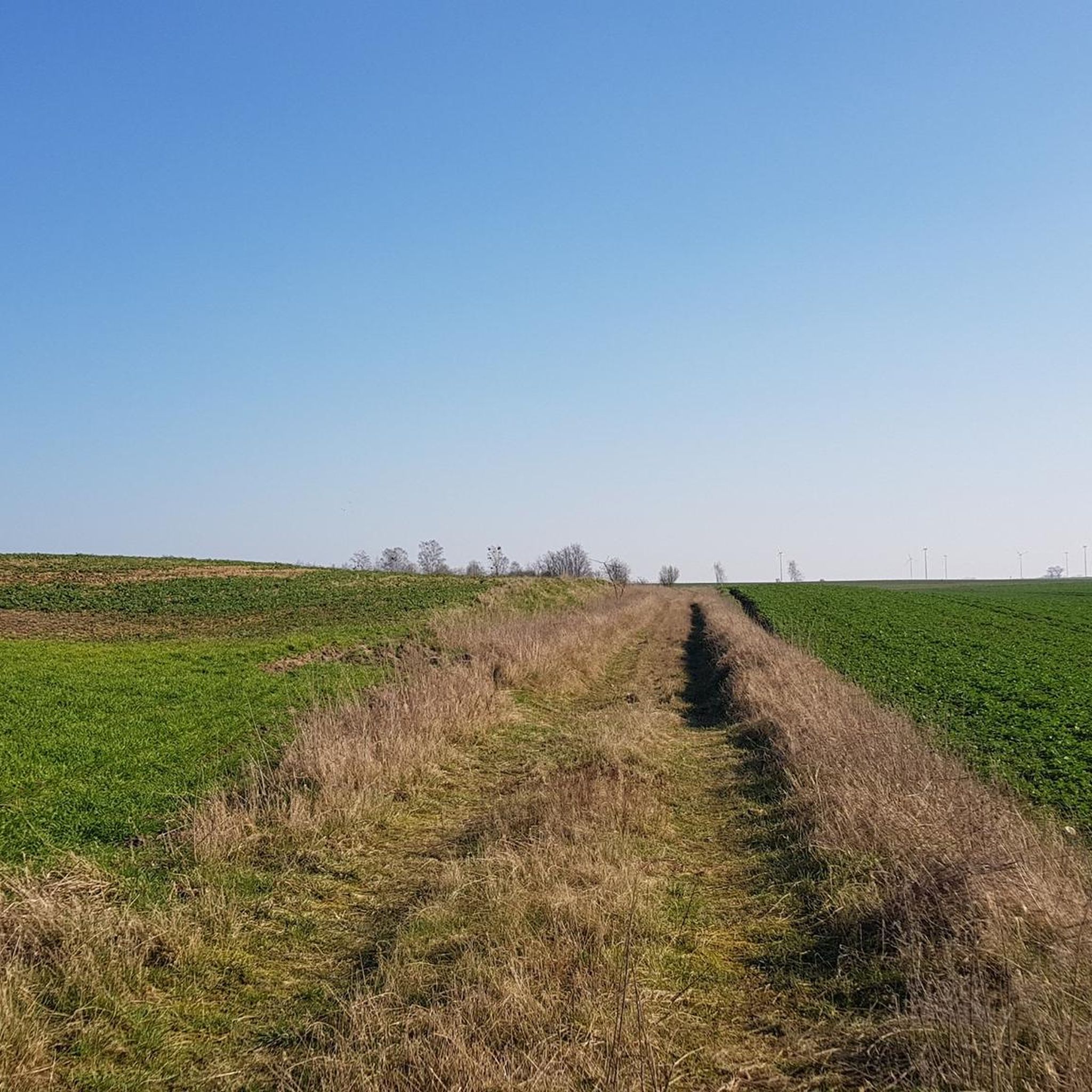
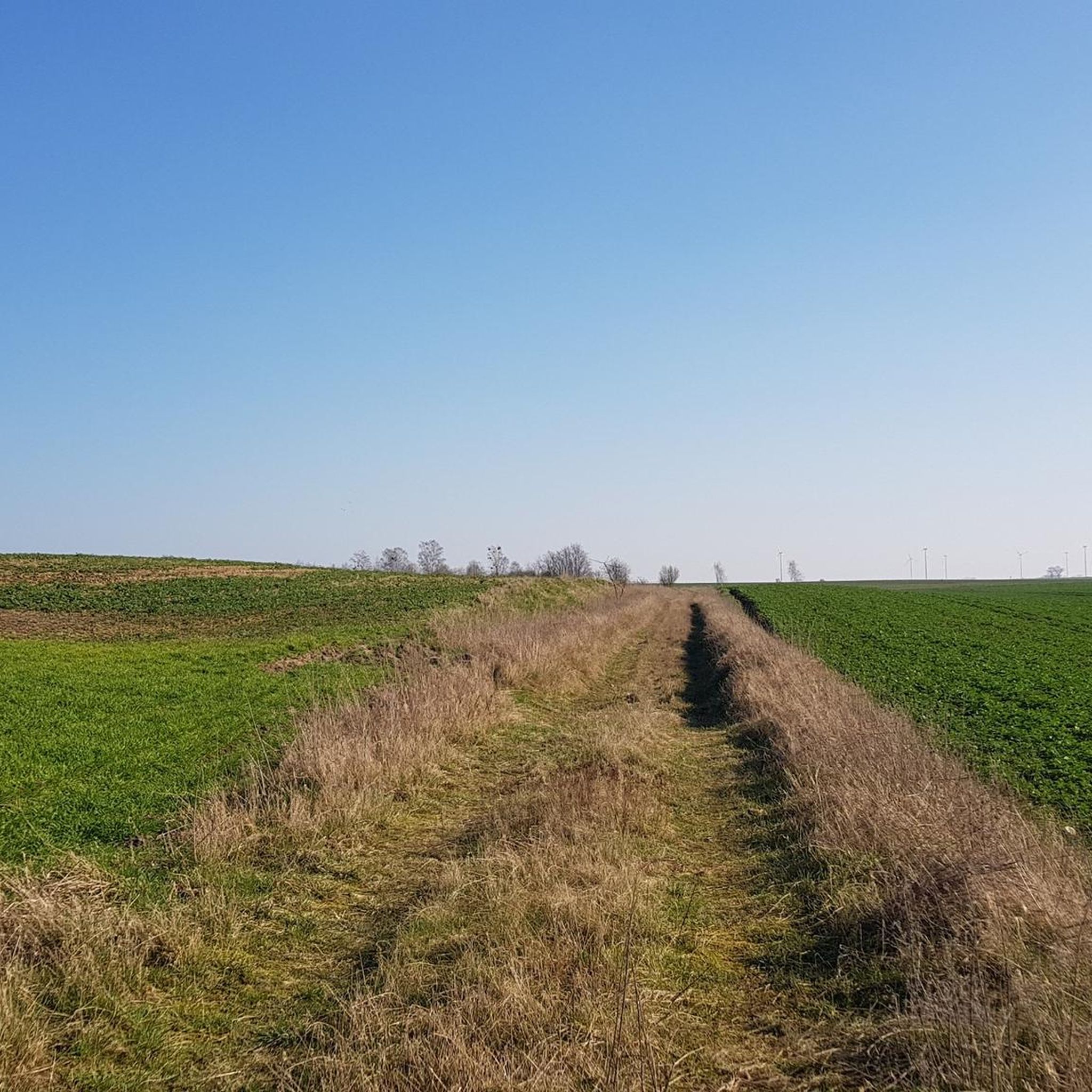
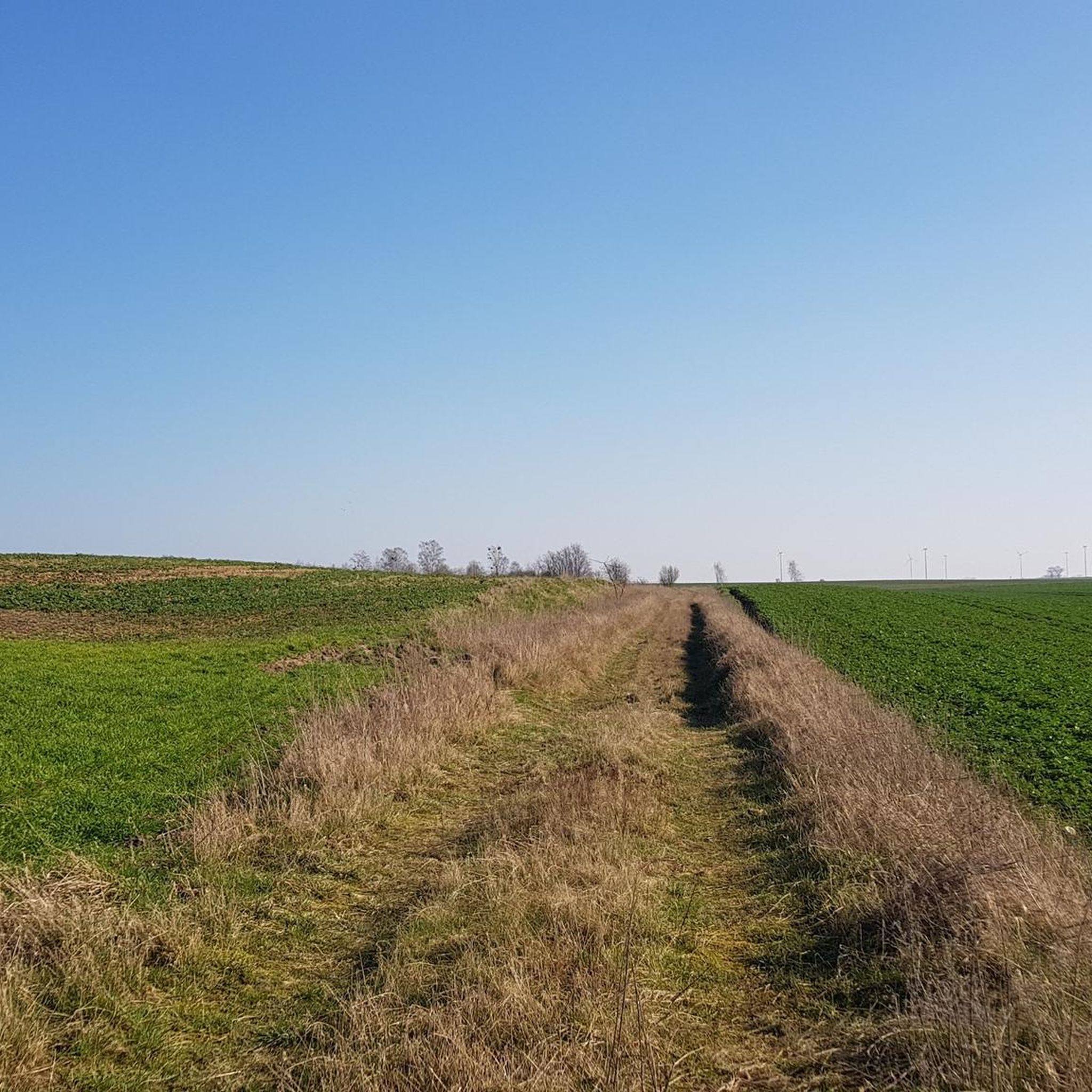
Former railway embankment now a cycle path Easy to ride
1
1

A great place for mtb. It reminds me a lot of the Tricity Landscape Park from where I live.
1
0

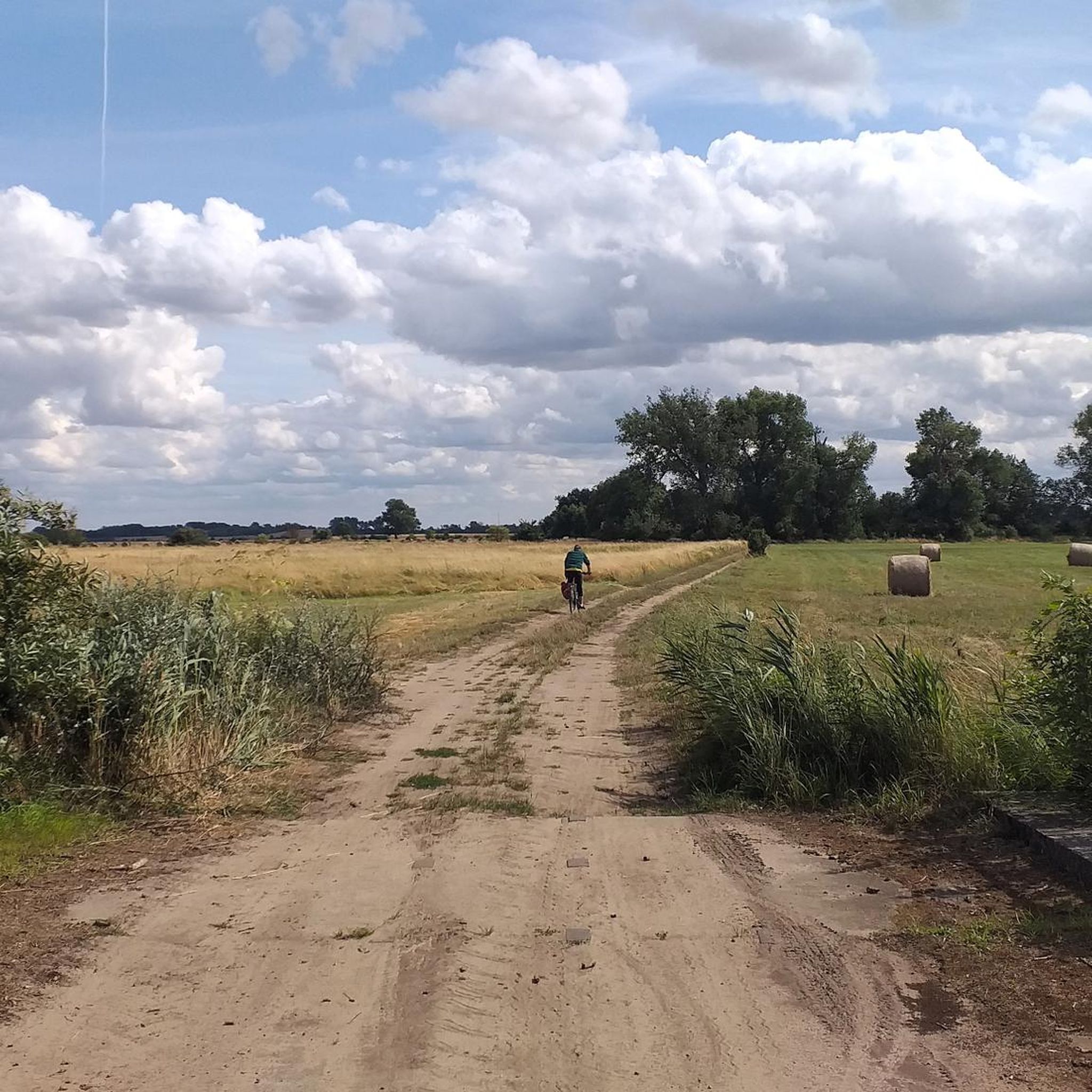
Asphalt bicycle path. Fragment of the Blue Velo – Odrzańska Trasa Rowerowa. The section from Gryfino to Chwarstnica. Even asphalt, no holes. The road runs along the embankment of the former Gryfino-Swobnica railway line, running along a tributary of the Oder - the Tywa River and ribbon lakes, such as Lake Wełtyńskie. On the Tywa River you can find the remains of damming devices, which once powered mills and are now used to supply water to nearby ponds.
2
2
The Szczecin Landscape Park „Puszcza Bukowa” covers an area of approximately 15 km in length and 10 km in width, extending along the southern borders of Szczecin, up to the Płonia River in the east. Most of this area is occupied by the Wzgórza Bukowe (Beech Hills) overgrown with Puszcza Bukowa (Beech Forest). The northern and central part of the forest is the most elevated and undulating, with varied terrain, featuring high and steep hills intersected by ravines and valleys, through which forest rivers and streams flow. The flora of Puszcza Bukowa includes approx. 1250 plant species, including 53 species that are under full protection. In the forest, we can also encounter about 140 bird species, a dozen mammal species, and a few reptile species. Among the birds, we can find the black stork, white-tailed eagle, lesser spotted eagle, or red kite. The butterfly fauna is also very rich here, with approx. 400 species.
3
1
Frequently Asked Questions
What historical and cultural sites are there to explore in Gmina Bielice?
Gmina Bielice is home to significant historical landmarks. A must-visit is the Kołbacz Cistercian Abbey and Church, founded in 1173. This site transitioned from a monastery to a ducal domain and later served as a hunting lodge, with its church becoming the village's parish church. The Granary of Art Association now operates within the abbey, preserving its heritage.
Where can I experience nature and unique natural features in the region?
Nature enthusiasts will appreciate the Beech Forest Trail (Puszcza Bukowa), part of the Szczecin Landscape Park. This expansive forest boasts diverse flora with about 1,250 plant species and a rich animal population, including 140 bird species. You can also find the unique Serce Boulder (Millstone), an erratic granite formation shaped like a heart and registered as a natural monument.
Are there good cycling opportunities around Gmina Bielice?
Yes, Gmina Bielice is excellent for cycling. The Blue Velo Cycle Path, an asphalt bicycle path, runs picturesquely south from Gryfino and is part of the larger marked route No. 3. The section from Gryfino to Trzcińsko-Zdrój is currently completed. For more cycling routes, you can explore guides like Road Cycling Routes around gmina Bielice or Cycling around gmina Bielice.
What kind of hiking trails can I find near Gmina Bielice?
The region offers varied topography with steep hills, ravines, and valleys, making it suitable for hiking. The Beech Forest Trail (Puszcza Bukowa) provides numerous paths through dense forests. While specific hiking guides aren't listed, many of the cycling routes, especially those through natural areas, can be adapted for walking or hiking. The Bielické bahná (Nature Trail) in Velké Bielice is a wetland biotope with a 0.85 km trail.
Are there any viewpoints or unique natural monuments to see?
Beyond the Serce Boulder (Millstone), which is a natural monument, the Bukowiec Fire Observation Tower is another point of interest. While the tower itself is for fire warning and not accessible to the public, the surrounding area offers elevated terrain within the Beech Forest, providing a sense of the region's varied topography.
What are the best outdoor activities to do in Gmina Bielice?
Gmina Bielice is highly recommended for hiking and cycling tourism due to its surrounding forests and clean air. The Beech Forest Trail (Puszcza Bukowa) is ideal for exploring nature. Additionally, the region attracts enthusiasts of forest foraging and hunting. For cycling, the Blue Velo Cycle Path offers a picturesque ride.
Is Gmina Bielice suitable for family visits?
The natural landscapes and outdoor activities in Gmina Bielice can be very family-friendly. Exploring the Beech Forest Trail (Puszcza Bukowa) offers opportunities for walks and nature observation. The Blue Velo Cycle Path is also suitable for families looking for a scenic and safe cycling experience. The region's clean air and diverse flora and fauna provide an engaging environment for children.
What is the best time of year to visit Gmina Bielice for outdoor activities?
The region's appeal for hiking and cycling, especially through its forests, suggests that spring, summer, and early autumn would be ideal. During these seasons, the weather is generally pleasant for outdoor exploration, and the natural beauty of the Beech Forest Trail (Puszcza Bukowa) and other areas is at its peak. The clean, unpolluted air is a constant draw.
Are there any lakes or water sports opportunities nearby?
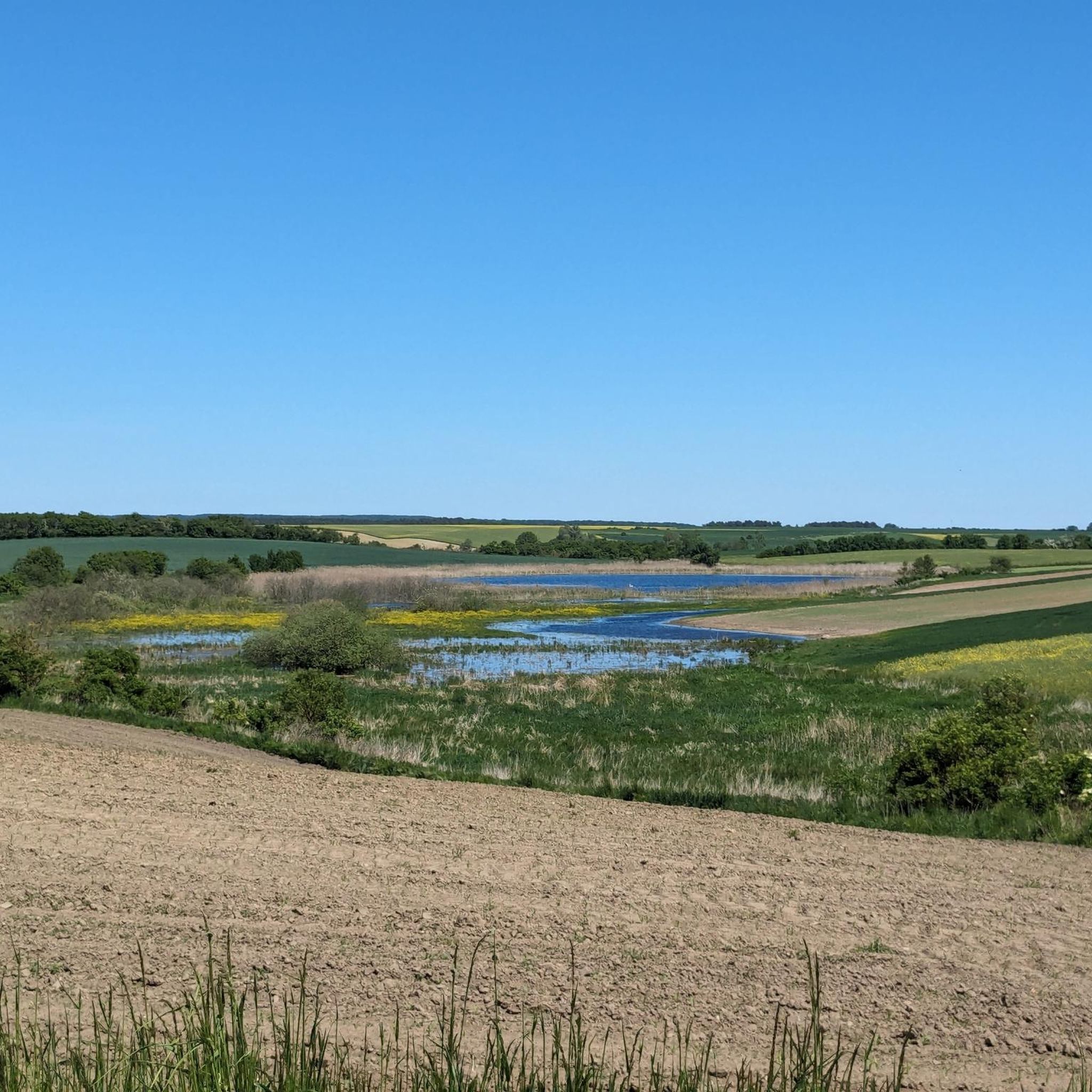
Yes, Jezioro Będgoszcz is a charming, fish-rich lake in the area, offering an inviting spot for relaxation by its shores and various water sports. The Bielické bahná also features several thermal water-fed lakes, though they may dry out during dry periods.
What are some gravel biking routes in the Gmina Bielice area?
For gravel biking enthusiasts, there are several routes available. You can find options like the 'Bańska Gate, Pyrzyce – Cyclists' Rest Area Kozielice loop from Pyrzyce' or the 'Baniewice Rest Area – Dłużec Lake Pier loop from Tywica'. More details and routes can be found in the Gravel biking around gmina Bielice guide.
What do visitors enjoy most about the attractions around Gmina Bielice?
Visitors particularly appreciate the blend of historical depth and natural beauty. The historical significance of sites like the Kołbacz Cistercian Abbey and Church, combined with the expansive and biodiverse Beech Forest Trail (Puszcza Bukowa), offers a rich experience. The unique geological formation of the Serce Boulder (Millstone) also captures interest, making the region appealing for both cultural exploration and outdoor adventures.
Are there any specific trails for mountain biking (MTB) in the area?
The Beech Forest Trail (Puszcza Bukowa) is noted as a great place for MTB, with its varied topography of hills, ravines, and valleys. While specific MTB routes are not detailed in the highlights, the forest's terrain is well-suited for this activity. You can find more specific routes in the Gravel biking around gmina Bielice guide, which includes routes categorized as 'mtb_easy'.
Most popular routes around gmina Bielice
Most popular attractions around gmina Bielice

Get inspired with the komoot mobile app


Explore more
Still not found the Highlight you’re looking for? See guides of the top attractions in other regions:
