Attractions and Places To See around Warnice - Top 20
Best attractions and places to see around Warnice, a village in Pyrzyce County, West Pomeranian Voivodeship, Poland, offer a blend of local heritage and natural landscapes. The region is characterized by its rural setting and proximity to significant natural features and historical sites. While Warnice itself is a small village, the surrounding Gmina Warnice and nearby towns provide various points of interest. Visitors can explore historical monuments, cultural sites, and natural areas within the broader vicinity.
Best attractions and places…
Last updated: July 1, 2026
Kołbacz Cistercian Abbey and Church
Highlight • Historical Site
Translated by Google •
Tip by

Mill Gate (Brama Młyńska)
Highlight • Monument
Translated by Google •
Tip by

Sign up now to discover places like this
Get recommendations on the best single tracks, peaks, & plenty of other exciting outdoor places.
Sign up for free
Stargard Old Town
Highlight • Historical Site
Translated by Google •
Tip by

Brama Świętojańska Tunnel, Stargard
Highlight • Monument
Translated by Google •
Tip by

15th Meridian Obelisk (Stargard)
Highlight • Monument
More information: stargardvita.pl/odkrywaj/turystyka-i-rekreacja#
Translated by Google •
Tip by

Sign up for free to discover even more attractions around Warnice.
Sign up for free
Already have an account?
Start today with a free account
Your next adventure awaits.
Login or Signup

Tips from the Community

The 15th Meridian Obelisk is a boulder with a grid of meridians and parallels on its top and a commemorative plaque stating that Stargard lies exactly 15 degrees east of the Prime Meridian in Greenwich. The obelisk itself is located about 220 meters west of the actual 15th meridian, which is due to imprecise measurements during its location.
0
0

The monastery church was originally dedicated to the Blessed Virgin Mary, and its construction began at the same time as the entire monastery, in 1210. Initially, the temple was built in the late Romanesque style, and it was completed in the Gothic style in 1347. After the secularization of the monastery in the 16th century, the main nave was transformed into a granary. The original 15th-century altar, which was originally located in the temple, can now be seen in the Basilica of St. James in Szczecin. During the period when the monastery was in operation, deceased Pomeranian princes were buried there. Unfortunately, in 1720, the side naves were demolished. On the wall of the church, you can see a blind rosette, which, according to legend, was made by a blind person.
3
1

The monumental church in Kołbacz is closely associated with the Cistercian order, which was brought to these lands in 1173. The first mention of the church dates back to 1186, but it was probably a wooden church. The construction of the brick temple began in 1210, and the construction lasted almost 140 years. During this time, the church suffered a fire twice and had to be rebuilt. The church served its functions until 1534, when the order was dissolved as a result of the Reformation. Such a large building was no longer needed, so it was divided into two parts. The eastern part of the chancel was designated for the needs of the Protestant church, and the main nave was converted into a grain warehouse by building five wooden ceilings inside. In the 17th century, as a result of a fire, the vaults in the side naves of the church collapsed and were never rebuilt. In the 18th century, they were completely demolished. In the 19th and early 20th centuries, several renovations were carried out on the church, significantly transforming it. From that period come, among others: new, larger windows in the northern chapel. New vaults and a new bell tower on the roof were also built. After the war, the church was also used as a warehouse. The church has been undergoing renovation for a dozen or so years, but it is still not finished, and the church is not fully used.
4
1
In the Middle Ages, there was a princely stronghold in Kołbacz. In the 12th century, these lands belonged to Warcisław II Świętoborzyc, the castellan of Szczecin, who in 1173 brought Cistercians to the area from the Danish monastery in Esrum. Construction of the monastery complex began in 1210 in the Romanesque style and was completed in 1347 in the Gothic style. The monastery buildings were largely destroyed by the Thirty Years' War and the fire in 1662. The church, the Abbot's House and the Conversos' House have remained to this day.
0
1

(also Portowa, Wodna, Rzeczna, Herbowa) It was built at the beginning of the 15th century. Originally, two free-standing towers were connected by a wooden bridge, which was later replaced by a brick building with a passage. The name of the gate refers to the mill that stood on the river bank near the gate until the mid-18th century. The Mill Gate has been a symbol of the city for centuries, and its silhouette was depicted on seals and was an element of the city's former coat of arms. The Mill Gate is unique on a European scale.
0
0
The town hall was built from the mid-13th century. It is the largest medieval structure of this type in Pomerania. The gables are decorated with elaborate net tracery. The great fire of 1635 destroyed the city archives along with the City Hall. After this cataclysm, the eastern gable of the Town Hall was built. At the end of the 19th century, Gothic elements were restored to the building and new details were added. The town hall was destroyed again in 1945. Rebuilt between 1948 and 1961, it is the seat of the City Council and the City Hall.
0
0
The monument was erected in the interwar period. It has the form of an erratic stone with an image of a grid of meridians and parallels on the top and a plate informing that Stargard is located exactly 15 degrees east of the Prime Meridian, running through the London suburb of Greenwich, which is the basis for determining Central European Time (CET). In 1996 the monument was restored. The area around the monument is landscaped and is surrounded by a wreath of 6 chestnut trees. Although the monument is called the 15th Meridian, it is actually located approximately 200 m west of the meridian. This is due to the inaccuracy of surveying equipment at the time the monument was erected.
1
1

Beautiful old town with interesting houses.
1
0
Frequently Asked Questions
What natural attractions can I explore near Warnice?
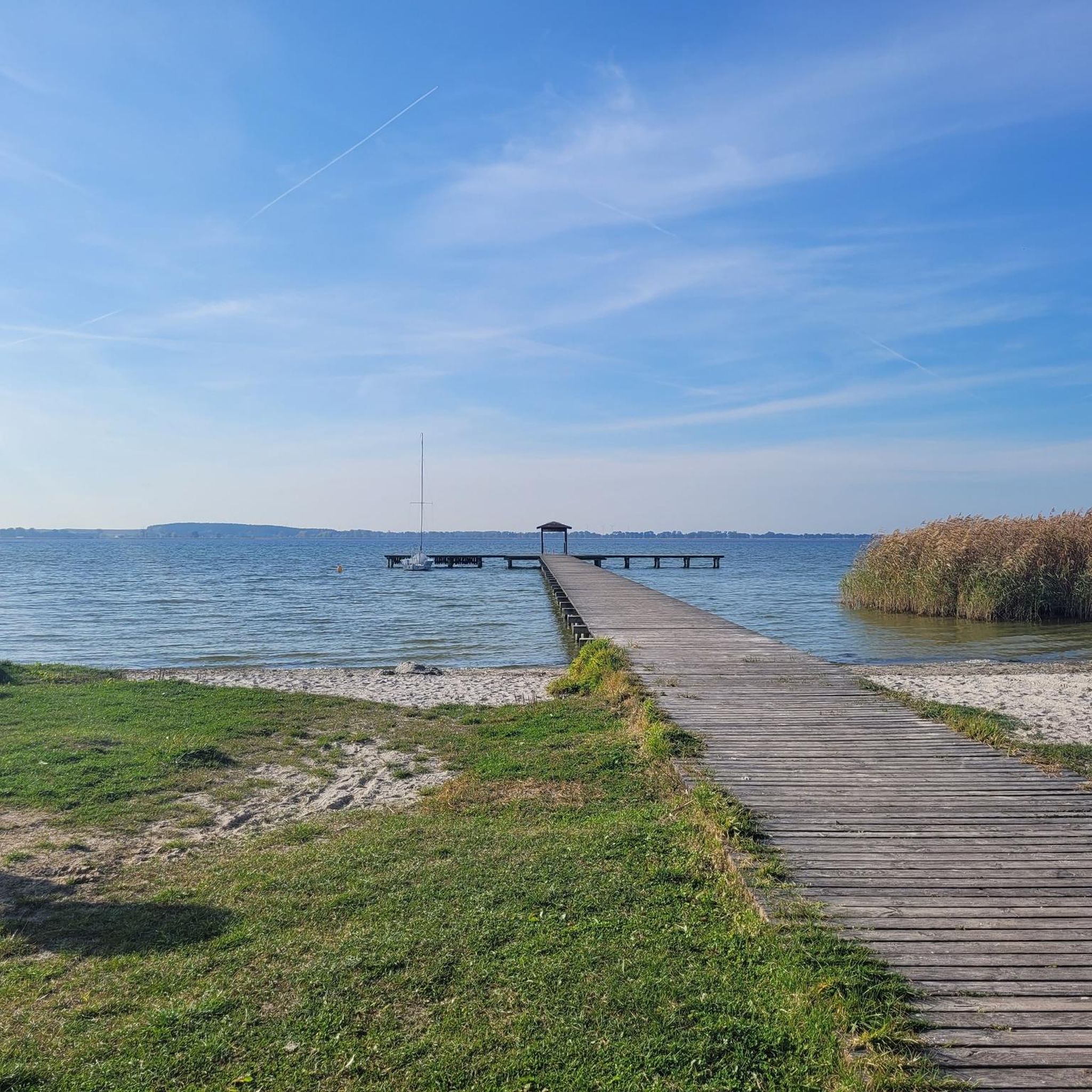
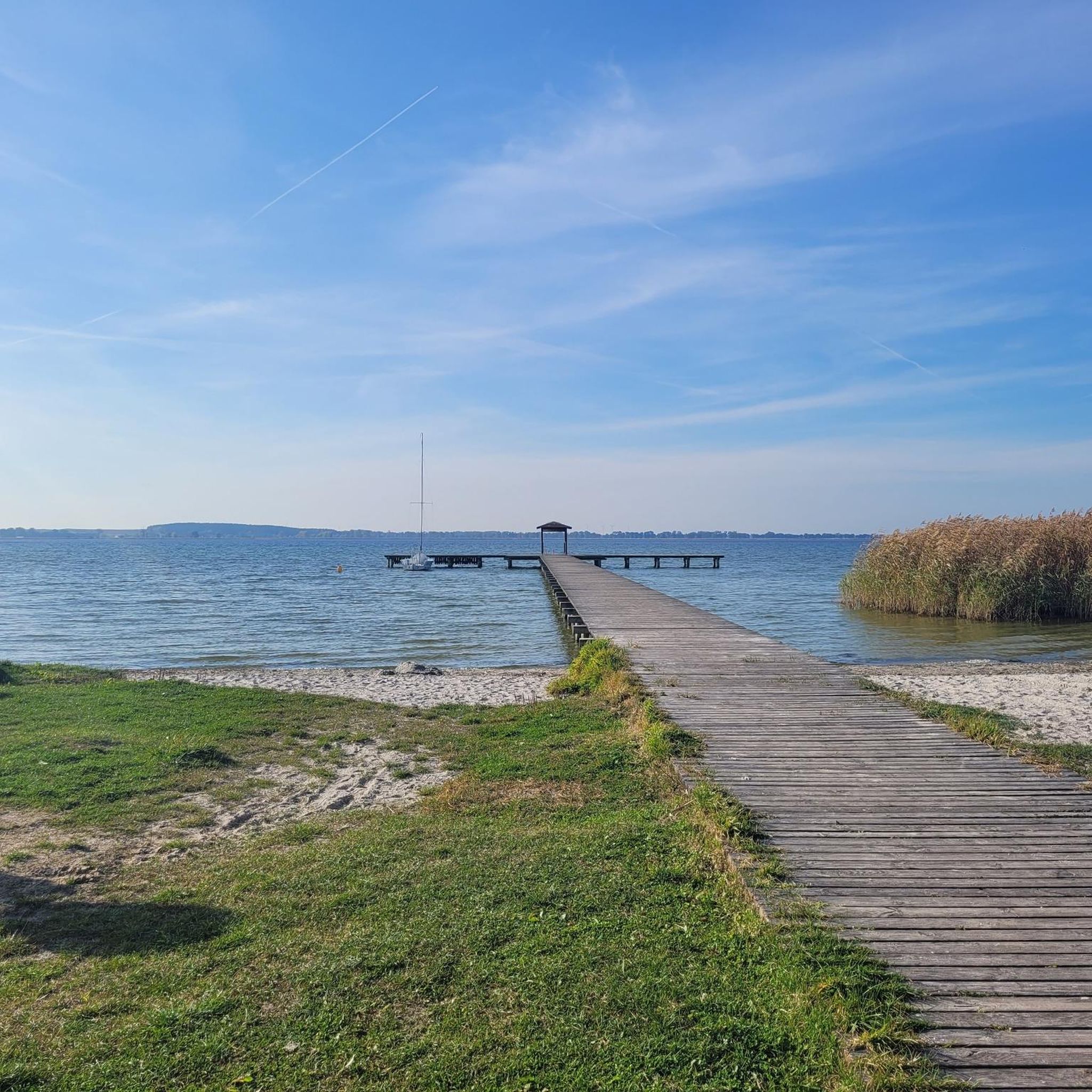
The region around Warnice offers several natural highlights. You can visit Lake Miedwie, a significant natural feature with a 150-meter-long pier, especially in the village of Wierzbno. The area around the lake is also a Natura 2000 EU Special Protection Area. Additionally, the Ogród Dendrologiczny Przelewice, a botanical garden spanning 45 hectares, is home to over 1,000 different plant types, including a Japanese garden and an orangery.
Are there historical sites to visit in the Warnice area?
Yes, the area is rich in history. A prominent historical site is the Kołbacz Cistercian Abbey and Church, founded in 1173. In nearby Stargard, you can explore the Stargard Old Town, which features historic buildings and the Gothic St. John's Church. The city also boasts medieval town walls and the ruins of Stargard Castle.
What options are available for outdoor activities like cycling or running near Warnice?
For outdoor enthusiasts, there are various routes available. You can find several running trails, such as the 'Running loop from Stargard' (12 km) or 'Protzen House – Town Hall of Choszczno loop from Stargard' (10.7 km). Mountain biking options include routes like 'Emerald Bridge – Emerald Lake loop from Stargard' (65 km). Road cyclists can enjoy routes like 'Kołbacz Cistercian Abbey – Kołbacz Rest Area loop from Witkowo' (81 km). More details on these activities can be found in the Running Trails around Warnice, MTB Trails around Warnice, and Road Cycling Routes around Warnice guides.
Are there family-friendly places to visit around Warnice?
Yes, several attractions are suitable for families. The Mill Gate (Brama Młyńska) in Stargard is a fascinating medieval structure that can spark children's imagination. In Stargard, Piastowski Park and Park Bolesława Chrobrego offer green spaces, with the latter featuring playgrounds, a skatepark, and an amphitheater, perfect for family recreation.
Where can I find a good viewpoint near Warnice?
A notable viewpoint is the Punkt widokowy - molo nad Miedwiem w Wierzbnie, a pier on Lake Miedwie in Wierzbno. This location offers recreational opportunities, with a wooden pier ending in a house on the water that serves as a dedicated viewpoint.
What historical monuments can I find in nearby Stargard?
Stargard offers several significant historical monuments. Besides the Stargard Old Town, you can see the Mill Gate (Brama Młyńska), a medieval city gate built over the Ina river with two 28-meter high octagonal towers. Another interesting site is the Brama Świętojańska Tunnel, a neo-Gothic structure that was originally a 15th-century gate defending access to the city.
Can I find places for swimming or water activities near Warnice?
Yes, Lake Miedwie is a great spot for water activities. The village of Wierzbno, on the north-eastern shore of Lake Miedwie, has a beach and a pier where sailboats can moor, making it suitable for swimming and other water-based recreation.
What is the significance of the 15th Meridian Obelisk in Stargard?
The 15th Meridian Obelisk in Stargard marks the 15th degree east longitude, which is the basis for Central European Time (CET). Erected in the interwar period, it's a small memorial stone with a representation of meridians and parallels, though it's actually located about 200 meters west of the exact meridian due to historical measurement inaccuracies.
What kind of events or cultural activities are associated with the Kołbacz Cistercian Abbey?
The Kołbacz Cistercian Abbey and Church is not just a historical monument but also a cultural hub. The Granary of Art Association operates within the abbey, organizing various events and working to preserve and revitalize this significant historical site.
Are there accessible attractions for visitors with mobility needs?
The Stargard Old Town is noted as being wheelchair accessible, offering an opportunity for visitors with mobility needs to explore its historical charm.
What are some unique historical features of Stargard's city gates?
Stargard's city gates have unique historical features. The Mill Gate (Brama Młyńska), built over the Ina river, features two 28-meter high octagonal towers and chains that are a memento of the 'Wheat War' with Szczecin. The Brama Świętojańska Tunnel, originally a 15th-century gate, defended access from Szczecin and later served as a penitentiary and an institution for the mentally ill before being rebuilt as a neo-Gothic tunnel.
What do visitors enjoy most about the attractions around Warnice?
Visitors appreciate the blend of historical sites, man-made monuments, and natural features. The Kołbacz Cistercian Abbey and Church is highly regarded for its historical significance, while the Mill Gate (Brama Młyńska) and Brama Świętojańska Tunnel in Stargard are admired for their unique architecture and history. The natural beauty of Lake Miedwie also draws many visitors.
Most popular attractions around Warnice

Get inspired with the komoot mobile app


Explore more
Still not found the Highlight you’re looking for? See guides of the top attractions in other regions:
