Attractions and Places To See around gmina Stargard - Top 20
Best attractions and places to see around gmina Stargard. This region in West Pomerania, Poland, features a blend of historical landmarks, natural landscapes, and cultural sites. Visitors can explore ancient fortifications, significant religious buildings, and serene natural areas. The area offers diverse points of interest for those interested in history and outdoor exploration.
Best attractions and places to see around gmina Stargard
- The most popular attractions is Kołbacz Cistercian Abbey and Church, a historical site and religious building. Founded…
Last updated: August 25, 2026
Koszewo Palace
Highlight • Castle
Showing Translation
Tip by

Kołbacz Cistercian Abbey and Church
Highlight • Historical Site
Translated by Google •
Tip by

Sign up now to discover places like this
Get recommendations on the best single tracks, peaks, & plenty of other exciting outdoor places.
Sign up for free
Church of the Assumption of the Blessed Virgin Mary in Reptowo
Highlight • Religious Site
Reptowo is situated on the south-eastern edge of the Goleniów Forest, next to the Stargard - Szczecin railway route. …
Translated by Google •
Tip by

Ruins of the Bącznik Watermill
Highlight • Monument
Translated by Google •
Tip by

Brama Świętojańska Tunnel, Stargard
Highlight • Monument
Translated by Google •
Tip by
Sign up for free to discover even more attractions around gmina Stargard.
Sign up for free
Already have an account?
Start today with a free account
Your next adventure awaits.
Login or Signup

Tips from the Community

The palace in Koszewo is a historic, eclectic residence from 1914–1916, picturesquely situated on a high escarpment above Lake Miedwie in the Stargard municipality. Currently, the property is privately owned and can be admired mainly from the outside, for example, during walks or bike tours in the area. The building combines Neo-Baroque and Neoclassical elements. A characteristic feature is the tall tower with a Neo-Baroque helmet and a viewing gallery on the lake side, as well as smaller, cylindrical turrets in the corners of the facade. The entrance is adorned with a four-column portico with a balcony.
3
1
Brama Świętojańska in Stargard (also called Szczecin Gate) is a former medieval city gate built around 1450, which today has the form of a neo-Gothic road tunnel. The structure is located along Świętego Jana Chrzciciela street, in the vicinity of the historic St. John's Church. It is an integral part of the powerful medieval defensive walls of Stargard.
1
0

Currently, it is a neo-Gothic tunnel under which a street is located, so it can only be reached from the top - via Aleja Słowicza, or ul. Św. Jana Chrzciciela from a distance of about 10 meters. The Świętojańska Gate (also called Szczecin Gate) was built in the 1450s and was originally preceded by an outer gate with a drawbridge, a throat, and an inner gate. It defended the access to the city from the Szczecin side.
1
0
Water mills were for centuries the heart of the local economy: they powered the grinding of grain, supported the development of settlements, and set the rhythm of life for the local inhabitants. Bącznik – like many localities in the region – benefited from natural watercourses and small water impoundments, which enabled the mill wheel to operate. Over time, with the development of technology, changes in ownership, and post-war transformations, many such facilities ceased to function. Today, the remains of the mill are a memento of past craftsmanship and an excellent pretext for a short journey back in time.
0
0
Abbey and Cistercian Church in Kołbacz
3
1

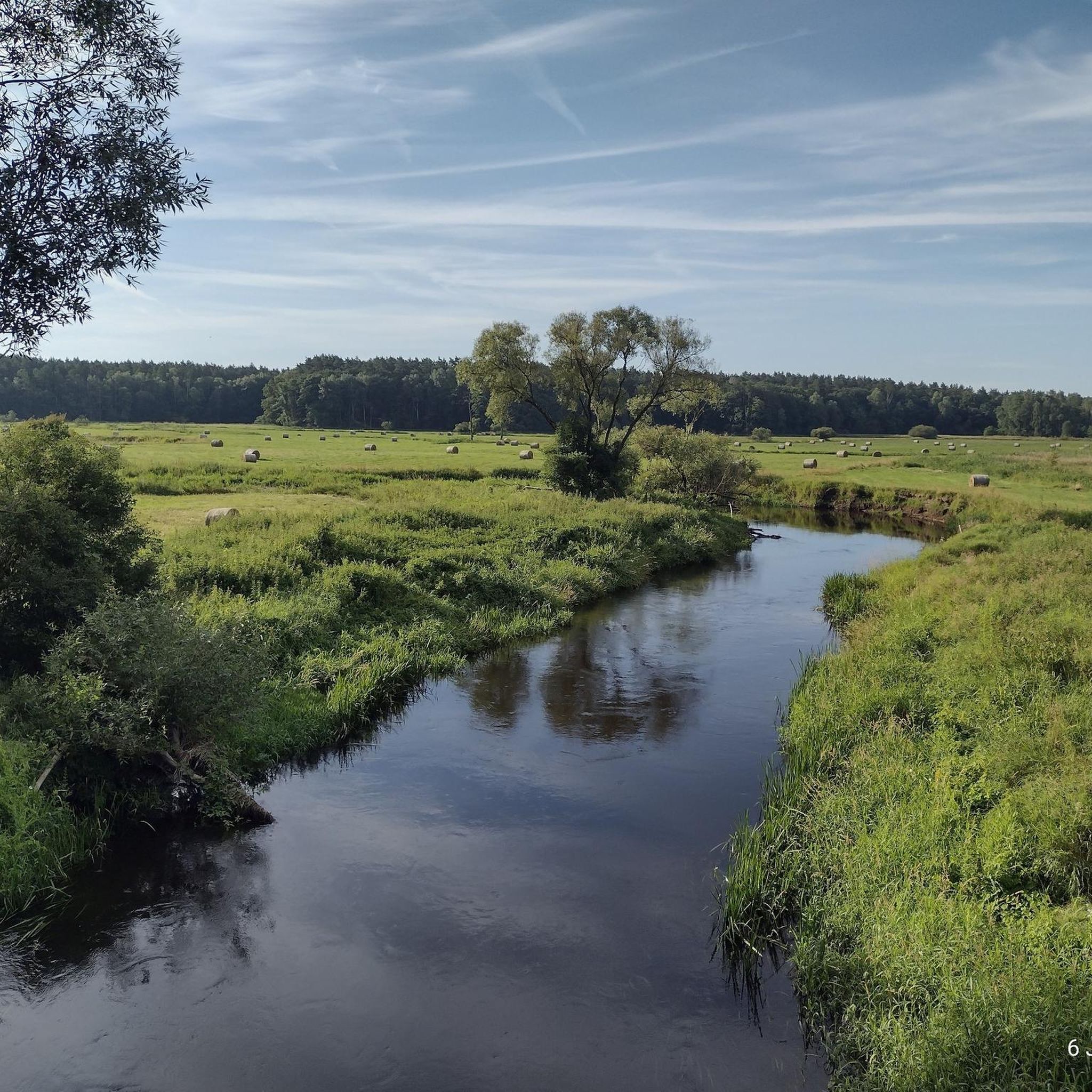
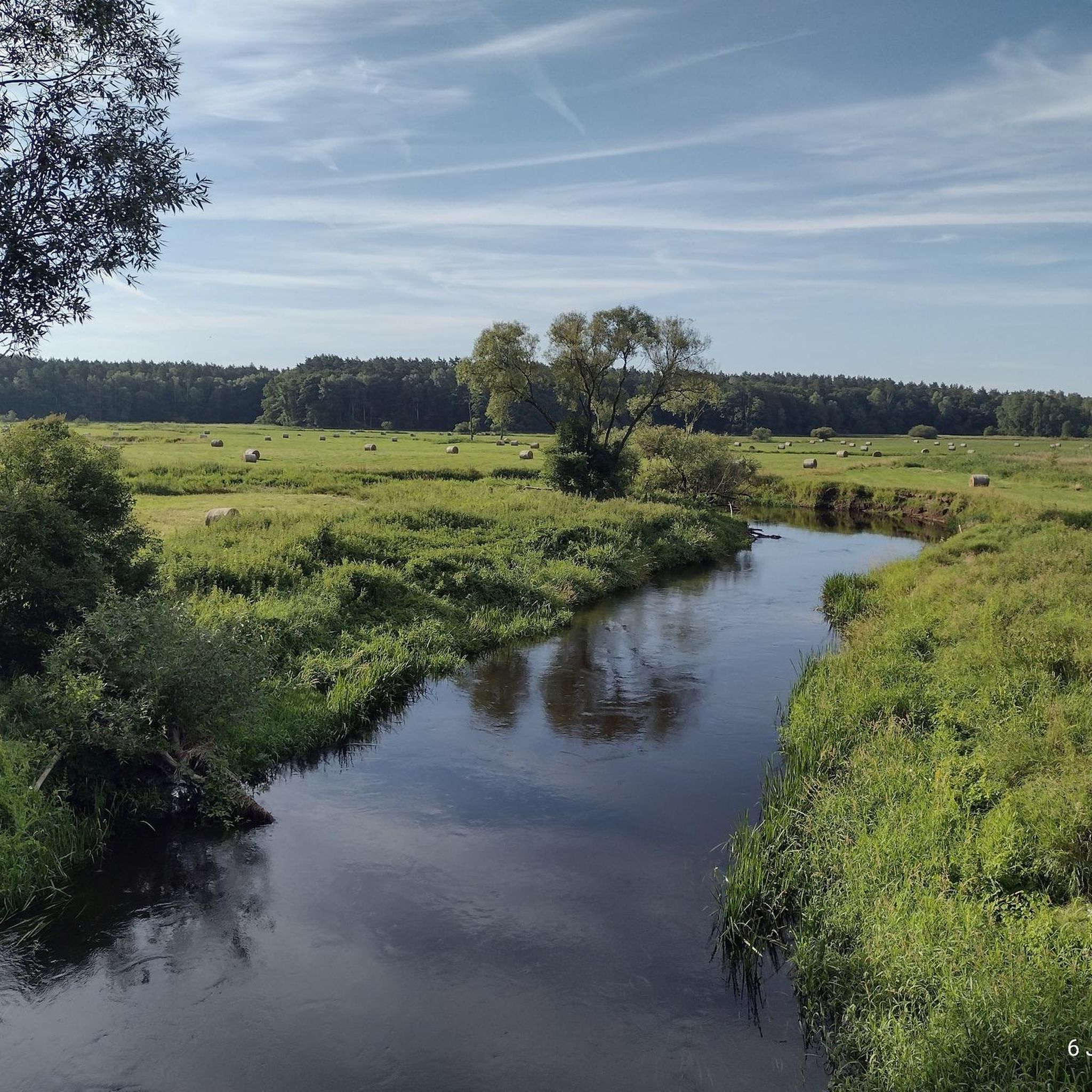
The area around the mill ruins is an area under renaturation by Oder-Rewilding. The bed of the Wisełka has been stripped of its thresholds and covered with gravel to allow aquatic organisms to migrate. And the beaver has built a dam above it, and how are these lampreys supposed to migrate....No dpua no...
3
0

The monastery church was originally dedicated to the Blessed Virgin Mary, and its construction began at the same time as the entire monastery, in 1210. Initially, the temple was built in the late Romanesque style, and it was completed in the Gothic style in 1347. After the secularization of the monastery in the 16th century, the main nave was transformed into a granary. The original 15th-century altar, which was originally located in the temple, can now be seen in the Basilica of St. James in Szczecin. During the period when the monastery was in operation, deceased Pomeranian princes were buried there. Unfortunately, in 1720, the side naves were demolished. On the wall of the church, you can see a blind rosette, which, according to legend, was made by a blind person.
3
1

The monumental church in Kołbacz is closely associated with the Cistercian order, which was brought to these lands in 1173. The first mention of the church dates back to 1186, but it was probably a wooden church. The construction of the brick temple began in 1210, and the construction lasted almost 140 years. During this time, the church suffered a fire twice and had to be rebuilt. The church served its functions until 1534, when the order was dissolved as a result of the Reformation. Such a large building was no longer needed, so it was divided into two parts. The eastern part of the chancel was designated for the needs of the Protestant church, and the main nave was converted into a grain warehouse by building five wooden ceilings inside. In the 17th century, as a result of a fire, the vaults in the side naves of the church collapsed and were never rebuilt. In the 18th century, they were completely demolished. In the 19th and early 20th centuries, several renovations were carried out on the church, significantly transforming it. From that period come, among others: new, larger windows in the northern chapel. New vaults and a new bell tower on the roof were also built. After the war, the church was also used as a warehouse. The church has been undergoing renovation for a dozen or so years, but it is still not finished, and the church is not fully used.
5
1
Frequently Asked Questions
What historical landmarks can I explore in Gmina Stargard?
Gmina Stargard is rich in history. You can visit the impressive Kołbacz Cistercian Abbey and Church, founded in 1173, which was once an abbey and later a ducal hunting lodge. Don't miss the ancient City Walls and the unique Mill Gate (Brama Młyńska), built over the Ina River, or the neo-Gothic Brama Świętojańska Tunnel. Other notable sites include St. Mary's Church, St. John the Baptist's Church, and the Medieval Town Hall in Stargard.
Are there any natural attractions or green spaces to visit in the region?
Yes, Gmina Stargard offers beautiful natural spots. The most prominent is Miedwie Lake, located about 8 kilometers from Stargard, featuring piers and beaches like Plaża - Jezioro Miedwie. You can also relax in several parks within Stargard, such as Park Bolesława Chrobrego, Piastowski Park, and Park Jagielloński. The area also commemorates its geographical significance with the 15th Meridian Monument.
What kind of outdoor activities can I do near the attractions?
The region around Gmina Stargard is excellent for outdoor enthusiasts. You can find various routes for hiking and mountain biking. For example, there are easy hikes around Miedwie Lake, such as the 'Amphitheater in Morzyczyn – Promenade by Lake Głębokie loop from Morzyczyn' (3.89 km). For more options, explore the hiking routes or MTB trails available in the area.
Are there family-friendly attractions in Gmina Stargard?
Many attractions in Gmina Stargard can be enjoyed by families. The Miedwie Lake area, with its beaches and piers, is great for a day out. Exploring the ancient city walls and gates, like the Mill Gate (Brama Młyńska), can be an engaging historical adventure. The Archaeological and Historical Museum in Stargard also offers exhibitions and even escape rooms at Basteja, which can be fun for older children.
Where can I find unique historical architecture in Gmina Stargard?
Beyond the major churches, you can discover unique architecture at the Church of the Assumption of the Blessed Virgin Mary in Reptowo, built in 1929. The Willa Karowów showcases a blend of Art Nouveau and Gothic Revival styles. Additionally, the Church of Saints Peter and Paul in Grzędzice features valuable 15th-century polychromes, considered the oldest in Western Pomerania.
What are some lesser-known historical sites worth visiting?
For a unique historical experience, consider visiting the Ruins of the Bącznik Watermill. While only foundations and brick water passages remain, the area is undergoing renaturation efforts, offering a glimpse into industrial history amidst nature. Another interesting spot is the Zamek w Pęzinie, a castle located near Gmina Stargard.
What is the best time of year to visit Gmina Stargard for outdoor activities?
The best time to visit Gmina Stargard for outdoor activities is generally during the warmer months, from late spring to early autumn (May to September). During this period, the weather is pleasant for hiking, cycling, and enjoying Miedwie Lake. The natural landscapes are vibrant, and most attractions are fully accessible.
Are there any viewpoints or scenic spots in Gmina Stargard?
Yes, for panoramic views, you can climb the 'Red Sea' tower at the ancient city walls in Stargard. This offers a great perspective of the town. The areas around Miedwie Lake also provide scenic vistas, especially from the boardwalks and piers.
How can I get to Miedwie Lake from Stargard using public transport?
Public transport options are available from Stargard to Miedwie Lake. While specific bus routes can vary, local bus services typically connect Stargard with towns and villages around the lake, such as Morzyczyn or Kobylanka, where you can access the lake's amenities like the boardwalk and beaches.
What cultural experiences can I find in Gmina Stargard?
The Archaeological and Historical Museum in Stargard is a key cultural institution, offering permanent and temporary exhibitions on the region's history and ethnography, including 18th-19th century dowry chests. The Old Town Square in Stargard also provides a historical ambiance, and the Kołbacz Cistercian Abbey and Church hosts cultural events through the Granary of Art Association.
Are there easy walking trails suitable for all fitness levels?
Yes, Gmina Stargard offers several easy walking trails, particularly around Miedwie Lake. Examples include the 'Miedwie Lake boardwalk – Amphitheater in Morzyczyn loop from Morzyczyn' (3.83 km) and the 'Miedwie Beach – Amphitheater in Morzyczyn loop from Morzyczyn' (2.77 km). These trails are generally flat and well-maintained, perfect for a leisurely stroll. You can find more easy options in the easy hikes guide.
Where can I find cafes or pubs near the main attractions?
You'll find cafes and pubs primarily in Stargard city center, near the historical landmarks like the Old Town Square and the city walls. Around Miedwie Lake, especially in Morzyczyn, there are establishments near the boardwalk and amphitheater where you can enjoy refreshments. For specific locations, local search engines or maps are recommended upon arrival.
Most popular routes around gmina Stargard
Most popular attractions around gmina Stargard

Get inspired with the komoot mobile app


Explore more
Still not found the Highlight you’re looking for? See guides of the top attractions in other regions:
