Attractions and Places To See around Travanca - Top 13
Best attractions and places to see around Travanca, a parish in Amarante, Portugal, offer a rich historical and cultural experience. The area is primarily centered around its significant religious heritage, including notable Romanesque architecture. Located within the wider Amarante region, Travanca benefits from the natural beauty of the surrounding landscapes. Visitors can explore a variety of sites, from historical monuments to natural features.
Best attractions and places to see around Travanca
- The most popular attractions is Cabreia Waterfall, a…
Last updated: July 1, 2026
Cabreia Waterfall
Highlight • Waterfall
Translated by Google •
Tip by

Igreja Matriz de Oliveira de Azeméis
Highlight • Religious Site
Translated by Google •
Tip by

Sign up now to discover places like this
Get recommendations on the best single tracks, peaks, & plenty of other exciting outdoor places.
Sign up for free
Pinheiro da Bemposta
Highlight • Settlement
Translated by Google •
Tip by
Urban Art Murals of Estarreja
Highlight • Monument
At the ESTAU Festival, started …
Translated by Google •
Tip by
Vale de Cambra
Highlight • Settlement
Translated by Google •
Tip by
Sign up for free to discover even more attractions around Travanca.
Sign up for free
Already have an account?
Start today with a free account
Your next adventure awaits.
Login or Signup

Tips from the Community

mentioned chapel on route 2.1 is just a left over piece of wall
0
0


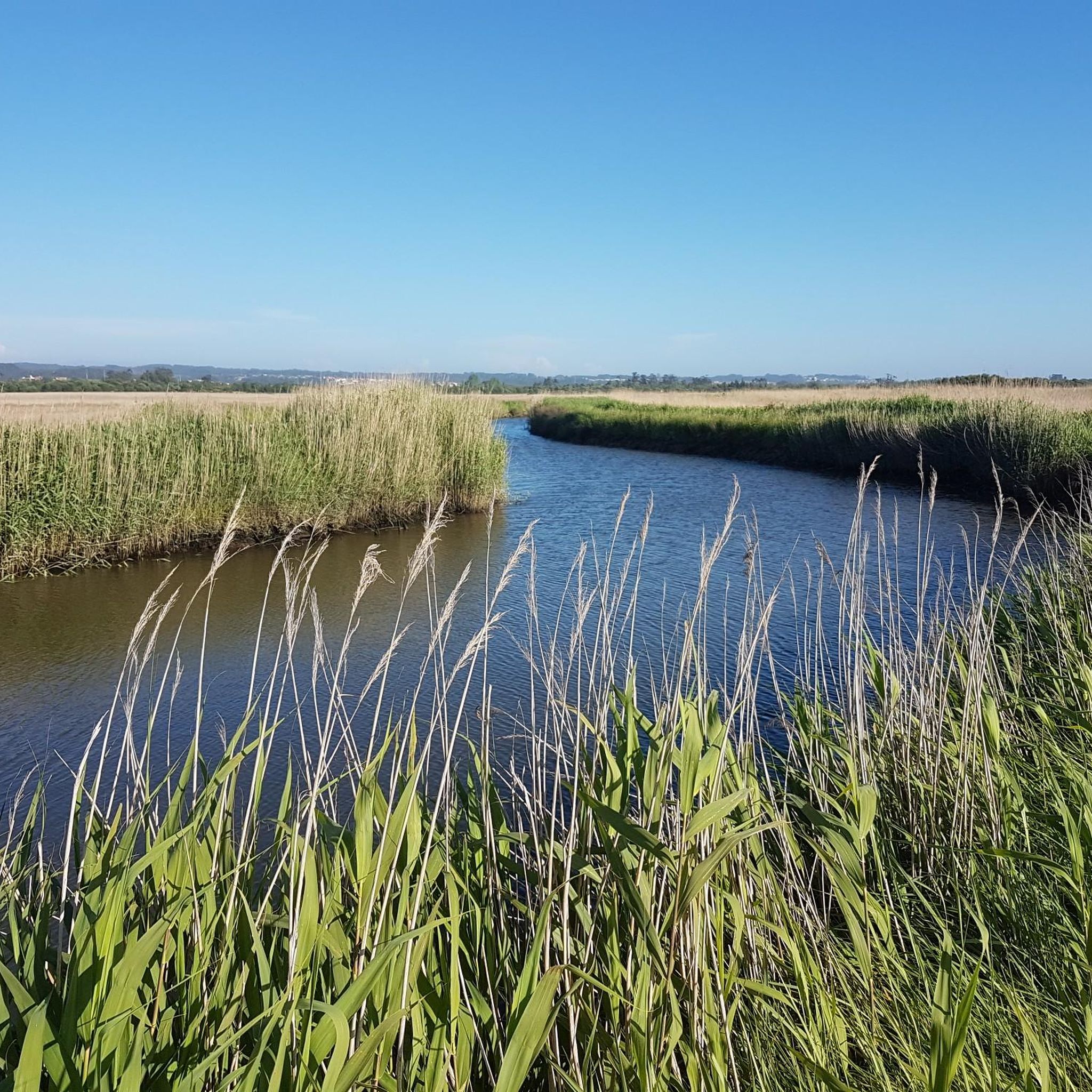
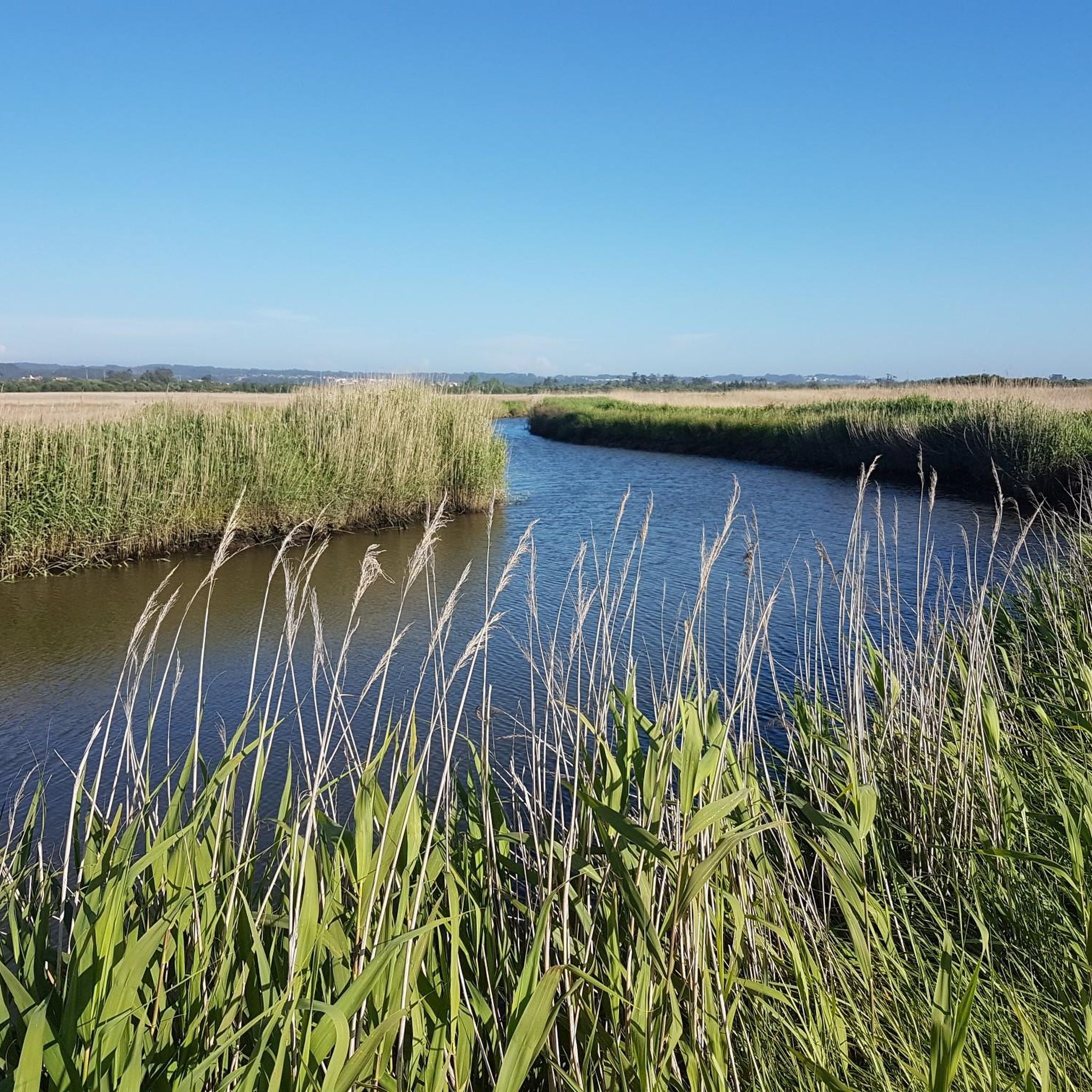
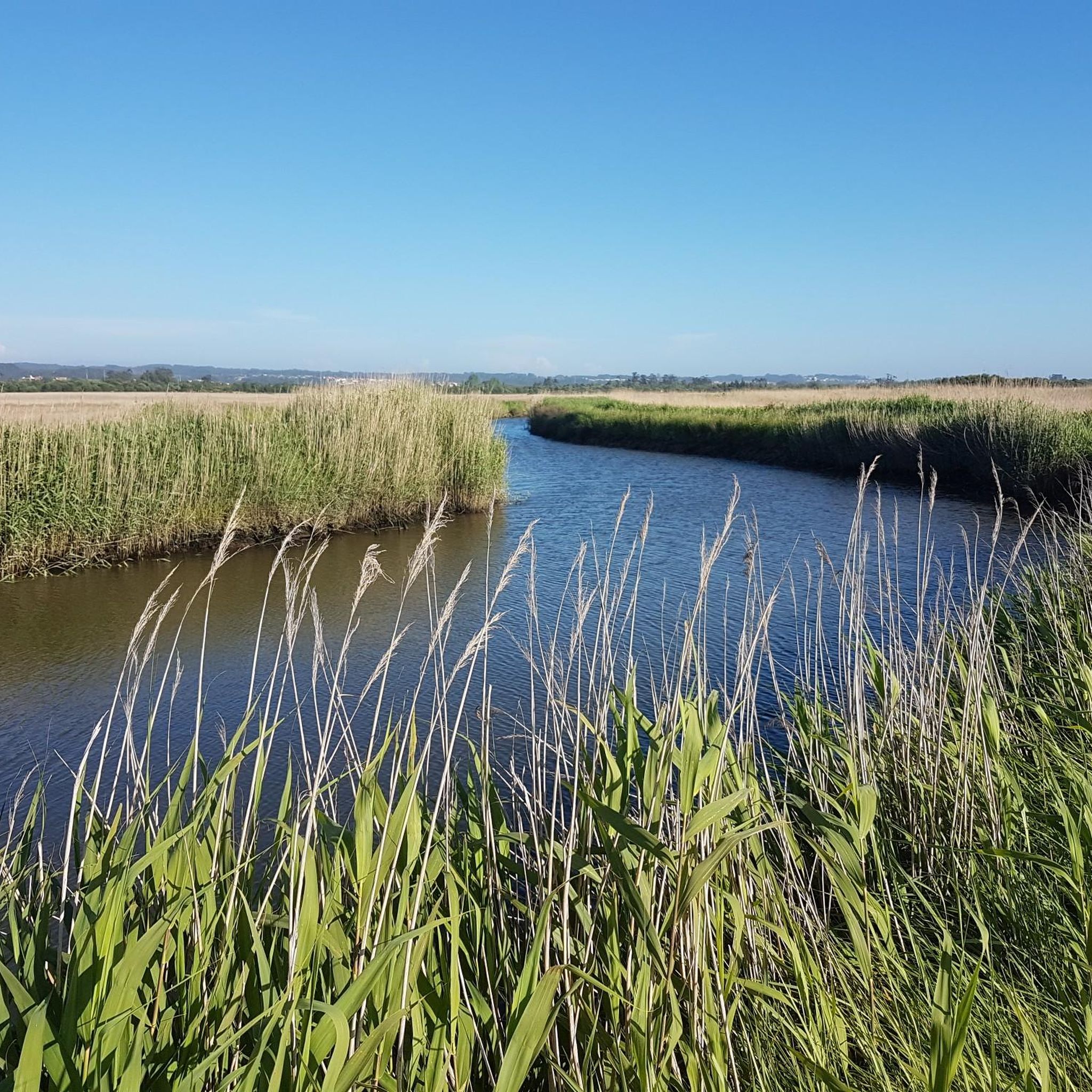
It is a very varied, lonely tour through beautiful nature and adjacent small residential areas.
4
0

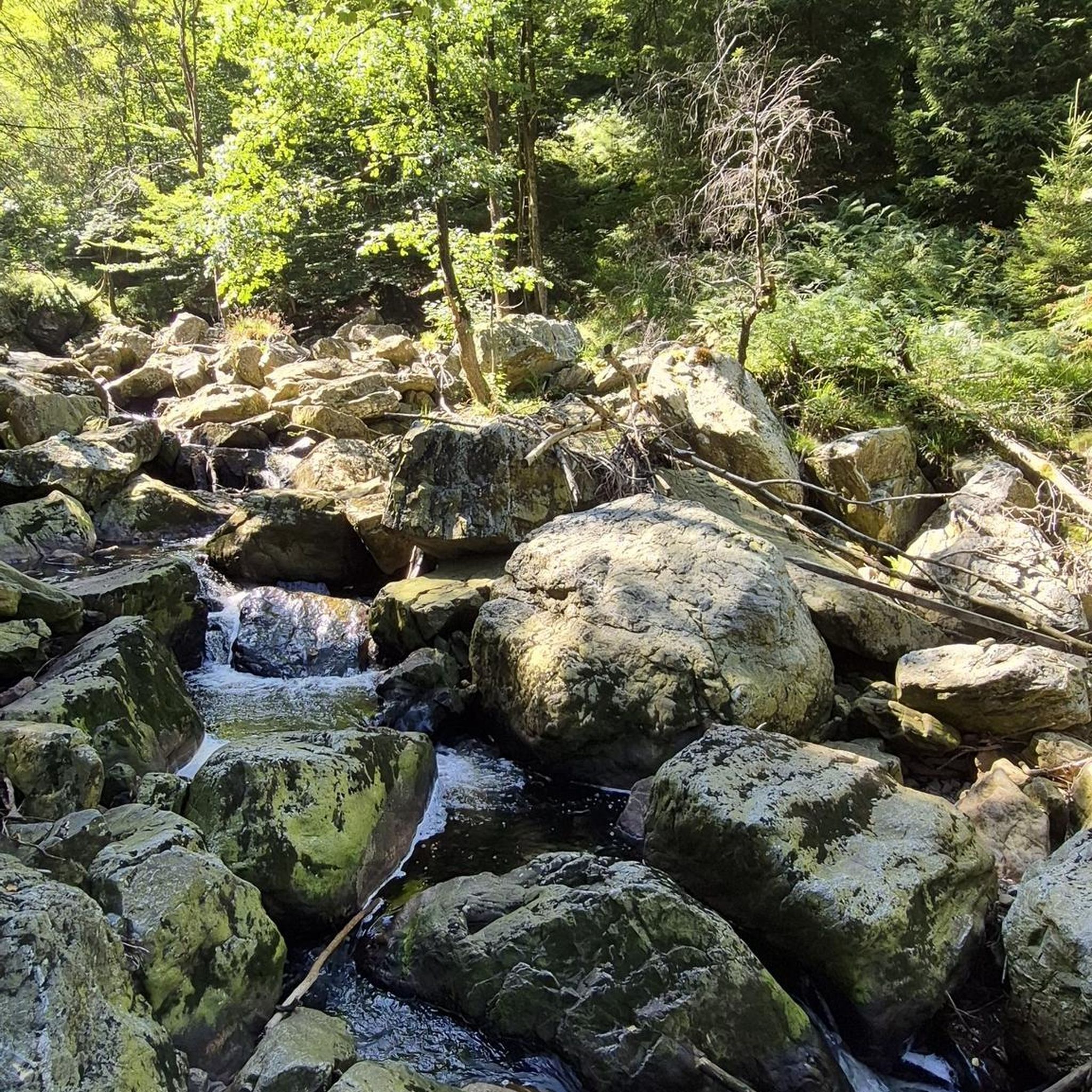
In this park is the magnificent Cascada da Cabreia, one of the most beautiful waterfalls in Portugal. The waterfall, formed by the waters of the Mau River, has an impressive height of 25 meters and its natural pool is a true delight. On hot days, no one can resist taking a dip in the delicious lagoon that forms at its base. In addition, the environment is surrounded by a lush forest crossed by the crystalline waters of the Mau River, which invites quiet walks and unique moments of contemplation.
4
0

Estarreja is known for the Ria de Aveiro, the annual Carnival and Foral do Antuã of D. Manuel I and for its unique urban art. At the ESTAU Festival, started by the artist Bordallo II, artists from all over the world transform the city with murals and installations inspired by local culture. In the link below you can find all the murals in Estarreja: cm-estarreja.pt/estau
0
0
The Oliveira de Azeméis Parish Church, dating from the beginning of the 18th century, displays late-Mannerist architecture, with a longitudinal plan and two bell towers. It stands out for its austere exterior, with artistic tiles and a sculpture of Saint Michael fighting evil. Its interior is marked by a single nave, gilded altarpieces and a screen representing the Resurrection of Marques de Oliveira.
1
0
Vale de Cambra, located in the district of Aveiro, Portugal, stands out for the natural heritage of Serra da Freita, ideal for outdoor activities such as hiking and cycling. The region is known for its birthing stones and the Frecha da Mizarela Cascade, one of the largest waterfalls in the country.
0
0
Estarreja is known for the Ria de Aveiro, the annual Carnival and Foral do Antuã of D. Manuel I and for its unique urban art. At the ESTAU Festival, started by the artist Bordallo II, artists from all over the world transform the city with murals and installations inspired by local culture. In the link below you can find all the murals in Estarreja: https://www.cm-estarreja.pt/estau
0
0
Frequently Asked Questions
What historical and cultural landmarks can I explore in and around Travanca?
Travanca is rich in history, primarily centered around its religious heritage. The most significant site is the Mosteiro do Salvador de Travanca, a 13th-century Benedictine monastery and a National Monument, known for its Romanesque architecture. You can also visit the Igreja Matriz de Oliveira de Azeméis, an 18th-century parish church with late-Mannerist architecture. For art enthusiasts, the Casa-Museu Acácio Lino in Travanca offers insight into the life and work of the painter Acácio Lino de Magalhães.
Are there any natural attractions or features to visit near Travanca?
Yes, the region offers beautiful natural spots. A must-see is Cabreia Waterfall, which boasts an impressive 25-meter drop and a natural pool, perfect for a refreshing dip on warm days. The area around the waterfall is surrounded by lush forest, ideal for quiet walks. The wider Amarante region, where Travanca is located, is also known for its natural beauty, including the Tâmega River.
What kind of outdoor activities can I do near Travanca?
The area around Travanca is great for outdoor enthusiasts. You can find various routes for cycling, running, and hiking. For example, there are moderate hiking trails like the 'Mau River Junction – Cabreia Waterfall loop from Silva Escura' and easier options such as the 'Hiking loop from Oliveira de Azeméis'. You can find more details and routes on the Hiking around Travanca guide, the Cycling around Travanca guide, and the Running Trails around Travanca guide.
Are there family-friendly attractions or activities in the Travanca area?
Absolutely! Many attractions are suitable for families. Cabreia Waterfall is a great spot for families to enjoy nature and swim in the natural pool. Historical sites like Igreja Matriz de Oliveira de Azeméis and the settlement of Pinheiro da Bemposta offer cultural insights that can be engaging for all ages. The natural heritage of Serra da Freita near Vale de Cambra also provides opportunities for outdoor family adventures.
What is the best time of year to visit Travanca for sightseeing and outdoor activities?
The best time to visit Travanca for both sightseeing and outdoor activities is generally during the spring (April to June) and early autumn (September to October). During these periods, the weather is typically mild and pleasant, making it comfortable for exploring historical sites and enjoying hiking or cycling without the intense heat of summer or the heavier rains of winter.
Are there any accessible attractions for visitors with mobility needs?
Yes, the Urban Art Murals of Estarreja are noted as wheelchair accessible. This attraction allows visitors to explore unique urban art installations and murals that transform the city, inspired by local culture.
Where can I find cafes or places to eat near the attractions?
While specific cafes are not listed for every attraction, the settlement of Pinheiro da Bemposta has a notable spot called 'Café Parati' which is often open. For other attractions, you'll generally find cafes and restaurants in the nearby towns and villages, such as Amarante or Oliveira de Azeméis, which are easily accessible by car.
Can I visit the Mosteiro do Salvador de Travanca, and what are its visiting hours?
The Mosteiro do Salvador de Travanca is a significant historical site. Visiting hours are typically by appointment. It's advisable to check with local tourism information or the monastery directly for current visiting arrangements. The monastery also holds a Patron Saint's Day celebration on August 6th.
What makes the region around Travanca unique for visitors?
The region around Travanca stands out for its blend of profound historical and religious heritage, particularly its well-preserved Romanesque architecture exemplified by the Mosteiro do Salvador. It also offers a contrast with beautiful natural landscapes, including waterfalls and river valleys, providing a diverse experience for those interested in both culture and outdoor exploration.
Are there any specific hiking trails recommended for beginners near Travanca?
Yes, for beginners, there are easy hiking options available. For instance, the 'Cabreia Waterfall – Mau River Junction loop from Silva Escura' is an easy 4.7 km route. Another easy option is the 'Hiking loop from Oliveira de Azeméis', which is about 5.3 km. These trails offer a gentle introduction to the region's natural beauty. You can find more details on the Hiking around Travanca guide.
What do visitors particularly enjoy about the attractions around Travanca?
Visitors frequently appreciate the stunning natural beauty of places like Cabreia Waterfall, often highlighting its impressive height and the refreshing natural pool. The historical and architectural significance of sites like the Mosteiro do Salvador de Travanca and Igreja Matriz de Oliveira de Azeméis are also highly valued for their cultural richness and serene environments. The overall blend of nature and history creates a unique and contemplative experience.

Get inspired with the komoot mobile app


Explore more
Still not found the Highlight you’re looking for? See guides of the top attractions in other regions:
