The best road cycling routes around Paradela
5.0
(2)
307
riders
22
rides
Road cycling around Paradela, located in Galicia, Spain, offers diverse landscapes characterized by the winding Miño River basin and expansive forests. The region's varied topography provides a dynamic riding experience with a mix of ascents and descents. Paradela's inclusion within the Ribeira Sacra region further enhances its appeal for road cyclists. This area features quiet minor roads with minimal traffic, suitable for various fitness levels.
Best road cycling routes around Paradela
- The most popular road cycling route is From Talhadas…
Last updated: August 26, 2026
5.0
(1)
2
riders
71.1km
03:59
1,480m
1,480m
Hard road ride. Very good fitness required. Mostly well-paved surfaces and easy to ride.
44
riders
101km
04:14
490m
490m
Moderate road ride. Good fitness required. Some segments of this route may be unpaved and difficult to ride.

Sign up for free
49
riders
99.1km
04:15
510m
510m
Moderate road ride. Good fitness required. Mostly well-paved surfaces and easy to ride.
31
riders
56.4km
02:38
410m
410m
Moderate road ride. Good fitness required. Some segments of this route may be unpaved and difficult to ride.
22
riders
53.4km
02:19
440m
440m
Moderate road ride. Good fitness required. Mostly well-paved surfaces and easy to ride.
Get access to more routes and recommendations from other explorers.
Sign up for free
Already have an account?
Our route recommendations are based on thousands of hikes, rides, and runs completed by other people on komoot.
Start today with a free account
Your next adventure awaits.
Login or Signup

Tips from the Community

An old lady use to live in it. but as the fire destroyed it. now seats abandoned...the property is closed off.
0
0

The Cross of São Domingos (also known as Cruzeiro de São Domingos or Cruzeiro de Nossa Senhora da Glória) is an ornate, late Gothic stone cross from the late 15th century. It is located protected in the vestibule (Galilé) of the Cathedral of Aveiro (Sé Catedral de Aveiro / Igreja de São Domingos).Interesting facts about the cross:Origin: It comes from a workshop in Coimbra.
3
0
Part of the salt pans are no longer in operation.
3
0

This pedestrian bridge connects all three banks in the shape of a circular ring ("pedestrian roundabout"). The structure is visually striking.
4
0
In the past, this bridge was used to be used to ask for the hand of the beloved (engagement bridge).
4
0

On this avenue you can have a good snack!!
0
0

Frequently Asked Questions
How many road cycling routes are available in Paradela?
Paradela offers a wide selection of road cycling routes, with over 25 options available. These routes cater to various preferences, ranging from moderate to difficult, ensuring there's a suitable ride for most cyclists.
What kind of terrain can I expect on road cycling routes in Paradela?
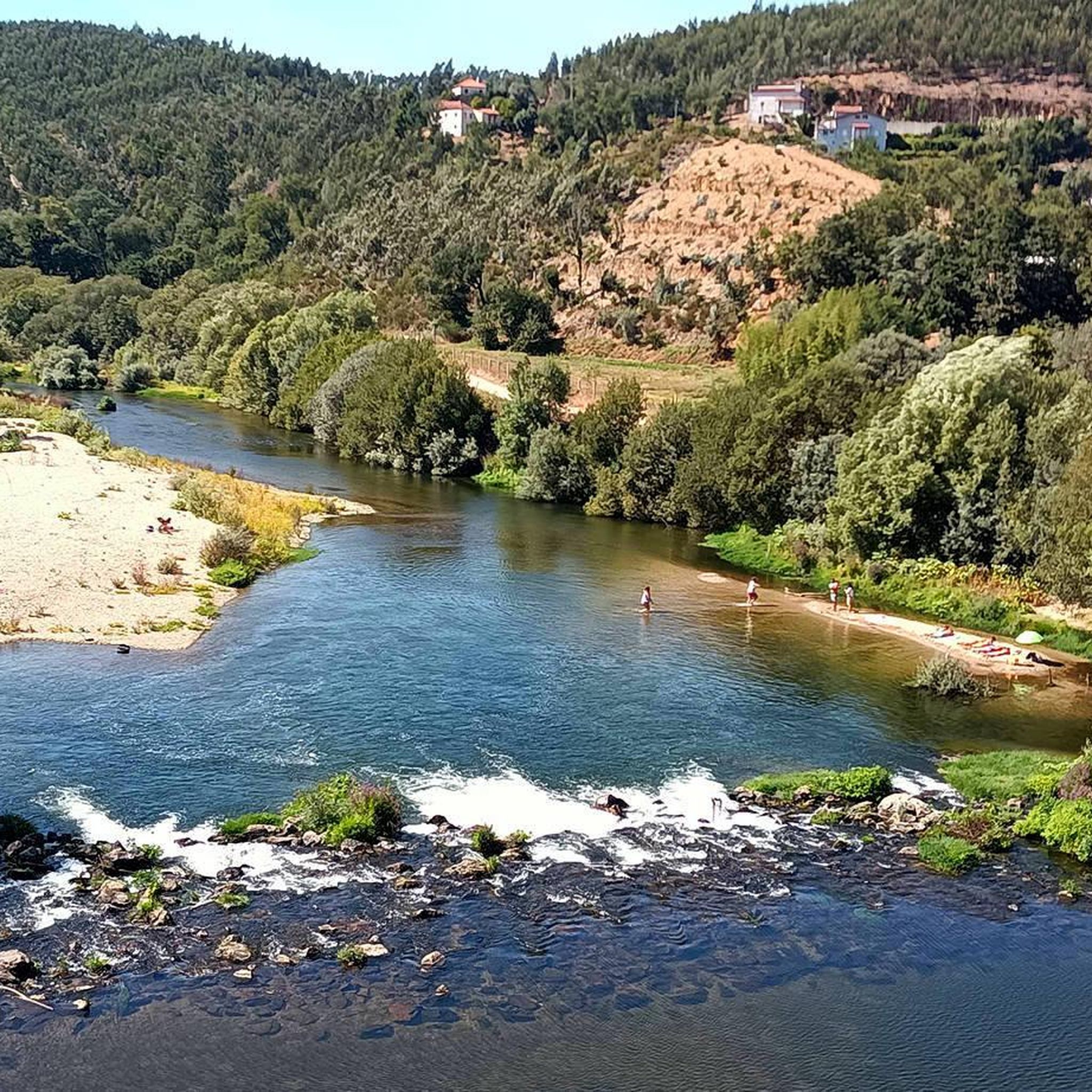
The terrain around Paradela is diverse, characterized by the winding Miño River basin and expansive forests. You can expect a dynamic riding experience with a mix of ascents and descents, typical of inland Galicia and the Ribeira Sacra region. Many routes utilize quiet minor roads with minimal traffic.
Are there routes suitable for different fitness levels?
Yes, Paradela provides road cycling routes for various fitness levels. While there are no easy routes listed, you'll find 16 moderate routes and 11 difficult routes, offering options for those seeking a challenging ride or a more relaxed, yet engaging, experience.
Are there any challenging long-distance road cycling routes in Paradela?
Absolutely. For experienced cyclists seeking a challenge, routes like the Ponte do Poço de S. Tiago – Striped Houses of Costa Nova loop cover approximately 127 km with significant elevation changes. The region is also known for events like the Ribeira Sacra Cycling Road, featuring 'Gran Fondo' routes of 120 km with around 2800m of elevation gain.
Can I find moderate-difficulty routes for road cycling?
Yes, Paradela has a good selection of moderate-difficulty routes. An example is the Paradela Station – Talhadas Parish Church loop from Talhadas, which is about 50 km long with over 800 meters of ascent, offering a rewarding ride without being overly strenuous.
Are there circular road cycling routes in Paradela?
Many of the road cycling routes in Paradela are designed as loops, allowing you to start and finish at the same point. For instance, the popular From Talhadas to São João do Monte — circular route is a challenging 71 km loop through forested terrain.
What historical landmarks can I see along the road cycling routes in Paradela?
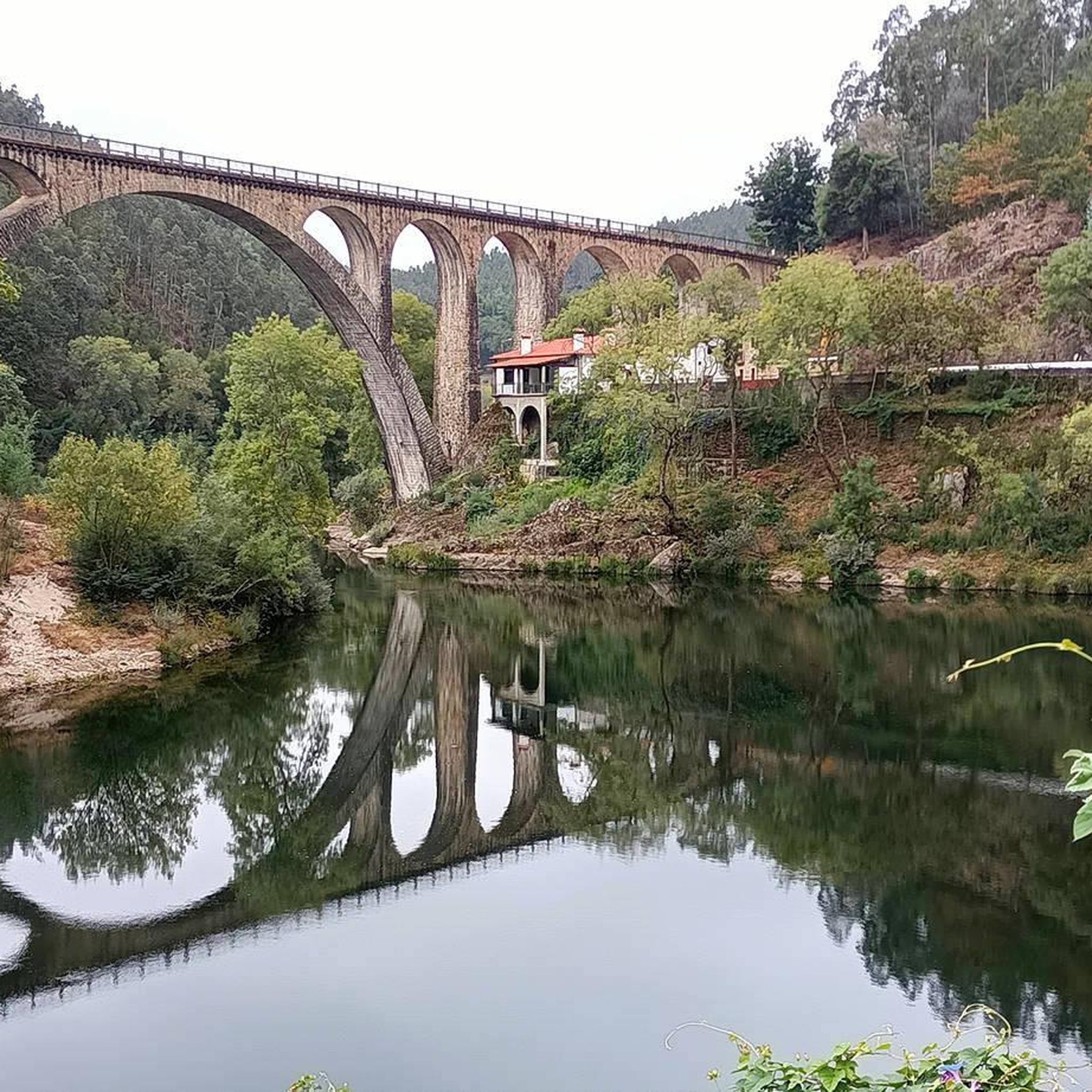
Paradela's routes often integrate with the historic French Route of the Camino de Santiago, offering glimpses of significant landmarks. You might encounter the 12th-century Romanesque Poço de S. Tiago Bridge, or the Ecopista do Vouga: Sernada do Vouga to Paradela, which follows an old railway line.
Are there scenic viewpoints or natural features to enjoy?
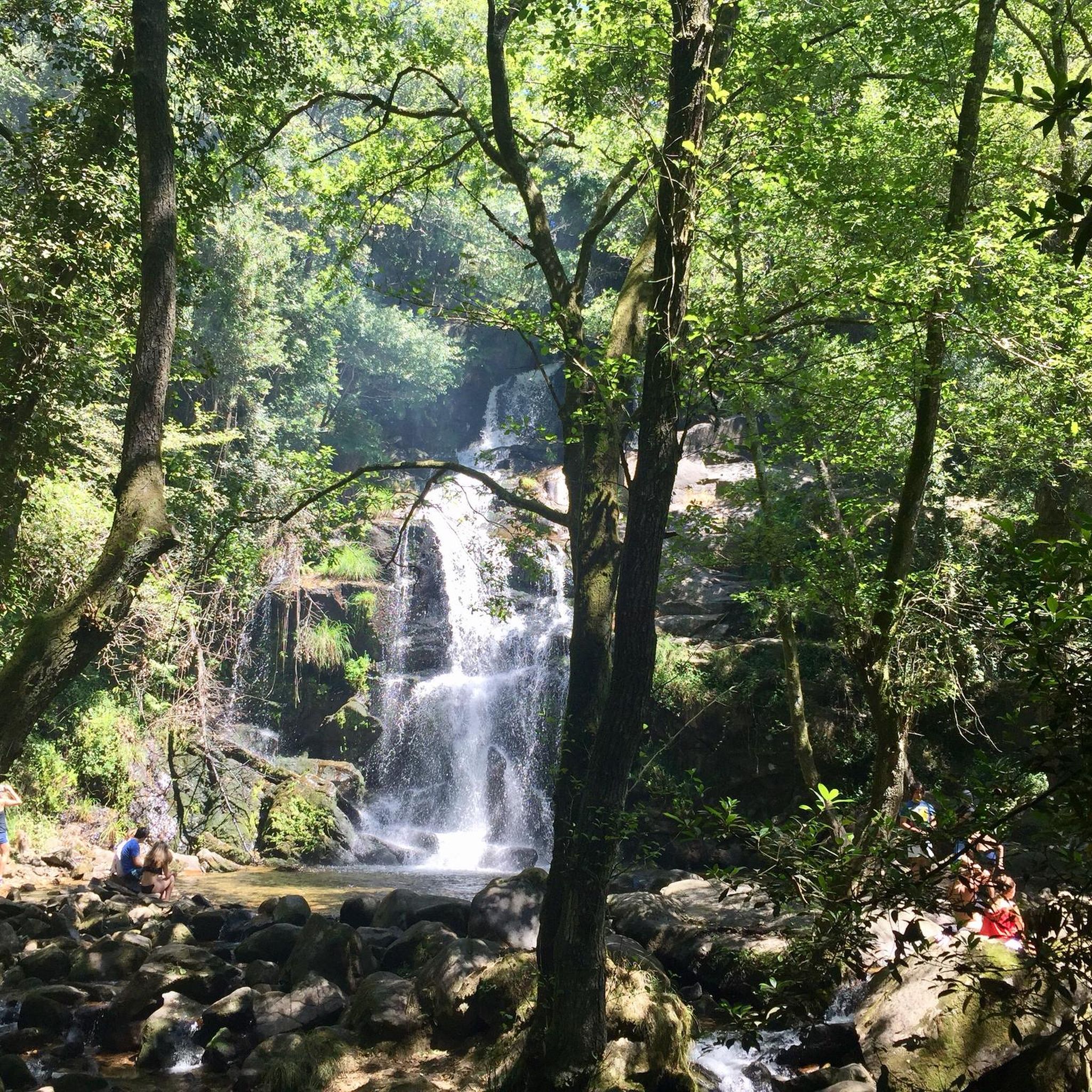
The region is rich in natural beauty. Road cycling routes often provide views of the lush greenery of the Miño River basin and serene river landscapes. You might also pass by natural attractions such as the Cabreia Waterfall, offering picturesque stops along your ride.
Is parking available at the trailheads for road cycling routes?
While specific parking details for every trailhead are not always listed, many routes in Paradela start from accessible points like the Paradela Station or other villages, where local parking options are generally available. It's advisable to check the route details for specific starting points.
How accessible are the routes by public transport?
Paradela is located in a rural part of Galicia. While some routes may start near former railway stations like Paradela Station, public transport options directly to all trailheads might be limited. Planning your journey in advance and considering local bus services or car access to starting points is recommended.
What do other road cyclists enjoy the most about road cycling in Paradela?
The road cycling experience in Paradela is highly rated by the komoot community, with an average score of 5.0 stars. Cyclists often praise the diverse landscapes, the mix of challenging ascents and rewarding descents, and the opportunity to explore the quiet, scenic roads of the Ribeira Sacra region.
Are there any routes that offer a significant elevation challenge?
Yes, for those looking for substantial climbs, routes like the Paradela Railway Station – Oliveira de Frades loop present a significant challenge. This route covers approximately 65 km and features over 1000 meters of elevation gain, providing a strenuous workout amidst beautiful scenery.
Most popular routes around Paradela
Most popular attractions around Paradela

Get inspired with the komoot mobile app


Explore more
Browse the best Road cycling routes in other regions.
