The best road cycling routes around Calheta De Nesquim
5.0
(1)
16
riders
4
rides
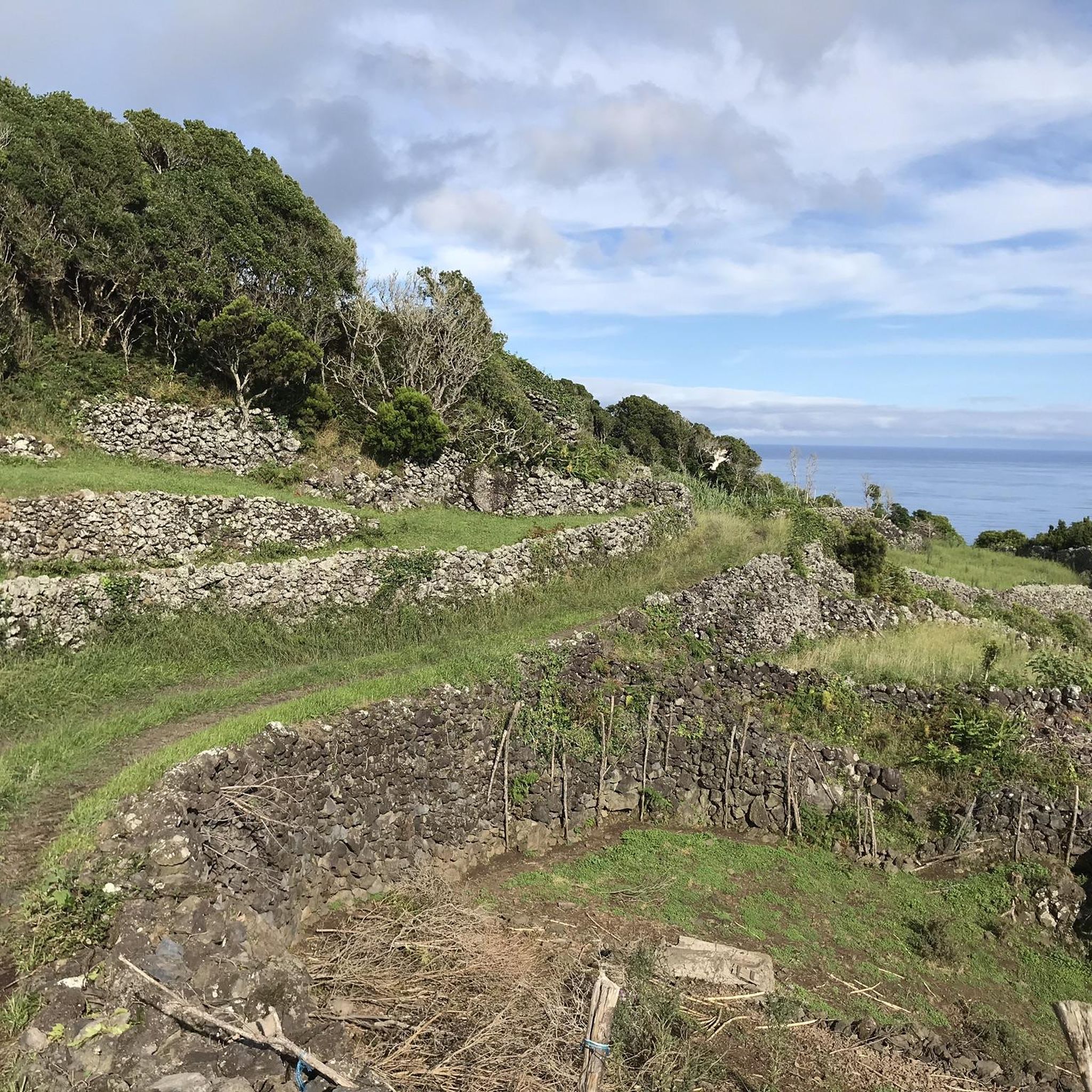
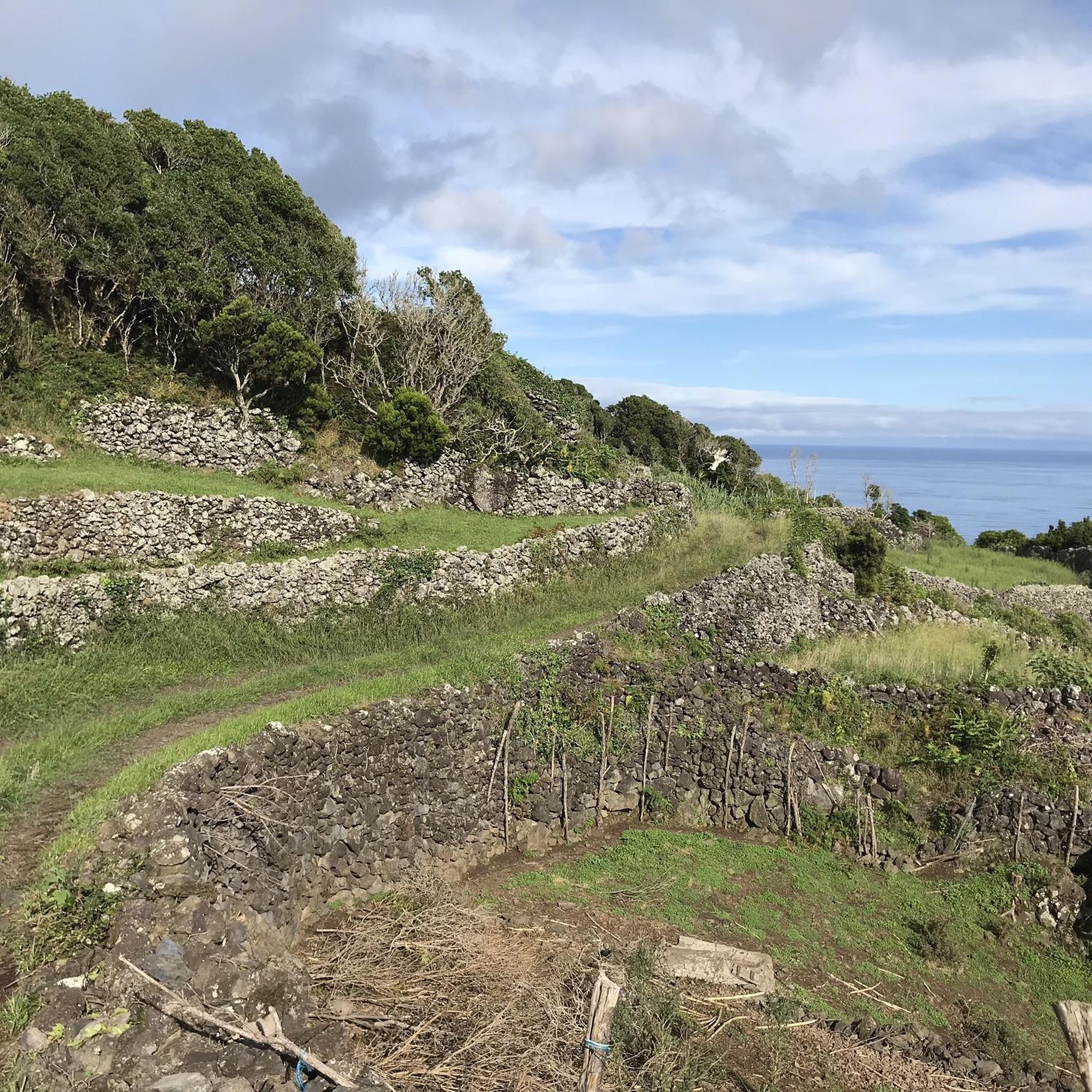
Road cycling around Calheta De Nesquim offers challenging routes across Pico Island's volcanic topography, characterized by significant elevation changes. The region features rugged coastal cliffs, dense interior vegetation, and traditional vineyard landscapes. Cyclists can expect roads winding through agricultural fields and pastures, with ascending stages providing panoramic views.
Best road cycling routes around Calheta De Nesquim
- The most popular road cycling route is Whalers' Museum – View of Pico Mountain loop from Ribeiras, a 58.8 miles (94.7 km) trail…
Last updated: November 4, 2026
5.0
(1)
2
riders
35.1km
02:06
920m
920m
Hard road ride. Very good fitness required. Mostly well-paved surfaces and easy to ride.
6
riders
94.1km
04:56
1,750m
1,750m
Hard road ride. Very good fitness required. Mostly well-paved surfaces and easy to ride.

4
riders
82.2km
05:01
2,060m
2,060m
Hard road ride. Very good fitness required. Some segments of this route may be unpaved and difficult to ride.
4
riders
46.0km
02:22
830m
830m
Moderate road ride. Good fitness required. Mostly well-paved surfaces and easy to ride.
Our route recommendations are based on thousands of hikes, rides, and runs completed by other people on komoot.
Start today with a free account
Your next adventure awaits.
Popular around Calheta De Nesquim
Tips from the Community

Natural swimming pool: Here you can swim in the Atlantic Ocean, either in a separate pool or in the large swimming pool, the Atlantic Ocean. Entry and exit are via a ladder.
0
0
Close your eyes, make a wish, walk around the tree forward 3 times and backward 3 times, and then enjoy your wish fulfilled 🤗 (Be careful of the large roots and please don't fall while doing this 😱) Mighty tree that is a natural monument.
0
0

Definitely worth seeing! It tells the story of whaling on Pico. The film vividly depicts how simple and difficult life is on Pico (Lajes) and how the men killed such a gigantic animal with simple means. The museum is very inexpensive and even free to visit on Sundays.
1
0

The Mistério de São João Forest Recreation Reserve is a forest park located in the parish of São João, in the municipality of Lajes do Pico, on Pico Island in the Azores. Covering an area of 212 hectares between the parishes of São Caetano and São João, the park is called "Mistério" due to a volcanic eruption in 1718 that destroyed a chapel dedicated to Saint John the Baptist. The park features leisure areas such as picnic spots, a playground, and hiking trails, and is home to notable tree and shrub species like maritime pine and cryptomeria.
0
0


The whaling museum in Lajes do Pico offers an impressive look back to the time when whales were hunted in the Azores rather than just observed. Various products made from the killed animals, lances and harpoons, and a whaling boat are on display. In addition, a film with scenes from a sperm whale hunt is shown in a separate room. The former whale processing factory on Faial (which has also been a museum since the end of whaling in the early 1980s) can also be seen. And like the "Peter's Scrimshaw Museum" in Horta, this museum also houses handicraft exhibits made using the scrimshaw technique. https://de.wikipedia.org/wiki/Scrimshaw
2
0

The road that follows the eastern ridge of Pico Island offers unique landscapes - some of the most beautiful in the Azores. It is worth pointing out, however, that the floor is somewhat "rustic", and is not in the best condition. So a 35mm tire wouldn't be a bad choice here.
1
0
Frequently Asked Questions
What kind of terrain can I expect when road cycling around Calheta de Nesquim?
Road cycling around Calheta de Nesquim offers a challenging experience due to Pico Island's volcanic topography. You'll encounter significant elevation changes, with roads winding through agricultural fields, pastures, and traditional vineyard landscapes. Expect ascending stages that provide panoramic views over the village and volcanic elevations like Pedra Aguda and Cabeço do Silvado.
Are there routes suitable for experienced road cyclists seeking a challenge?
Yes, Calheta de Nesquim and the broader Pico Island are known for challenging climbs, making it ideal for experienced road cyclists. Many routes feature significant elevation gain. For example, the Whalers' Museum – View of Pico Mountain loop from Ribeiras is a difficult 58.8-mile (94.7 km) route with extensive views of Pico Mountain, and the Church of São Roque – Terra Alta Viewpoint loop from São Roque do Pico is another difficult option spanning 80.7 km.
What natural features or landmarks can I expect to see while road cycling around Calheta de Nesquim?
The region's volcanic origin is evident everywhere. You can explore the dramatic coastline with features like the Lava Coastal Trail and Natural Arch – Ponta da Ilha. The UNESCO World Heritage Vine Culture Landscape is also a prominent feature. Additionally, you might pass by the Terra Alta Viewpoint, offering stunning vistas.
Are there any cultural or historical sites accessible by bike in the area?
Calheta de Nesquim has a rich whaling tradition. While cycling, you might encounter the former whale watching tower, now used for observation, or the Church of São Sebastião, a prominent religious landmark in the village center. The 'House of Whaling Boats' has also been transformed into a local museum.
Are there any moderate road cycling routes available?
Yes, for those looking for a less intense but still rewarding ride, the Whalers' Museum – Moinho do Juncal loop from Ribeirinha is a moderate 28.6-mile (46.0 km) path. This route traverses traditional landscapes and provides beautiful coastal views without the extreme difficulty of some other island routes.
What are the best times of year to go road cycling in Calheta de Nesquim?
Pico Island generally offers good cycling conditions outside of the peak winter months. The spring and autumn seasons typically provide pleasant temperatures and less extreme weather, making them ideal for road cycling. Summers can be warm, while winters may bring more challenging wind and rain conditions.
What do other road cyclists enjoy most about road cycling in Calheta de Nesquim?
The area is highly rated by the komoot community, with an average score of 5.0 stars. Cyclists often praise the breathtaking volcanic and coastal landscapes, the challenging climbs, and the unique cultural backdrop that makes each ride an adventure.
Are there any natural swimming spots or leisure areas near the cycling routes?
Yes, Calheta de Nesquim is known for its beautiful natural pools. Poça das Mujas is highly regarded on Pico Island for relaxation. The harbor of Feteira also provides a leisure area with access to natural swimming pools, perfect for a refreshing dip after a ride.
What kind of vegetation will I see along the routes?
The interior of Calheta de Nesquim is characterized by dense vegetation, including areas like the wood of Fetais and forests primarily composed of Australian cheesewood. These lush areas often transition into agricultural fields and pastures, offering a diverse visual experience as you cycle.
Are there any circular road cycling routes in the area?
Yes, many of the routes are designed as loops, allowing you to start and end in the same location. Examples include the Whalers' Museum – View of Pico Mountain loop from Ribeiras and the Whalers' Museum – Moinho do Juncal loop from Ribeirinha, providing convenient circular journeys.
What should I be aware of regarding road conditions for cycling?
While the roads offer stunning views, cyclists should exercise caution as they often share these roads with vehicles. The challenging topography means winding roads and significant elevation changes, so good road cycling skills and awareness are essential.
Most popular attractions around Calheta De Nesquim

Get inspired with the komoot mobile app


Explore more
Browse the best Road cycling routes in other regions.
