The best cycling routes around Baleizão
3.8
(6)
48
riders
13
rides
Touring cycling around Baleizão offers routes through the expansive Alentejo region of Portugal, characterized by vast plains and rolling hills. The landscape features quiet roads, cork oak forests, olive groves, and vineyards, providing varied terrain for cyclists. This area is known for its open spaces and peaceful villages, making it suitable for different cycling preferences. The region's topography includes gentle, flat sections alongside more challenging paths through elevated areas.
Best touring cycling routes around Baleizão
- The most popular touring cycling…
Last updated: June 27, 2026
7
riders
32.0km
02:21
370m
370m
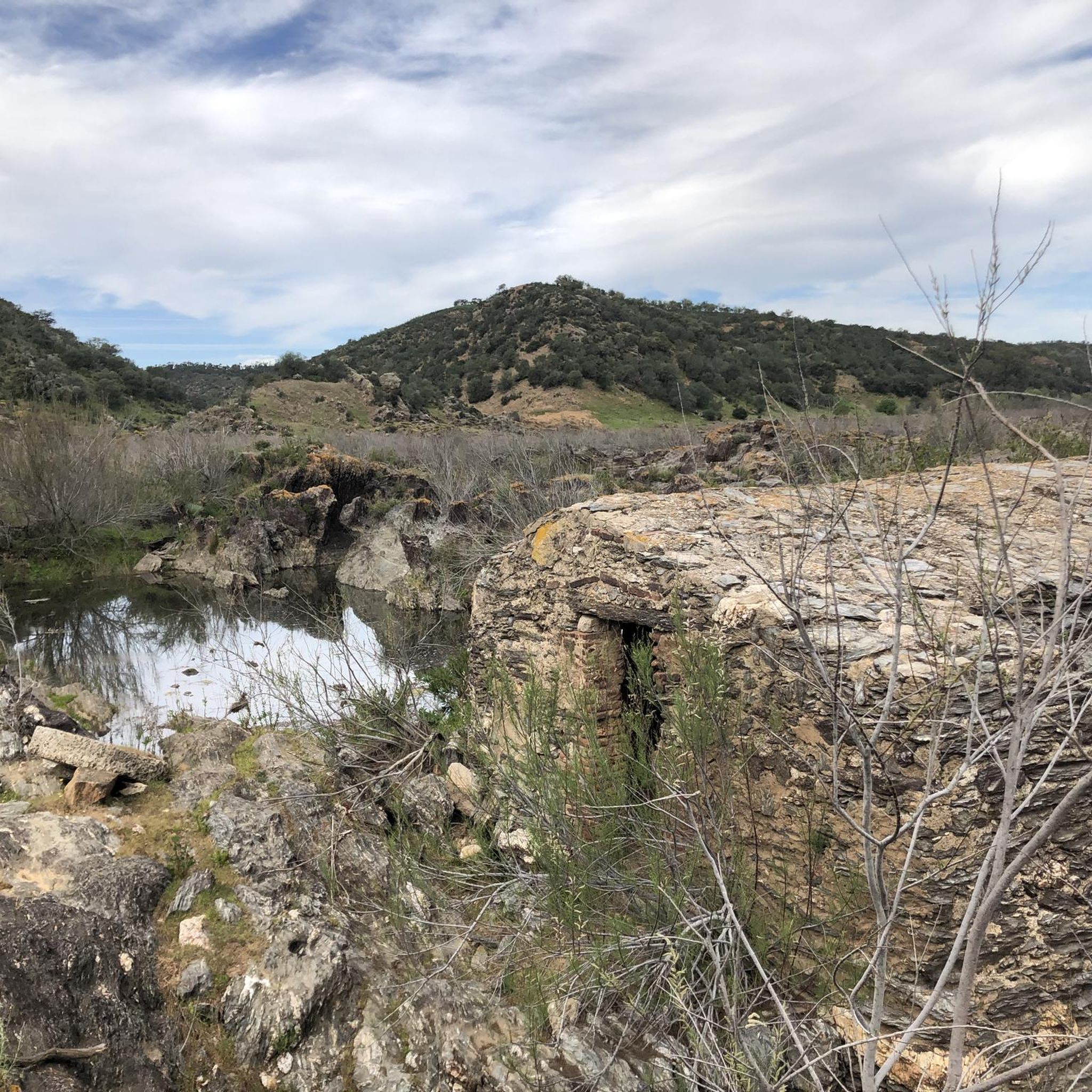
This moderate 19.9-mile touring cycling route in Guadiana Valley Natural Park takes you through agricultural fields and past the Azenha da O
1
riders
13.7km
01:02
110m
110m
Easy bike ride. Great for any fitness level. Mostly paved surfaces. Suitable for all skill levels.

Sign up for free
7
riders
34.9km
02:17
310m
310m
Moderate bike ride. Good fitness required. Mostly paved surfaces. Suitable for all skill levels.
4
riders
12.7km
00:49
120m
120m
Easy bike ride. Great for any fitness level. Mostly paved surfaces. Suitable for all skill levels.
4.0
(1)
7
riders
11.8km
00:43
90m
90m
Easy bike ride. Great for any fitness level. Mostly paved surfaces. Suitable for all skill levels.
Get access to more routes and recommendations from other explorers.
Sign up for free
Already have an account?
Our route recommendations are based on thousands of hikes, rides, and runs completed by other people on komoot.
Start today with a free account
Your next adventure awaits.
Login or Signup
Tips from the Community


The relatively short pedestrian passage offers numerous shops as well as some nice restaurants, making it ideal for an evening stroll.
4
4

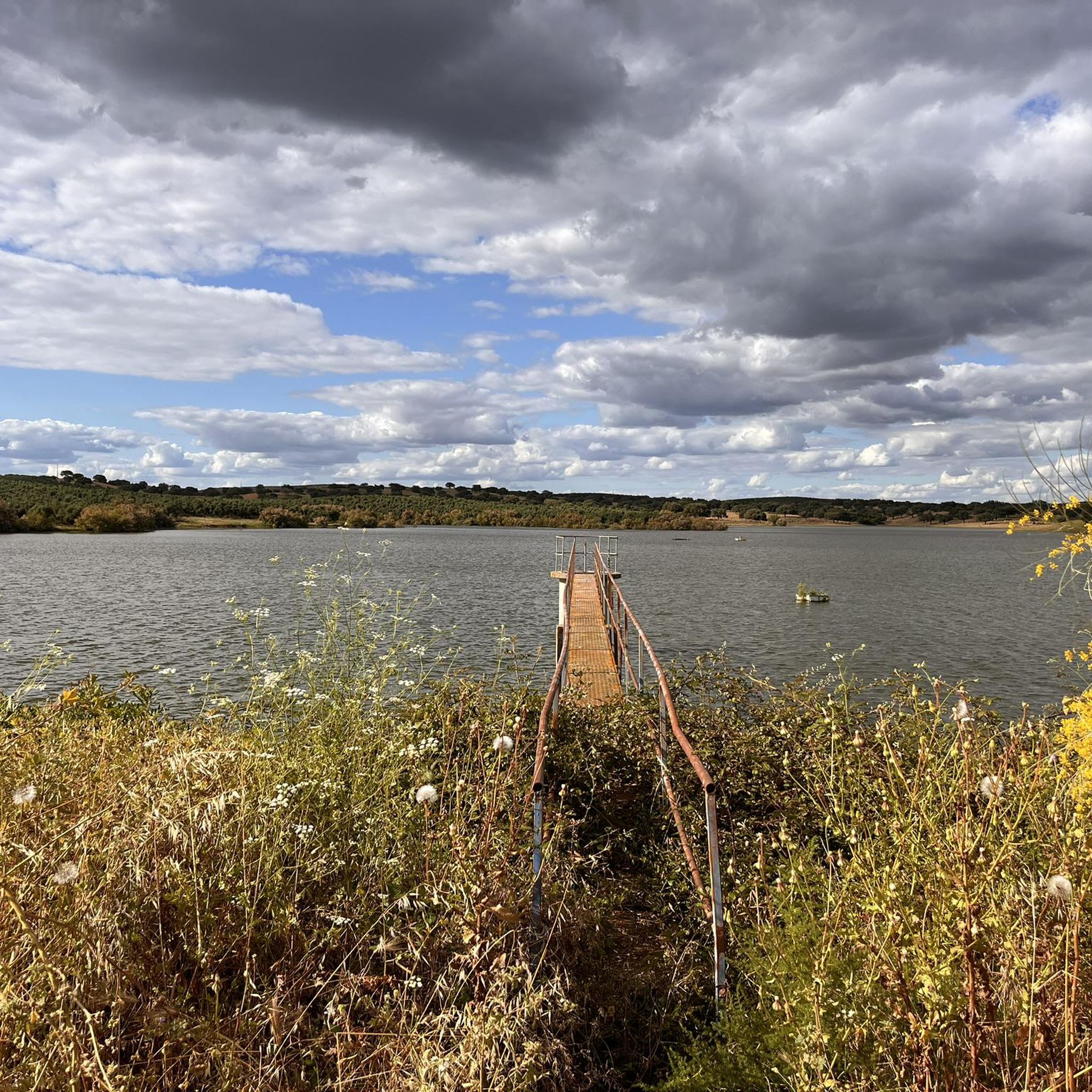
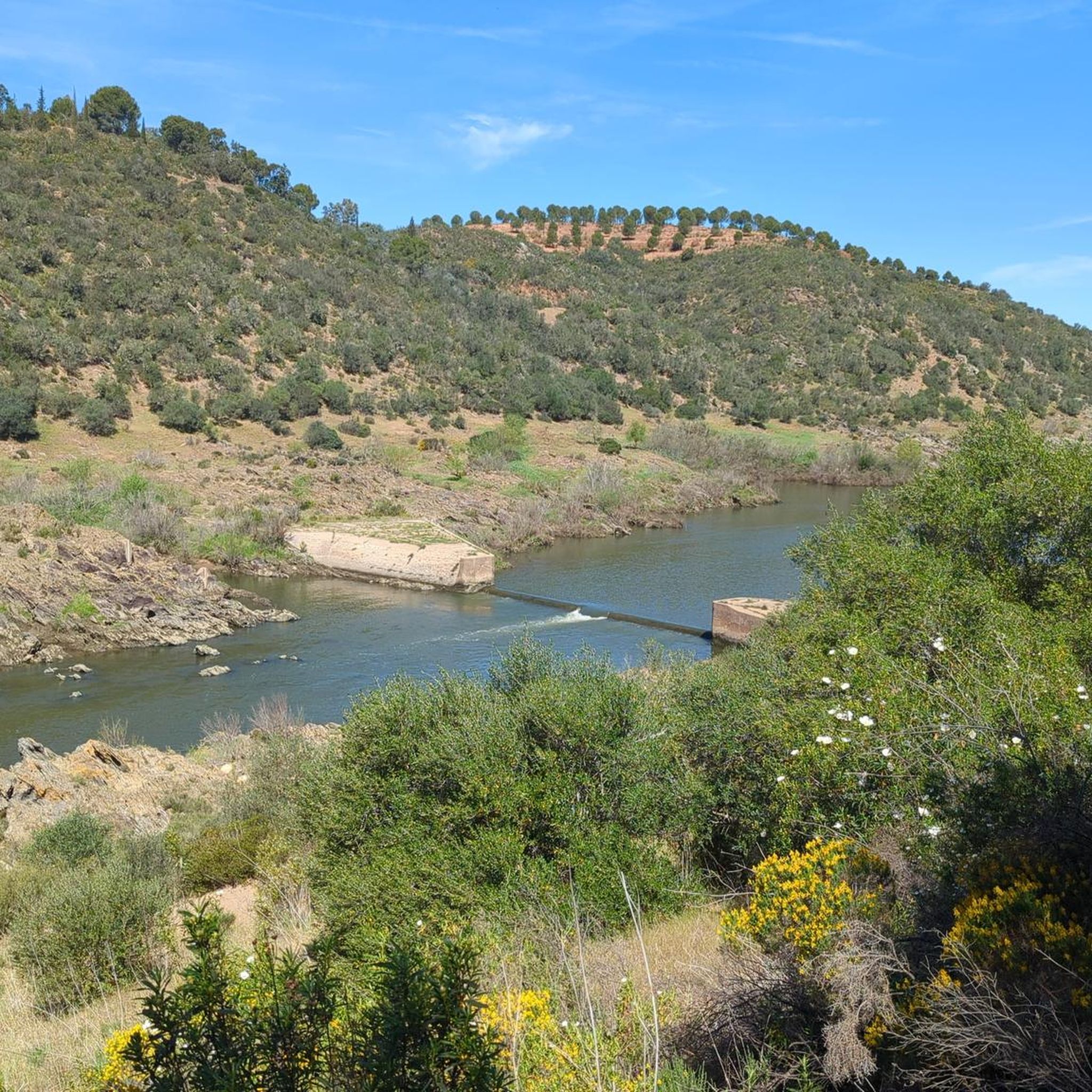
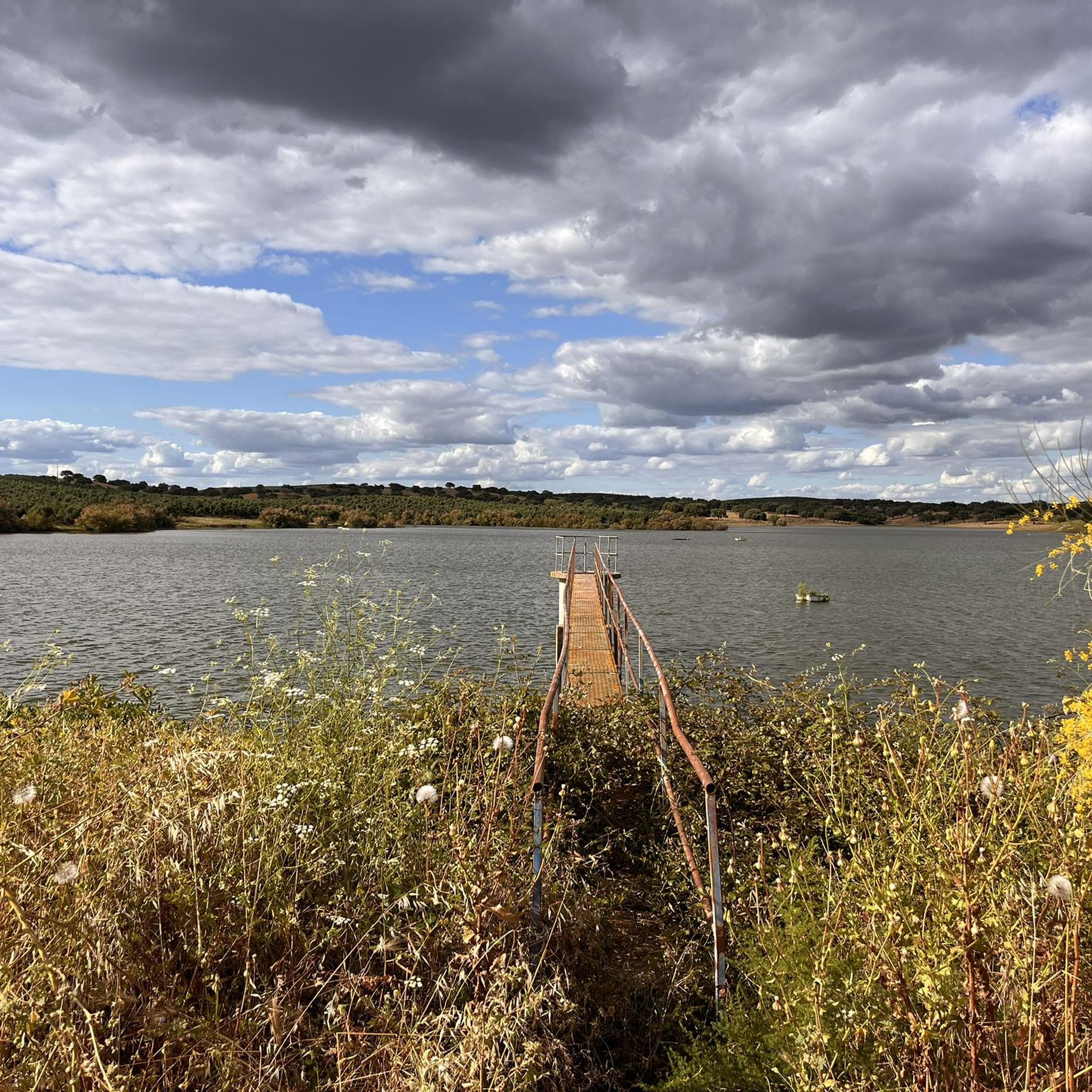
In the Guadiana Valley Natural Park, the main protagonist is, of course, the river that gives it its name. The fourth largest in the Iberian Peninsula, the Guadiana rises in Spain, crosses the south of Portugal from east to west to Badajoz and then flows down towards the Atlantic. Within the park, the river displays all its wild beauty: winding, serene and surrounded by breathtaking landscapes.
4
0

The statue represents the queen, life-size and majestic in appearance, cast in cast bronze, and was originally placed in front of the museum, occupying the site where it is today, flanking the entrance to the museum, in 1961. The inauguration took place on 8 December 1958, to mark the fifth centenary of the birth of Queen Leonor. The then recently created Calouste Gulbenkian Foundation was the precursor to this event, promoted by a national committee, which included the mayor of Beja at the time, José António Silva. But who was Queen Leonor and what does she represent for the city of Beja? This queen was born in Beja in 1458, the daughter of D. Fernando and D. Brites, the first dukes of Beja, princes of Portugal, who in the second half of the 15th century founded one of the richest convents in the south of the country, the Royal Monastery of Our Lady of the Conception, where the museum bearing her name is located. Wife of King D. João II, and queen consort of Portugal from 1481 to 1495, she made an indelible impression in the areas of culture and charity. In the cultural field, she is known for her protection of Gil Vicente and Damião de Gois, for her support of the arts and the press, and for having also been responsible for the printed and translated version of the work O Espelho de Cristina, considered by some contemporary authors to be the beginning of the feminist movement, by Christine de Pisan. In the area of charity, she founded the mother institution of the charities, the Santa Casa da Misericórdia de Lisboa, an entity replicated throughout the kingdom. In 2025, 500 years after his death (1525), his legacy is still very much alive, the Misericórdias continue to exist and play a leading role in the country's social life.
5
1
In 1281, when Serpa and all the lands on the Left Bank of the Guadiana were still under Castilian rule, Alfonso X established the demarcation of the municipality, so that it could be better populated, and granted it its first charter, that of Seville. After a century of military and diplomatic adventures, with the Christian Reconquest of the Alentejo, Serpa received a new charter from King Dinis in 1295.
3
0

Magnificent historical center. The Serpa Aqueduct is an unusual work of Portuguese engineering due to its private nature. It was built at the end of the 17th century to serve the Solar dos Condes de Ficalho, located on one of the sections of the Serpa city walls. The most interesting part of the structure is located next to the Beja Gate, where the aqueduct is supported by arches built on the wall. At the end of the aqueduct, there is a Moorish waterwheel, leaning against the wall and serving as a buttress for the aqueduct itself. (Source: roteirodoalqueva.com)
10
0

The route continues in (2nd part)
0
0
A little detour to see some architectural gems!
0
0
Frequently Asked Questions
What kind of terrain can I expect on touring cycling routes around Baleizão?
The touring cycling routes around Baleizão primarily feature the expansive plains and rolling hills characteristic of the Alentejo region. You'll cycle through quiet roads, cork oak forests, olive groves, and vineyards. While many routes offer gentle, flat sections, there are also more challenging paths through elevated areas, providing varied terrain for all preferences.
What is the best time of year for touring cycling in Baleizão?
The best times for touring cycling in Baleizão and the wider Alentejo region are spring (March to May) and autumn (September to November). During these seasons, temperatures are mild, and there are fewer crowds, making for a more enjoyable cycling experience through the picturesque landscapes.
Are there any easy touring cycling routes suitable for beginners around Baleizão?
Yes, there are several easy touring cycling routes around Baleizão. For instance, Circular Route 1 Serpa is an easy 8.5-mile (13.8 km) path with gentle gradients, perfect for a relaxed ride through open landscapes near Serpa. Another easy option is the Al-Mu’tamid Memorial loop from Beja, which covers 7.5 miles (12.1 km).
What historical sites or landmarks can I see while cycling near Baleizão?
Cycling around Baleizão offers opportunities to explore rich cultural and historical attractions. You can encounter hills capped by castles, providing stunning panoramic views. Notable landmarks include the Castle of Beja and Serpa Castle. The Statue of Queen Dona Leonor – Pedestrian zone Beja loop from Beja route, for example, leads through the historic surroundings of Beja, where you can also find the Statue of Queen Dona Leonor and the Pelourinho de Beja.
Are there any circular touring cycling routes available?
Yes, many of the touring cycling routes around Baleizão are designed as loops, allowing you to start and end in the same location. An example is Circular Route 1 Serpa, which is an easy loop near Serpa. Another is the Serpa loop from Serpa, a moderate 22.3-mile (35.9 km) route.
What do other touring cyclists say about the routes in Baleizão?
The touring cycling routes around Baleizão are highly regarded by the komoot community, with an average score of 4.2 stars from over 6 reviews. Cyclists often praise the quiet roads, expansive views, and the opportunity to experience the traditional Alentejo landscape, including cork oak forests and vineyards.
Is Baleizão suitable for family-friendly touring cycling?
Yes, Baleizão and the surrounding Alentejo region offer routes suitable for families. The area is known for its quiet roads and gentle, flat sections, particularly in the vast plains. Routes like Circular Route 1 Serpa are classified as easy and feature gentle gradients, making them ideal for a family outing.
Are there any specific permits required for cycling in the Baleizão area?
Generally, no specific permits are required for touring cycling on public roads and established trails in the Baleizão area. However, if you plan to cycle through private estates or protected natural reserves, it's always advisable to check local regulations or seek permission beforehand. For broader information on cycling in the region, you can consult the Visit Alentejo website.
Where can I find parking for my car when starting a cycling route in Baleizão?
While specific parking areas for each route are not detailed, Baleizão and nearby towns like Serpa and Beja typically offer public parking options. Look for designated parking zones within the villages or near popular starting points for trails. It's usually straightforward to find a suitable spot in these smaller communities.
Can I reach Baleizão and its cycling routes using public transport with my bike?
Public transport options in the Alentejo region, including near Baleizão, can be limited, especially for carrying bicycles. While some regional buses might accommodate bikes, it's not guaranteed. For more flexibility, driving to Baleizão and parking is often the most convenient option for cyclists. Always check with local transport providers for their specific bike policies.
Are there any cafes or restaurants along the touring cycling routes in Baleizão?
As you cycle through Baleizão and the surrounding villages, you'll find opportunities to stop at local cafes and restaurants. These establishments offer a chance to experience traditional Alentejo gastronomy and refuel. While not every route will have frequent stops, passing through towns like Serpa or Beja, or even Baleizão itself, will provide options for refreshments.
What kind of natural features will I encounter on the touring cycling routes?
The routes showcase the characteristic beauty of the Alentejo, including vast plains and rolling hills that offer expansive views. You'll cycle through significant cork oak forests, olive groves, and vineyards, which are central to the region's agriculture and provide picturesque scenery. While specific to Baleizão are not detailed, the broader Alentejo features rivers and valleys, adding to the varied terrain.
Most popular routes around Baleizão
Most popular attractions around Baleizão

Get inspired with the komoot mobile app


Explore more
Browse the best Cycling routes in other regions.
