Attractions and Places To See around Alfundão - Top 16
Best attractions and places to see around Alfundão include historical sites, natural features, and cultural landmarks within this civil parish of Ferreira do Alentejo, Portugal. The area is characterized by its agricultural landscape, featuring vineyards and olive groves. Alfundão holds a rich history, with Roman vestiges and traditional architecture contributing to its character. Visitors can explore a variety of points of interest that reflect the region's past and local culture.
Best attractions and places to see around Alfundão
- The most…
Last updated: July 1, 2026
Odivelas Reservoir
Highlight • Monument
Translated by Google •
Tip by

Alvito Castle and Pousada
Highlight • Castle
Tip by
Sign up now to discover places like this
Get recommendations on the best single tracks, peaks, & plenty of other exciting outdoor places.
Sign up for free
Alvito Bandstand
Highlight • Monument
The lower part currently houses public and accessible toilets.👍🇵🇹
Translated by Google •
Tip by

Ribeira de Odivelas
Highlight • River
Translated by Google •
Tip by

Chapel of São Sebastião
Highlight • Religious Site
Showing Translation
Tip by

Sign up for free to discover even more attractions around Alfundão.
Sign up for free
Already have an account?
Start today with a free account
Your next adventure awaits.
Login or Signup
Popular around Alfundão

Tips from the Community

The Castle of Alvito (Castelo de Alvito) is a historic fortified residence located in the Alentejo region of Portugal, which since 1993 has hosted the Pousada Castelo Alvito, a luxury hotel belonging to the prestigious Pousadas de Portugal network.
2
0

Alvito Castle is a military monument and an inn, located in the village of Alvito, in the Alentejo region, in Portugal. It is considered an example of a fortified palace, which combined the functions of a fortress and a wealthy house. It also stands out for its combination of styles, with several Gothic and Manueline elements, and Islamic inspiration. (Source: Wikipedia) Alvito Castle is currently an inn.
13
0
Hermitage built at the beginning of the 16th century, it presents an architecture that can be framed within the Gothic-Mudejar style, an Alentejan particularity of the Gothic style. It is located at the edge of the village in order to protect it, through the patron saint – St. Sebastian –, from the plague. It held a mural painting campaign from the beginning of the 17th century that covered its entire interior. What currently remains, evidences the way of fresco painting specific to this region, namely, with the recurrence of the theme of musician angels. (Source: www.e-cultura.pt)
14
0


The chapel of S. Sebastião is one of the monuments in Alvito that is part of the Fresco Route (see information about the Fresco Route), due to the beauty and heritage importance of the fresco paintings that can be seen inside. Located in the Rossio area, the chapel was probably built before 1535, although its authorship is unknown. It is a Manueline style building, with Mudejar influences (similar to the chapel of S. Brás, in Évora). The plan is simple, consisting of a single nave and a main chapel. The vaults of both the nave and the main chapel are painted in fresco, with figures of musical angels and are believed to have been designed by José de Escobar (a resident of Évora).
9
0
Situated at a high point in the midst of the Alentejo plains, and offering extensive views over the distant horizons, the graceful town of Alvito has grown around its palatial castle, where the Pousada de Alvito is now housed. The white houses give Alvito the distinct and unmistakable appearance of an Alentejo town, many of them having doors framed by Manueline-style arches, revealing their seventeenth-century origin. The settlement of this town dates back to the early days of the Portuguese monarchy. The town was granted its first charter by the king D. Dinis in 1327, later confirmed by D. Manuel in 1516. The Alvito Castle, whose construction began in 1494, is undoubtedly one of the most curious buildings of its kind in Portugal. Visiting it helps to evoke memories of the town´s historical past. The long Moorish presence in this region left its distinctive marks in the Mudejar architecture clearly visible in various monuments (which laymen can easily recognise through the small cupolas and white-painted conical pinnacles). The parish church of Nossa Senhora da Assunção, dating back to the early sixteenth century, has certain exterior decorative features that clearly identify it as an example of Mudejar architecture. A modest Renaissance doorway leads to the interior, its walls covered in azulejo panels whose beautiful patterns are a harmonious blend of blue and yellow. In the upper choir, there is a large seventeenth-century altarpiece of carved and gilded wood. The same Mudejar influence is also to be noted in the small fortified chapel of São Sebastião, crowned by an array of chamfered merlons. Inside, painted on the vaulted Gothic ceiling are frescos depicting musical angels. Attention is also drawn to the town hall with its picturesque clock tower, a typical feature of Alentejo architecture. Two almost adjoining churches, the Igreja da Misericórdia and the Igreja da Senhora das Candeias (the latter housing a museum of Sacred Art), are equally interesting buildings of some architectural merit, as is the small chapel of Santa Luzia on the outskirts of the town, which was originally a Muslim oratory.
9
0
Built on the bed of the Odivelas river and located near the village of the same name, the Odivelas dam is one of the largest dams in the Baixo Alentejo. Approximately 5 km long, 3 km wide, and with a flooded area of approximately 970 ha, the Odivelas reservoir is an important gathering point for a variety of aquatic birds. Here you can fish for bass, practice water sports or simply relax and enjoy a light meal in the picnic area in the leisure area.
7
1
The Odivelas Dam was the first Zagope project work, it is located in Baixo Alentejo, in the municipality of Ferreira do Alentejo, in Portugal. It was built on the riverbed of Odivelas River and came into operation in 1972. The water stored in the dam is mainly used for irrigation. The dam is 48 meters high and has a capacity of 96 million m³.
6
1
Frequently Asked Questions
What historical sites can I explore in and around Alfundão?
Alfundão boasts a rich history, particularly its Roman roots. You can find remnants such as a Roman bridge and sections of Roman pavement. Other significant historical landmarks include the Main Church (Igreja Matriz) and the Chapel of S. Sebastião. Just a short distance away, you can visit Alvito Castle, which combines Islamic, Gothic, and Manueline architectural styles.
Are there any natural attractions near Alfundão?
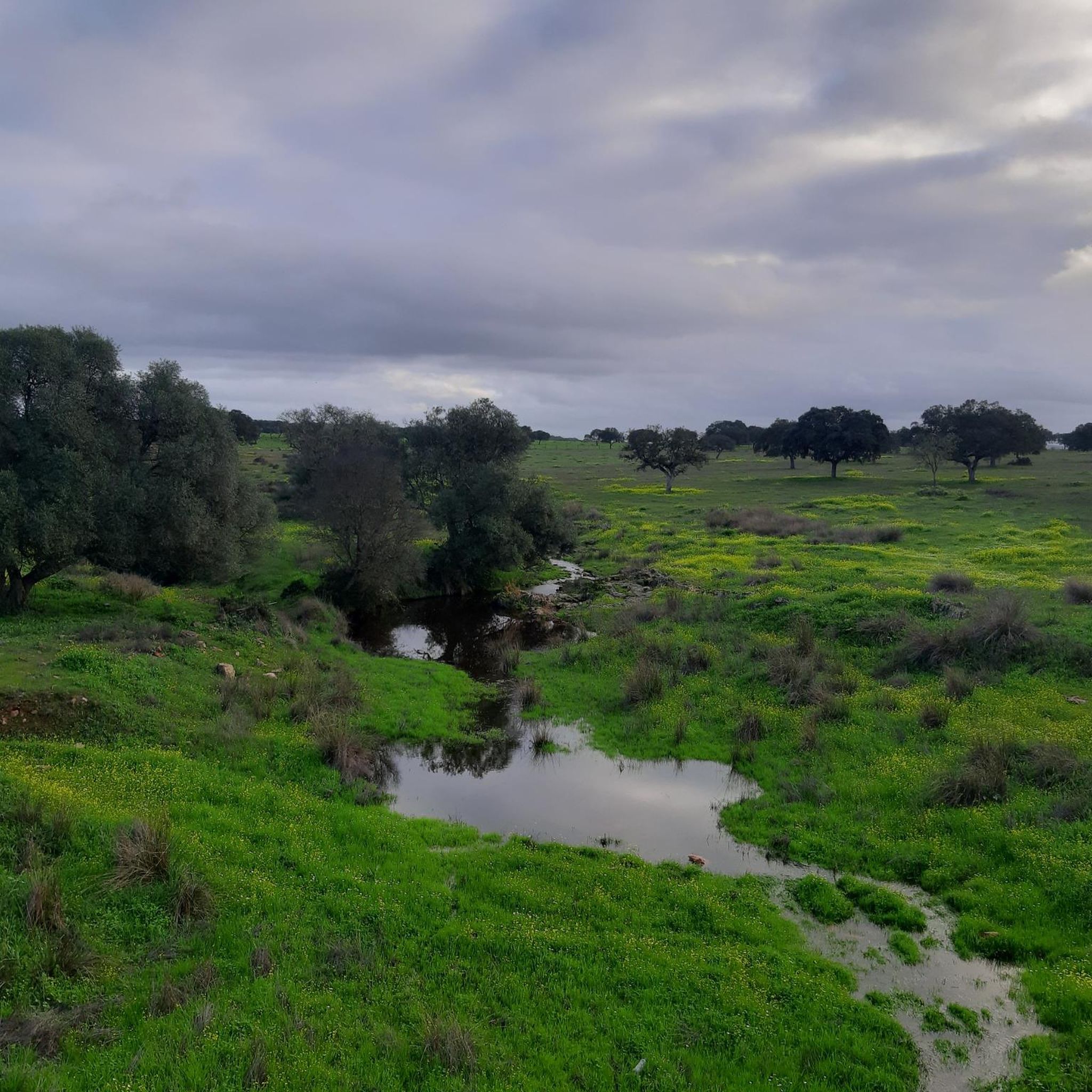
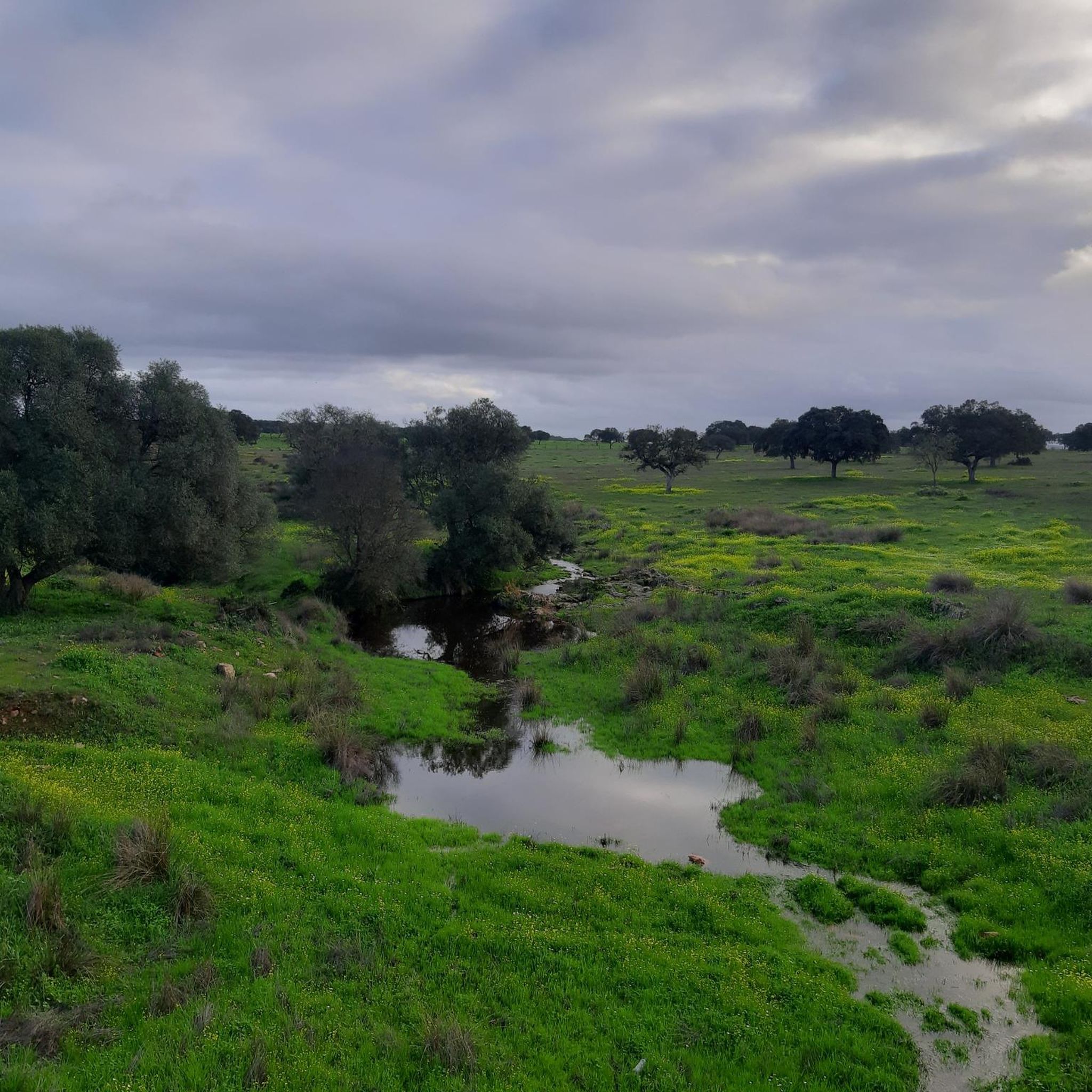
Yes, the area offers beautiful natural features. The Ribeira de Odivelas is a river that provides scenic hiking opportunities. Additionally, the Odivelas Reservoir is a significant man-made lake, serving as a gathering point for aquatic birds and offering options for fishing and water sports.
Can I go hiking or walking near Alfundão?
Absolutely. The Ribeira de Odivelas features beautiful hiking trails, many of which are marked and include passages through existing fences. For more structured routes, you can explore various walking paths in the region. You can find detailed guides for outdoor activities, including hiking, around Alfundão on komoot.
What activities can I do at Odivelas Reservoir?
The Odivelas Reservoir is ideal for relaxation and recreation. It's a popular spot for fishing, especially for bass, and you can also engage in various water sports. The area around the dam also features a picnic area, perfect for enjoying a light meal while observing the diverse aquatic birdlife.
Are there family-friendly attractions in the Alfundão area?
Yes, several attractions are suitable for families. The Odivelas Reservoir offers a pleasant environment for picnics and observing nature. Alvito Castle, with its historical charm and gardens, can also be an engaging visit for older children. The Alvito Bandstand area is also considered family-friendly.
What cultural experiences or local traditions can I observe in Alfundão?
Alfundão celebrates the Feast of Nossa Senhora da Conceição in August, offering a vibrant cultural experience. The area is also known for its local handicrafts, including miniatures made from cork and wood, and handmade footwear, which reflect the region's traditional artistry.
Can I visit Alvito Castle, and what is its significance?
Yes, Alvito Castle is a significant landmark. While it currently operates as a guesthouse (Pousada), its interior can be visited upon request to the receptionist. The castle is considered one of the best examples of Portuguese architecture, showcasing a unique blend of Islamic, Gothic, and Manueline styles, and offers a deep sense of history.
Are there cycling routes available around Alfundão?
Yes, the agricultural landscape around Alfundão is well-suited for cycling. You can find various routes for different cycling types, including touring, mountain biking (MTB), and road cycling. For detailed routes and guides, you can check komoot's dedicated pages like Cycling around Alfundão or MTB Trails around Alfundão.
When is the best time of year to visit Alfundão?
The Alentejo region, including Alfundão, generally experiences hot, dry summers and mild winters. The most pleasant times to visit for outdoor activities and sightseeing are typically spring (March to May) and autumn (September to November), when temperatures are more moderate and the landscape is vibrant.
What do visitors enjoy most about the attractions near Alfundão?
Visitors appreciate the blend of historical depth and natural beauty. The serene environment of the Odivelas Reservoir and the scenic trails along the Ribeira de Odivelas are highly rated. The historical significance of sites like Alvito Castle and the Roman vestiges also captivate those interested in the region's past.
Are there any wheelchair-accessible points of interest in the area?
The Alvito Bandstand in Praça da República, Alvito, is noted for having public and accessible toilets in its lower part, making the immediate area around it more accessible for visitors with mobility needs.
Where can I find accommodation near Alfundão?
For a unique stay, Alvito Castle operates as a Pousada (guesthouse), offering rooms within a beautifully renovated 15th-century castle. It provides a blend of historical ambiance with modern amenities, including an outdoor swimming pool and gardens.
Most popular routes around Alfundão

Get inspired with the komoot mobile app


Explore more
Still not found the Highlight you’re looking for? See guides of the top attractions in other regions:
