The best MTB trails around Mértola
4.0
(4)
20
riders
5
rides
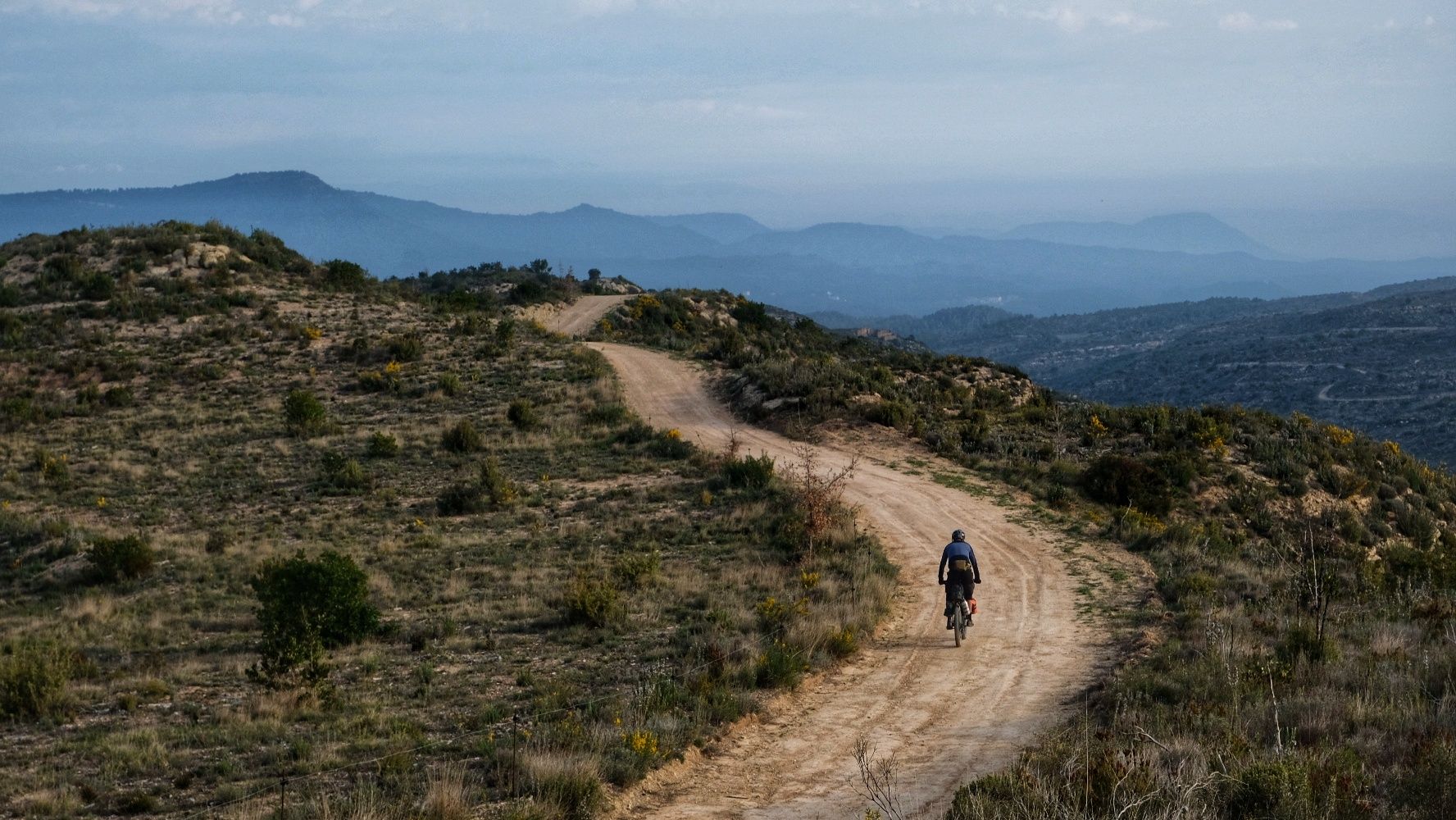
Mountain bike trails around Mértola offer diverse terrain within the Guadiana Valley Natural Park, characterized by rolling hills, river valleys, and extensive cork oak woodlands. The region's landscape includes undulating plains and deeply incised river valleys, providing varied environments for mountain biking. Riders can explore routes that traverse the historic mining area of Mina de São Domingos and follow the scenic Guadiana River. This varied topography ensures a wide array of trails suitable for different skill levels.
Best mountain bike…
Last updated: June 26, 2026
4.0
(1)
6
riders
Easy mountain bike ride. Great for any fitness level. Suitable for all skill levels.
4.0
(2)
4
riders
59.4km
04:54
760m
760m
Moderate mountain bike ride. Good fitness required. Suitable for all skill levels.

Sign up for free
4.0
(1)
4
riders
64.2km
04:44
720m
720m
Moderate mountain bike ride. Good fitness required. Suitable for all skill levels.
4
riders
Hard mountain bike ride. Very good fitness required. Suitable for all skill levels.
2
riders
63.6km
05:03
560m
560m
Hard mountain bike ride. Very good fitness required. Suitable for all skill levels.
Our route recommendations are based on thousands of hikes, rides, and runs completed by other people on komoot.
Start today with a free account
Your next adventure awaits.
Login or Signup

Other adventures around Mértola

Tips from the Community

The ruins of the Minas de São Domingos, located in the municipality of Mértola, Alentejo, constitute one of the most impressive and enigmatic abandoned industrial settings on the Iberian Peninsula. With origins dating back to Roman times, the complex experienced its peak under British management by the company Mason & Barry from 1854 onwards, becoming a true industrial enclave focused on the massive extraction of copper pyrite and sulfur until its closure in 1966. The abandonment gave way to an almost apocalyptic landscape, where reddish soils, acidic waters, and old degraded masonry structures attract photographers, the curious, and industrial tourism enthusiasts.👍🥾🚲
0
0
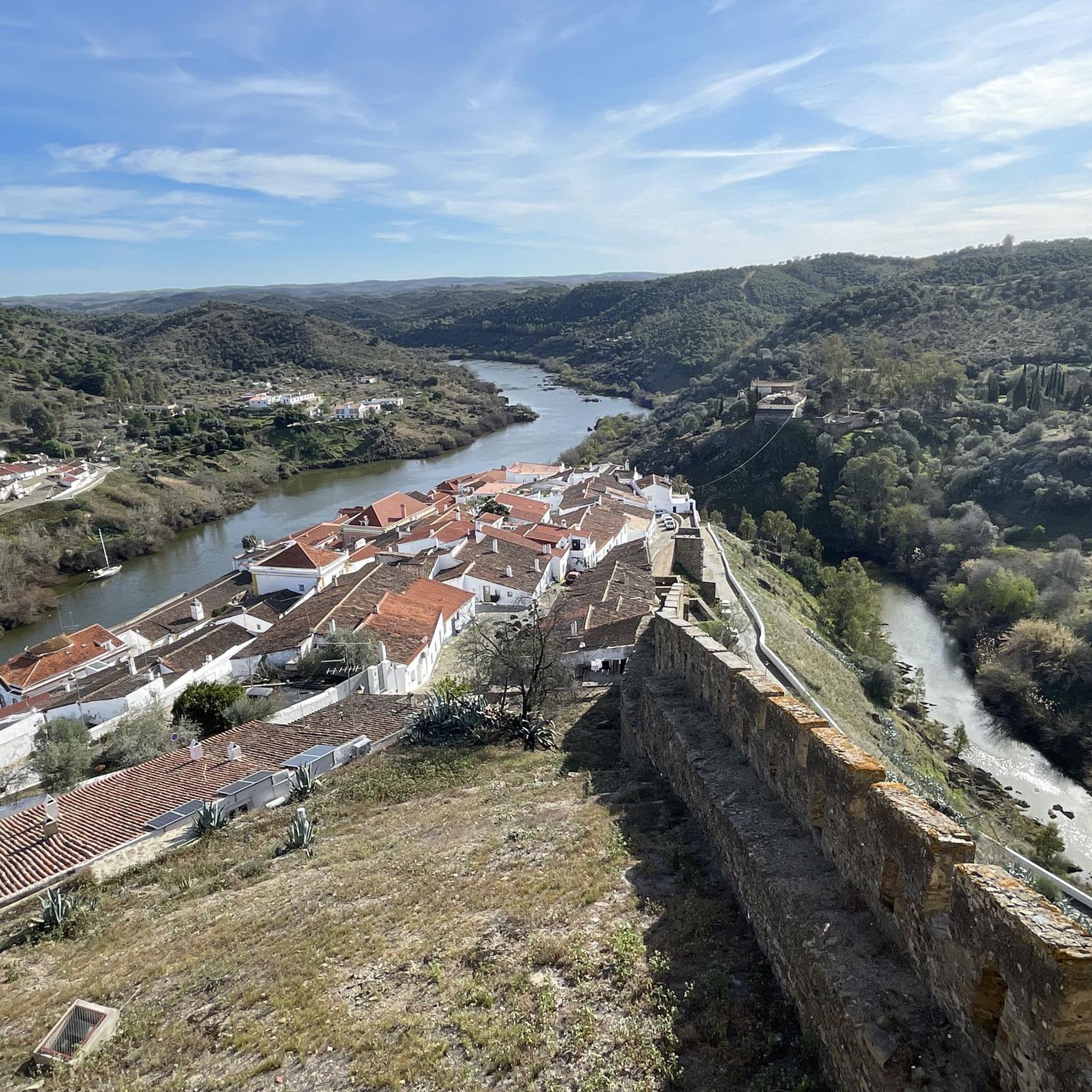
Mértola is a historic Portuguese border village located in the district of Beja, in the Baixo Alentejo sub-region. Popularly known as a "Museum Village", the settlement rises strategically on a rocky outcrop at the confluence of the Oeiras stream with the Guadiana River. As this is the last navigable post of the river, the village has played a crucial commercial and military role for various civilizations over the centuries.👍🥾🚲
0
0

The Church of the Holy Cross in Puebla de Guzmán (province of Huelva, Andalusia) is a temple of great historical, artistic, and spiritual value. Original construction: Late 16th and early 17th centuries. It was praised in 1645 by Francisco de Rada. Between 1748 and 1757, significant renovations were carried out, including a new main chapel whose roof was converted into a watchtower. It suffered severe damage during a fire in July 1936, at the beginning of the Spanish Civil War. It was rebuilt by the architect José María Pérez Carasa.
4
0


On the south bank of the Guadiana, before crossing into the city, you have a beautiful view of Mértola, especially with its castle at the top of the hill and the rest of the city spread out over the hill.
2
0
Mértola's chapels are located in high or hidden places. It is said that the higher they are, the closer to God and the more intense the devotion they inspire. Rarely used in daily life, they come to life especially during festive times, when the community gathers to celebrate. The chapel of Nossa Senhora do Amparo is no exception: situated in a privileged spot, it offers a superb panorama, capable of leaving anyone immersed in contemplative silence.
1
0
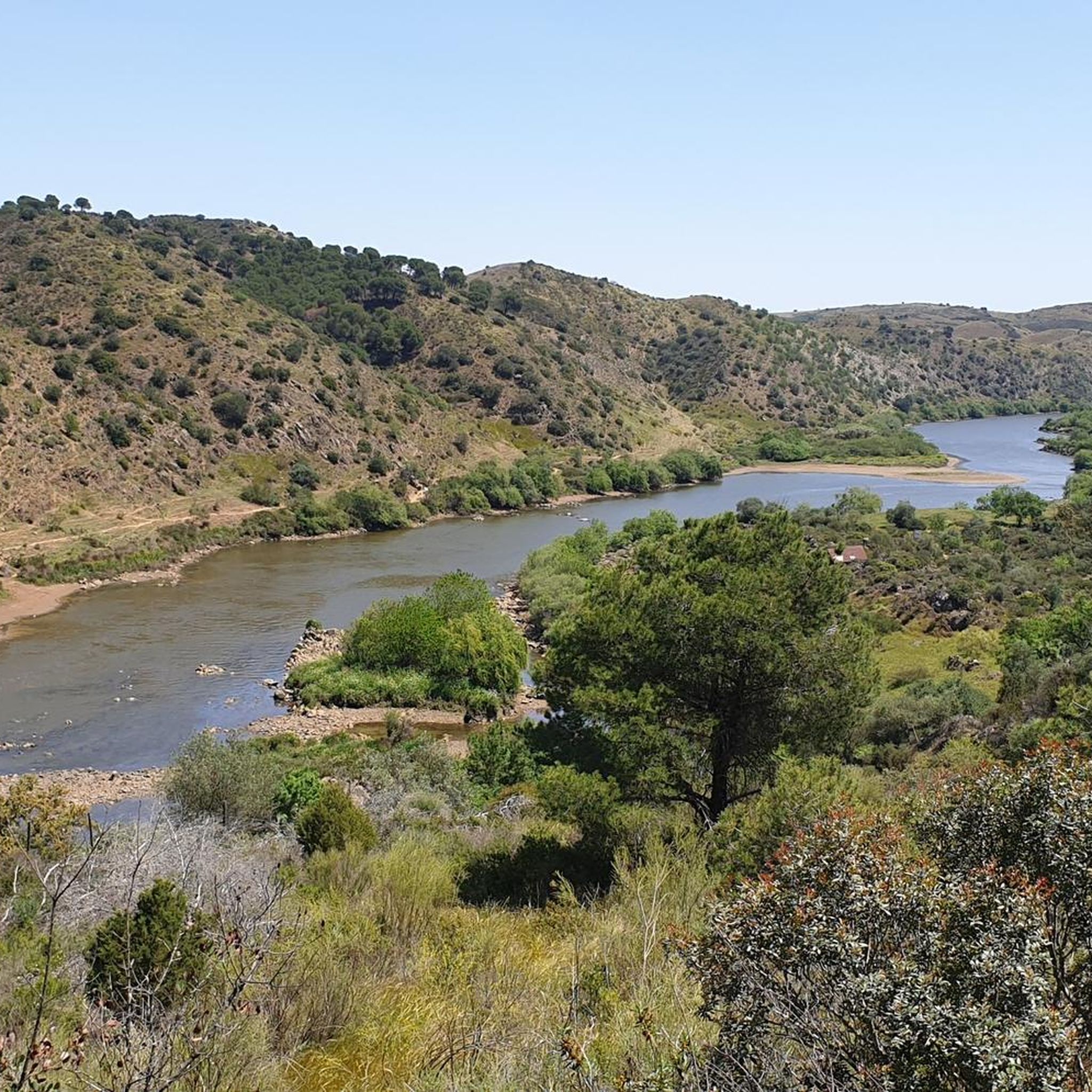
Along the Ribeira do Geraldo, the Tapada Grande Dam Reservoir holds an unexpected treasure: this serene river beach, with golden sands, fresh lawns, and every comfort for leisure. Once a vital reservoir for the old mining industry, today it is a setting for rest and harmony. Nearby stands the town of Minas de São Domingos, born of the mining past and still marked by the memory of this unique heritage.
1
0
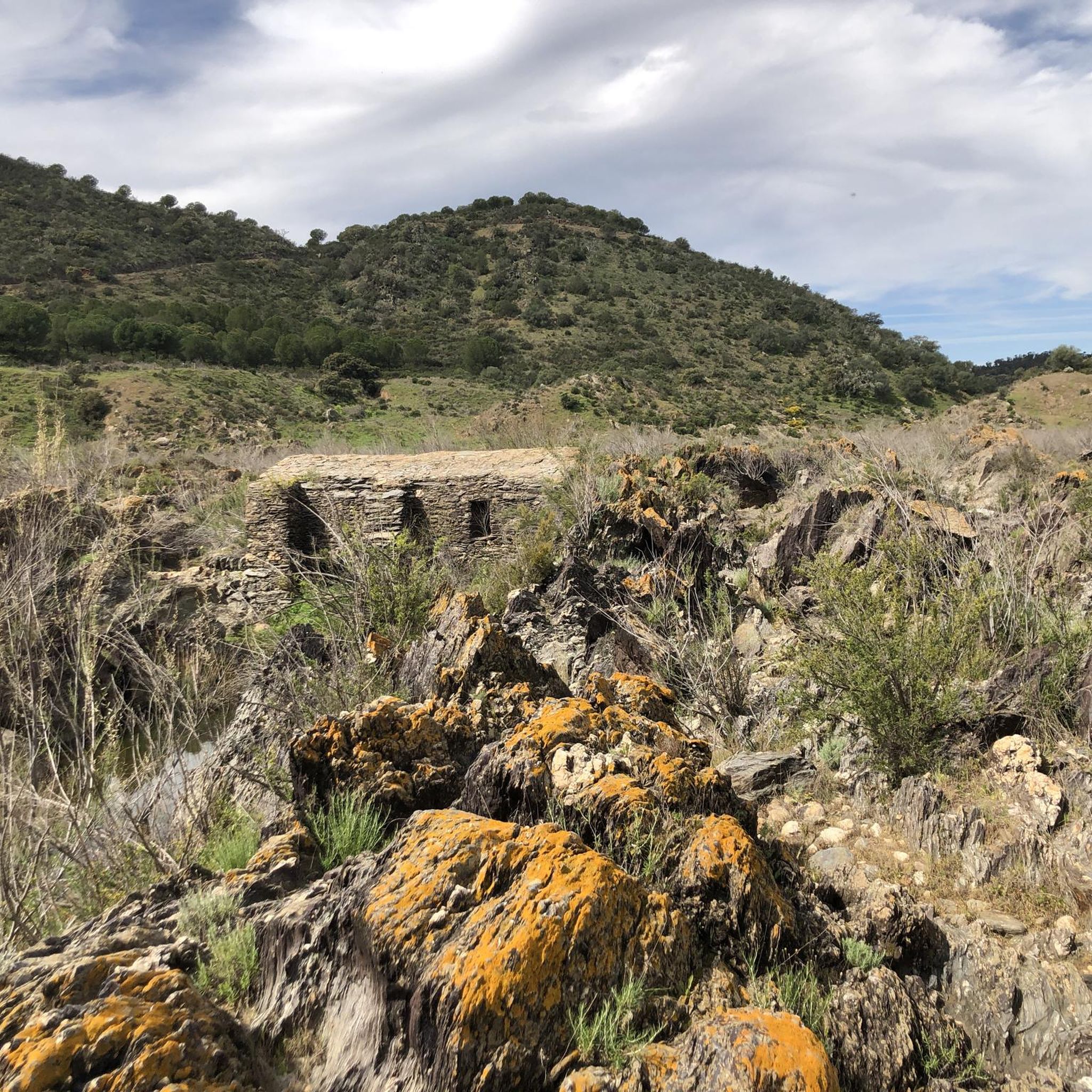
The São Domingos Mine is a living memory of a time of fire and iron. Here, where the earth opened up to reveal gold, silver, and copper since ancient times, one of the greatest legacies of the Iberian Pyrite Belt arose in the 19th century. Between 1854 and 1966, millions of tons of ore were extracted here, leaving not only its mark on the soil and landscape, but also progress: one of the country's first railway lines and the first power plant in the Alentejo. Today, the former mining complex is a public heritage site, a place of contrasts and rare beauty.
2
0
Frequently Asked Questions
How many mountain bike trails are available in Mértola?
There are 5 mountain bike trails around Mértola, catering to various skill levels. You'll find 1 easy route, 2 moderate routes, and 2 difficult routes to explore the region's diverse landscapes.
Are there any easy mountain bike trails suitable for beginners or families in Mértola?
Yes, for an easier ride, consider the Rest area by the lake – Copper lakes of the mine loop from Parque Estacionamento da Praia fluvial da Tapada Grande. This 18.9 km route offers a gentle introduction to mountain biking in the area, with minimal elevation gain.
What are some popular moderate mountain bike routes in Mértola?
Two popular moderate routes include the Mertola – Mina de São Domingos loop from Mértola, which covers 59.4 km, and the View of Mértola Castle – Mertola loop from Mértola, a 64.2 km ride offering scenic views.
Are there challenging mountain bike trails for experienced riders in Mértola?
Yes, experienced riders can tackle routes like the Vía Verde del Bajo Guadiana – Minas de São Domingos loop from Parque Estacionamento da Praia fluvial da Tapada Grande, a demanding 102.8 km trail with over 1100 meters of elevation gain. Another challenging option is the Mountainbike loop from Cabeça Gorda, spanning 63.5 km.
What natural features or landmarks can I see while mountain biking in Mértola?
Mértola's trails often pass through the Guadiana Valley Natural Park, offering views of the Guadiana River and cork oak woodlands. You might encounter historical sites like the Mina de São Domingos, or natural wonders such as the Copper lakes of the mine. The dramatic Pulo do Lobo Waterfall is also a significant natural monument nearby.
Are there any historical sites or cultural attractions accessible by mountain bike in Mértola?
Many routes offer glimpses of Mértola's rich history. You can ride past the impressive Mértola Castle, or explore the unique landscape of the former Mina de São Domingos, a historical copper mine. The village itself is a 'museum-village' with Roman, Islamic, and Christian heritage.
What is the best time of year for mountain biking in Mértola?
The Mértola region, part of the Baixo Alentejo, generally offers good conditions for mountain biking outside of the peak summer heat. Spring and autumn provide pleasant temperatures and vibrant landscapes. Winter can also be suitable, especially for stargazing as Mértola is part of the Dark Sky Alqueva Reserve.
What do other mountain bikers enjoy most about the trails in Mértola?
The komoot community rates mountain biking in Mértola highly, with an average score of 4.0 stars. Riders often praise the diverse terrain, the scenic beauty of the Guadiana Valley Natural Park, and the opportunity to combine outdoor activity with historical exploration.
Are there any circular mountain bike routes in Mértola?
Yes, all the listed mountain bike routes in Mértola are circular, allowing you to start and finish at the same point. This includes options like the Rest area by the lake – Copper lakes of the mine loop and the longer Mertola – Mina de São Domingos loop.
Where can I find parking for mountain biking trailheads in Mértola?
Several routes, such as the easy Rest area by the lake – Copper lakes of the mine loop and the difficult Vía Verde del Bajo Guadiana – Minas de São Domingos loop, start from Parque Estacionamento da Praia fluvial da Tapada Grande, which offers convenient parking.
What kind of terrain can I expect on Mértola's mountain bike trails?
Mértola offers a varied terrain, from undulating plains and deeply incised river valleys to Mediterranean forests and cork oak woodlands within the Guadiana Valley Natural Park. You'll encounter a mix of dirt tracks, gravel paths, and potentially some more technical sections, especially on difficult routes.
Most popular attractions around Mértola

Get inspired with the komoot mobile app


Explore more
Browse the best MTB trails in other regions.
