Attractions and Places To See around Serpa (Salvador) - Top 20
Attractions and places to see around Serpa (Salvador) include a variety of historical landmarks, natural features, and cultural sites within the Alentejo region of Portugal. The area is characterized by its historic town, medieval architecture, and proximity to the Guadiana River and natural parks. Visitors can explore ancient fortifications, significant industrial heritage, and scenic natural landscapes.
Best attractions and places to see around Serpa (Salvador)
- The most popular attractions is Mina de São Domingos, a historical site that represents…
Last updated: July 1, 2026
Pulo do Lobo Waterfall
Highlight • Waterfall
Translated by Google •
Tip by

Serpa Castle
Highlight • Castle
Translated by Google •
Tip by
Sign up now to discover places like this
Get recommendations on the best single tracks, peaks, & plenty of other exciting outdoor places.
Sign up for free
Achada do Gamo Copper Mine Ruins
Highlight (Segment) • Monument
Tip by

Mina de São Domingos
Highlight • Historical Site
Translated by Google •
Tip by

Ermida de São Pedro de Serpa
Highlight • Religious Site
Translated by Google •
Tip by
Sign up for free to discover even more attractions around Serpa (Salvador).
Sign up for free
Already have an account?
Start today with a free account
Your next adventure awaits.
Login or Signup
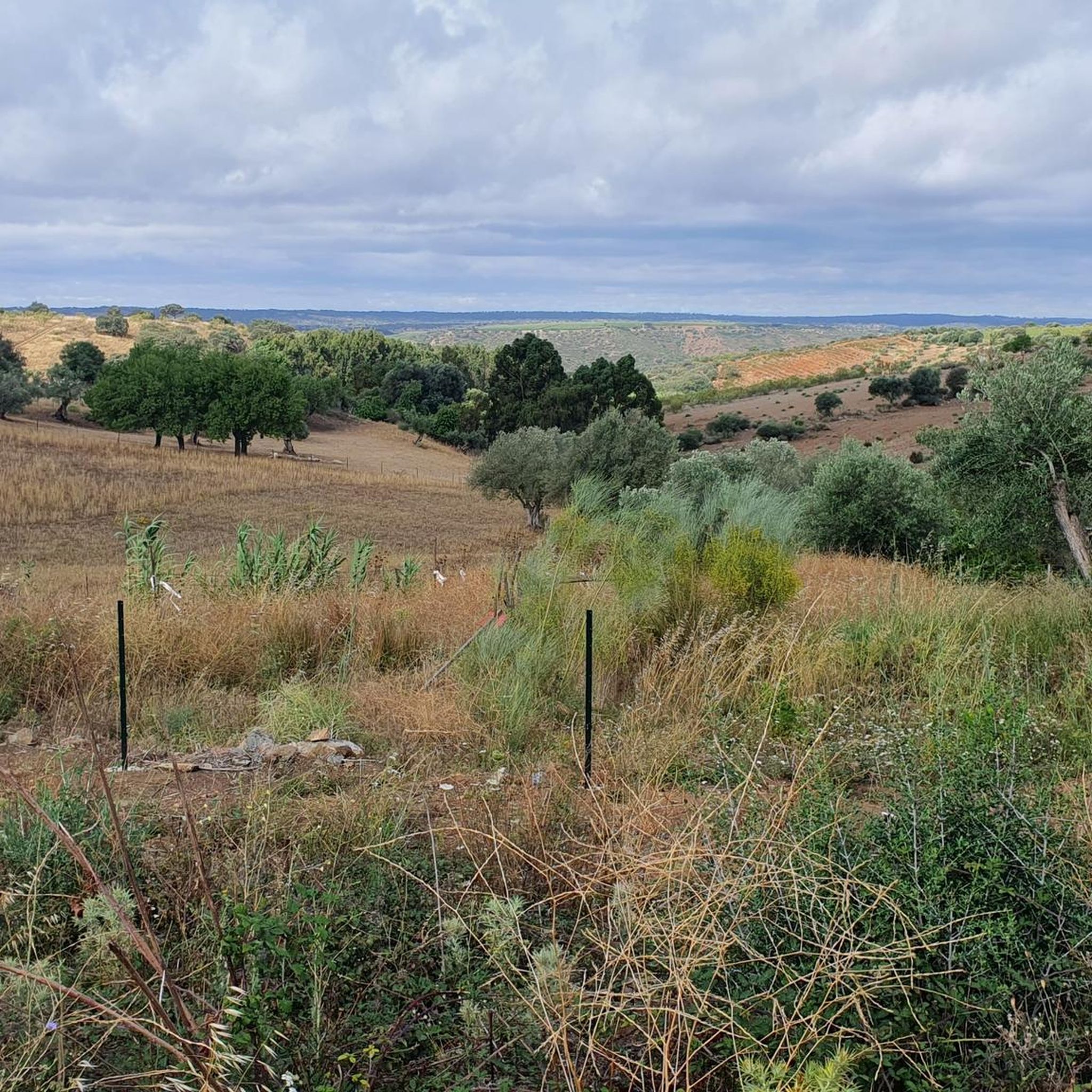
Tips from the Community

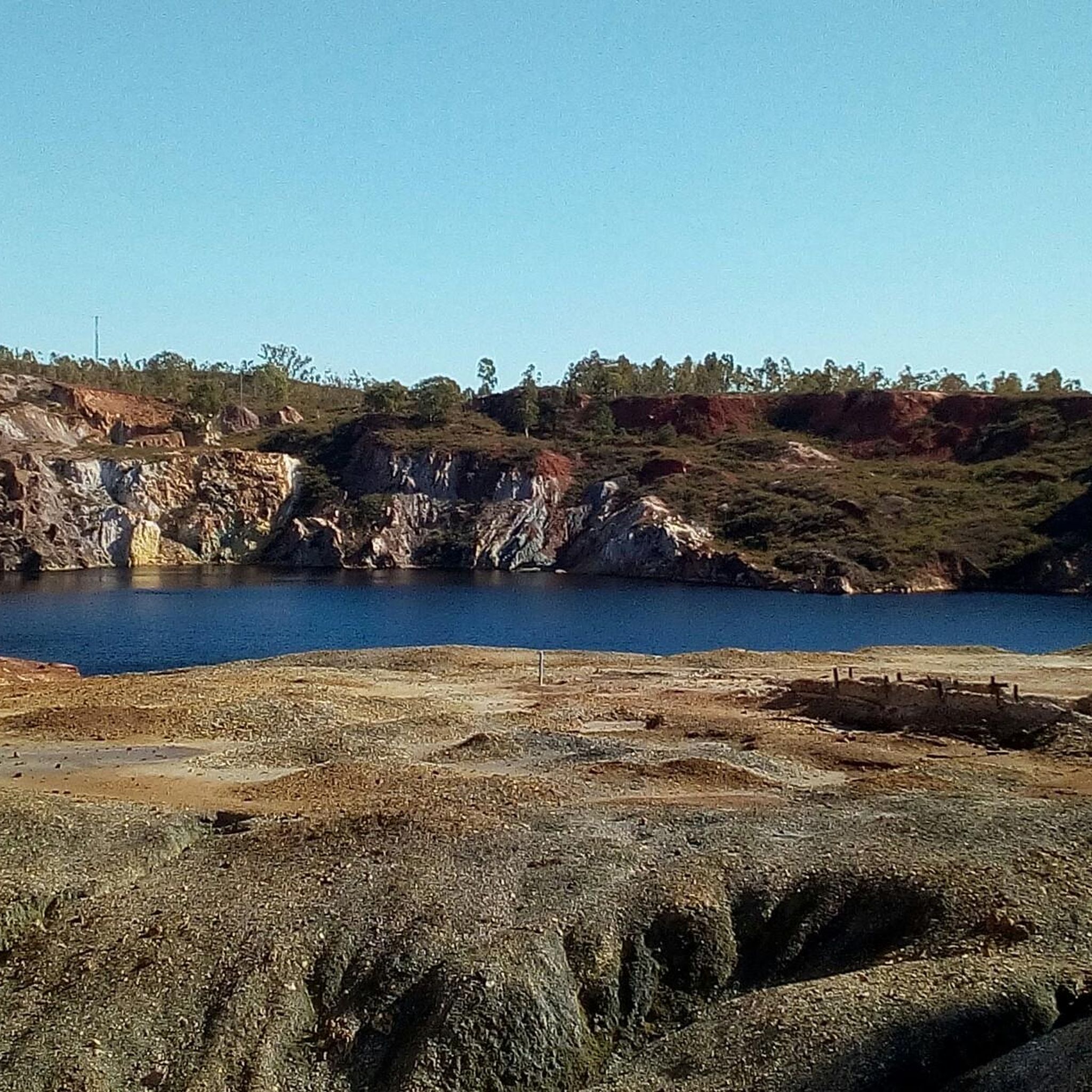
The São Domingos Mine is a living memory of a time of fire and iron. Here, where the earth opened up to reveal gold, silver, and copper since ancient times, one of the greatest legacies of the Iberian Pyrite Belt arose in the 19th century. Between 1854 and 1966, millions of tons of ore were extracted here, leaving not only its mark on the soil and landscape, but also progress: one of the country's first railway lines and the first power plant in the Alentejo. Today, the former mining complex is a public heritage site, a place of contrasts and rare beauty.
2
0

The castle houses the Municipal Museum of Archaeology. The castle walls are accessible. The elevator was out of service at the end of May 2025.
5
9

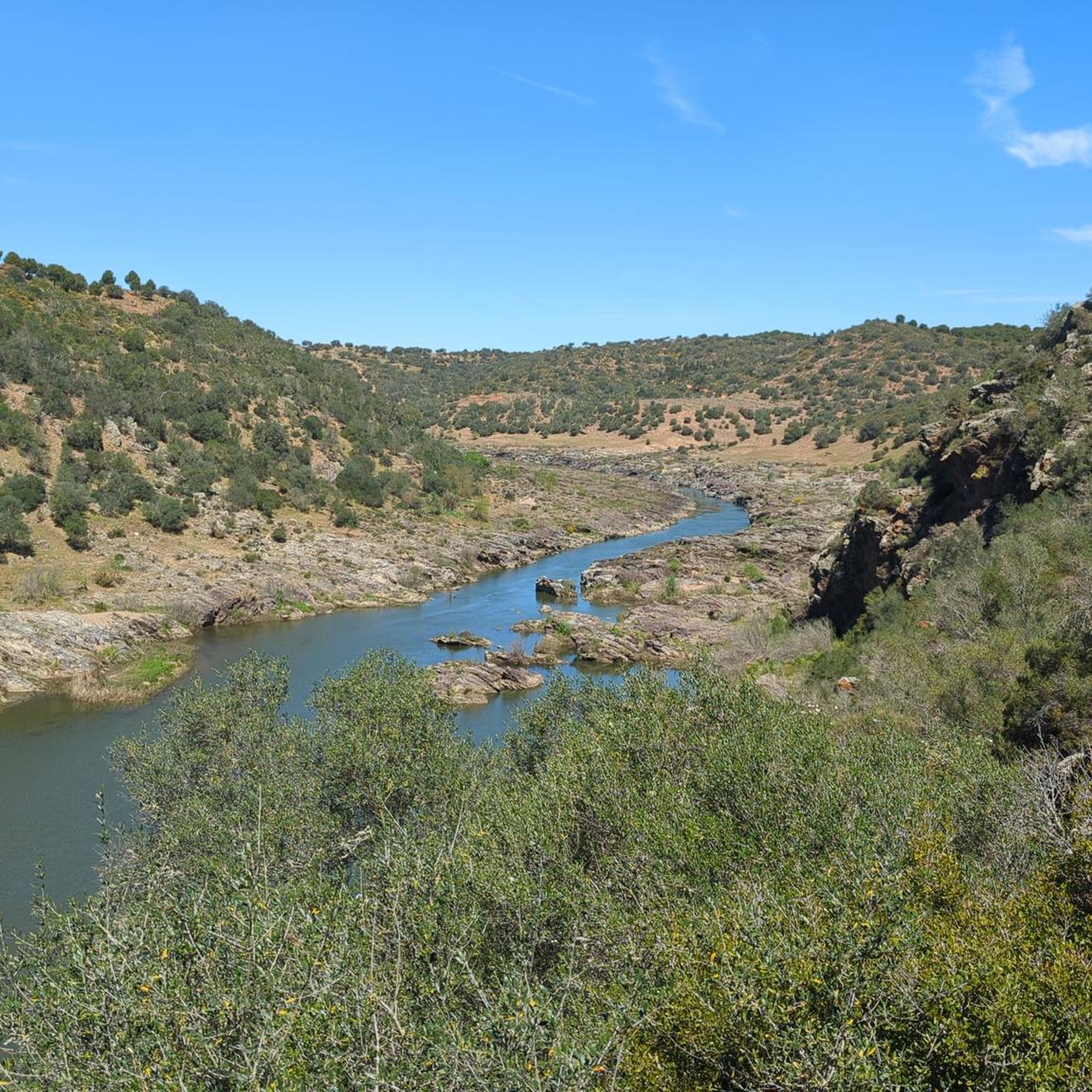
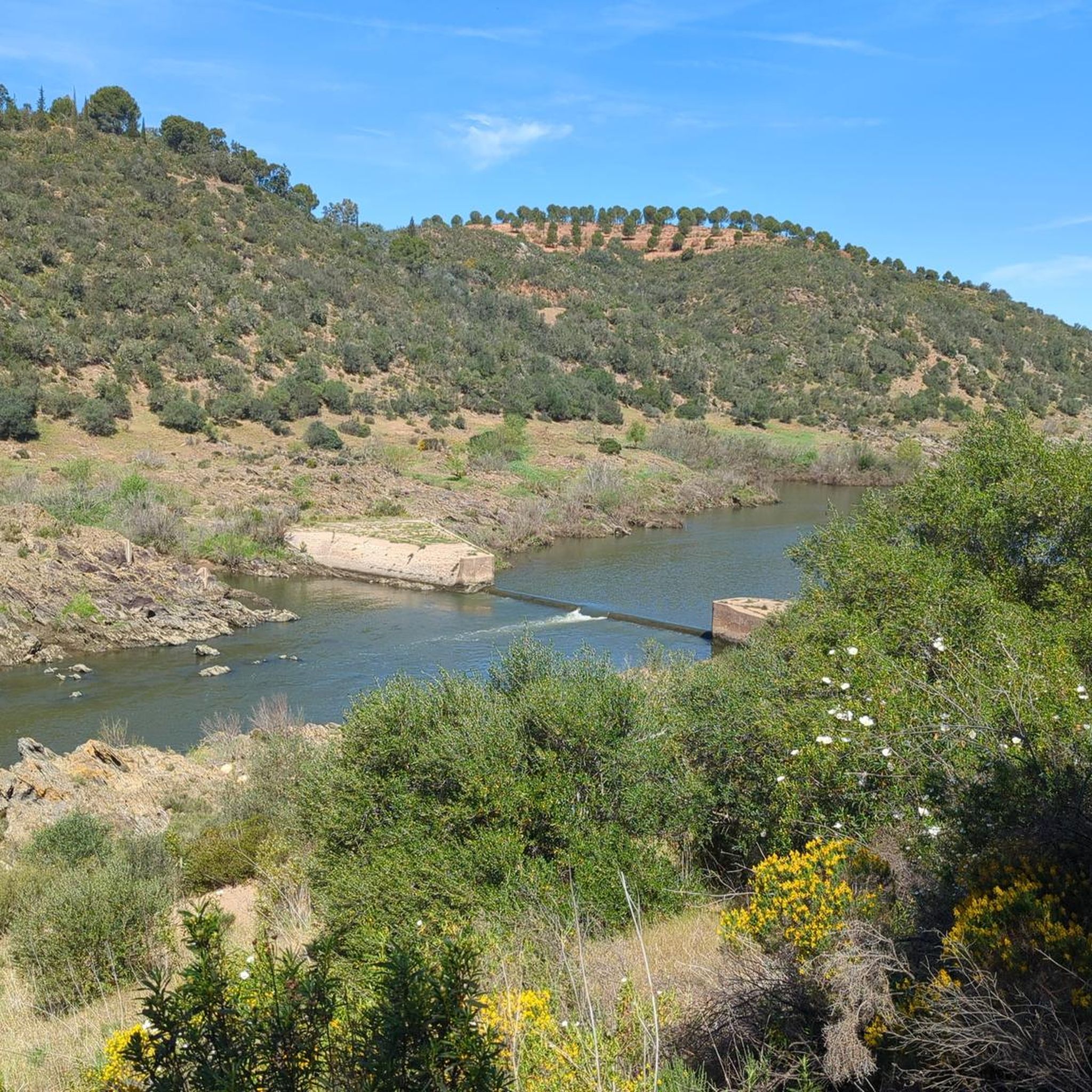
You can access Pulo do Lobo from either side of the river: from Aldeia da Amendoeira, on the Mértola-Beja road (left bank), or from Serpa, in the village of Vale de Poços, where you'll find signs indicating exactly where to turn right (right bank). Both paths are well signposted, and both have several viewpoints. The best view of the waterfall, however, is undoubtedly from the viewpoint on the right bank. Further ahead, you'll see Pego dos Sáveis, the spot where the water suddenly calms down again, forming a tranquil lake.
4
0

Reigning over the town, Serpa’s castle is a charming ruin after being sacked by the Spanish and lying abandoned since the 1600s. But that takes nothing away from the monument, as its battlements are still intact and you can scramble up to survey the town and the Alentejo countryside. There has been some kind of fortress up here since at least the Romans, but this castle’s timeline begins with the Moors in the 700s. During the Reconquista in the 12th and 13th centuries the it was besieged by both Christian and Moorish forces before Afonso III finally conquered the Algarve to the south. Get a good look at the fabric of the walls, as you might discover some recycled Roman funerary stones with inscriptions still legible.
16
0
The Hermitage of São Pedro in Serpa is a historic church located in the parish of União das freguesias de Salvador e Santa Maria, in the municipality of Serpa, in the district of Beja. This hermitage is an example of Manueline, Mannerist and popular religious architecture, with vernacular characteristics. The hermitage is known for its stone masonry walls, white and pink lime walls, gilded altar, stone baptismal font and images of the four apostles. The paintings and murals in the vault of the main nave are also notable...
13
0
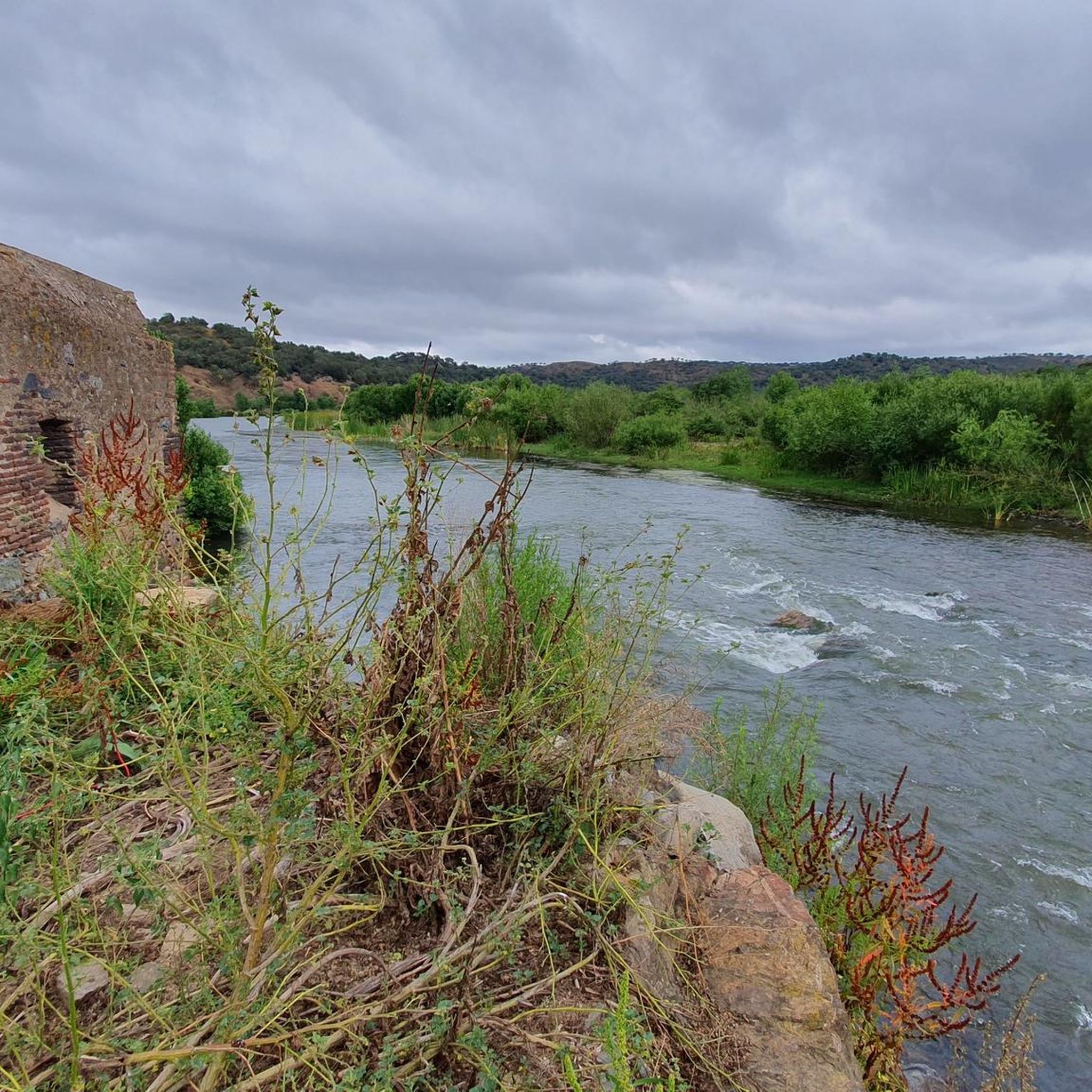
Pulo do Lobo. This is the largest waterfall in southern Portugal and is located on the Guadiana River, upstream from Mértola. The waters fall from a height of over 20 metres and, surrounded by a sea of foam, descend the rocky gorge to the bottom, emptying into a lake between the rocks. The banks of the waterfall are so narrow that, according to legend, even a wolf could cross them in one leap. Hence the name Pulo do Lobo. The landscape of Pulo do Lobo is spectacular, the riverbed after the waterfall is completely exposed, in rock, between which the Guadiana River meanders, in a groove created over thousands of years. Access to Pulo do Lobo can be from the east or west. To the east, take a detour on the road that connects Serpa to Mértola. Access to the waterfall is difficult and you have to walk, crossing the rocky riverbed to reach the waterfall. We recommend caution. To the west, take a detour on the road that connects Beja to Mértola and continue to the village of Amendoeira da Serra, following the signs to Pulo do Lobo. You will then reach Herdade de Pulo do Lobo, open the gate and it is about 1000m on a dirt road to the waterfall. Access is prohibited to heavy vehicles. Access to the waterfall from the west is easier, and there is even a structure to better observe the waterfall.
5
0

Unforgettable connection between Mina and Santana de Cambas. Route of the old railway line. The ACHADA DO GAMO site is post-apocalyptic (blast sulphur furnaces from the 1940's).
2
0
Frequently Asked Questions
What natural attractions can I explore around Serpa (Salvador)?
The region offers several natural highlights. Don't miss the impressive Pulo do Lobo Waterfall on the Guadiana River, known as the largest waterfall in southern Portugal. For a relaxing day by the water, visit the Rest area by the lake at Barragem da Tapada Grande, which features a sandy beach and facilities. Further afield, the Guadiana Valley Natural Park offers scenic trails and wildlife, and the expansive Alqueva Lake provides opportunities for water activities.
Are there historical sites to visit in Serpa (Salvador)?
Yes, Serpa is rich in history. Explore Serpa Castle, a medieval fortress offering panoramic views. The well-preserved Serpa City Walls, which incorporate an aqueduct, are also a must-see. Another significant historical site is Mina de São Domingos, a former mining complex that showcases a unique industrial heritage.
What kind of museums can I find in Serpa?
Serpa hosts several unique museums. The Clock Museum, housed in a 15th-century convent, boasts a collection of approximately 2,400 mechanical timepieces. For a glimpse into the region's past, visit the Serpa Archaeological Museum, displaying artifacts from various historical periods. The Serpa Ethnographic Museum, located in the former municipal market, showcases ancestral skills and traditions of the Alentejo.
Are there hiking opportunities near Serpa (Salvador)?
Absolutely! There are several hiking routes available. You can find easy trails like the "View of the Guadiana Valley – Pulo do Lobo Waterfall loop" or the "Serpa Castle – Historic center of Serpa loop." For more options, explore the Hiking around Serpa (Salvador) guide, which includes routes of varying difficulties.
What cycling routes are available around Serpa (Salvador)?
Cyclists can enjoy a variety of road cycling routes in the area. Options include moderate routes like the "Alto do Esconcha – Serpa loop" or the "Serpa – Pias loop." For a comprehensive list of routes, check out the Road Cycling Routes around Serpa (Salvador) guide.
Are there family-friendly attractions or activities in Serpa (Salvador)?
Yes, families can enjoy the Rest area by the lake (Barragem da Tapada Grande), which offers a sandy beach, lawns, and facilities perfect for a day out. The Ermida de São Pedro de Serpa is also noted as family-friendly, and easy hiking trails are available for all ages.
Where can I find the best scenic views in Serpa (Salvador)?
For breathtaking views, ascend to Serpa Castle, which offers panoramic vistas of the town and the Alentejo countryside. The viewpoints at Pulo do Lobo Waterfall provide spectacular sights of the Guadiana River. Additionally, the Ermida de Nossa Senhora de Guadalupe shrine on São Gêns mountain offers beautiful views of the surrounding area.
What is the best time of year to visit Serpa (Salvador) for outdoor activities?
The Alentejo region, including Serpa, experiences hot summers. For outdoor activities like hiking and cycling, the spring (March to May) and autumn (September to November) months are ideal. During these periods, the weather is milder and more pleasant for exploration.
What religious buildings are notable in Serpa (Salvador)?
Serpa features several significant religious structures. The main church is Igreja de Santa Maria, located near the castle. Another notable church is Igreja da Misericórdia. You can also visit the historic Ermida de São Pedro de Serpa, known for its Manueline and Mannerist architecture, and the charming Ermida de Nossa Senhora de Guadalupe shrine.
What do visitors enjoy most about the attractions around Serpa (Salvador)?
Visitors particularly appreciate the historical depth of sites like Serpa Castle, with its intact battlements and views. The natural beauty of Pulo do Lobo Waterfall and the tranquil Rest area by the lake are also highly rated for their scenic appeal and opportunities for relaxation. The unique industrial heritage of Mina de São Domingos also captivates many.
Are there any unique architectural features in Serpa (Salvador)?
Yes, Serpa boasts unique architectural elements. The Serpa City Walls are particularly noteworthy, as they incorporate an aqueduct built along their top on the western side. This aqueduct was originally constructed to supply water to a single residence, the Solar dos Condes de Ficalho, making it an unusual and historically interesting feature.
Most popular routes around Serpa (Salvador)
Most popular attractions around Serpa (Salvador)

Get inspired with the komoot mobile app


Explore more
Still not found the Highlight you’re looking for? See guides of the top attractions in other regions:
