The best walks and hikes around Barcelinhos
4.1
(32)
113
hikers
13
hikes
Hiking around Barcelinhos offers a variety of routes, primarily characterized by its riverine landscapes and surrounding rural areas. The terrain often includes paths along the Cávado River, connecting historical town centers with green spaces and agricultural land. While not featuring high peaks, the region provides gentle ascents and descents through rolling countryside. The area is suitable for exploring on foot, with trails often passing through local villages and natural settings.
Best hiking trails around Barcelinhos
- The most popular hiking route…
Last updated: May 23, 2026
4.7
(7)
20
hikers
Easy hike. Great for any fitness level. Easily-accessible paths. Suitable for all skill levels.
4.6
(5)
16
hikers
13.0km
03:57
440m
440m
Moderate hike. Good fitness required. Easily-accessible paths. Suitable for all skill levels.

Sign up for free
4.2
(5)
10
hikers
Moderate hike. Good fitness required. Easily-accessible paths. Suitable for all skill levels.
2.5
(2)
4
hikers
8.73km
02:24
140m
140m
Moderate hike. Good fitness required. Easily-accessible paths. Suitable for all skill levels.
4
hikers
12.2km
03:18
160m
160m
Moderate hike. Good fitness required. Easily-accessible paths. Suitable for all skill levels.
Get access to more routes and recommendations from other explorers.
Sign up for free
Already have an account?
Our route recommendations are based on thousands of hikes, rides, and runs completed by other people on komoot.
Start today with a free account
Your next adventure awaits.
Login or Signup
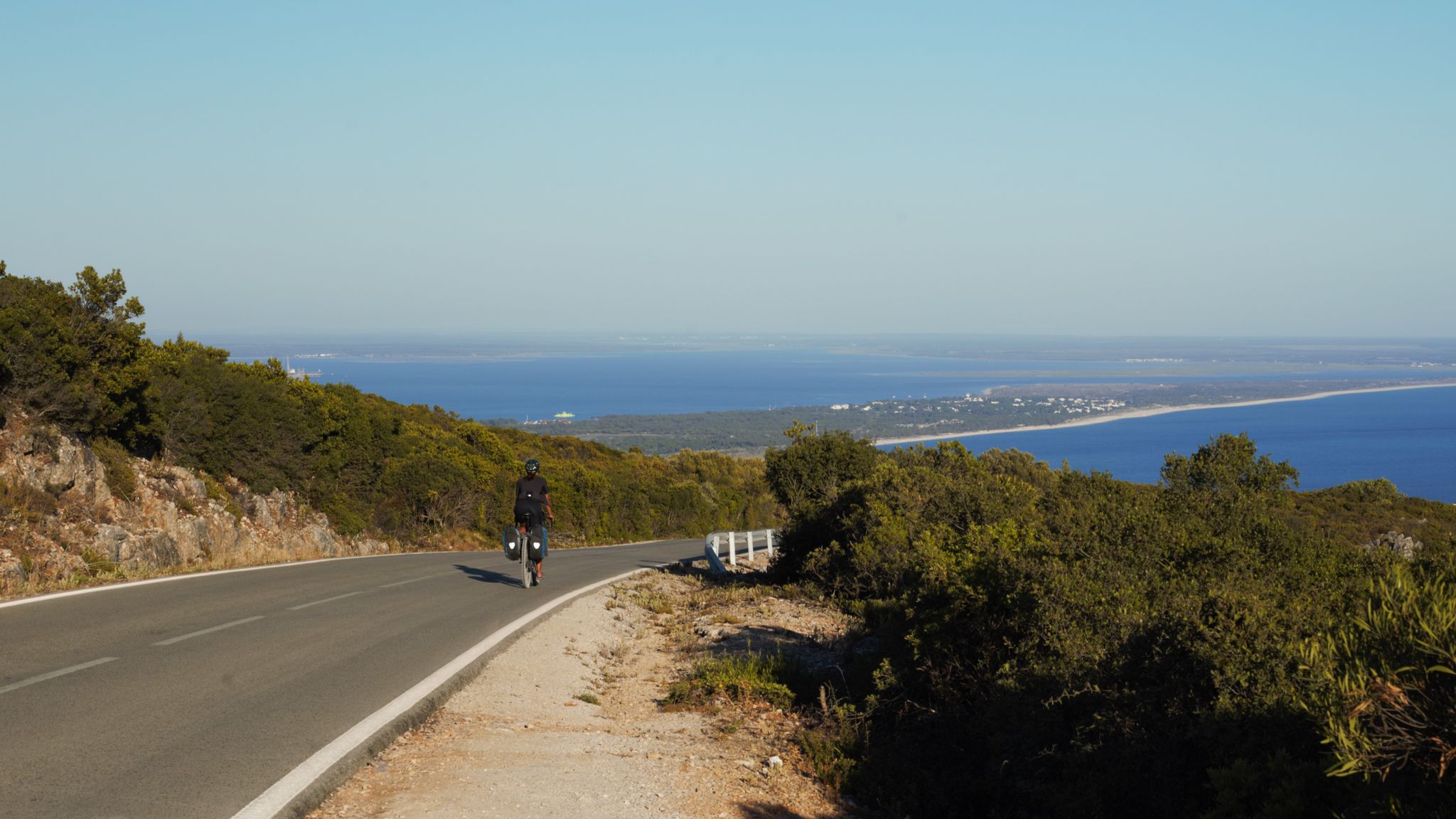
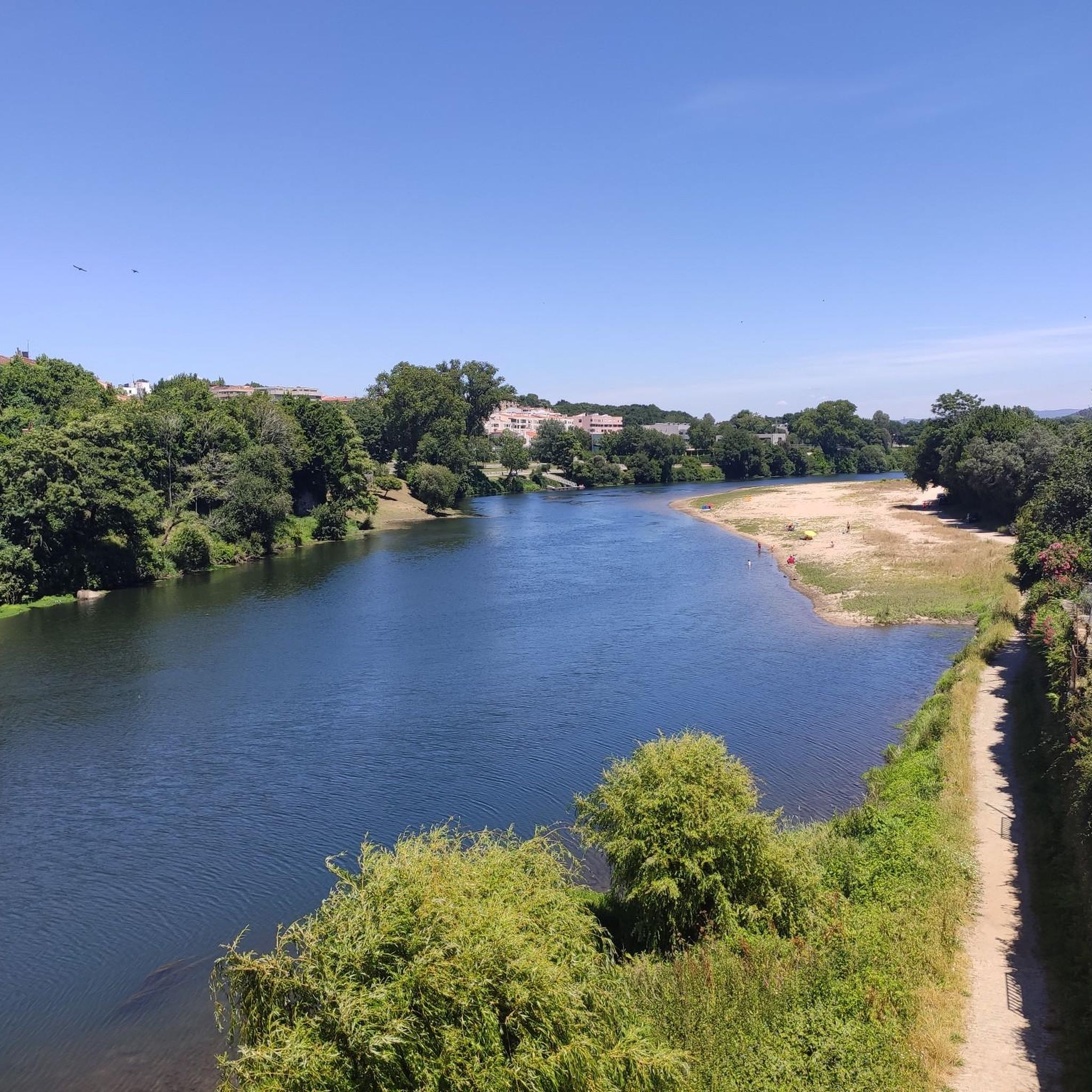
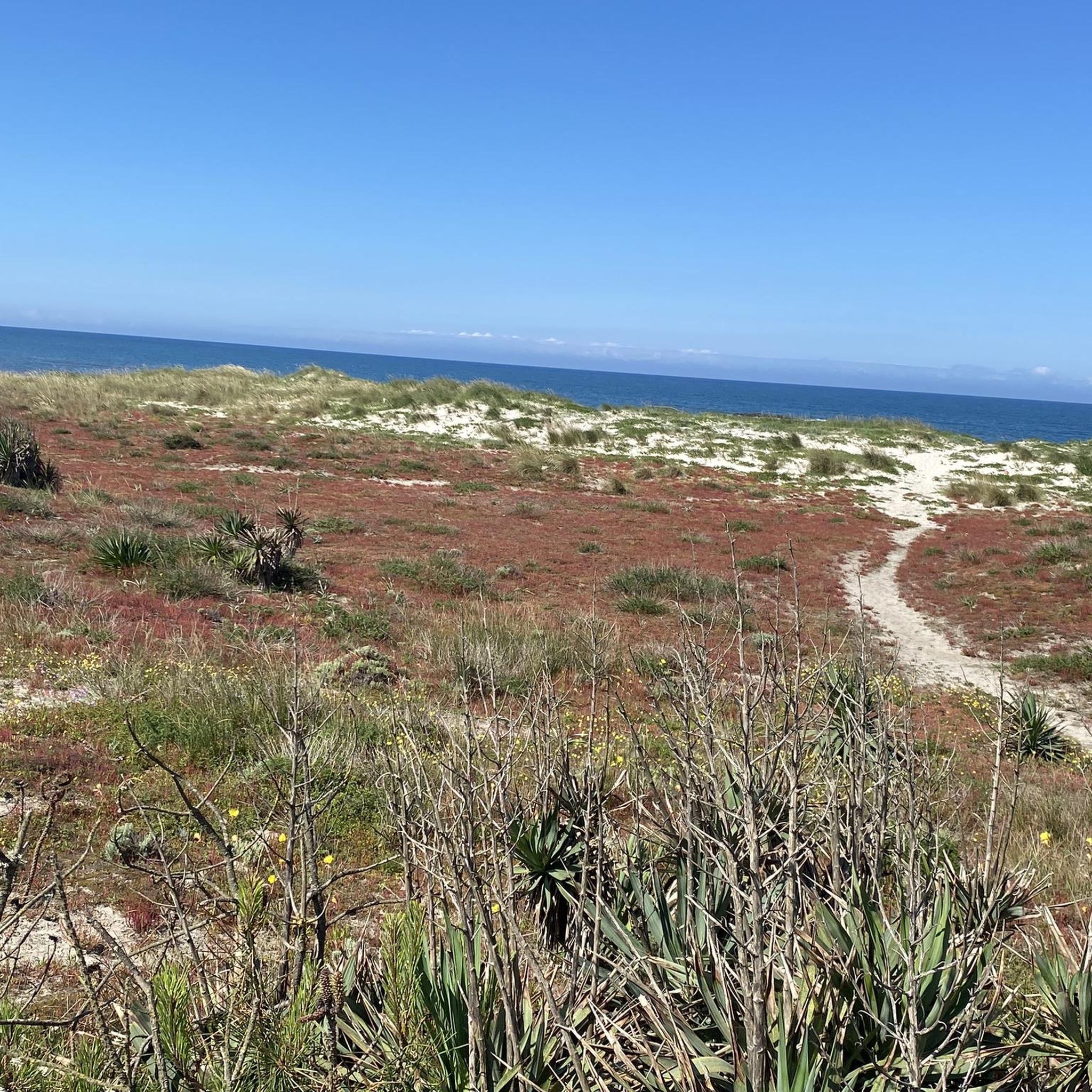
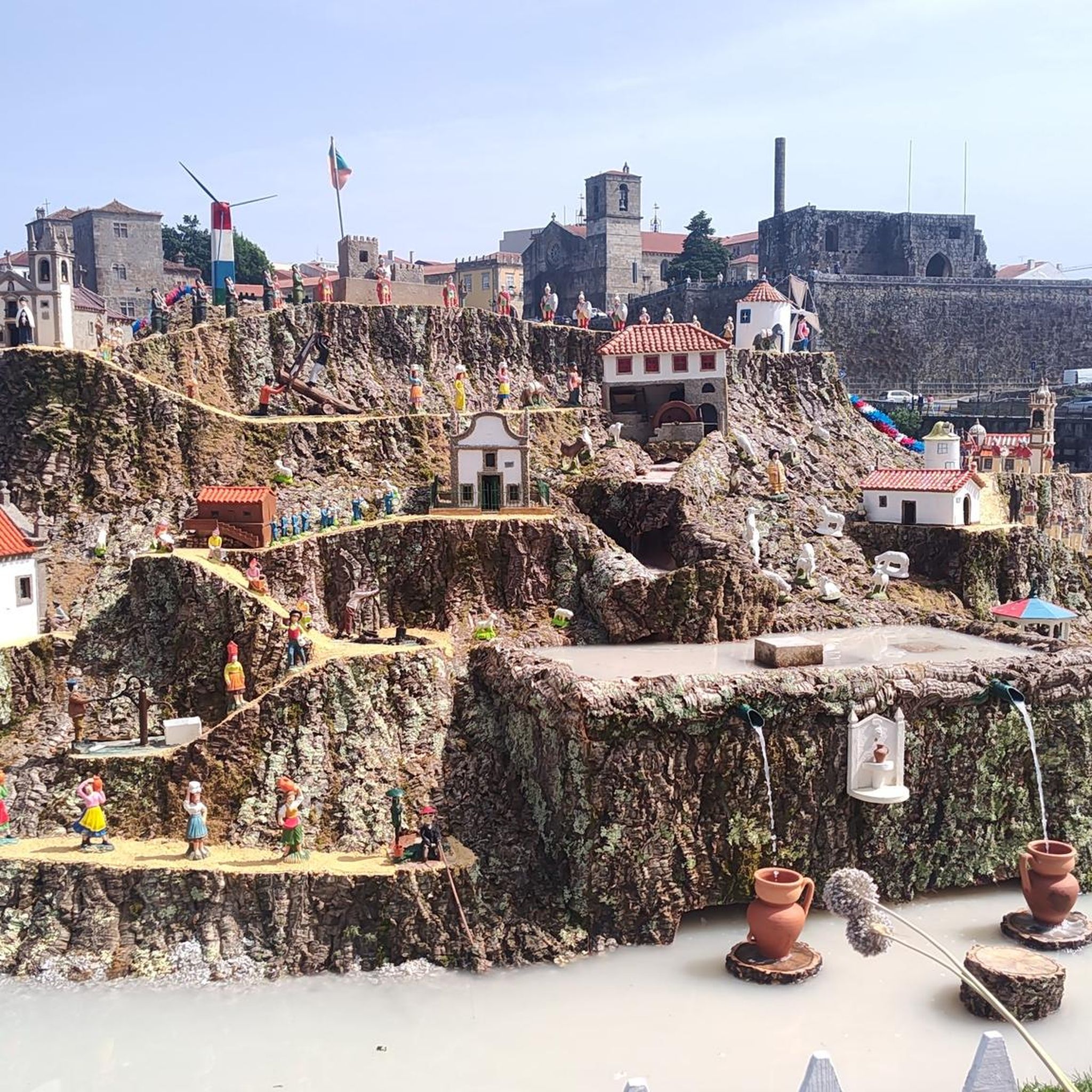

Other adventures around Barcelinhos

Tips from the Community

The church is open for visitation and prayer most days, with specific times for Masses. Opening Hours: Monday to Sunday: 10:00–12:00 and 15:00–19:30. Mass Times (subject to change, please check the official website): Tuesday: 7:00 PM. Thursday: 7:00 PM. Saturday: 5:30 PM. Sunday: 11:00 AM.
1
0
The church was built in the 14th century in a transitional style between Romanesque and Gothic, on the foundations of an earlier 11th-century church. Main Features: Style: Transitional Gothic and Romanesque, with Renaissance and Baroque additions throughout the centuries. Interior: It has three naves, notably featuring 14 blue and white tile panels that cover much of the walls, dating from the 17th and 18th centuries. Notable Elements: The chancel vault is a Manueline work (early 16th century), and the main façade features a Neo-Gothic rose window, the result of a 20th-century restoration. Heritage: The church houses notable altarpieces and funerary monuments of important families, such as the Pinheiro family. The Parish Church of Santa Maria de Barcelos is a point of historical and architectural interest for tourists and pilgrims traveling the Camino de Santiago.
1
0
The Parish Church of Santa Maria de Barcelos, also known as the Collegiate Church, is the main religious temple in the city of Barcelos and a National Monument of Portugal.
1
0

The Barcelos Bridge is more than just an entrance to the city. It's a gateway to its legends, like that of the rooster. Over the Cávado River, this Gothic stone bridge, commissioned by Count Pedro between 1325 and 1330, connects Barcelos to Barcelinhos and has been classified as a National Monument since 1910. And if the heat gets too much, right next door awaits a river beach perfect for a refreshing dip.
3
0

An interesting climb with several alternative paths, dirt or paved.
0
0

Beautiful view from the ruins of the castle
9
2
Nice city from 1140 with approximately 120,000 inhabitants. The symbol of the rooster from the legend of the man wrongly sentenced to the gallows is not a symbol of the city but also a symbol of Portugal.
9
1
The view from the castle ruins is beautiful of the surrounding hills, river and buildings
10
2
Frequently Asked Questions
What kind of terrain can I expect when hiking around Barcelinhos?
Hiking around Barcelinhos is characterized by its riverine landscapes and surrounding rural areas. You'll find paths along the Cávado River, connecting historical town centers with green spaces and agricultural land. The region offers gentle ascents and descents through rolling countryside, making it suitable for various fitness levels.
How many hiking trails are available in Barcelinhos?
There are over 10 hiking trails available around Barcelinhos, offering a good variety for different preferences. These include 7 easy routes and 6 moderate routes, ensuring options for both casual walkers and those looking for a bit more challenge.
Are there easy hiking trails suitable for beginners in Barcelinhos?
Yes, Barcelinhos offers several easy hiking trails perfect for beginners or those seeking a relaxed walk. For example, the Barcelos Medieval Bridge – Barcelos city centre loop from Várzea is a moderate route that can be adapted for an easier experience, or you can explore the many shorter, gentler paths along the river.
Are there family-friendly hiking options in Barcelinhos?
Absolutely. Many of the trails in Barcelinhos are suitable for families, especially the easier routes that follow the river or pass through local villages. These paths often have minimal elevation gain and offer pleasant scenery for all ages to enjoy.
Are there any trails with waterfalls near Barcelinhos?
Yes, you can discover trails that feature natural water elements. The Idyllic Small Waterfalls – Square After Steep Climb loop from Vilar do Monte is a moderate route that specifically highlights areas with waterfalls, providing a refreshing natural attraction during your hike.
Can I find circular hiking routes in Barcelinhos?
Many of the hiking routes in Barcelinhos are designed as loops, allowing you to start and end at the same point without retracing your steps. This includes popular options like the Barcelos city centre – Barcelos Rooster statue loop from Barcelos, which offers a comprehensive experience of the area's highlights.
Are there historical landmarks or points of interest along the trails?
Yes, hiking in Barcelinhos often combines natural beauty with historical exploration. Trails frequently pass by significant landmarks such as the Barcelos Medieval Bridge and the iconic Barcelos Rooster statue, offering cultural insights into the region. The Barcelos Medieval Bridge – Barcelos city centre loop from Várzea is a great example of a route that incorporates historical sites.
What do other hikers say about the trails in Barcelinhos?
The hiking routes in Barcelinhos are highly regarded by the komoot community, with an average score of 4.1 stars from over 30 reviews. Hikers often praise the region for its peaceful river paths, charming rural scenery, and the opportunity to connect with local history and culture.
Is it possible to access hiking trails in Barcelinhos using public transport?
Barcelinhos is well-connected, and many trailheads are accessible via local public transport, particularly those starting from or passing through the main town of Barcelos. It's advisable to check local bus schedules for specific routes and starting points.
Where can I find parking for hiking trails in Barcelinhos?
Parking is generally available in and around the main town centers and villages where many trails begin. Look for designated public parking areas in Barcelos or near popular trailheads. In more rural starting points, roadside parking might be an option, but always ensure you are not obstructing local access or private property.
Are dogs allowed on the hiking trails in Barcelinhos?
Most trails in the Barcelinhos region are dog-friendly, especially those in rural and natural settings. However, it's always recommended to keep dogs on a leash, particularly when passing through agricultural areas or near livestock, and to clean up after them. Some urban sections or protected areas might have specific restrictions, so always look for local signage.
What is the best time of year to go hiking in Barcelinhos?
The best time to hike in Barcelinhos is typically during the spring (April to June) and autumn (September to October) when the weather is mild and pleasant. These seasons offer comfortable temperatures for walking and beautiful natural scenery. Summer can be warm, especially in July and August, so early morning or late afternoon hikes are preferable then.
Are there options for winter hiking in Barcelinhos?
Winter hiking in Barcelinhos is generally possible as the region experiences mild winters compared to other parts of Europe. While it can be cooler and wetter, many trails remain accessible. Be prepared for potentially muddy paths and shorter daylight hours, and always check local weather forecasts before heading out.
Most popular attractions around Barcelinhos

Get inspired with the komoot mobile app


Explore more
Browse the best Hikes in other regions.
