Attractions and Places To See around Bastuço (São João) - Top 20
Attractions and places to see around Bastuço (São João) offer a blend of historical, cultural, and natural sites within the municipality of Barcelos, Portugal. This area, now part of the União das Freguesias de Sequeade e Bastuço, preserves local heritage and provides access to significant landmarks. Visitors can explore ancient settlements, traditional windmills, and viewpoints offering expansive views of the Este River valley. The region's integration into Barcelos also allows for easy access to the city's rich historical and cultural…
Last updated: July 1, 2026
Barcelos Medieval Bridge
Highlight • Viewpoint
Translated by Google •
Tip by

Barcelos city centre
Highlight • Settlement
Translated by Google •
Tip by

Sign up now to discover places like this
Get recommendations on the best single tracks, peaks, & plenty of other exciting outdoor places.
Sign up for free
Barcelos Rooster statue
Highlight • Monument
Translated by Google •
Tip by

Raio Palace
Highlight • Historical Site
Translated by Google •
Tip by

Braga Cathedral (Sé de Braga)
Highlight • Religious Site
Translated by Google •
Tip by

Sign up for free to discover even more attractions around Bastuço (São João).
Sign up for free
Already have an account?
Start today with a free account
Your next adventure awaits.
Login or Signup


Tips from the Community

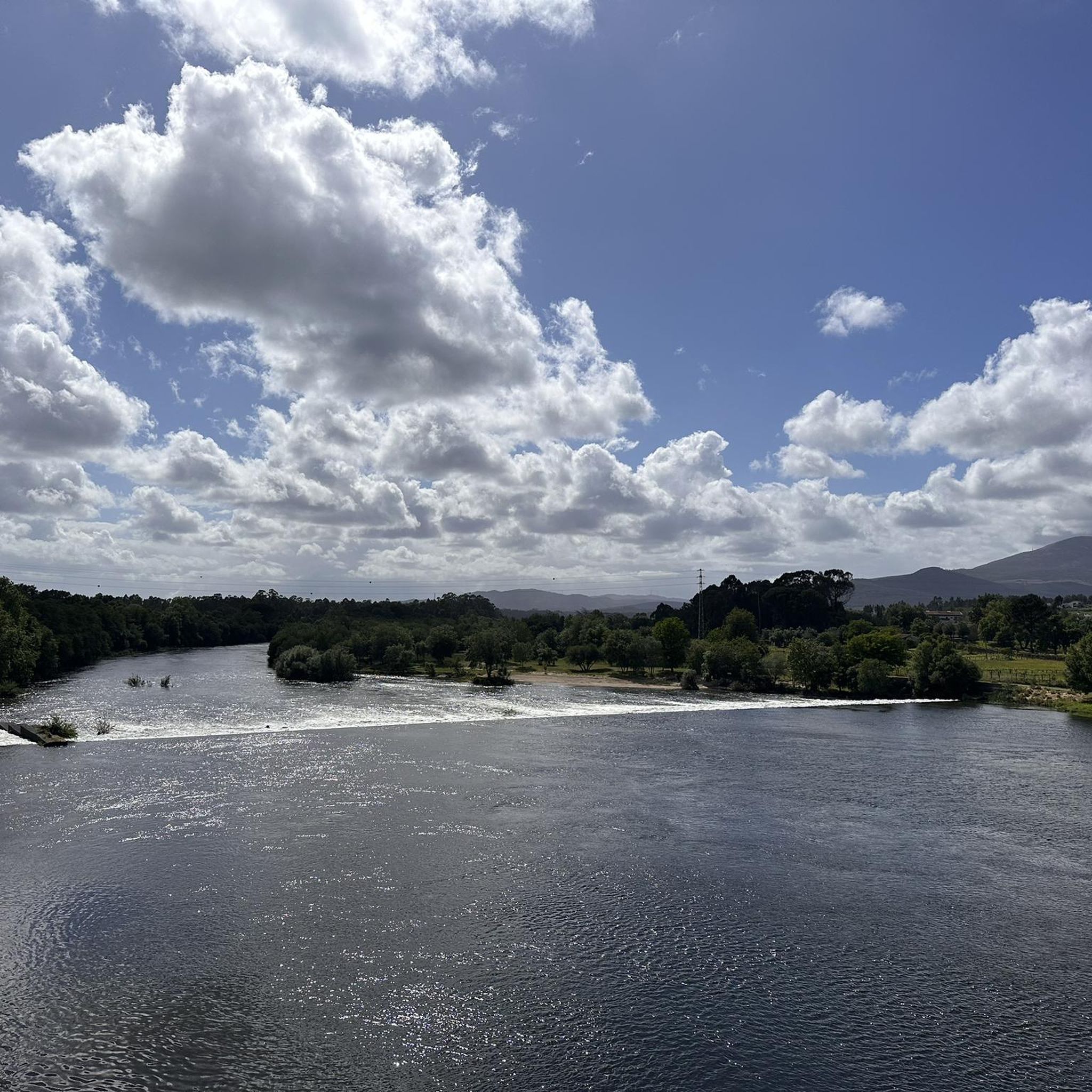
The Barcelos Bridge is more than just an entrance to the city. It's a gateway to its legends, like that of the rooster. Over the Cávado River, this Gothic stone bridge, commissioned by Count Pedro between 1325 and 1330, connects Barcelos to Barcelinhos and has been classified as a National Monument since 1910. And if the heat gets too much, right next door awaits a river beach perfect for a refreshing dip.
3
0

The Cathedral of Braga, the oldest archdiocese in Portugal
3
0

The Cathedral of Braga (Portuguese: Sé de Braga) is one of the most important monuments in the city of Braga in the north of Portugal. As the seat of the Archbishop of Braga, it is the oldest cathedral in Portugal and is one of the most important buildings in the country due to its history and artistic significance[1]. It offers a rich mix of architectural and artistic styles.
1
0

The Cathedral of Braga (Portuguese: Sé de Braga) is one of the most important monuments in the city of Braga in the north of Portugal. As the seat of the Archbishop of Braga, it is the oldest cathedral in Portugal and is one of the most important buildings in the country due to its history and artistic significance[1]. It offers a rich mix of architectural and artistic styles.
3
1

Beautiful view from the ruins of the castle
9
2
Nice city from 1140 with approximately 120,000 inhabitants. The symbol of the rooster from the legend of the man wrongly sentenced to the gallows is not a symbol of the city but also a symbol of Portugal.
9
1
The view from the castle ruins is beautiful of the surrounding hills, river and buildings
10
2
Frequently Asked Questions
What historical and cultural sites can I explore in and around Bastuço (São João)?
Bastuço (São João) and its surrounding area, including Barcelos, offer a rich tapestry of historical and cultural sites. Within the immediate vicinity, you can discover the ancient archaeological evidence of Castro no Monte de Airó, the historic Capela de S. Silvestre dating back to the 15th century, and traditional Moinhos de Vento (windmills). In nearby Barcelos, don't miss the iconic Barcelos Rooster statue, the impressive Barcelos Medieval Bridge, and the elegant Raio Palace. The Barcelos city centre itself is a hub of history and culture.
Are there any natural attractions or viewpoints in the area?
Yes, the region boasts several natural features and scenic viewpoints. The Miradouro da Senhora da Boa Fé, located on Monte de Airó, offers expansive views of the Este River valley and features a peaceful picnic park. The Ribeiro de Real stream flows through Bastuço (São João), eventually joining the Cávado River. The Monte de Airó itself provides a natural setting for exploration.
What kind of outdoor activities can I do near Bastuço (São João)?
The area around Bastuço (São João) is excellent for various outdoor activities. You can find numerous routes for gravel biking, running, and road cycling. For gravel biking, consider routes like the 'Riverside Path – Bico Bridge loop from Barcelos'. Runners might enjoy the 'Barcelos Medieval Bridge – Porta Nova Tower loop from Barcelos'. Road cyclists have options such as the 'Ecovia do Rio Este – Igreja de Maximinos loop from Carreira'. You can find more details and routes in the dedicated guides for gravel biking, running, and road cycling around Bastuço (São João).
Are there family-friendly attractions in Bastuço (São João) and nearby Barcelos?
Absolutely! Many attractions in the region are suitable for families. The Barcelos Medieval Bridge and the Barcelos city centre are both listed as family-friendly. The Raio Palace also welcomes families. Additionally, the Miradouro da Senhora da Boa Fé offers a picnic park, perfect for a family outing with scenic views.
What is the significance of the Barcelos Rooster?
The Barcelos Rooster statue is a significant man-made monument that symbolizes the city of Barcelos and is an unofficial national symbol of Portugal. This colorful rooster represents a famous legend of a man wrongly sentenced to the gallows and is considered a symbol of good luck. You'll find various representations of it throughout the city.
What is the Barcelos Medieval Bridge and why is it important?
The Barcelos Medieval Bridge is a Gothic stone bridge commissioned between 1325 and 1330. It connects Barcelos to Barcelinhos over the Cávado River and is classified as a National Monument. It's not just a historical site but also a viewpoint, offering picturesque scenes and being central to some of the city's legends.
Are there any archaeological sites in Bastuço (São João)?
Yes, Bastuço (São João) has archaeological significance. The Castro no Monte de Airó provides evidence of ancient settlements, indicating the very remote origins of the area. These 'castros' (hillforts) offer a glimpse into the region's distant past.
What do visitors enjoy most about the attractions around Bastuço (São João)?
Visitors particularly enjoy the blend of history, culture, and natural beauty. The Barcelos Medieval Bridge is praised for its beauty and connection to local legends. The Barcelos Rooster statue is appreciated as a unique cultural symbol. The Barcelos city centre is noted for its vibrant atmosphere, market, and beautiful churches. The architectural detail of Raio Palace also receives high praise.
Can I find traditional windmills in Bastuço (São João)?
Yes, traditional Moinhos de Vento (windmills) are noted as part of the local patrimony within Bastuço (São João). These historical structures offer a glimpse into the region's agricultural past and traditional way of life.
Is there a pottery museum nearby?
Yes, the Museu de Olaria (Pottery Museum) is located in Barcelos Parish. This museum is dedicated to the region's famous handcrafted pottery, including the iconic Barcelos Rooster, and is a great place to learn about local artistry.
What is the Raio Palace?
The Raio Palace is an 18th-century Baroque historical site in Barcelos. It was formerly the home of a wealthy merchant and is a remarkable example of elaborate civil architecture, known for its richly crafted central door and ornate windows, showcasing the Joanne Baroque style.
Are there any significant religious sites in the wider Barcelos municipality?
Yes, the Templo do Senhor Bom Jesus da Cruz in Barcelos is a significant religious site. It is central to the 'Festa das Cruzes,' one of Portugal's oldest pilgrimages, making it an important cultural and spiritual landmark in the region.
Most popular routes around Bastuço (São João)

Get inspired with the komoot mobile app


Explore more
Still not found the Highlight you’re looking for? See guides of the top attractions in other regions:
