The best cycling routes around Courel
4.4
(89)
705
riders
25
rides
Touring cycling routes around Courel traverse a region designated as a UNESCO Global Geopark, known for its rugged mountain ranges, deep valleys, and ancient geological formations. The landscape features significant structures like the Tumbado do Courel Syncline and diverse native forests such as Devesa da Rogueira. These routes often involve substantial elevation gains, providing challenging terrain for cyclists. The area's natural beauty is further enhanced by the Lor River and peaks like Formigueiros.
Best touring cycling routes around Courel
- The…
Last updated: August 23, 2026
5.0
(23)
74
riders
Moderate bike ride. Good fitness required. Mostly paved surfaces. Suitable for all skill levels.
5.0
(2)
26
riders
20.5km
01:19
200m
200m
Moderate bike ride. Good fitness required. Mostly paved surfaces. Suitable for all skill levels.

Sign up for free
14
riders
Moderate bike ride. Good fitness required. Mostly paved surfaces. Suitable for all skill levels.
12
riders
18.1km
01:04
100m
100m
Easy bike ride. Great for any fitness level. Mostly paved surfaces. Suitable for all skill levels.
11
riders
29.3km
01:55
250m
250m
Moderate bike ride. Good fitness required. Mostly paved surfaces. Suitable for all skill levels.
Get access to more routes and recommendations from other explorers.
Sign up for free
Already have an account?
Our route recommendations are based on thousands of hikes, rides, and runs completed by other people on komoot.
Start today with a free account
Your next adventure awaits.
Login or Signup



Tips from the Community

The church is open for visitation and prayer most days, with specific times for Masses. Opening Hours: Monday to Sunday: 10:00–12:00 and 15:00–19:30. Mass Times (subject to change, please check the official website): Tuesday: 7:00 PM. Thursday: 7:00 PM. Saturday: 5:30 PM. Sunday: 11:00 AM.
1
0
The church was built in the 14th century in a transitional style between Romanesque and Gothic, on the foundations of an earlier 11th-century church. Main Features: Style: Transitional Gothic and Romanesque, with Renaissance and Baroque additions throughout the centuries. Interior: It has three naves, notably featuring 14 blue and white tile panels that cover much of the walls, dating from the 17th and 18th centuries. Notable Elements: The chancel vault is a Manueline work (early 16th century), and the main façade features a Neo-Gothic rose window, the result of a 20th-century restoration. Heritage: The church houses notable altarpieces and funerary monuments of important families, such as the Pinheiro family. The Parish Church of Santa Maria de Barcelos is a point of historical and architectural interest for tourists and pilgrims traveling the Camino de Santiago.
1
0
The Parish Church of Santa Maria de Barcelos, also known as the Collegiate Church, is the main religious temple in the city of Barcelos and a National Monument of Portugal.
1
0
Highlights and Route Landscape: The route crosses rural areas, small population centers, agricultural fields, and forest areas, offering a calm and pleasant environment. Localities: The ecotrail passes through several localities, including Amorim, Terroso, Laundos, Rates, Balazar, Gondifelos, Louro, and Brufe. Intermodality: A great advantage is the direct connection to the Vila Nova de Famalicão train station and the Porto Metro station in Póvoa de Varzim, facilitating access to the beginning and end of the route. Interconnection: The cycle path connects to the Formiga Ecotrail, allowing the ride to be extended.
1
0
Route Characteristics Length: The route is approximately 28 to 30 kilometers in total, connecting the rural interior (Famalicão) to the Atlantic coast (Póvoa de Varzim). Difficulty: It is a flat route, without major slopes or sharp curves, making it an easy and accessible route for everyone, including families with children. Surface: The surface is a mixture of macadam and, in some sections, asphalt, suitable for walking, running and cycling. Accessibility: The ecotrail is wheelchair accessible and has approximately 12 rest areas along the route.
1
0
The Famalicão–Póvoa de Varzim cycle path is, in fact, the Famalicão branch line cycle path. This route was built using the canal of the old railway branch line that connected Vila Nova de Famalicão and Póvoa de Varzim, and which ceased train service in 1995.
1
0

The Barcelos Bridge is more than just an entrance to the city. It's a gateway to its legends, like that of the rooster. Over the Cávado River, this Gothic stone bridge, commissioned by Count Pedro between 1325 and 1330, connects Barcelos to Barcelinhos and has been classified as a National Monument since 1910. And if the heat gets too much, right next door awaits a river beach perfect for a refreshing dip.
3
0

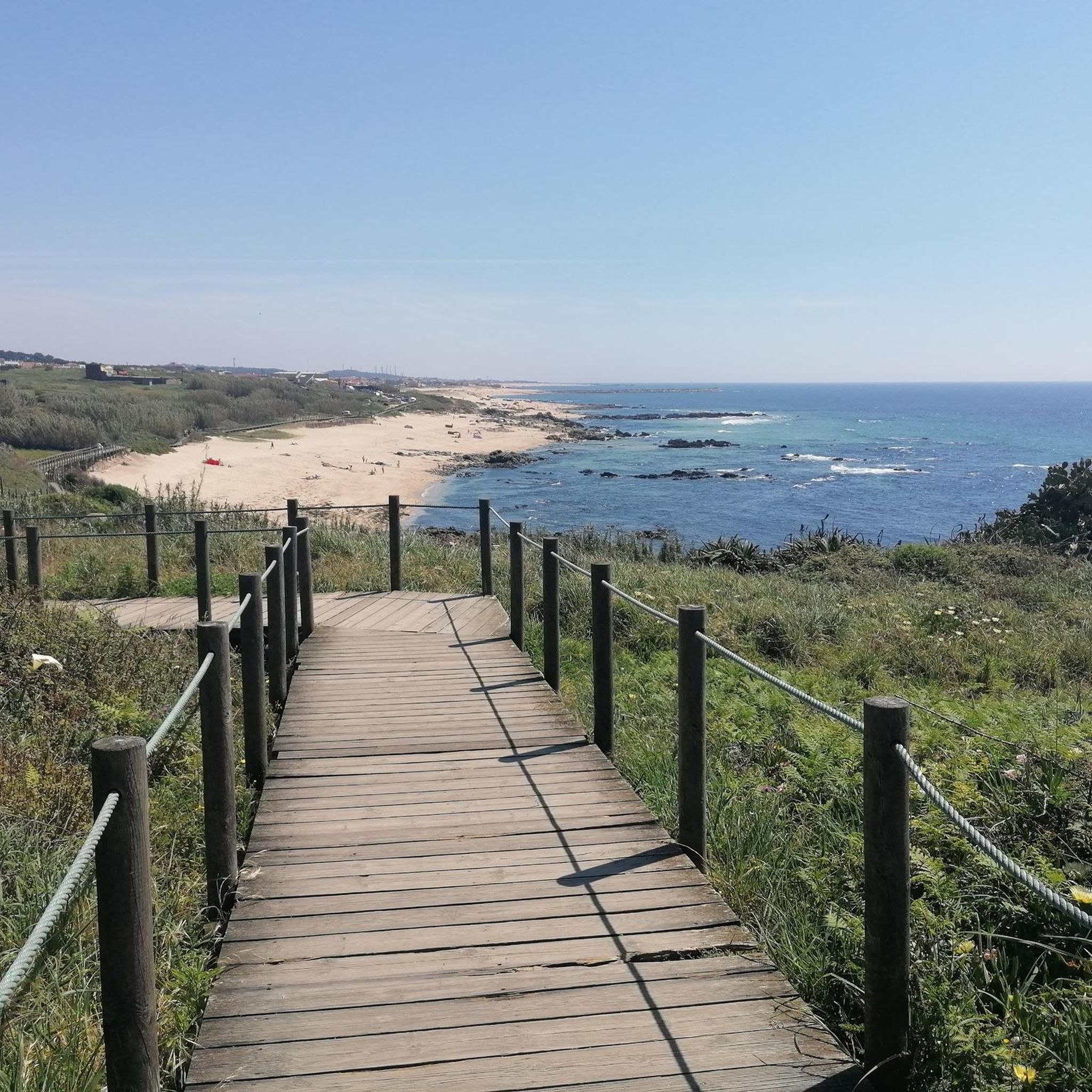
Beautiful view from the ruins of the castle
9
2
Frequently Asked Questions
What is the general difficulty level for touring cycling routes in Courel?
Courel offers a diverse range of touring cycling routes. Out of the 25 available routes, 11 are rated as moderate and 12 are considered difficult, often featuring substantial elevation gains. There are also 2 easy routes for those seeking a less strenuous experience. The region's rugged mountain ranges and deep valleys contribute to the challenging terrain.
Are there any family-friendly touring cycling routes in Courel?
Yes, while many routes in Courel involve significant climbs, there are options suitable for families. For instance, the region offers 2 easy routes that provide a gentler introduction to touring cycling amidst the beautiful landscapes. These routes allow families to enjoy the natural beauty without the demanding elevation gains of more advanced trails.
Can I find circular touring cycling routes in Courel?
Yes, many touring cycling routes in Courel are designed as loops, allowing you to start and finish at the same point. An example of a moderate circular route is the Bike loop from Fontaínhas, which covers 15.7 miles (25.3 km) and winds through characteristic landscapes. Another option is the Famalicão Railway Station loop from Cavalões, a 12.7-mile (20.5 km) trail.
What kind of landscapes and natural features can I expect to see while cycling in Courel?
Courel, a UNESCO Global Geopark, is characterized by rugged mountain ranges, deep valleys, and ancient geological formations. Cyclists can traverse diverse native forests like Devesa da Rogueira, known for its botanical richness. The Lor River meanders through the Sierra de O Courel, adding to the scenic beauty, and you'll encounter significant peaks such as Formigueiros and Montouto.
Are there any notable attractions or historical sites along the touring cycling routes in Courel?
While cycling in Courel, you can explore charming traditional villages with slate houses, offering a glimpse into local heritage. The region also holds remnants of over one hundred Roman-era gold mines. Although not directly on the listed routes, nearby attractions include the Apúlia Church and the historic Barcelos Medieval Bridge, which can be integrated into your cycling itinerary.
What is the best time of year to go touring cycling in Courel?
The best time for touring cycling in Courel is generally during the milder seasons, such as spring and autumn, when the weather is more temperate and the natural landscapes are vibrant. While the region offers challenging terrain, avoiding the peak heat of summer or the colder, potentially snowy conditions of winter will enhance your experience.
What do other touring cyclists enjoy most about the routes in Courel?
The touring cycling routes in Courel are highly rated by the komoot community, with an average score of 4.2 stars from over 70 reviews. Cyclists often praise the region's rugged mountain ranges, deep valleys, and the unique experience of cycling through a UNESCO Global Geopark. The challenging climbs and panoramic views are frequently highlighted.
Are there any long-distance touring cycling routes in Courel?
Yes, Courel offers routes that cater to longer distances and significant elevation gains. For example, the Fão Bridge – Marinhas ⛪🏘️ loop from Estela is a substantial 41.1 miles (66.2 km) route, taking over 4 hours to complete. The region is known for rides connecting areas like Cebreiro Pass and Samos, which can involve over 3,000 meters of climbing, suitable for experienced long-distance cyclists.
What are the typical terrain conditions for touring cycling in Courel?
The terrain in Courel is characterized by rugged mountain ranges and deep valleys. While many routes are on paved roads, some may include unpaved or gravel segments. Cyclists should be prepared for substantial elevation gains, as the region's geology, including structures like the Tumbado do Courel Syncline, creates a challenging and varied landscape.
Are there any easy touring cycling routes for beginners in Courel?
Yes, for beginners or those preferring a more relaxed ride, Courel does offer easier options. There are 2 routes specifically rated as easy. An example of a moderate route with less extreme elevation is the Barcelos Medieval Bridge – Grava Bike Café loop from Ruínas do Castelo de Faria e da estação arqueológica subjacente, which is 26.3 km long. For an even easier option, consider the Church of São Pedro de Rates loop from Cavalões, an easy 17.9 km route.
What kind of wildlife might I encounter while cycling in Courel?
Courel's diverse ecosystems, including native forests like Devesa do Corvo and Devesa das Valiñas, provide habitat for a variety of wildlife. The region is notably home to an expanding brown bear population, and its rich biodiversity includes numerous orchid species. Cyclists might also spot various bird species and other forest animals.
Are there specific viewpoints or scenic spots along the touring cycling routes?
The rugged mountain ranges and deep valleys of Courel naturally offer numerous panoramic viewpoints. Peaks like Formigueiros, Montouto, and Pía Paxaro provide challenging climbs that reward cyclists with extensive views of the UNESCO Global Geopark. The winding paths along the Lor River also present many scenic opportunities to appreciate the natural beauty.
Most popular attractions around Courel

Get inspired with the komoot mobile app


Explore more
Browse the best Cycling routes in other regions.
