Attractions and Places To See around Rio Covo (Santa Eulália) - Top 20
Attractions and places to see around Rio Covo (Santa Eulália) offer a glimpse into a region rich in history and natural features. Located near Barcelos, Portugal, this area is characterized by its agricultural traditions, including small-plot Vinho Verde farming. The modest Rio Covo waterway flows through the parish, nourishing local farmlands before joining the Cávado River. Visitors can explore historical landmarks and cultural sites that highlight the area's heritage.
Best attractions and places to see around Rio Covo (Santa Eulália)
…Last updated: July 1, 2026
Barcelos Medieval Bridge
Highlight • Viewpoint
Translated by Google •
Tip by

Barcelos city centre
Highlight • Settlement
Translated by Google •
Tip by

Sign up now to discover places like this
Get recommendations on the best single tracks, peaks, & plenty of other exciting outdoor places.
Sign up for free
Barcelos Rooster statue
Highlight • Monument
Translated by Google •
Tip by

Famalicão–Póvoa de Varzim Cycle Path
Highlight (Segment) • Cycleway
Translated by Google •
Tip by

Main Church of Santa Maria de Barcelos
Highlight • Religious Site
Translated by Google •
Tip by

Sign up for free to discover even more attractions around Rio Covo (Santa Eulália).
Sign up for free
Already have an account?
Start today with a free account
Your next adventure awaits.
Login or Signup
Popular around Rio Covo (Santa Eulália)


Tips from the Community

The church is open for visitation and prayer most days, with specific times for Masses. Opening Hours: Monday to Sunday: 10:00–12:00 and 15:00–19:30. Mass Times (subject to change, please check the official website): Tuesday: 7:00 PM. Thursday: 7:00 PM. Saturday: 5:30 PM. Sunday: 11:00 AM.
1
0
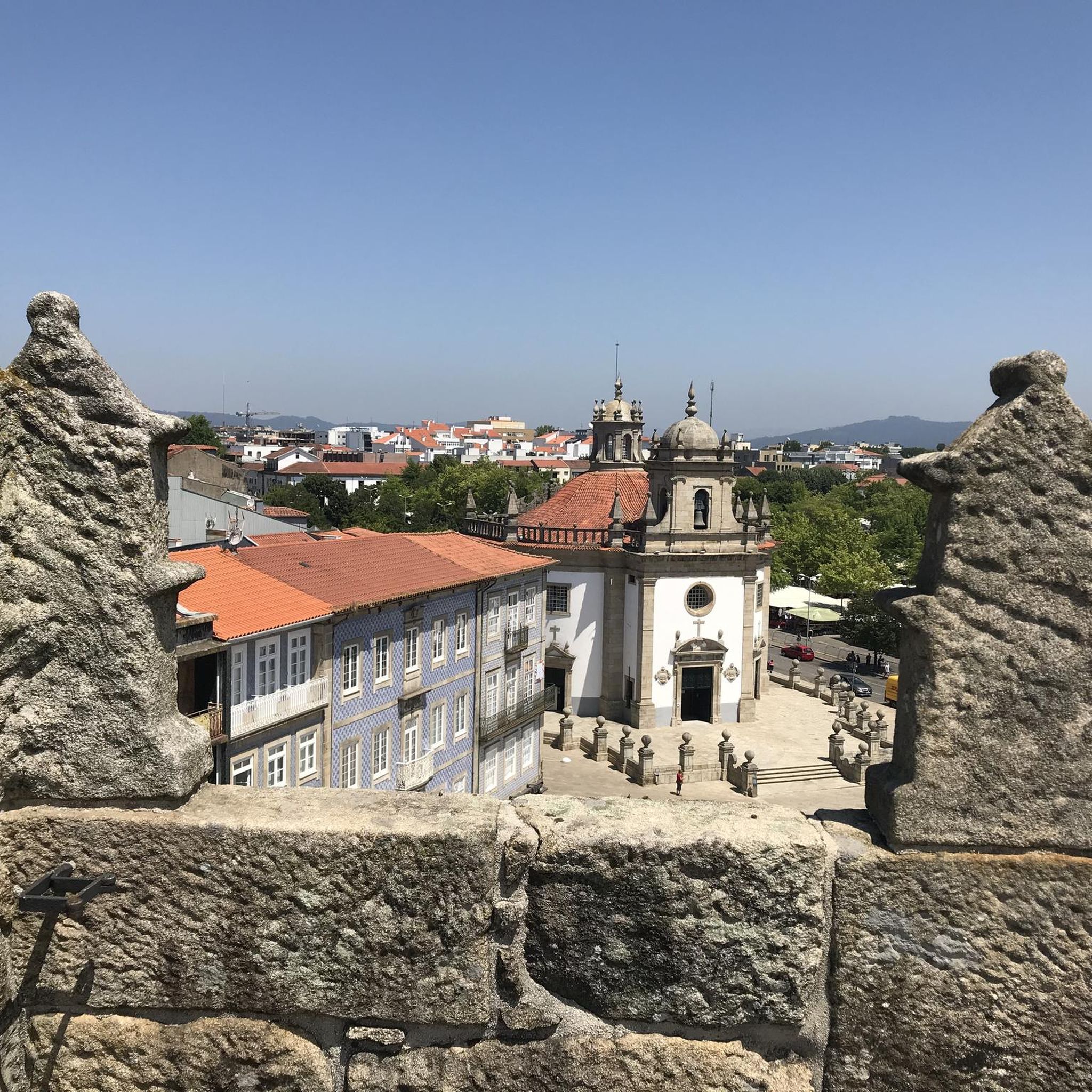
The church was built in the 14th century in a transitional style between Romanesque and Gothic, on the foundations of an earlier 11th-century church. Main Features: Style: Transitional Gothic and Romanesque, with Renaissance and Baroque additions throughout the centuries. Interior: It has three naves, notably featuring 14 blue and white tile panels that cover much of the walls, dating from the 17th and 18th centuries. Notable Elements: The chancel vault is a Manueline work (early 16th century), and the main façade features a Neo-Gothic rose window, the result of a 20th-century restoration. Heritage: The church houses notable altarpieces and funerary monuments of important families, such as the Pinheiro family. The Parish Church of Santa Maria de Barcelos is a point of historical and architectural interest for tourists and pilgrims traveling the Camino de Santiago.
1
0
The Parish Church of Santa Maria de Barcelos, also known as the Collegiate Church, is the main religious temple in the city of Barcelos and a National Monument of Portugal.
1
0
Highlights and Route Landscape: The route crosses rural areas, small population centers, agricultural fields, and forest areas, offering a calm and pleasant environment. Localities: The ecotrail passes through several localities, including Amorim, Terroso, Laundos, Rates, Balazar, Gondifelos, Louro, and Brufe. Intermodality: A great advantage is the direct connection to the Vila Nova de Famalicão train station and the Porto Metro station in Póvoa de Varzim, facilitating access to the beginning and end of the route. Interconnection: The cycle path connects to the Formiga Ecotrail, allowing the ride to be extended.
1
0
Route Characteristics Length: The route is approximately 28 to 30 kilometers in total, connecting the rural interior (Famalicão) to the Atlantic coast (Póvoa de Varzim). Difficulty: It is a flat route, without major slopes or sharp curves, making it an easy and accessible route for everyone, including families with children. Surface: The surface is a mixture of macadam and, in some sections, asphalt, suitable for walking, running and cycling. Accessibility: The ecotrail is wheelchair accessible and has approximately 12 rest areas along the route.
1
0
The Famalicão–Póvoa de Varzim cycle path is, in fact, the Famalicão branch line cycle path. This route was built using the canal of the old railway branch line that connected Vila Nova de Famalicão and Póvoa de Varzim, and which ceased train service in 1995.
1
0

The Barcelos Bridge is more than just an entrance to the city. It's a gateway to its legends, like that of the rooster. Over the Cávado River, this Gothic stone bridge, commissioned by Count Pedro between 1325 and 1330, connects Barcelos to Barcelinhos and has been classified as a National Monument since 1910. And if the heat gets too much, right next door awaits a river beach perfect for a refreshing dip.
3
0

Beautiful view from the ruins of the castle
9
2
Frequently Asked Questions
What historical landmarks can I explore around Rio Covo (Santa Eulália)?
The region offers a rich historical tapestry. You can discover the impressive 19th-century Ponte de Rio Covo, an Eiffel Lattice Bridge constructed in 1877, which was vital for the Minho railway line. Additionally, the landscape still features 16th-century irrigation channels dug by Cistercian monks, showcasing a long-standing agricultural tradition. Nearby, the Barcelos Medieval Bridge, a Gothic stone bridge and National Monument, connects Barcelos to Barcelinhos over the Cávado River.
What natural features characterize the area around Rio Covo (Santa Eulália)?
The area is defined by the modest Rio Covo waterway, which flows from south to north, nourishing local farmlands before joining the Cávado River. The river valley offers a calm environment with rural areas, agricultural fields, and forest areas. The landscape also features small agricultural holdings where traditional farming methods persist, including the cultivation of corn and runner beans, and is known for its 'vinho verde' production.
Are there family-friendly attractions or activities available?
Yes, several attractions are considered family-friendly. The Barcelos Medieval Bridge is a great spot for families, with a river beach nearby for recreation. The Barcelos city centre is also family-friendly, offering a rich historical experience and opportunities to see the iconic Galo de Barcelos. For active families, the Famalicão–Póvoa de Varzim Cycle Path is a flat, accessible route suitable for walking, running, and cycling.
What cultural sites can I visit in the wider Barcelos area?
In the wider Barcelos area, you can explore the iconic Barcelos Rooster statue, a symbol of the city and Portugal. The Barcelos city centre itself is known for its handcrafted pottery and historical charm. Additionally, the Main Church of Santa Maria de Barcelos, a National Monument, is a significant religious temple with notable altarpieces and funerary monuments.
What kind of outdoor activities can I do near these attractions?
The region offers various outdoor activities, particularly cycling and running. For mountain biking enthusiasts, there are routes like the 'Facho – Barcelos Historic Centre loop from Midões' and 'Bridge over the Labriosque River – Riverside Path loop from Midões'. Road cyclists can enjoy routes such as 'Paço dos Condes de Barcelos – View of Esposende loop from Midões'. Runners have options like the 'Passeio dos Assentos – Porta Nova Tower loop from Barcelos'. You can find more details on these and other routes in the respective guides for MTB Trails, Road Cycling Routes, and Running Trails around Rio Covo (Santa Eulália).
Are there any accessible attractions for visitors with mobility needs?
Yes, the Barcelos Rooster statue is noted as wheelchair accessible. Additionally, the Famalicão–Póvoa de Varzim Cycle Path is designed to be wheelchair accessible, offering a flat route suitable for everyone.
What do visitors enjoy most about the attractions around Rio Covo (Santa Eulália)?
Visitors frequently appreciate the historical significance and cultural richness of the area. The Barcelos Medieval Bridge is loved for its beauty and the legends it holds. The Barcelos city centre is praised for its vibrant atmosphere, handcrafted pottery, and the presence of the iconic Galo de Barcelos. The impressive architecture of the Main Church of Santa Maria de Barcelos also leaves a lasting impression on visitors.
Can I find places to cycle or run near Rio Covo (Santa Eulália)?
Absolutely. The region offers a variety of routes for both cycling and running. The Famalicão–Póvoa de Varzim Cycle Path is a popular choice, built on an old railway line, offering a flat and scenic route. For more challenging options, you can explore various MTB Trails, Road Cycling Routes, and Running Trails that traverse the beautiful landscapes around Rio Covo (Santa Eulália) and Barcelos.
What is the significance of the Barcelos Rooster in the area?
The Barcelos Rooster is not just a symbol of the city of Barcelos but also a national symbol of Portugal, representing good luck. You can find statues of this colorful rooster, such as the Barcelos Rooster statue, throughout the city. The Barcelos city centre is particularly known for its handcrafted pottery, including ceramic versions of the Galo de Barcelos.
Are there any specific tips for visiting the Barcelos Medieval Bridge?
The Barcelos Medieval Bridge is a Gothic stone bridge steeped in local legends, including that of the Barcelos Rooster. It's a National Monument and offers beautiful views, especially with a small waterfall nearby. If the weather is warm, there's a river beach right next to the bridge, perfect for a refreshing dip.
What kind of agricultural traditions can be observed in Rio Covo (Santa Eulália)?
Rio Covo (Santa Eulália) is characterized by its small agricultural holdings and traditional farming methods. You can observe the cultivation of corn and runner beans. The region is also known for its 'vinho verde' (green wine) production, with vineyards often irrigated by the historic 16th-century channels dug by Cistercian monks, showcasing a deep connection to its agricultural past.
Most popular routes around Rio Covo (Santa Eulália)

Get inspired with the komoot mobile app


Explore more
Still not found the Highlight you’re looking for? See guides of the top attractions in other regions:
