The best MTB trails around Basto
4.3
(15)
265
riders
18
rides
Mountain biking around Basto, Portugal, offers diverse landscapes characterized by rugged mountains, lush valleys, and dense forests. The region is shaped by the Tâmega River valley, providing scenic routes, and is nestled between the Barroso and Marão hills. Notable features include Serra da Cabreira and Monte Farinha, which offer varied terrain from gentle slopes to challenging descents. This area provides a compelling destination for mountain bikers seeking natural beauty and varied trail experiences.
Best mountain bike trails around Basto
- The…
Last updated: July 1, 2026
10
riders
52.2km
05:00
1,350m
1,350m
Tackle the difficult Nossa Senhora da Graça Loop, a 32.5-mile mountain bike trail with 4428 feet of gain and waterfall views.
74.3km
07:20
2,080m
2,080m
Hard mountain bike ride. Very good fitness required. Suitable for all skill levels.

Sign up for free
20.3km
01:56
570m
570m
This moderate 12.6-mile mountain biking loop in Alvão Natural Park offers challenging climbs and panoramic views from Monte Farinha.
4.5
(10)
108
riders
Hard mountain bike ride. Very good fitness required. Suitable for all skill levels.
20
riders
44.6km
04:19
1,240m
1,240m
Hard mountain bike ride. Very good fitness required. Suitable for all skill levels.
Get access to more routes and recommendations from other explorers.
Sign up for free
Already have an account?
Our route recommendations are based on thousands of hikes, rides, and runs completed by other people on komoot.
Start today with a free account
Your next adventure awaits.
Login or Signup



Tips from the Community

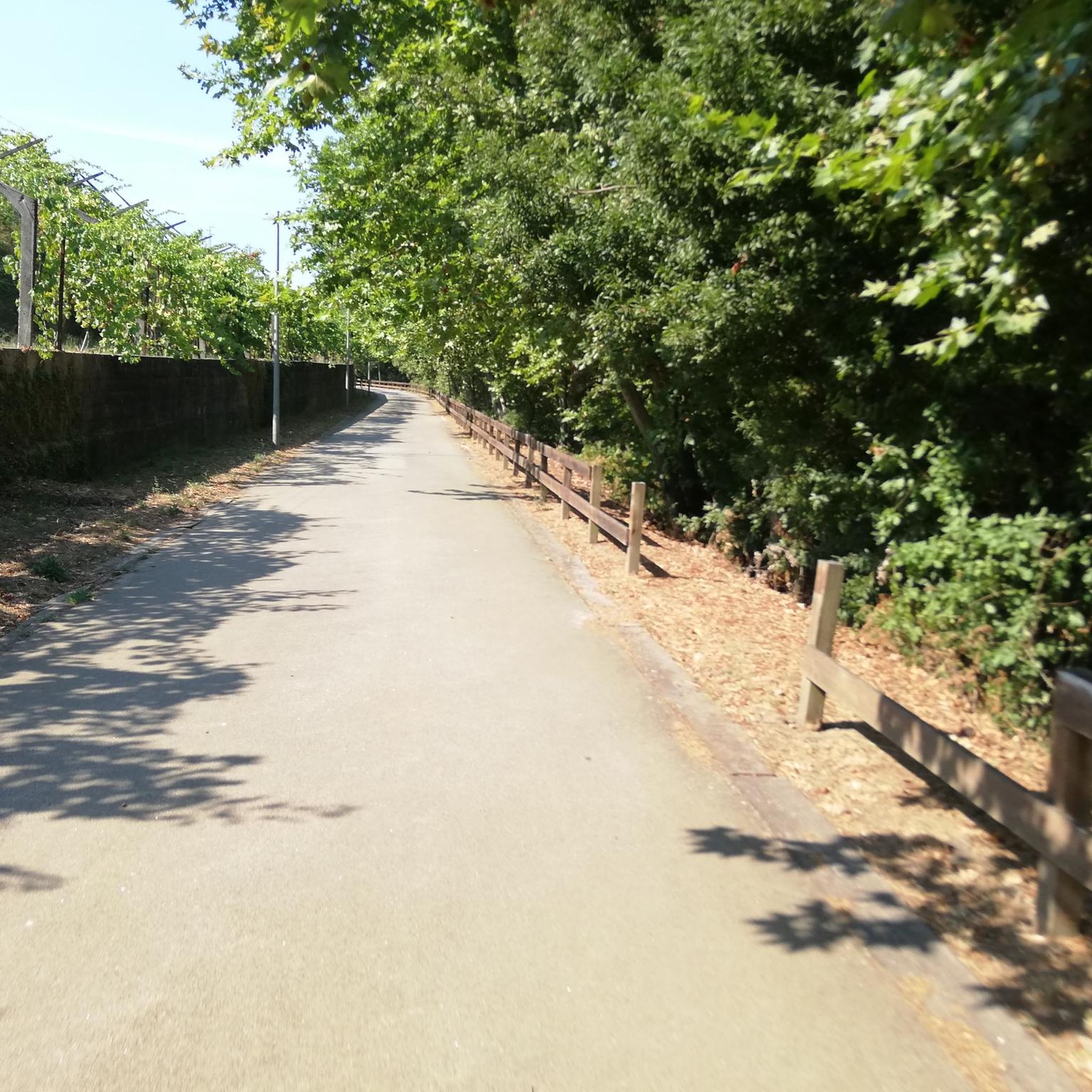
Nice bike path, nice asphalt. Fairly wide, but only in a few spots is the vegetation recovering. Recommended 👍
1
0

The Parque Natural do Alvão is a protected area located in the north of Portugal, founded in 1983. This park is an excellent example of a mountain landscape, characterized by an alternation of higher and more rugged areas, with granite outcrops and unique rock formations, and gentler and greener valleys, where rivers and streams flow.
0
0
The trail follows the Cabril River and passes by the famous swings of Vilar de Viando. The stone bottom is really fun!
0
0
The waterfall cascades down a steep rock face, formed by large boulders and outcrops of dark and gray stone. The water, a brilliant white color, splits into multiple streams as it descends, creating a multi-layered effect. Around the waterfall and along the rocky slopes, vegetation is sparse but tenacious.
0
0
Here you ride on a magnificent forest road surrounded by greenery. You can enjoy the cool breeze on your arms and the soft shade of the trees.
0
0
From this hairpin bend you have a spectacular view. The spontaneous vegetation extends into a carpet of dry grass and low shrubs, typical of the hilly environment. A few scattered trees, with foliage of a more intense green, dot the landscape, adding depth and contrast.
0
0

The Ponte de São Gonçalo bridge, made of granite, is a symbol of the strength of the city's defense against the French. Proof of this is the commemorative plaque in the southern part of the bridge, which commemorates this act.
3
4

The best way to do this is to walk from the parking lot behind the church down to the bank and admire the bridge from there 🤩
4
3
Frequently Asked Questions
How many mountain bike trails are available in Basto?
Basto offers a network of nearly 20 mountain bike trails, catering to various skill levels. These routes traverse diverse landscapes, from rugged mountains to lush river valleys.
Are there mountain bike trails suitable for beginners in Basto?
While many trails in Basto are rated moderate to difficult, the region's diverse terrain does offer sections with gentler slopes. The Tâmega Ecotrail, for instance, built on a deactivated railway line, provides a relatively flat and accessible option for those new to mountain biking, offering scenic views along the river.
What kind of challenges can advanced mountain bikers expect in Basto?
Advanced mountain bikers will find plenty of challenging terrain in Basto. Routes like the Nossa Senhora da Graça Loop feature extensive climbs and technical descents, particularly in areas like Serra da Cabreira and Monte Farinha. These trails often include significant elevation changes and rugged paths.
What is the best time of year for mountain biking in Basto?
The ideal seasons for mountain biking in Basto are spring (March-May) and fall (September-November). During these months, you can expect mild temperatures, minimal rainfall, and clear skies, making for comfortable riding conditions and vibrant scenery, especially in autumn with the changing leaves.
Are there many loop trails for mountain biking in Basto?
Yes, Basto features several excellent loop trails. For example, the Monte Farinha and Senhora da Graça Loop offers a challenging ride through mountainous terrain, while the Santa Natália River – Ponte do Comboio loop from Mondim de Basto provides a difficult route with river views.
Can I find trails with scenic viewpoints in Basto?
Absolutely. Many mountain bike trails in Basto lead to breathtaking scenic viewpoints. The ascent to the Senhora da Graça Sanctuary on Monte Farinha, for instance, offers stunning panoramic views of Celorico de Basto and the surrounding valleys. The Tâmega River valley itself provides numerous picturesque vistas.
Are there any trails that follow river valleys or old railway lines?
Yes, the Tâmega River valley is a central scenic element in Basto. The Tâmega Line Ecotrail is a prominent option, built on a deactivated railway line. This ecotrail spans nearly 40 kilometers, offering gentle slopes and beautiful river views, including a particularly attractive stretch near the Matamá Bridge in Veade.
What historical or cultural attractions can I explore along the mountain bike routes in Basto?
Basto's trails often pass by significant historical and cultural sites. You can encounter traditional stone 'espigueiros' (grain storage houses), historic bridges, and charming villages. The Arco de Baúlhe Railway Station, now a museum, is a point of interest along the Tâmega Ecotrail. The medieval Castle of Arnóia is also often part of routes, providing panoramic views.
Are there any natural landmarks or waterfalls accessible from the trails?
Yes, the region is rich in natural beauty. Near Mondim de Basto, within the Alvão Natural Park, you can find the impressive Fisgas de Ermelo waterfalls, where water cascades down a steep rock face. The park itself, explored by routes like the Loop tour from Sobreira de Mondim in the Alvão Natural Park, features picturesque villages and diverse terrain.
What do other mountain bikers enjoy the most about mountain biking in Basto?
The area is highly rated by the komoot community, with an average score of 4.2 stars. Reviewers often praise the diverse landscapes, ranging from rugged mountains to lush river valleys, and the variety of trails that cater to different skill levels. The stunning panoramic views from peaks like Monte Farinha are frequently highlighted as a favorite aspect.
Are there any family-friendly mountain bike routes in Basto?
For families, the flatter sections of the Tâmega Line Ecotrail are a great option. This trail, built on an old railway line, offers gentle slopes and a safe environment away from traffic, making it suitable for cyclists of varying ages and abilities to enjoy the scenic river views together.
Can I access mountain bike trails in Basto using public transport?
While specific public transport links directly to trailheads can vary, the Tâmega Ecotrail, which passes through towns like Celorico de Basto and Arco de Baúlhe, may offer more accessible points via regional bus services. It's advisable to check local transport schedules for connections to these towns.
Are there any mountain biking centers in the Basto region?
Yes, the Basto region is home to dedicated Mountain Biking Centres, including one in Celorico de Basto, approved by the Portuguese Cycling Union. These centers provide permanent reception and support facilities, along with structured and marked routes classified by physical and technical difficulty.
Most popular routes around Basto
Most popular attractions around Basto

Get inspired with the komoot mobile app


Explore more
Browse the best MTB trails in other regions.
