The best cycling routes around Vila Nune
4.9
(95)
725
riders
19
rides
Touring cycling routes around Vila Nune traverse a landscape characterized by rolling green hills, picturesque countryside, and serene river valleys within Northern Portugal's Minho region. The area benefits from its connection to the Tâmega Line Ecotrail, a cycling path that follows an old railway line. Cyclists can explore quiet country lanes and rural backroads that wind through forests and traditional villages. The region offers diverse terrain, from the gentle paths of the Minho Valley to the more challenging ascents found in areas like the Serra da Cabreira.
Best touring cycling routes around Vila Nune
- The most popular touring cycling route is Circular Route 13 of Mondim de Basto — Alvão Natural Park, a difficult 30.4 miles (48.9 km) trail that takes about 4 hours 48 minutes to complete. This route offers significant elevation gain as it explores the Alvão Natural Park.
- Another top favourite among local touring cyclists is Celorico de Basto Ecotrail – Tâmega Line Greenway loop from Mondim de Basto, a difficult 37.5 miles (60.3 km) path. This route incorporates sections of the Tâmega Line Greenway, providing varied terrain through the region.
- Local touring cyclists also love the Celorico de Basto Ecotrail – Arco de Baúlhe Train Station loop from Arco de Baúlhe, a 23.5 miles (37.8 km) trail leading through the Tâmega Line Ecotrail and past the Arco de Baúlhe Train Station, often completed in about 2 hours 31 minutes.
- Touring cycling around Vila Nune is defined by rolling green hills, river valleys, and sections of the Tâmega Line Ecotrail. The network offers options for challenging routes with notable elevation changes.
- The routes in Vila Nune are highly rated by the komoot community with an average score of 4.9 stars from over 79 reviews. More than 670 touring cyclists have used komoot to explore Vila Nune's varied terrain.
Last updated: July 1, 2026
10
riders
48.9km
04:49
1,220m
1,220m
Hard bike ride. Very good fitness required. Mostly paved surfaces. Suitable for all skill levels.
4.7
(40)
293
riders
Hard bike ride. Very good fitness required. Mostly paved surfaces. Suitable for all skill levels.

Sign up for free
4.8
(21)
116
riders
Moderate bike ride. Good fitness required. Mostly paved surfaces. Suitable for all skill levels.
4.5
(19)
94
riders
Hard bike ride. Very good fitness required. Mostly paved surfaces. Suitable for all skill levels.
46
riders
24.5km
02:00
750m
750m
Hard bike ride. Very good fitness required. Mostly paved surfaces. Suitable for all skill levels.
Get access to more routes and recommendations from other explorers.
Sign up for free
Already have an account?
Our route recommendations are based on thousands of hikes, rides, and runs completed by other people on komoot.
Start today with a free account
Your next adventure awaits.
Login or Signup
Popular around Vila Nune
Tips from the Community

A peaceful route with stunning views over the Tâmega River; in autumn, enjoy the falling leaves and their variety of colors. A safe place to cycle – be careful when crossing local roads, which are usually marked. At a sporting level, sufficiently challenging – 80 kilometers and 800 meters of elevation gain (round trip between Amarante and Arco de Baulhe). Restaurants and/or bars are available at the Gatão, Celorico, and Mondim de Basto train stations.
0
0


Relatively flat. Very pleasant.
1
0

Nice climb, steady and great for pushing. Nice view at the top, and there's a fountain halfway up/down.
0
0

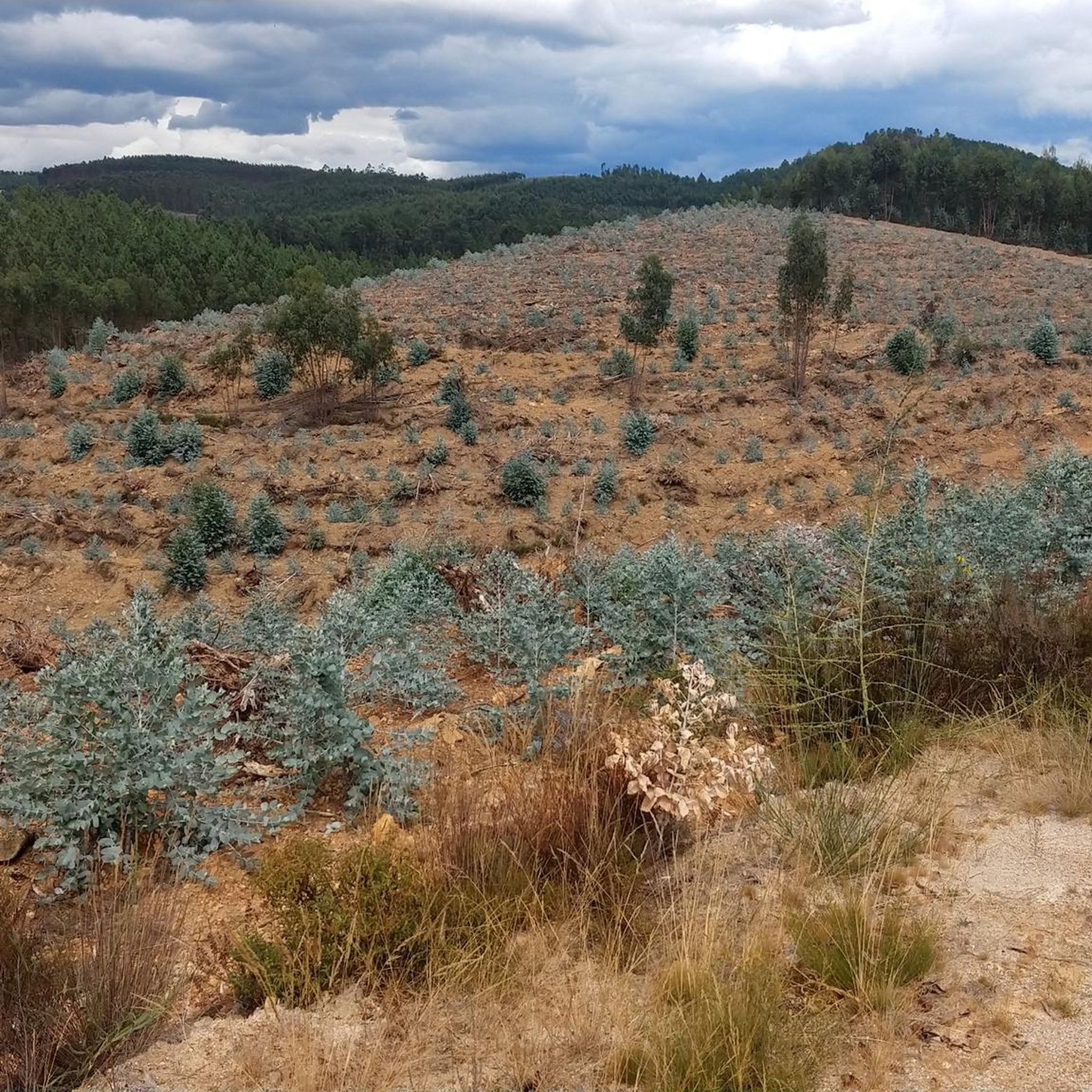
From this hairpin bend you have a spectacular view. The spontaneous vegetation extends into a carpet of dry grass and low shrubs, typical of the hilly environment. A few scattered trees, with foliage of a more intense green, dot the landscape, adding depth and contrast.
0
0

The trail follows the Cabril River and passes the famous swings of Vilar de Viando. The stone floor is more demanding on the legs, but the peaceful surroundings make it all worthwhile.
1
0
Mondim de Basto, on the banks of the Tâmega, holds memories of many peoples. Although it was only founded in the 12th century, during the reign of D. Sancho I, its roots are much older.
1
0

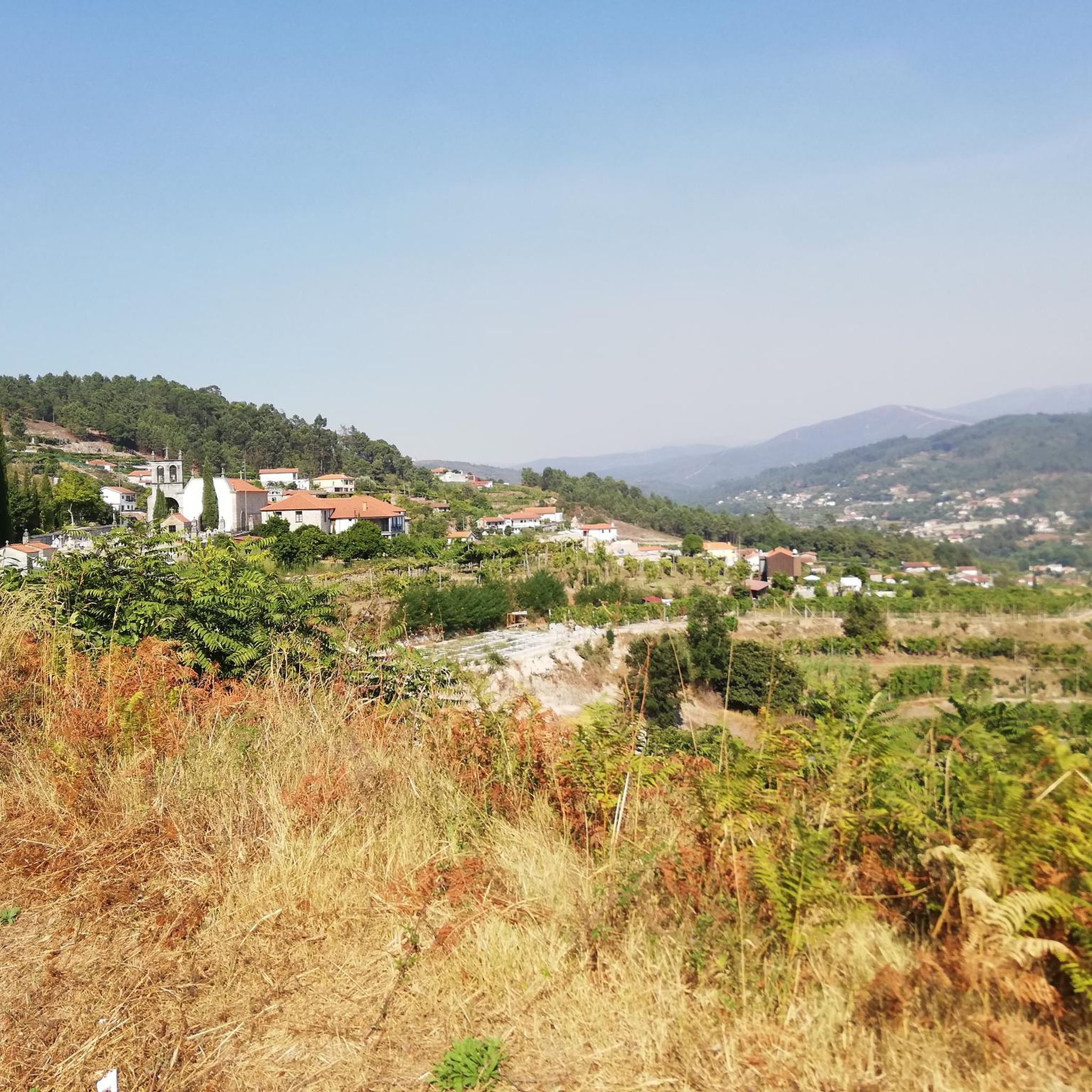
View across the vineyards toward the mountain
0
0
Frequently Asked Questions
What kind of terrain can I expect on touring cycling routes around Vila Nune?
The region around Vila Nune, situated in Northern Portugal's Minho region, offers a diverse landscape for touring cyclists. You'll encounter rolling green hills, picturesque countryside, and serene river valleys. Routes often follow quiet country lanes and rural backroads, winding through forests and traditional villages. The area also features dedicated cycle paths like the Tâmega Line Ecotrail, which follows an old railway line, providing a smoother experience. While many routes are gentle, especially along river valleys, some, particularly those venturing towards the Serra da Cabreira or Alvão Natural Park, include significant elevation changes, offering more challenging ascents.
Are there any easy or beginner-friendly touring cycling routes near Vila Nune?
Yes, the Minho Valley, where Vila Nune is located, is known for its leisurely cycle paths and gentle routes, making it an excellent choice for beginner and intermediate riders. The Tâmega Line Ecotrail is a prime example, offering an accessible way to experience the region's beauty along an old railway line. While the guide primarily features more challenging routes, the general character of the Minho region provides options for less strenuous rides, often found along river valleys.
What are some of the more challenging touring cycling routes in the Vila Nune area?
For cyclists seeking a challenge, Vila Nune offers routes with notable elevation changes. For instance, the Circular Route 13 of Mondim de Basto — Alvão Natural Park is a difficult 30.4-mile (48.9 km) trail with significant elevation gain as it explores the Alvão Natural Park. Another demanding option is the Celorico de Basto Ecotrail – Tâmega Line Greenway loop from Mondim de Basto, a difficult 37.5-mile (60.3 km) path that incorporates varied terrain.
What natural features or landmarks can I see along the touring cycling routes?
Cycling around Vila Nune offers views of lush river valleys, rolling green hills, and traditional villages. You can also explore the wild nature of the Serra da Cabreira, known for its hidden trails and granite pools with waterfalls. The region is also close to Parque Natural do Alvão and Peneda-Gerês National Park, offering rugged mountains and deep valleys. Along some routes, you might pass by cultural landmarks such as the Arco de Baúlhe Railway Station, which now hosts a regional museum, or sections of the Tâmega Line Ecotrail itself, which is a highlight.
Are there any circular touring cycling routes available from Vila Nune?
Yes, several routes in the area are designed as loops. For example, the Circular Route 13 of Mondim de Basto — Alvão Natural Park is a challenging loop that takes you through the natural park. Another option is the Celorico de Basto Ecotrail – Arco de Baúlhe Train Station loop from Arco de Baúlhe, which offers a loop through the Tâmega Line Ecotrail.
What is the Tâmega Line Ecotrail and how does it relate to cycling in Vila Nune?
The Tâmega Line Ecotrail (Ecopista da Linha do Tâmega) is a significant cycling path in the region, following an old railway line. It's often referred to as a cycling 'highway' and offers a route from Arco de Baúlhe through several localities, including Vila Nune, all the way to Amarante. It provides an accessible and scenic way to cycle through the Minho region, connecting various towns and natural areas. While some parts may be better suited for gravel or mountain bikes due to ongoing construction, it's a key feature for touring cyclists in the area.
What do other touring cyclists say about the routes around Vila Nune?
The touring cycling routes around Vila Nune are highly regarded by the komoot community, with an impressive average score of 4.9 stars from over 79 reviews. Cyclists often praise the varied terrain, from the gentle paths of the Tâmega Line Ecotrail to the more challenging ascents in the hills, and the beautiful scenery of rolling green hills and river valleys.
Are there any family-friendly cycling options near Vila Nune?
The Minho Valley, where Vila Nune is located, is generally considered an excellent choice for beginner and intermediate riders due to its leisurely cycle paths and gentle routes. The Tâmega Line Ecotrail, being a converted railway line, often provides a relatively flat and safe environment suitable for families. Additionally, the coastal paths around Viana do Castelo, though a short distance away, offer flat and family-friendly riding options.
What are the best times of year to go touring cycling in Vila Nune?
The Minho region generally offers pleasant cycling conditions for much of the year. Spring and autumn are often ideal, with milder temperatures and lush landscapes. Summer can be warm, but cycling along river valleys or in the mornings/evenings can still be enjoyable. The region's green character means it's beautiful across seasons, but avoiding the peak heat of midday in summer is advisable for longer rides.
Are there places to stop for refreshments or amenities along the cycling routes?
Yes, as you cycle through traditional villages and towns like Arco de Baúlhe or towards Amarante, you'll find opportunities for refreshments. These areas often have local cafes, restaurants, and small shops where you can stop for a break, refuel, and experience local cuisine. The region is known for its charming traditional villages, making stops a pleasant part of the cycling experience.
How many touring cycling routes are available around Vila Nune?
There are over 15 touring cycling routes available around Vila Nune, offering a wide range of distances and difficulties. These routes have been explored by more than 670 touring cyclists using komoot, indicating a popular and well-loved cycling destination.
What is the elevation gain like on the touring cycling routes in Vila Nune?
The elevation gain varies significantly depending on the route. While some sections, particularly along the Tâmega Line Ecotrail, are relatively flat, many routes in the region feature rolling hills and more substantial climbs. For example, the Long Climb or Descent Pathway – Arco de Baúlhe Train Station loop from Arco de Baúlhe involves over 1100 meters of elevation gain, indicating that challenging ascents are a common feature for those seeking them.
Most popular routes around Vila Nune
Most popular attractions around Vila Nune

Get inspired with the komoot mobile app


Explore more
Browse the best Cycling routes in other regions.
