The best cycling routes around Fão
4.2
(80)
937
riders
57
rides
Touring cycling routes around Fão are characterized by a blend of riverine and coastal landscapes. The region is situated at the mouth of the Cávado River, offering routes along its banks and through adjacent pine forests. Coastal areas feature extensive beaches and wooden walkways, particularly within the Parque Natural do Litoral Norte. The terrain generally includes flat sections along the river and coast, with some routes incorporating gentle hills.
Best touring cycling routes around Fão
- The most popular touring cycling…
Last updated: June 29, 2026
4.3
(4)
62
riders
40.0km
02:52
130m
130m
Moderate bike ride. Good fitness required. Mostly paved surfaces. Suitable for all skill levels.
5.0
(3)
38
riders
58.8km
03:58
460m
460m
Hard bike ride. Very good fitness required. Mostly paved surfaces. Suitable for all skill levels.

Sign up for free
4.0
(1)
18
riders
25.6km
01:35
90m
90m
Easy bike ride. Great for any fitness level. Mostly paved surfaces. Suitable for all skill levels.
4.0
(2)
18
riders
31.2km
01:51
90m
90m
Easy bike ride. Great for any fitness level. Mostly paved surfaces. Suitable for all skill levels.
5.0
(1)
12
riders
35.6km
02:35
430m
430m
Moderate bike ride. Good fitness required. Mostly paved surfaces. Suitable for all skill levels.
Get access to more routes and recommendations from other explorers.
Sign up for free
Already have an account?
Our route recommendations are based on thousands of hikes, rides, and runs completed by other people on komoot.
Start today with a free account
Your next adventure awaits.
Login or Signup
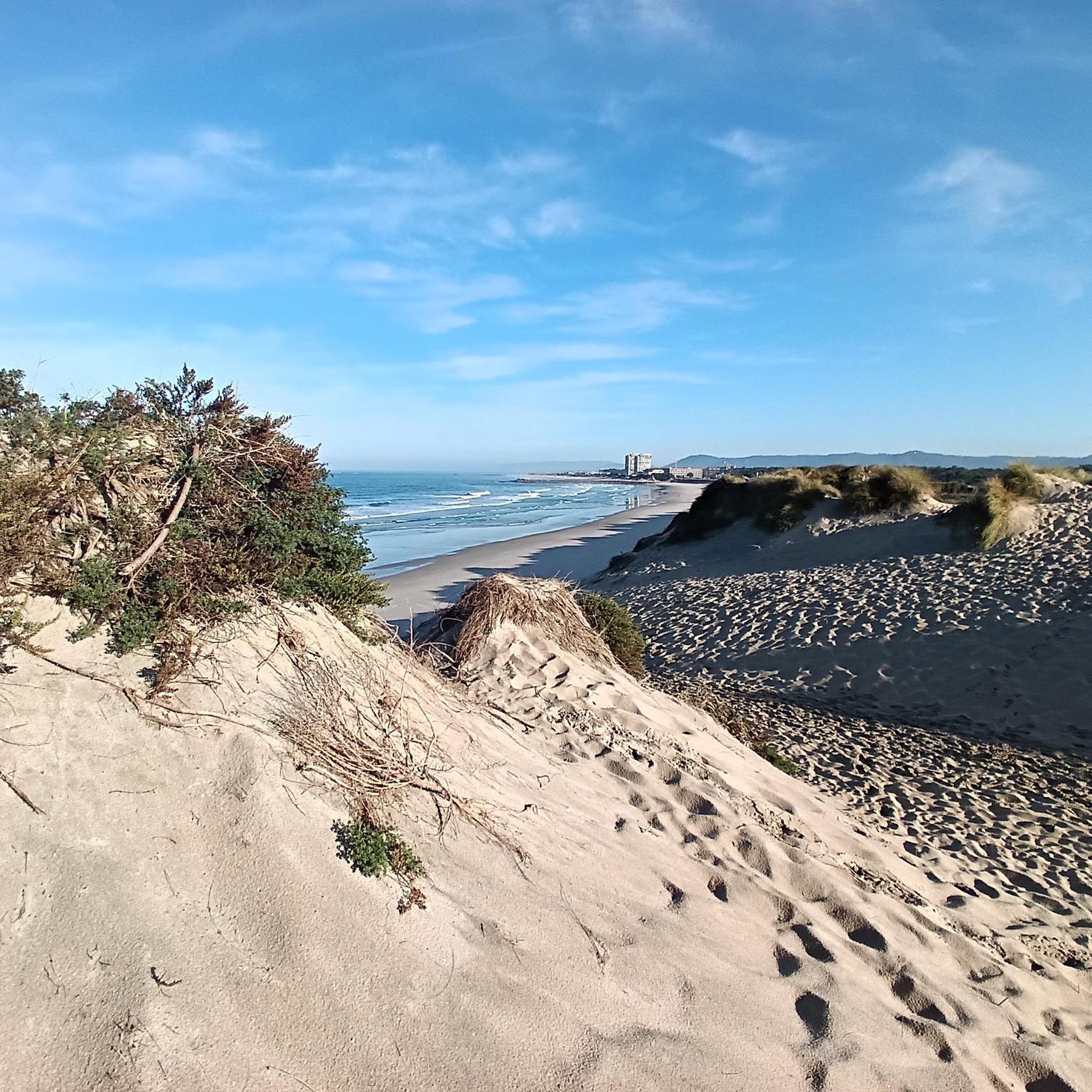
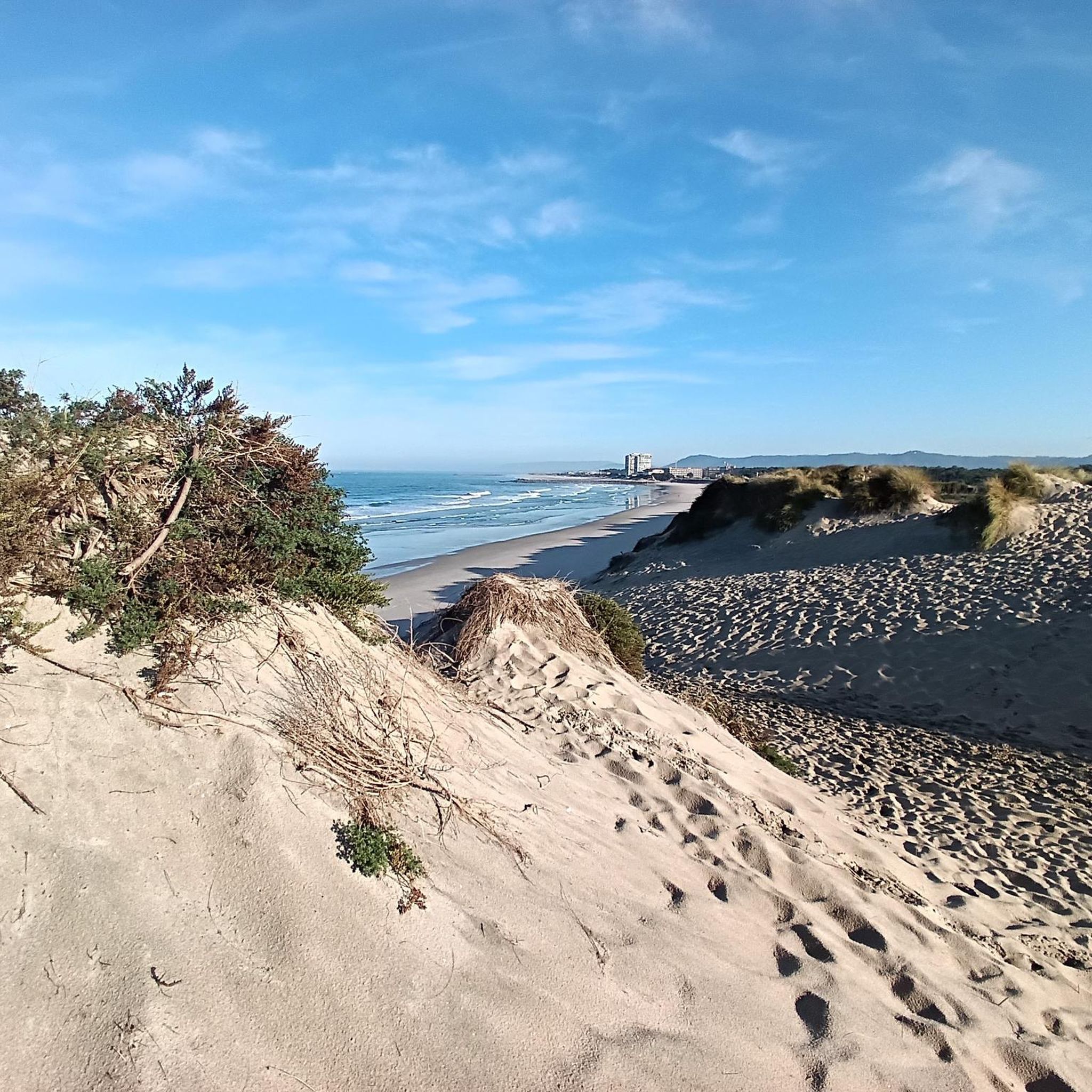
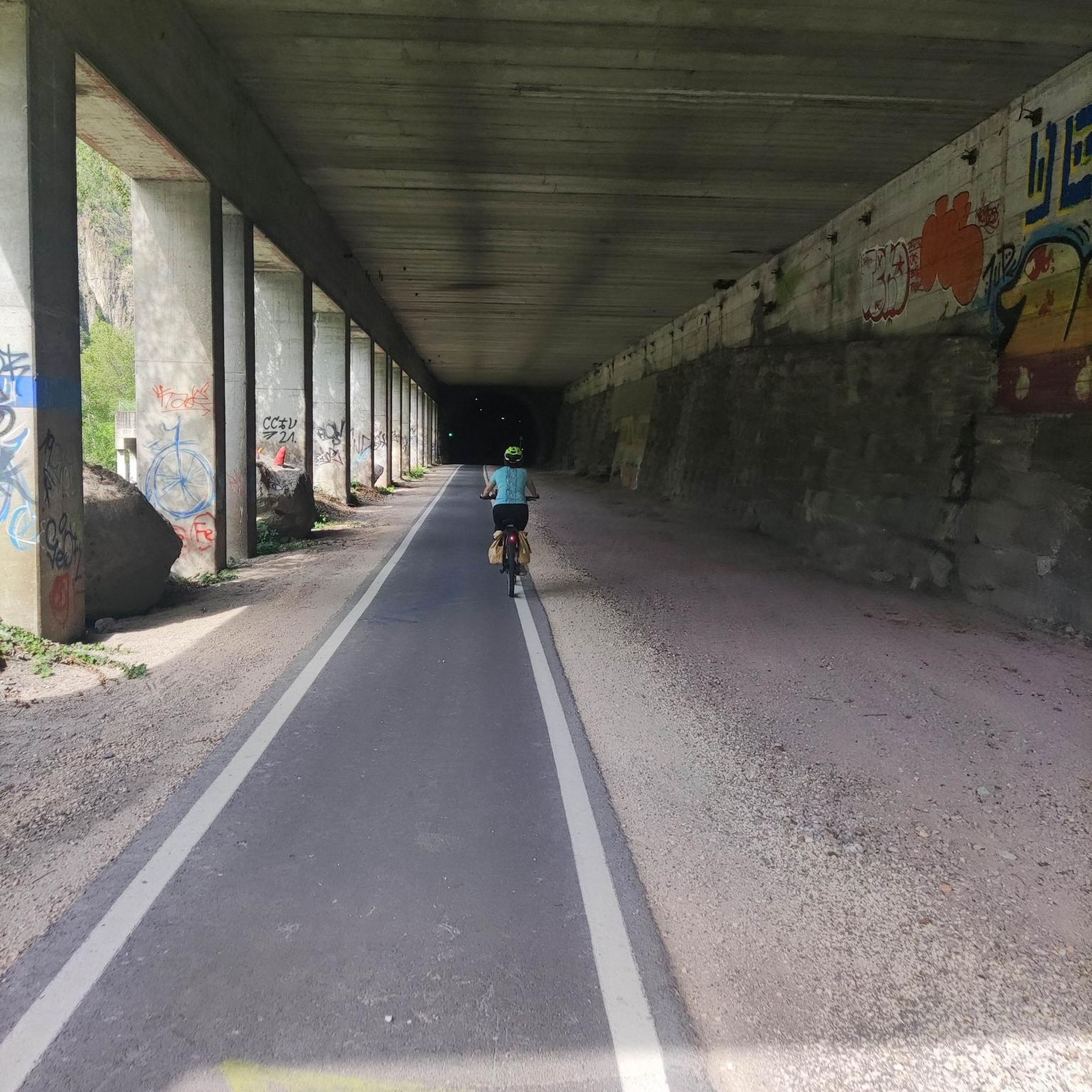
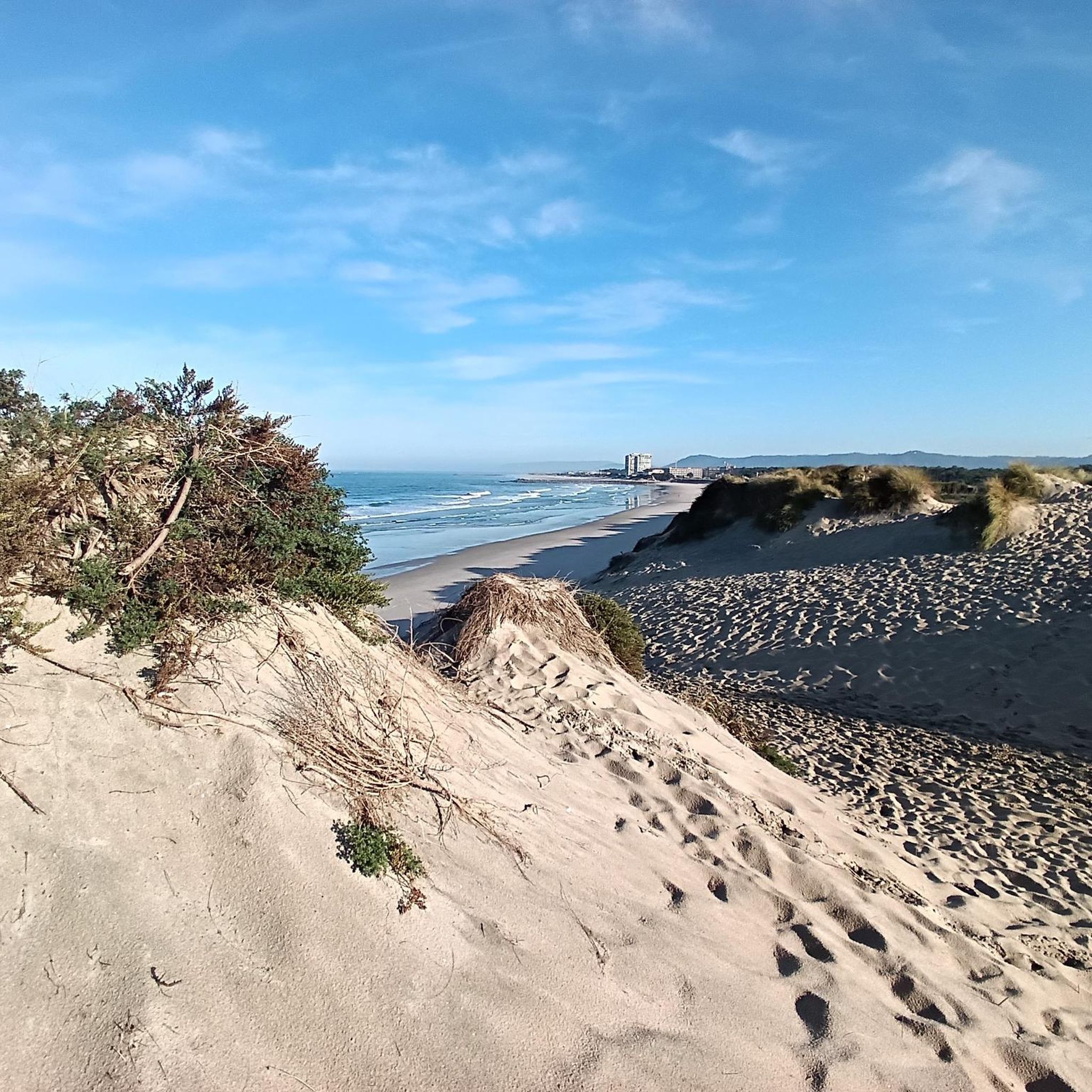
Tips from the Community

In the Mass on the Solemnity of the Most Sacred Heart of Jesus (June 11, 2026), the Holy Father, Pope Leo XIV, preached, referring to the words of the Doctor of the Church, Saint Augustine: “Where there is love, there is peace, and where there is humility, there is love”: “It is so. Where there is true humility, there is love, and where there is love, there is peace, for only in humility do we truly recognize who we are… Beloved brothers and sisters, today we venerate the Most Sacred Heart of Jesus, which we often see depicted with a crown of thorns and a burning flame, according to the visions of Saint Margaret Mary Alacoque. Let us remember that we are the living presence of the Lord in the world… Let us, inflamed by the love of His Heart, become messengers of His mercy and His peace, so that wars in the world may cease and a new humanity, reconciled in love, may grow around us.”
0
0

Accessibility and Amenities The Vila do Conde City Council has invested in infrastructure to improve accessibility, especially within the scope of the "SEA FOR ALL" operation. Accessibility: Several beaches have access ramps and accessible routes for people with reduced mobility. Parking: There are paid and free parking options along the waterfront and in specific car parks, such as the Caravan Car Park. Public Transport: The area is well served by bus lines that connect to nearby metro stations, facilitating access to the beaches.
1
0
Highlights of Vila do Conde Beaches The municipality has a dynamic coastline with several bathing areas, many of them accessible and with supporting infrastructure. Urban Beaches (North and South Urban Front): These are the central beaches of the city and maintain the Blue Flag award. They are easily accessible and have several nearby amenities, such as cafes, restaurants and shops. Mindelo Beach: Located south of the Ave River, this beach also boasts the Blue Flag and has accessibility infrastructure. Vila Chã Beach: A pleasant and well-rated beach, known for its fishing community and available amenities. Labruge Beach: Another beach awarded the Blue Flag, known for its natural beauty.
1
0
Location and Natural Environment Ofir Park is strategically located in the Ofir Pine Forest, between the mouth of the Cávado River and Ofir Beach, which extends to Cabedelo Beach. The area is known for: Beach: An extensive, clean beach with crystal-clear, albeit cold, water, featuring the famous "windbreak" huts for protection against the wind. Pine Forest and River: A pine forest and private gardens that guarantee tranquility and direct contact with nature, next to the Cávado River.
1
0
Ofir Park refers to an area of great natural and tourist beauty in Fão, in the municipality of Esposende, which includes a pine forest, a beach and hotel developments, namely the Parque do Rio Ofir Hotel and the Park Ofir Apartments.
1
0
Visiting and Amenities The area is freely accessible and is a very popular tourist attraction for those visiting the North Coast Natural Park, where Apúlia beach is located. Walks: An extensive wooden walkway winds along the shoreline and between the dunes, connecting the windmills and allowing for a pleasant and safe walk, with stunning views of the ocean and the natural landscape. Activities: The location is ideal for hiking, photography, and enjoying the fresh ocean air. The nearby beach is known for its natural beauty and water sports. Accessibility: Accessible parking is available, and the area is considered good for children.
1
0
Description and Context Rising between the sea and the dunes of Apúlia Beach, these five centuries-old windmills are a symbol of the region's cultural heritage. They were originally built to harness the constant force of the Atlantic winds to grind cereals, mainly corn. Today, although they are no longer in operation for milling, the windmills have been restored and many have been converted into summer homes or private holiday homes, maintaining their traditional architecture.
1
0
The windmills of Apúlia, located in the parish of Apúlia, municipality of Esposende, are an iconic landscape of the northern coast of Portugal.
1
0
Frequently Asked Questions
What kind of terrain can I expect on touring cycling routes around Fão?
Touring cycling routes in Fão offer a diverse landscape. You'll find flat sections along the Cávado River and the coast, often passing through pine forests. Some routes may include gentle hills, providing a varied experience. The region is part of the Parque Natural do Litoral Norte, ensuring scenic views of both riverine and coastal environments.
Are there touring cycling routes suitable for beginners or those looking for an easy ride?
Yes, Fão offers several easy touring cycling routes. For instance, the Apúlia Beach 🏖️ – Apúlia Windmills loop from Gemeses is an easy 26.9 km path, perfect for a relaxed ride. Another accessible option is the Aguçadoura Beach Mill – Fão Bridge loop from Gemeses, which covers 31.9 km with minimal elevation gain.
What are some of the natural features and landmarks I can see while cycling in Fão?
Fão's cycling routes are rich in natural beauty and historical landmarks. You can cycle along the Cávado River, explore the Ofir Pine Forest, and enjoy the extensive beaches like Ofir Beach and Praia de Fão. The historic Fão Bridge is a prominent landmark. You might also encounter the Aguçadoura Beach Mill and the scenic wooden walkways along the coast, especially near Apúlia Beach with its traditional windmills.
Are there any challenging touring cycling routes in the Fão area?
Yes, for more experienced cyclists seeking a challenge, Fão has routes with varied terrain and greater elevation. The Marinhas ⛪🏘️ – View of Viana do Castelo loop from Esposende is a difficult 58.6 km route offering expansive coastal views and more demanding sections. Another difficult option is the Esposende Maritime Museum ⛵ – Castro of São Lourenço loop from Esposende, a 52.5 km trail that includes significant elevation changes.
What do other touring cyclists say about the routes in Fão?
The touring cycling routes around Fão are highly regarded by the komoot community, holding an impressive average rating of 4.4 stars from around 80 reviews. Cyclists often praise the beautiful blend of riverine and coastal scenery, the well-maintained paths, and the opportunity to explore both natural parks and historical sites.
Are there any circular touring cycling routes available in Fão?
Many of the touring cycling routes in Fão are designed as loops, allowing you to start and end at the same point. For example, the popular Fão Bridge – Esposende Maritime Museum ⛵ loop from Esposende is a 40 km circular trail that follows the Cávado River and coastal paths.
Is there a notable long-distance cycling path in the Fão region?
Yes, Fão is a key point on the Ecovia do Cávado, a significant cycling route that runs along the south bank of the Cávado River. This ecovia is part of a larger project connecting the North Coast to the interior, and even links to the Portuguese Caminhos de Santiago. It offers a 55-kilometer route passing through Esposende, Barcelos, Braga, and Vila Verde, providing an excellent option for longer touring rides. More information can be found on the Esposende tourism website: visitesposende.com.
What is the best time of year to go touring cycling in Fão?
Fão benefits from a mild climate, making touring cycling enjoyable for much of the year. Spring (April-June) and early autumn (September-October) are particularly pleasant, with comfortable temperatures and less crowded paths. Summer can be warm, especially inland, but coastal breezes offer relief. Winters are generally mild but can bring more rain.
Are there options for family-friendly touring cycling in Fão?
Yes, the generally flat sections along the Cávado River and the coast, particularly within the Ecovia do Cávado, are well-suited for families. These paths often provide safe, scenic environments away from heavy traffic, making them ideal for cyclists of all ages and skill levels.
Are the touring cycling routes in Fão dog-friendly?
Many of the natural paths and ecovias in Fão, especially those along the riverbanks and through pine forests, are generally suitable for cycling with dogs, provided they are well-behaved and kept on a leash. Always be mindful of local regulations, other users, and ensure your dog is comfortable with the distance and terrain.
What kind of facilities are available for cyclists in Fão, such as cafes or accommodation?
Fão and the surrounding areas, including Esposende, are accustomed to welcoming cyclists. You'll find various cafes and restaurants along the routes, especially in towns and villages, where you can refuel. Accommodation options range from hotels to guesthouses, many of which are cyclist-friendly and may offer secure bike storage. The region's integration into major cycling routes like the Ecovia do Cávado means services catering to cyclists are increasingly common.
Is public transport an option for reaching touring cycling routes in Fão with a bike?
Public transport options in the Fão and Esposende area, such as regional buses, may allow bikes, though policies can vary. It's advisable to check with specific transport providers in advance regarding their bike carriage rules, especially during peak times or for longer journeys. The area is also well-connected by road, making car transport with bike racks a common alternative.
Where can I find parking facilities near the touring cycling routes in Fão?
Parking is generally available in Fão and nearby towns like Esposende. Look for designated parking areas near popular starting points for routes, such as near the Fão Bridge, along the riverfront, or close to the beaches. Many of these areas offer convenient access to the Ecovia do Cávado and other coastal paths.
Most popular attractions around Fão

Get inspired with the komoot mobile app


Explore more
Browse the best Cycling routes in other regions.
