The best road cycling routes around Marinhas
4.6
(17)
753
riders
34
rides
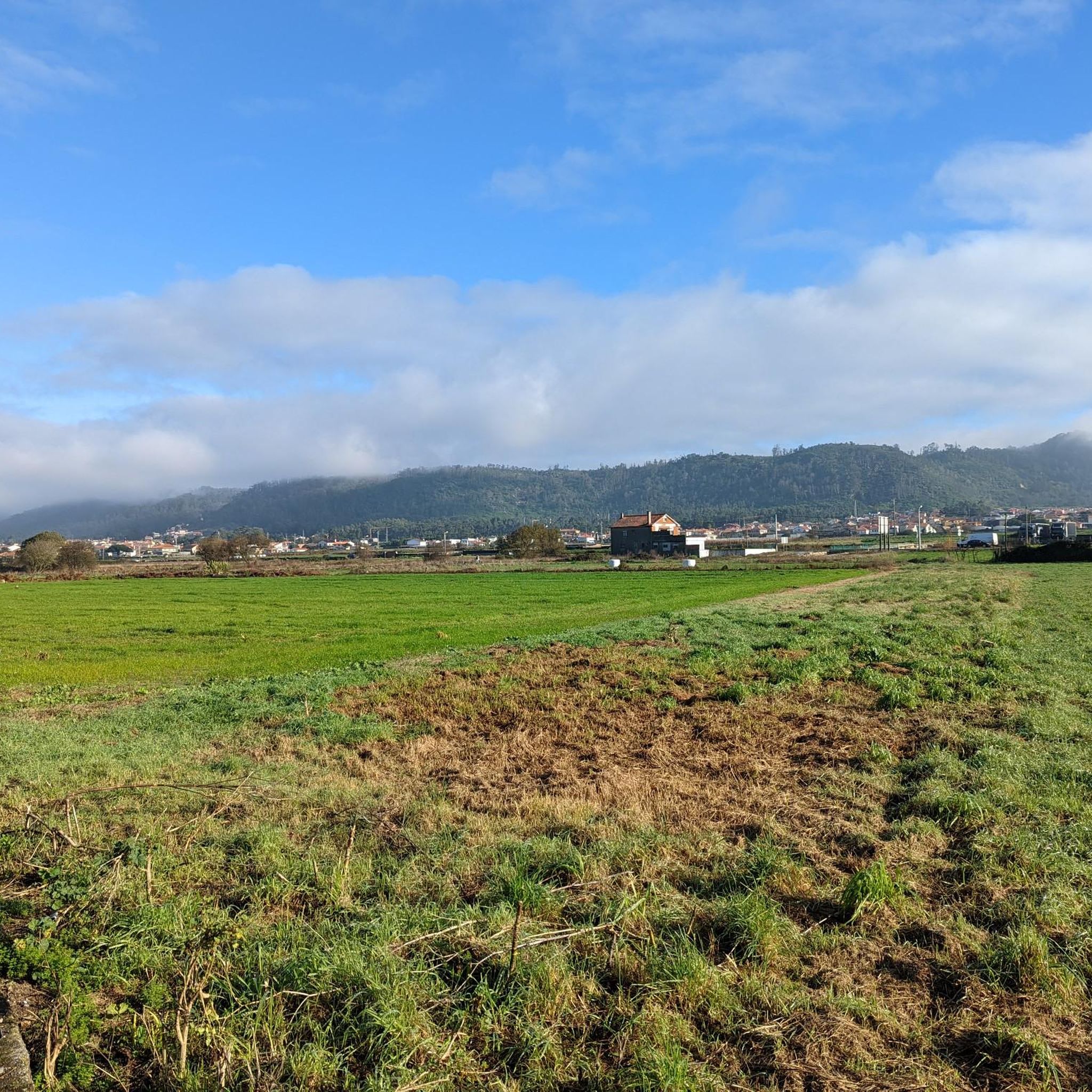
Road cycling around Marinhas, located in Northern Portugal near Esposende, offers diverse terrain for cyclists. The region is characterized by its coastal scenery, including extensive white sand dunes and the estuaries of the Cávado and Neiva rivers. Cyclists can explore dedicated cycle paths that are part of the Ecovia do Litoral Norte, often featuring segregated bidirectional routes. The landscape also includes pinewoods and rural farmland, providing varied backdrops for road cycling routes.
Best road cycling routes around Marinhas
- The most…
Last updated: August 13, 2026
4.6
(8)
92
riders
Easy road ride. Great for any fitness level. Mostly well-paved surfaces and easy to ride.
4.5
(2)
68
riders
42.5km
01:57
140m
140m
Easy road ride. Great for any fitness level. Mostly well-paved surfaces and easy to ride.

Sign up for free
41
riders
97.3km
04:29
940m
940m
Hard road ride. Very good fitness required. Some segments of this route may be unpaved and difficult to ride.
29
riders
37.8km
01:41
350m
350m
Moderate road ride. Good fitness required. Mostly well-paved surfaces and easy to ride.
24
riders
59.2km
02:42
550m
550m
Moderate road ride. Good fitness required. Mostly well-paved surfaces and easy to ride.
Get access to more routes and recommendations from other explorers.
Sign up for free
Already have an account?
Our route recommendations are based on thousands of hikes, rides, and runs completed by other people on komoot.
Start today with a free account
Your next adventure awaits.
Login or Signup
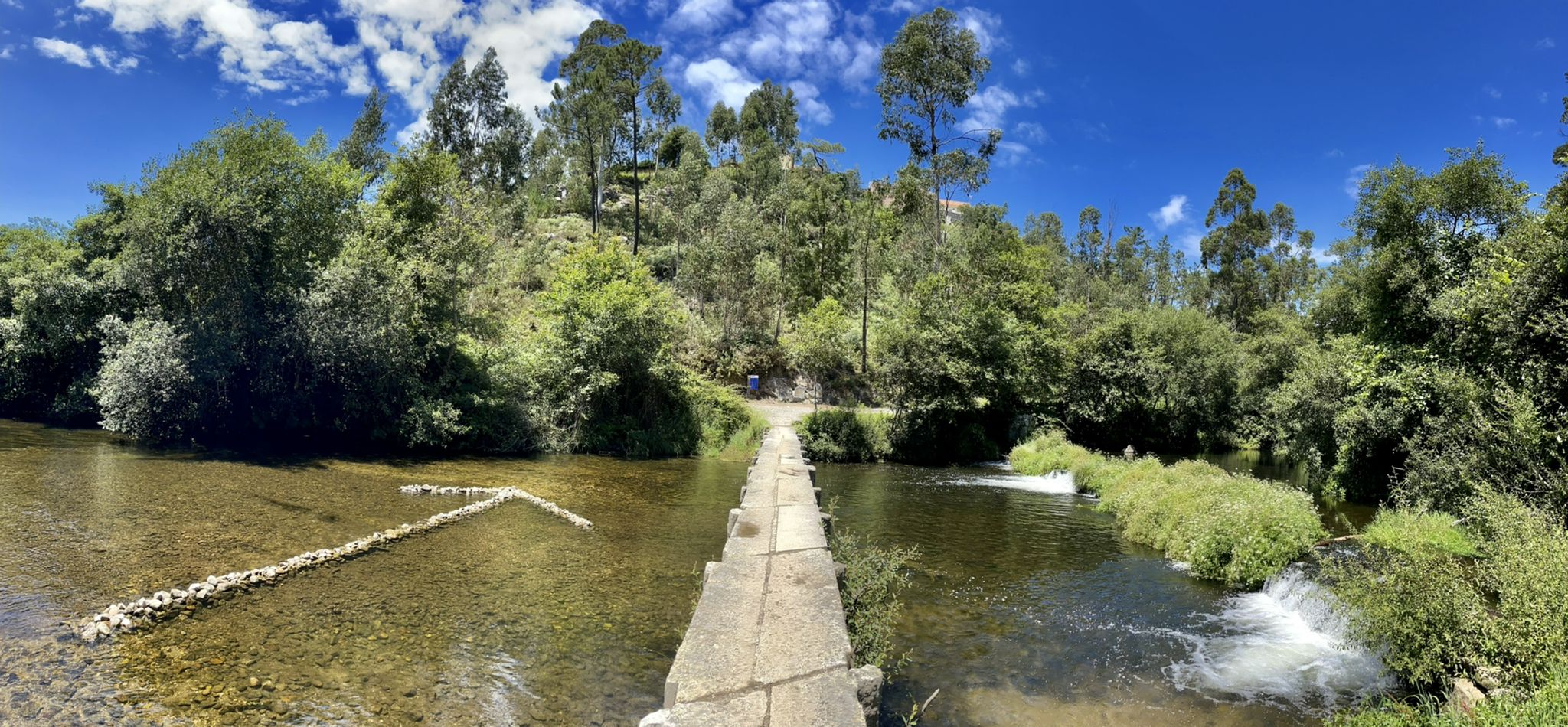
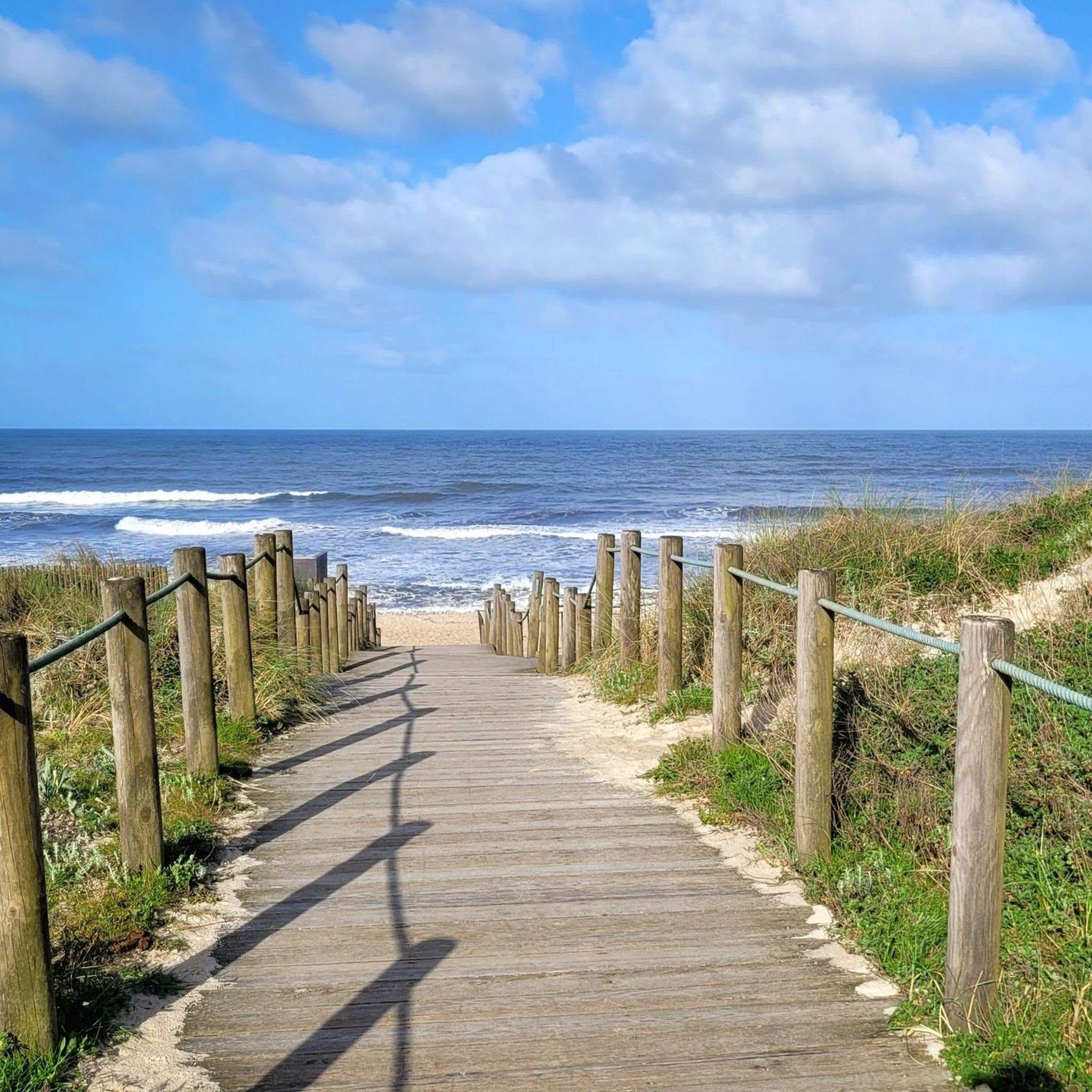
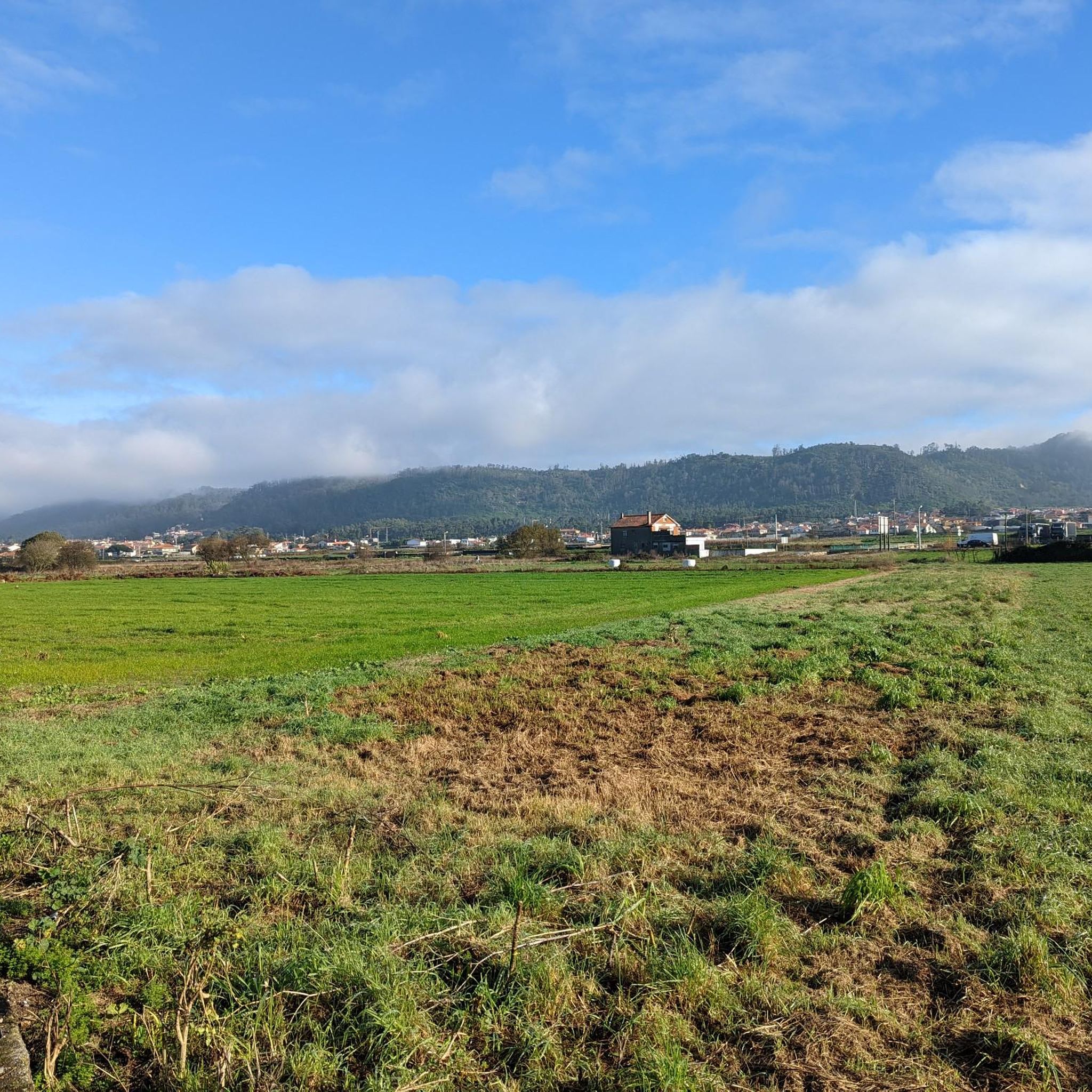
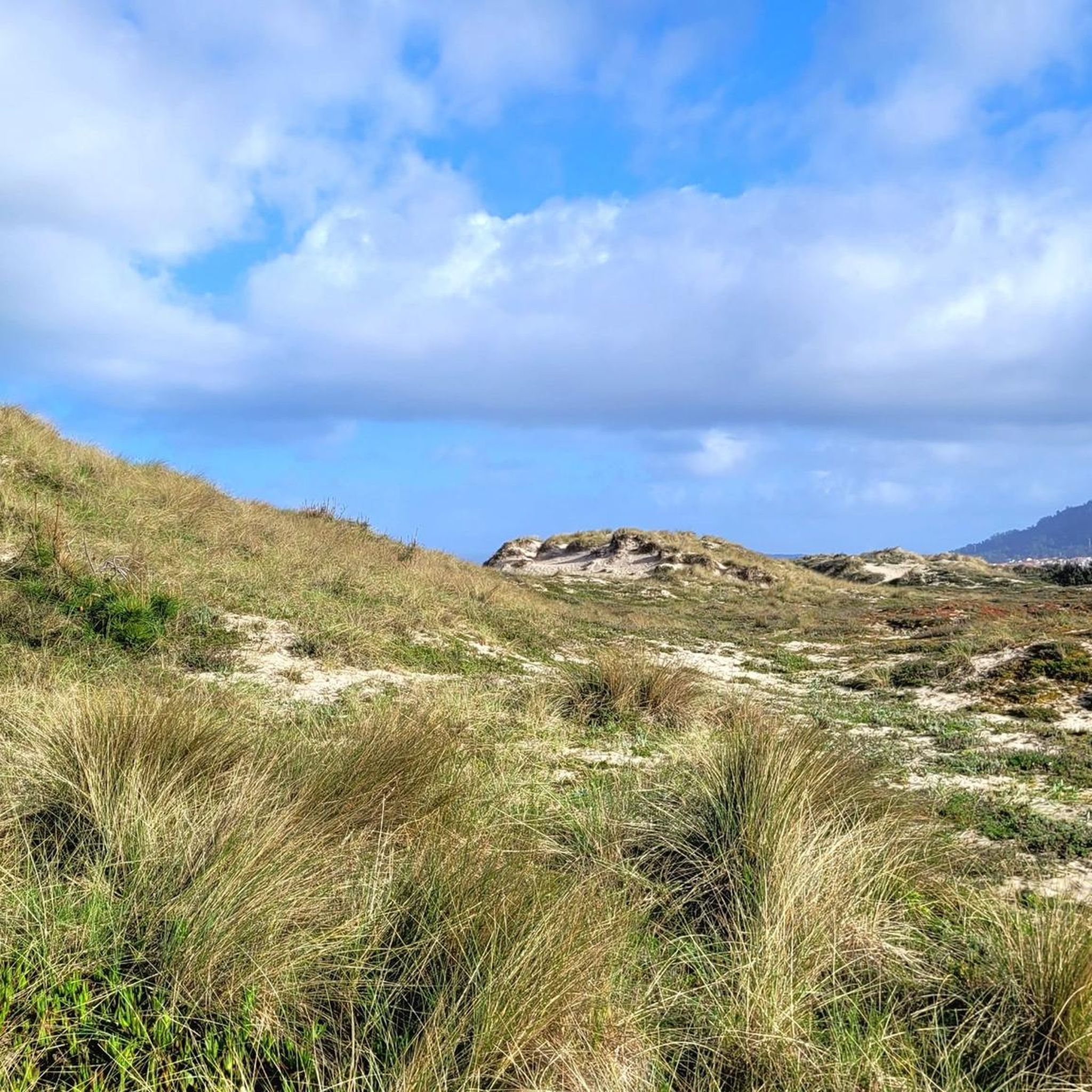
Other adventures around Marinhas

Tips from the Community

The Metal Bridge of Fão (Esposende) Location: It crosses the Cávado River, on National Road 13 (EN13), in the parish of Fão, in Esposende. Alternative Name: It is frequently referred to as the D. Luís Filipe Bridge. History: It is a significant example of iron architecture in Portugal, inaugurated on August 7, 1892. Characteristics: The bridge, which is a Property of Public Interest, has an extensive metal structure and has recently been rehabilitated.
2
0
In Esposende, the main historical bridge that crosses the Cávado River is the Ponte Metálica de Fão, also known locally as Ponte D. Luís Filipe.
2
0

Old windmills on a dike. A beach on the ocean side. Nice area, even though today wasn't beach weather.
0
1

The Way of St. James also runs through here. I don't find the town particularly special, nor the beach particularly nice—too many stones in the sand. The cycling and hiking trails are well-developed, and almost every restaurant has free Wi-Fi.
1
1


From the bridge, you have a good view of the Lima River and the city of Viana. However, the pedestrian lane (only the one downstream is open) is very narrow and not really designed for two-way traffic. In Eiffel's time, the entire upper bridge was probably intended for pedestrians and oxcarts. The railway runs one level below: https://pt.wikipedia.org/wiki/Ponte_Eiffel
2
0

always walk along the sea well on the wooden floor
0
2

The linguistic proximity of the "Puente Eiffel" here in Portugal and the Eifel mountain range in western Germany is no coincidence: The family of the designer – whose world-famous "Twilight of Paris" (named after its builder) is probably familiar to everyone – has German roots. The ancestors of the Eiffel Tower and bridge builder Gustave EIFFEL come from the Eifel town of Marmagen (in the Euskirchen district, North Rhine-Westphalia). The village square there – if you're interested, see the following hiking highlight https://www.komoot.com/de-de/highlight/1830307 – is named after him.
2
0
Frequently Asked Questions
How many road cycling routes are available in Marinhas?
Marinhas offers a wide selection of road cycling routes, with over 35 tours available. These routes cater to various skill levels, from easy coastal rides to more challenging inland loops.
What kind of terrain can I expect on road cycling routes around Marinhas?
Road cycling in Marinhas, near Esposende, features diverse terrain. You'll find dedicated cycle paths, often segregated and bidirectional, particularly along the riverfront and urban areas. Routes also traverse extensive white sand dunes, pinewoods, and rural farmland, offering a mix of coastal and inland scenery. Some sections may include wooden walkways over dunes for a unique experience.
Are there easy or family-friendly road cycling routes in Marinhas?
Yes, Marinhas has several easy road cycling routes perfect for beginners or families. There are 14 easy routes, many of which follow dedicated cycle paths like the Ecovia do Litoral Norte, providing a safe and enjoyable experience. These routes often feature gentle elevation changes, making them accessible for various fitness levels.
Are there challenging road cycling routes for experienced cyclists in Marinhas?
For experienced road cyclists seeking a challenge, Marinhas offers 4 difficult routes. An example is the Eiffel Bridge – Eiffel Bridge (Ponte Eiffel) loop from Esposende, which is nearly 100 km long and includes significant elevation changes, exploring the wider region around the historic Eiffel Bridge.
What natural features or landmarks can I see along the road cycling routes in Marinhas?
Cycling routes in Marinhas often pass through the stunning Parque Natural do Litoral Norte, an 18-kilometer stretch of coastline with dunes and diverse ecosystems. You can also encounter traditional windmills, particularly near Apúlia, and enjoy views of the Cávado and Neiva river estuaries. Notable bridges like the Stone Bridge over the Neiva River and the Fão Bridge are also points of interest.
Are there any cultural or historical attractions accessible by road bike in Marinhas?
Yes, several routes offer glimpses into the region's culture and history. You might pass by the Apúlia Church, the São João Baptista Fort and Lighthouse in Esposende, or the Historic coastal windmills park in Apúlia. The region is also part of the Portuguese Coastal Way of the Camino de Santiago, offering a blend of physical activity and cultural immersion.
What are the typical distances and durations for road cycling routes in Marinhas?
The routes in Marinhas vary significantly in length and duration. For example, an easy route like the View of Esposende – São Romão de Neiva Monastery loop from Esposende covers about 44 km and takes under 2 hours. More moderate routes, such as the Palmeira de Faro – View of the Neiva River loop from Esposende, can be around 57 km and take over 2.5 hours. The most challenging routes can extend up to nearly 100 km.
Are the road cycling routes in Marinhas typically circular?
Many of the road cycling routes in Marinhas are designed as loops, allowing you to start and end at the same point. This is convenient for cyclists who drive to their starting location. Examples include the View of Esposende – Palmeira de Faro loop from Esposende and the Apúlia Windmills – Fão Bridge loop from Esposende, Marinhas e Gandra.
What do other road cyclists enjoy most about cycling in Marinhas?
The road cycling routes in Marinhas are highly rated by the komoot community, with an average score of 4.6 stars from over 19 reviews. Cyclists often praise the varied terrain, from coastal paths to rural landscapes, and the well-maintained Ecovia network. The blend of natural beauty, such as the dunes and river estuaries, with cultural landmarks like historic bridges and windmills, also contributes to a highly enjoyable experience.
Is there public transport access to the road cycling routes in Marinhas?
While specific public transport connections directly to every trailhead may vary, Marinhas is well-integrated into the Esposende area. The Ecovia do Litoral Norte, a key cycling infrastructure, connects various points along the coast and riverfront, making it accessible from different urban centers. It's advisable to check local bus schedules for connections to Esposende or specific starting points.
Are there places to stop for refreshments or cafes along the road cycling routes?
Given the routes often pass through or near urban centers like Esposende and coastal towns like Apúlia, you will find opportunities for refreshments. The Ecovia network is designed to connect communities, so cafes, restaurants, and local shops are generally accessible along or close to many routes, especially in more populated areas and near beaches.
What is the best time of year for road biking in Marinhas?
The coastal climate of Marinhas makes it suitable for road cycling for much of the year. Spring and autumn generally offer pleasant temperatures and fewer crowds. Summer can be warm, but the Atlantic breeze provides some relief, especially on coastal routes. Winter can be cooler and wetter, but many days remain suitable for cycling, particularly on the dedicated paths.
Most popular attractions around Marinhas

Get inspired with the komoot mobile app


Explore more
Browse the best Road cycling routes in other regions.
