Attractions and Places To See around Palmeira De Faro - Top 20
Best attractions and places to see around Palmeira De Faro, a locality within the municipality of Esposende in northern Portugal, include a mix of historical, cultural, and natural sites. The area features ancient hill forts, historical churches, and viewpoints offering panoramic Atlantic coast views. Visitors can explore significant landmarks and natural features, often with connections to the Cávado and Neiva rivers.
Best attractions and places to see around Palmeira De Faro
- The most popular attractions is Stone Bridge over the…
Last updated: July 1, 2026
Stone Bridge over the Neiva River
Highlight • Bridge
Translated by Google •
Tip by

Fão Bridge
Highlight • Bridge
Translated by Google •
Tip by

Sign up now to discover places like this
Get recommendations on the best single tracks, peaks, & plenty of other exciting outdoor places.
Sign up for free
São João Baptista Fort and Lighthouse, Esposende
Highlight • Historical Site
Translated by Google •
Tip by
Apúlia Church
Highlight • Religious Site
Translated by Google •
Tip by
Barcelos Medieval Bridge
Highlight • Viewpoint
Translated by Google •
Tip by

Sign up for free to discover even more attractions around Palmeira De Faro.
Sign up for free
Already have an account?
Start today with a free account
Your next adventure awaits.
Login or Signup
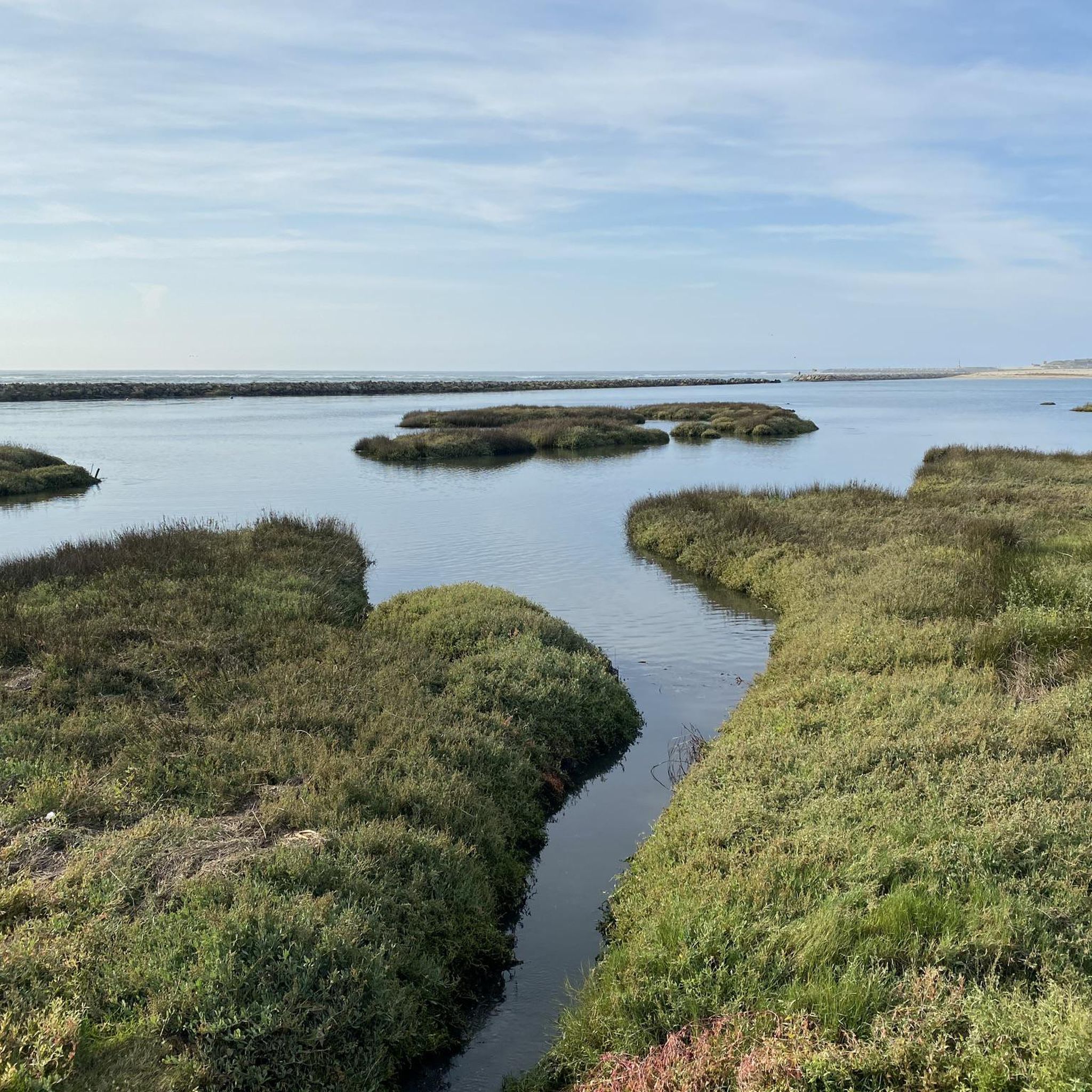
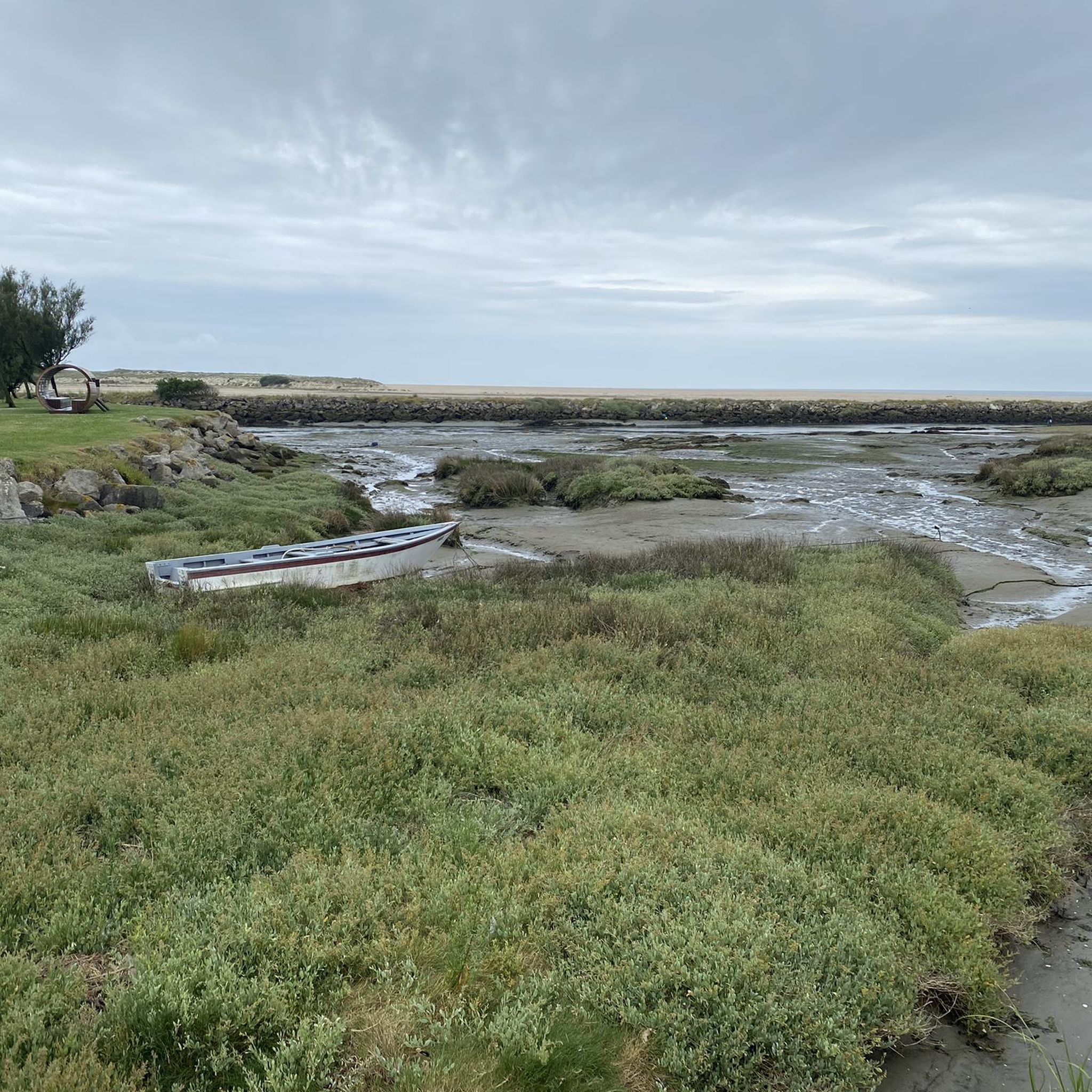
Tips from the Community

The Metal Bridge of Fão (Esposende) Location: It crosses the Cávado River, on National Road 13 (EN13), in the parish of Fão, in Esposende. Alternative Name: It is frequently referred to as the D. Luís Filipe Bridge. History: It is a significant example of iron architecture in Portugal, inaugurated on August 7, 1892. Characteristics: The bridge, which is a Property of Public Interest, has an extensive metal structure and has recently been rehabilitated.
2
0
In Esposende, the main historical bridge that crosses the Cávado River is the Ponte Metálica de Fão, also known locally as Ponte D. Luís Filipe.
2
0
Key Information Location: Neiva River, on the border of the municipalities of Esposende and Viana do Castelo, Portugal. History: The original bridge was built in 1930 at the behest of the owner of a watermill and a fishing lodge that existed on the site at that time. Renovation: Over time, the bridge suffered damage due to the impact of fallen trees during storms. In 2020, the reconstruction of the bridge was announced, in a project financed in equal parts by the two neighboring municipalities. North Coast Ecovia: The stone bridge (reconstructed or restored) is part of a set of green infrastructures that make up the North Coast Ecovia, a pedestrian and cycle path that enhances the Neiva River estuary and connects the two municipalities, offering a bucolic and tranquil environment for walks. The bridge is a picturesque spot, frequently visited by those traveling along the ecovia, inviting a peaceful stroll and observation of the surrounding nature.
2
0
The Stone Bridge over the Neiva River, also known as Sebastião's Bridge, is a historic bridge that connects the banks of the Neiva River, serving as a border between the municipalities of Esposende (Antas parish) and Viana do Castelo (Castelo do Neiva parish), in Portugal.
2
0

The Barcelos Bridge is more than just an entrance to the city. It's a gateway to its legends, like that of the rooster. Over the Cávado River, this Gothic stone bridge, commissioned by Count Pedro between 1325 and 1330, connects Barcelos to Barcelinhos and has been classified as a National Monument since 1910. And if the heat gets too much, right next door awaits a river beach perfect for a refreshing dip.
3
0

A highlight that should not be missed on any visit to the region!
2
1
A highlight that should not be missed on any visit to the region!
1
0
A highlight that should not be missed on any visit to the region!
1
0
Frequently Asked Questions
What historical and cultural sites can I visit in Palmeira de Faro?
Palmeira de Faro and its immediate surroundings offer a rich history. You can explore the ancient Castro do Senhor dos Desamparados, a hill fort with military significance dating back to the French invasions and possibly Roman times. Nearby, the Chapel of Senhor dos Desamparados, built in the 1820s, stands as a testament to local devotion. The Igreja Paroquial de Palmeira de Faro, with origins in the 12th century, and the historic Capela de Santo António are also notable religious sites. Further afield, the Apúlia Church, with its medieval roots and multiple reconstructions, is another significant religious building.
Are there any natural viewpoints or scenic spots in the area?
Absolutely. The Miradouro do Monte de Faro offers breathtaking panoramic views of the Atlantic coast, stretching from Póvoa de Varzim to Esposende, and the Cávado River estuary. It's a fantastic spot for photography and enjoying the landscape. Additionally, the Stone Bridge over the Neiva River is situated in an idyllic setting surrounded by eucalyptus forests, offering a tranquil environment with the scent of trees and the sound of small waterfalls.
What outdoor activities are available near Palmeira de Faro?
The region around Palmeira de Faro is excellent for outdoor enthusiasts. You can find numerous routes for hiking, running, and cycling. For example, there are several easy hikes, including a loop from Esposende that takes you along the Pequeno Porto and the Mouth of the Cávado River. Running enthusiasts can explore running trails like the moderate loop from Esposende, while cyclists can enjoy cycling routes such as the easy 'The Knight' statue to Neiva Estuary loop.
Are there family-friendly attractions or activities in Palmeira de Faro?
Yes, several attractions are suitable for families. The Apúlia Church is considered family-friendly, offering a glimpse into local history and architecture. The Barcelos Medieval Bridge is another great option, providing an interesting historical site with legends that can captivate younger visitors, and it's near a river beach for a refreshing dip. The tranquil settings of the Stone Bridge over the Neiva River also make for a pleasant family walk.
What is the best time of year to visit Palmeira de Faro?
The region generally enjoys a mild climate. The summer months (July and August) are popular, especially for the annual festival in honor of Senhor dos Desamparados held on the first weekend of August. Spring and early autumn offer pleasant temperatures for outdoor activities like hiking and cycling, with fewer crowds. Consider visiting during these shoulder seasons for comfortable exploration of both historical sites and natural landscapes.
Where can I find historical military structures near Palmeira de Faro?
The region has a significant military past. You can visit the ancient Castro do Senhor dos Desamparados, which served military purposes during the French invasions. A short distance west, the São João Baptista Fort and Lighthouse in Esposende, also known as São João Baptista Castle, is a notable historical military structure built between 1669 and 1702, protecting the mouth of the Cávado River.
Are there any notable bridges in the Palmeira de Faro area?
Yes, several historically significant bridges are worth seeing. The Stone Bridge over the Neiva River is a beautiful granite slab bridge in an idyllic setting. The Fão Bridge, a metal bridge from 1892 over the Cávado River, connects Fão with Esposende and is a declared Site of Public Interest. Further south, the Barcelos Medieval Bridge, a Gothic stone bridge over the Cávado River, is classified as a National Monument and is steeped in local legends.
What is the significance of the Castro do Senhor dos Desamparados?
The Castro do Senhor dos Desamparados is an ancient hill fort with considerable historical importance. It shows evidence of military use during the French invasions in the early 19th century and potentially even during Roman times. Its location and the recent discovery of an oval storage structure make it unique among similar settlements in the region, offering insights into past defensive strategies and daily life.
Can I find accommodation or places to eat near Palmeira de Faro attractions?
While Palmeira de Faro itself is a smaller locality, its proximity to Esposende means you'll find a wider range of amenities. Esposende offers various cafes, pubs, and accommodation options to suit different preferences. It's advisable to check local listings in Esposende for specific recommendations on dining and lodging that are conveniently located for your visits to the attractions.
What is the North Coast Ecovia and how can I access it?
The North Coast Ecovia is a pedestrian and cycle path that offers a tranquil environment for walks and rides. The historic Ponte de Pedra sobre o Rio Neiva (Stone Bridge over the Neiva River), which marks the border between the municipalities of Esposende and Viana do Castelo, is part of this Ecovia. You can access sections of the Ecovia from various points along the coast and riverbanks, including near the Stone Bridge over the Neiva River, to enjoy scenic walks or bike rides.
Are there any hidden gems or lesser-known spots to discover?
Beyond the main attractions, Palmeira de Faro holds some charming, lesser-known spots. The House of Manuel Boaventura in Lugar de Susão, the former residence of the acclaimed writer, offers a glimpse into local literary history. Exploring the various chapels like Capela de Nosso Senhor dos Passos, with its distinctive revivalist architecture, can also lead to quiet discoveries away from the more frequented sites. These spots provide a deeper connection to the region's local culture and heritage.
Most popular attractions around Palmeira De Faro

Get inspired with the komoot mobile app


Explore more
Still not found the Highlight you’re looking for? See guides of the top attractions in other regions:
