The best road cycling routes around Rio Tinto
4.3
(24)
1,103
riders
37
rides
Road cycling routes around Rio Tinto offer a diverse landscape for exploration. The region is characterized by its unique geological features, including the reddish Río Tinto river and terrain shaped by ancient mining activities, providing a distinctive backdrop for rides. Converted railway lines, known as Vías Verdes, offer relatively flat and accessible paths. Beyond the immediate mining areas, routes extend into Mediterranean mountains and traditional Andalusian landscapes, featuring varied elevations and natural settings.
Best road cycling routes around Rio Tinto
…Last updated: July 3, 2026
5.0
(1)
38
riders
39.2km
01:51
330m
330m
Moderate road ride. Good fitness required. Mostly well-paved surfaces and easy to ride.
23
riders
59.2km
02:42
550m
550m
Moderate road ride. Good fitness required. Mostly well-paved surfaces and easy to ride.

Sign up for free
17
riders
57.2km
03:04
550m
550m
Moderate road ride. Good fitness required. Some segments of this route may be unpaved and difficult to ride.
12
riders
Moderate road ride. Good fitness required. Some segments of this route may be unpaved and difficult to ride.
3.0
(1)
5
riders
43.0km
01:55
290m
290m
Easy road ride. Great for any fitness level. Mostly well-paved surfaces and easy to ride.
Get access to more routes and recommendations from other explorers.
Sign up for free
Already have an account?
Our route recommendations are based on thousands of hikes, rides, and runs completed by other people on komoot.
Start today with a free account
Your next adventure awaits.
Login or Signup
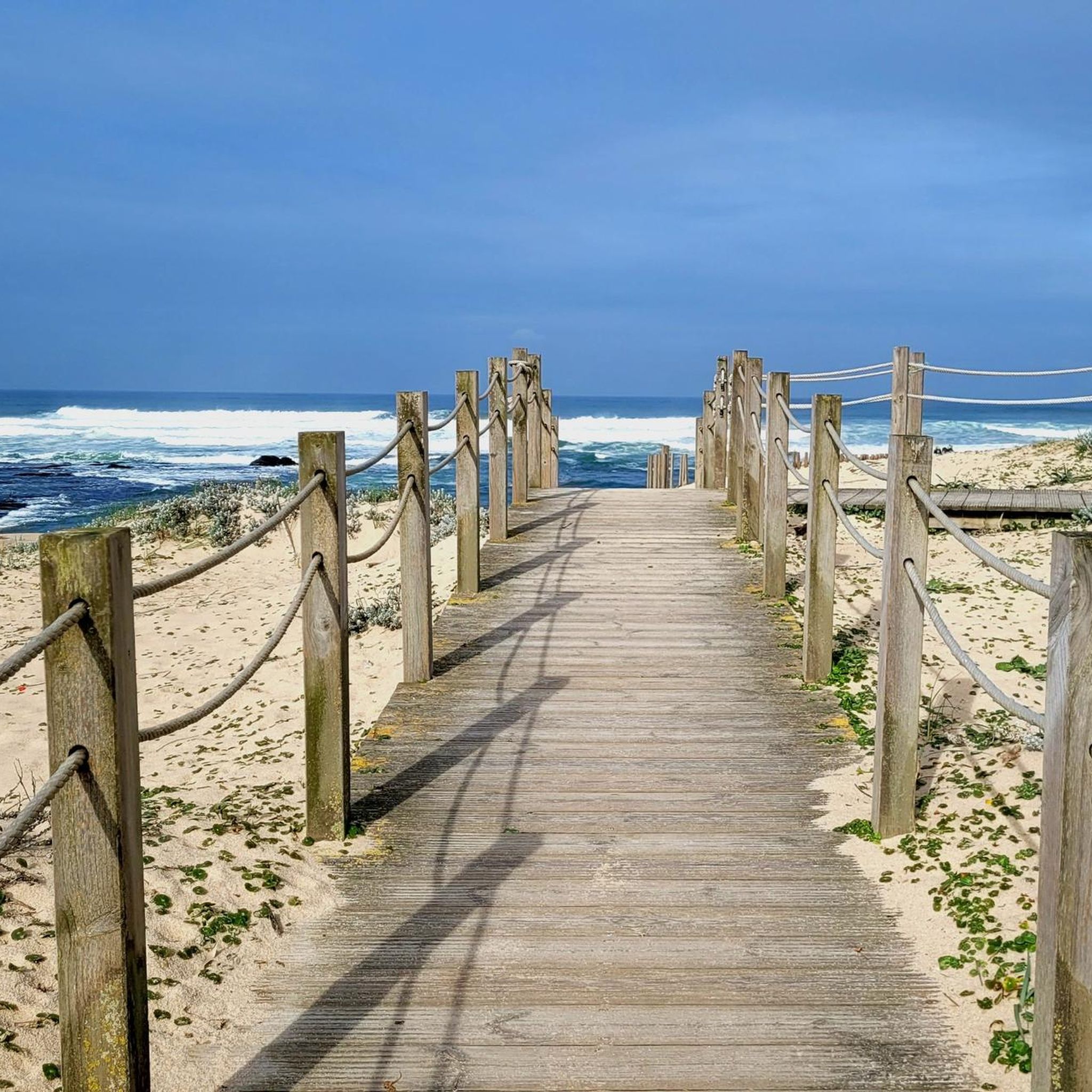
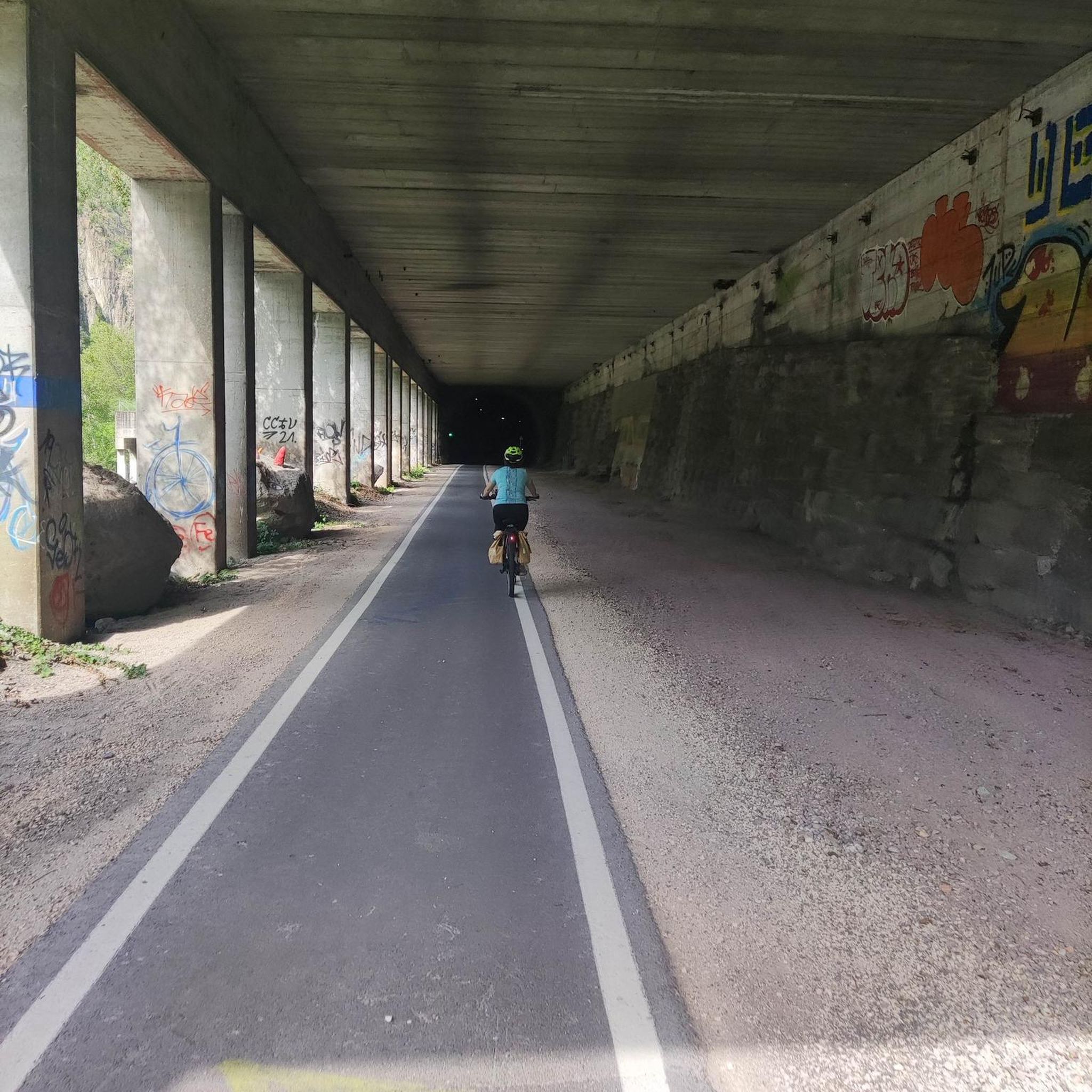
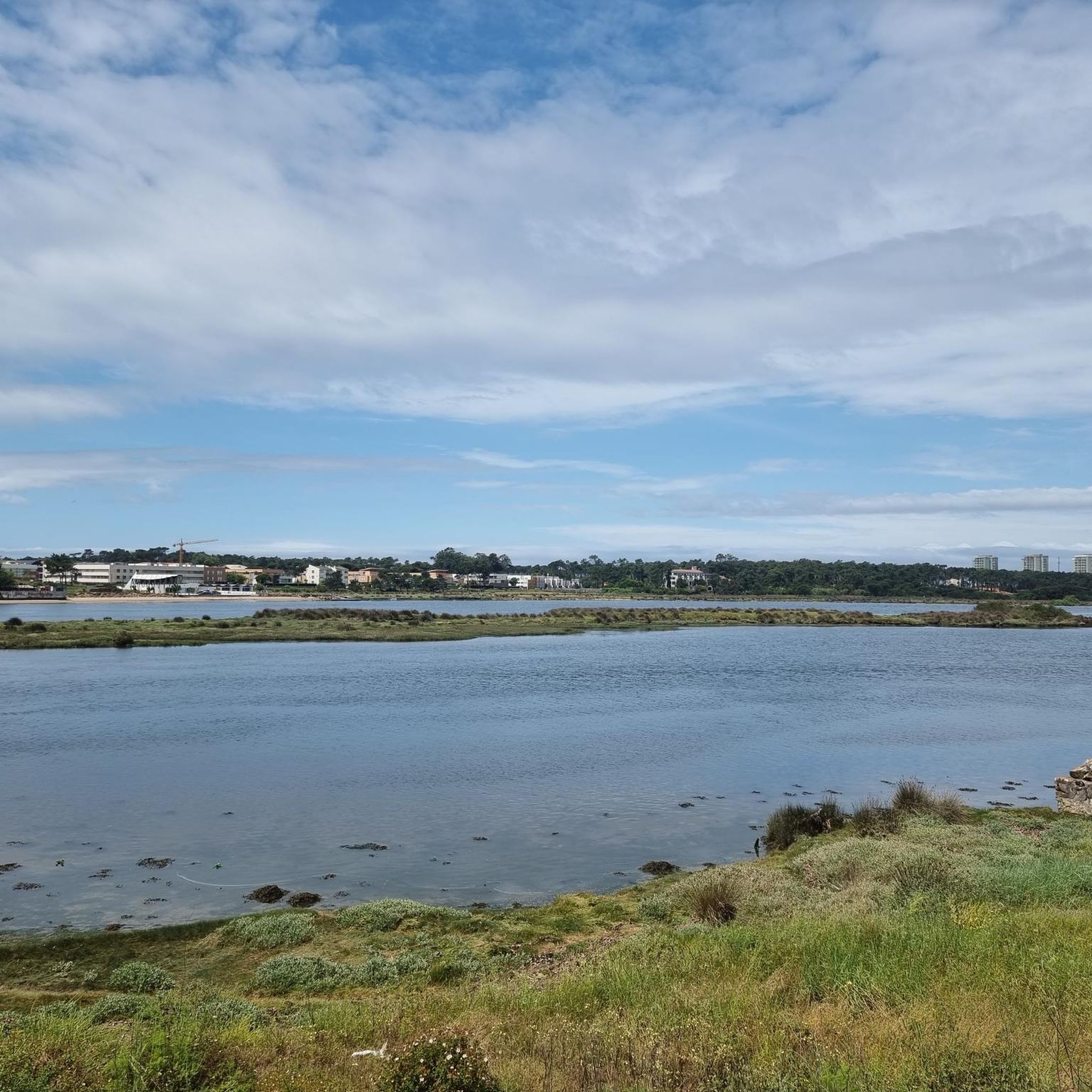
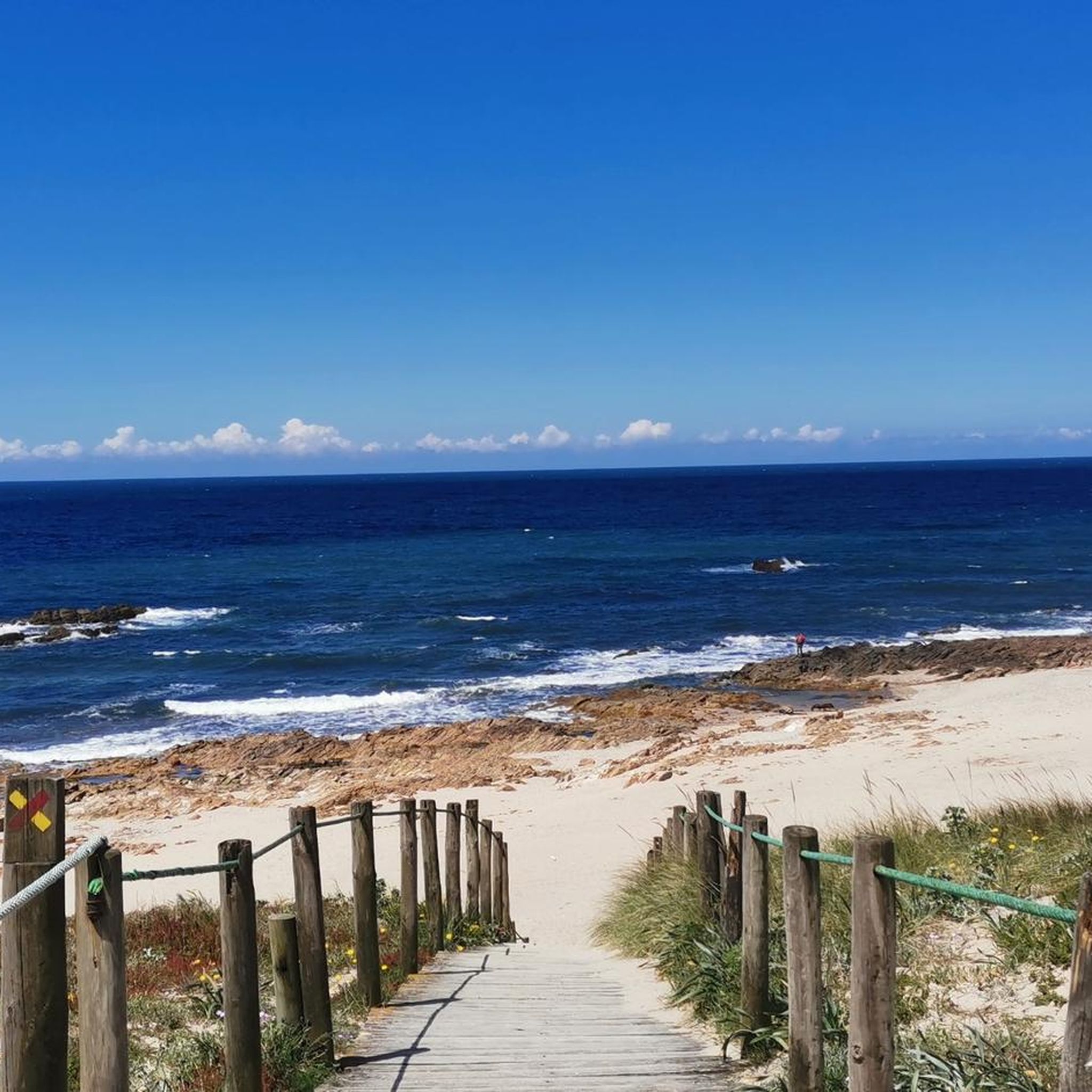

Tips from the Community

Its realy a nice place to walk past. It hase a grat view and we can see how the portugess culture is.
0
0

The Ponte das Tábuas de Balugães (Bridge of the Tábuas of Balugães) is a discreet jewel on the Portuguese Way to Santiago. It spans the serene Neiva River with an elegant trestle arch and boasts a wealth of history: it was mentioned in documents dating back to 1135, likely still made of wood, as the name suggests. The current stone structure is believed to have emerged around the 16th century. Nearby, a small river beach welcomes locals and travelers from around the world, all with the same goal: to dive in, cool off, and let themselves be carried away by the calm rhythm of the Neiva River's waters.
2
0

A highlight that should not be missed on any visit to the region!
0
1
A highlight that should not be missed on any visit to the region!
1
0

A fort with a lighthouse. The sign “Esposende” is also nearby.
1
1
Nice little town with lots of interesting things.
0
1

Fuerte de São João Baptista is a captivating fortress located on the island of Berlenga Grande. Perched atop rugged cliffs overlooking the Atlantic Ocean, this historic fortification offers visitors a glimpse into Portugal's maritime past. With its strategic position and well-preserved walls, the fort provides stunning panoramic views of the surrounding seascape. Exploring its battlements and inner chambers, visitors can immerse themselves in the rich history and military significance of the site.
2
1

Frequently Asked Questions
How many road cycling routes are available in the Rio Tinto region?
There are over 35 road cycling routes in the Rio Tinto region, offering a wide range of options for different skill levels. You'll find everything from easy, flat rides to more challenging routes with significant elevation changes.
What kind of terrain can I expect on road cycling routes in Rio Tinto?
The Rio Tinto region offers a truly unique cycling experience. You can expect to ride alongside the striking reddish Río Tinto river, through landscapes shaped by ancient mining activities that give it a 'Mars-like' appearance. Many routes utilize converted railway lines, known as Vías Verdes, which provide relatively flat and accessible paths. Beyond these, routes extend into Mediterranean mountains, offering varied elevations and natural settings.
Are there easy road cycling routes suitable for beginners in Rio Tinto?
Yes, the Rio Tinto region has 13 easy road cycling routes perfect for beginners or those seeking a relaxed ride. The converted railway greenways, or Vías Verdes, are particularly suitable as they offer relatively flat and well-maintained paths. An example of an easy route is the Fão – Fão Bridge loop from Gemeses, which is 22.5 miles long.
Are there challenging road cycling routes in Rio Tinto?
For experienced cyclists looking for a challenge, there are 4 difficult road cycling routes in the Rio Tinto region. These routes often venture into the Mediterranean mountains, offering more significant elevation gains and varied terrain compared to the flatter Vías Verdes. You can expect climbs and descents that test your endurance.
What unique natural features will I encounter while cycling in Rio Tinto?
The most iconic natural feature is the Red River (Río Tinto) itself, famous for its striking reddish discoloration due to iron and heavy metals. Cycling alongside this river offers a visually dramatic backdrop. You'll also see landscapes sculpted by millennia of mining, with ochre, orange, yellow, and black hues, particularly around sites like the Corta Atalaya open-pit mine. These features contribute to the region's 'Mars on Earth' feel.
Are there any historical or cultural attractions along the road cycling routes?
Yes, many routes in the Rio Tinto area incorporate sites of cultural and historical significance. You might encounter monuments, historical towns, and remnants of the region's extensive mining heritage. For example, you could visit the Fão Bridge or the Apúlia Church. The region's mining history has left behind fascinating industrial archaeology.
What are the typical distances of road cycling trails in Rio Tinto?
The road cycling trails in Rio Tinto vary significantly in distance. You can find shorter loops, such as the Fão – Fão Bridge loop from Gemeses at 22.5 miles (36.3 km). Longer routes, like the Suave Mar Beach – View of Esposende loop from Gemeses, can extend up to 41.3 miles (66.5 km), offering options for various endurance levels.
Are there circular road cycling routes in Rio Tinto?
Yes, many of the road cycling routes in Rio Tinto are designed as loops, allowing you to start and end your ride in the same location. Examples include the popular Café by the Sea in Esposende – View of Esposende loop from Apúlia e Fão and the Church of São Pedro de Rates – Café by the Sea in Esposende loop from Fão.
What do other road cyclists enjoy the most about road cycling in Rio Tinto?
The road cycling routes in Rio Tinto are highly rated by the komoot community, with an average score of 4.3 stars from over 23 reviews. Cyclists often praise the unique 'Mars-like' landscapes, the well-maintained Vías Verdes, and the diverse scenery that ranges from the iconic Red River to coastal views and Mediterranean mountains.
What is the best time of year for road cycling in Rio Tinto?
The Rio Tinto region, located in Huelva, Spain, generally offers favorable cycling conditions for much of the year. Spring (March to May) and Autumn (September to November) are often considered ideal, with pleasant temperatures and less extreme weather. Summers can be very hot, while winters are typically mild, making it possible to cycle year-round, though some routes might be affected by rain.
Are the road cycling routes in Rio Tinto suitable for families?
Yes, many of the converted railway greenways (Vías Verdes) in the Rio Tinto region are suitable for families. These paths are generally flat, well-maintained, and often traffic-free, providing a safe and enjoyable environment for cyclists of all ages. They allow families to explore the unique landscape at a comfortable pace.
Are there places to eat or drink along the road cycling routes?
While specific amenities vary by route, the region's routes often pass through or near towns and villages where you can find cafes, restaurants, and shops. The 'Café by the Sea' mentioned in some route names suggests coastal areas with dining options. Planning your route in advance and checking for amenities along the way is always recommended.
Most popular attractions around Rio Tinto

Get inspired with the komoot mobile app


Explore more
Browse the best Road cycling routes in other regions.
