Attractions and Places To See around Campo Do Gerês - Top 20
Best attractions and places to see around Campo Do Gerês include a rich blend of natural beauty and historical landmarks within Portugal's Peneda-Gerês National Park. This region is characterized by rugged terrain, granite formations, diverse ecosystems, and numerous waterfalls. Visitors can explore ancient sites, traditional villages, and sections of the ancient Roman road, offering insights into the area's unique heritage.
Best attractions and places to see around Campo Do Gerês
- The most popular attractions is Soajo Granaries, a man-made monument consisting of granite granaries once used to store corn. These iconic structures are a symbol of northern Portugal and the Peneda-Gerês National Park, preserving the memory of traditional rural life.
- Another must-see spot is Blue Pool, a natural monument featuring a clear natural swimming pool. This spot offers a refreshing experience with wonderfully clear water, inviting visitors for a swim in a relaxed atmosphere.
- Visitors also love Monastery of Saint Mary of Pitões das Júnias, a religious building with roots dating back to the 9th century. This historical site preserves notable remains of its original design, including a simple side portico and discreet arcades of the cloister.
- Campo Do Gerês is known for its waterfalls, historical sites, and traditional villages. The area offers a variety of attractions to see and explore, from natural swimming spots to ancient Roman roads and ethnographic museums.
- The attractions around Campo Do Gerês are appreciated by the komoot community, with 15 highlights featuring 42 photos and receiving 121 upvotes.
Last updated: August 11, 2026
Blue Pool
Highlight • Natural Monument
If the parking spaces are occupied you can follow the hiking trail over the small bridge. In the following bend there is another parking lot.
Tip by

Soajo Granaries
Highlight • Monument
Tip by

Sign up now to discover places like this
Get recommendations on the best single tracks, peaks, & plenty of other exciting outdoor places.
Sign up for free
Fecha de Barjas Waterfall (Tahiti)
Highlight • Waterfall
The descent on the bridge side coming from Ermida only goes to the top of the waterfall, where there are also bathing pools.
On the way down on the other side of the bridge you walk a little longer, but all the way down where you can really swim.
Have fun!
Translated by Google •
Tip by

Tahiti Waterfall
Highlight • Waterfall
Translated by Google •
Tip by

Monastery of Saint Mary of Pitões das Júnias
Highlight • Religious Site
Notable remains of its original design still remain, such as the simple side portico of the church and the discreet arcades of the cloister, now in ruins.
Translated by Google •
Tip by

Sign up for free to discover even more attractions around Campo Do Gerês.
Sign up for free
Already have an account?
Start today with a free account
Your next adventure awaits.
Login or Signup
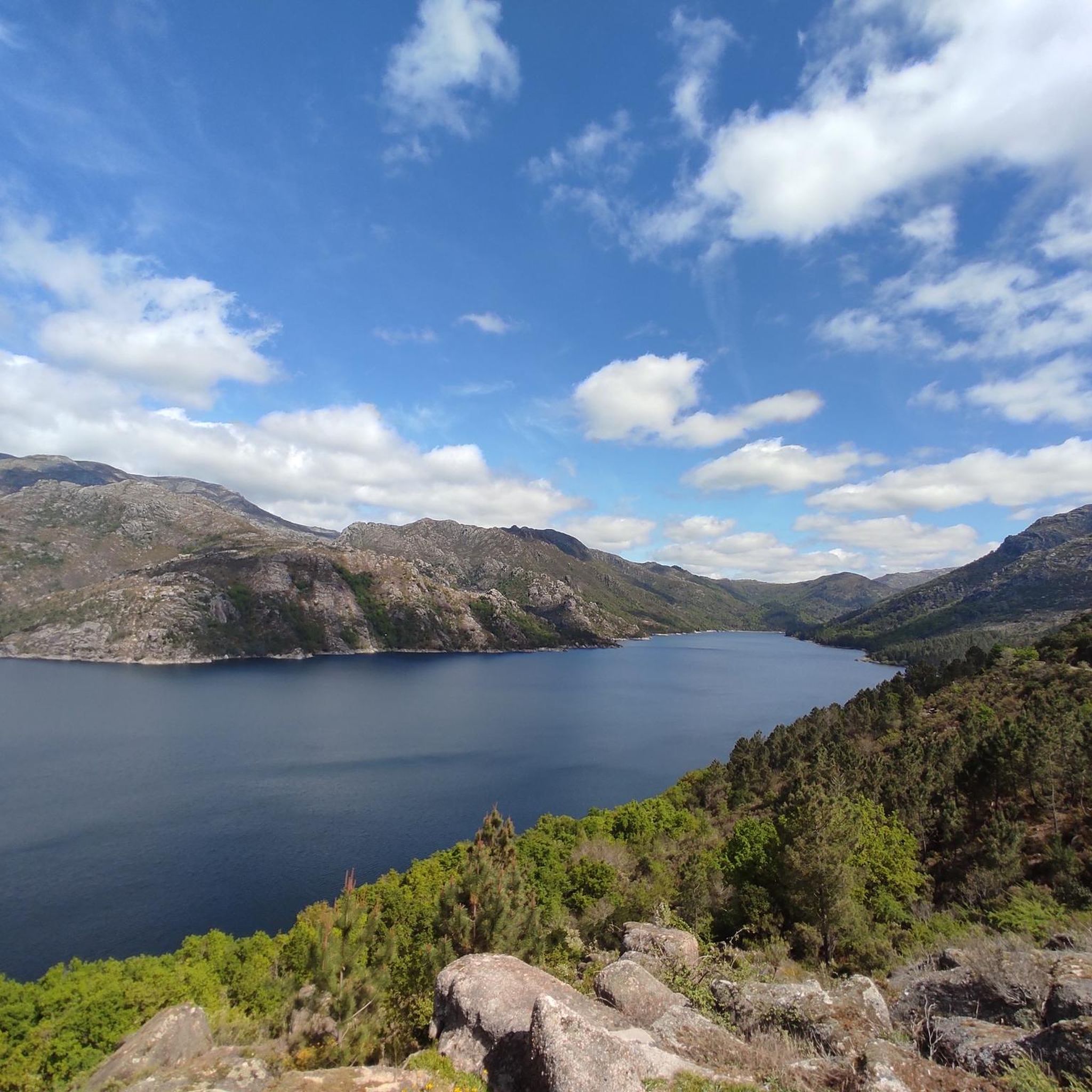
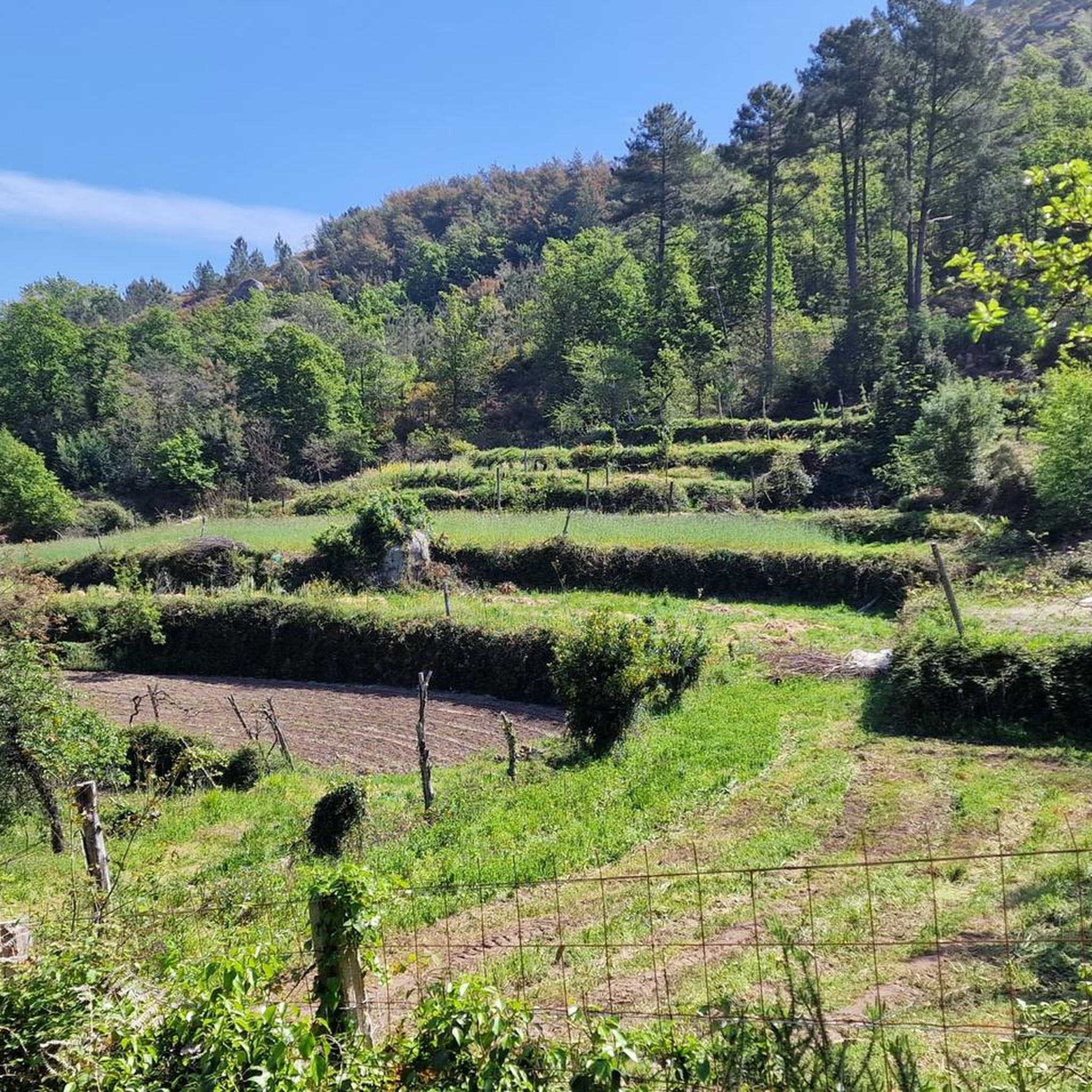
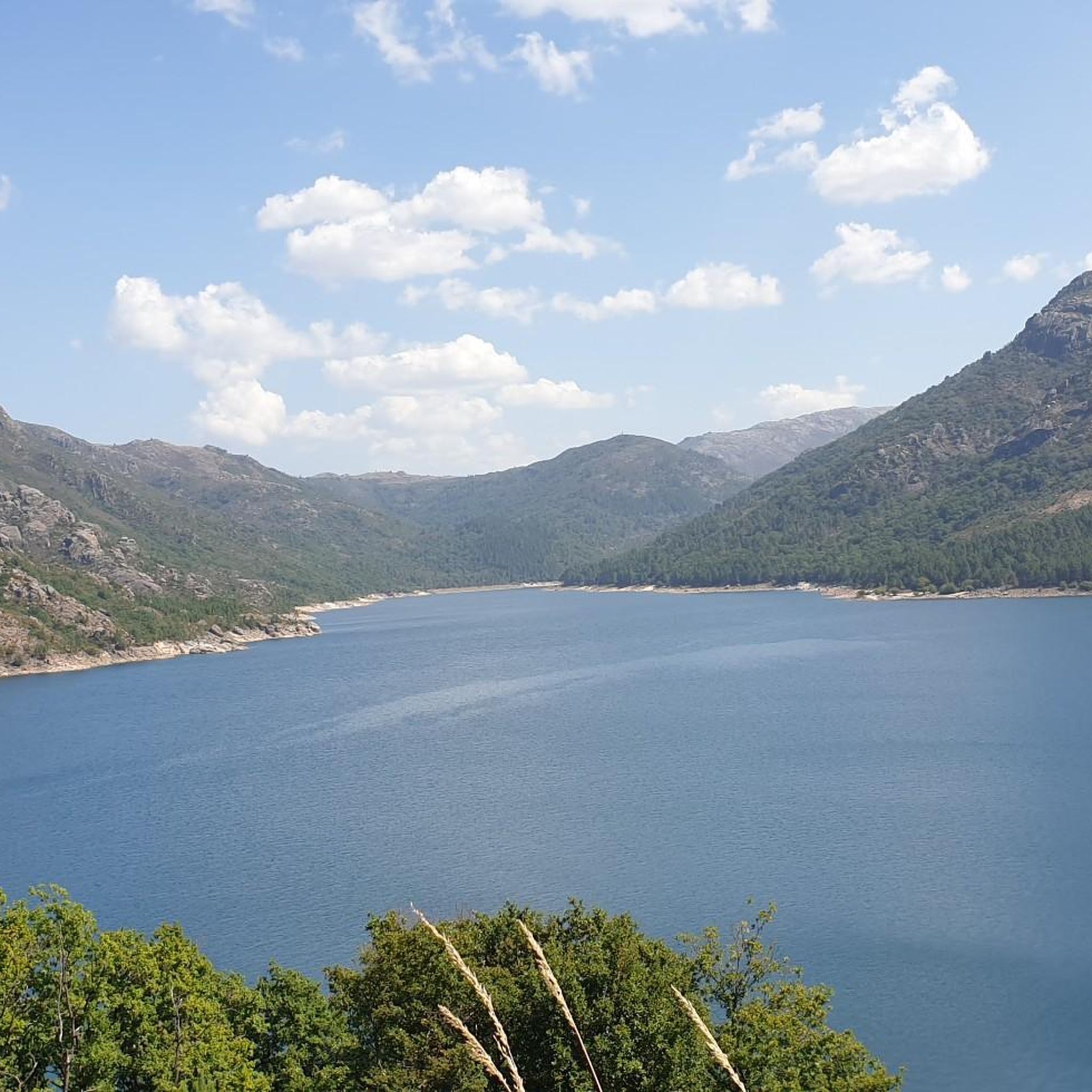
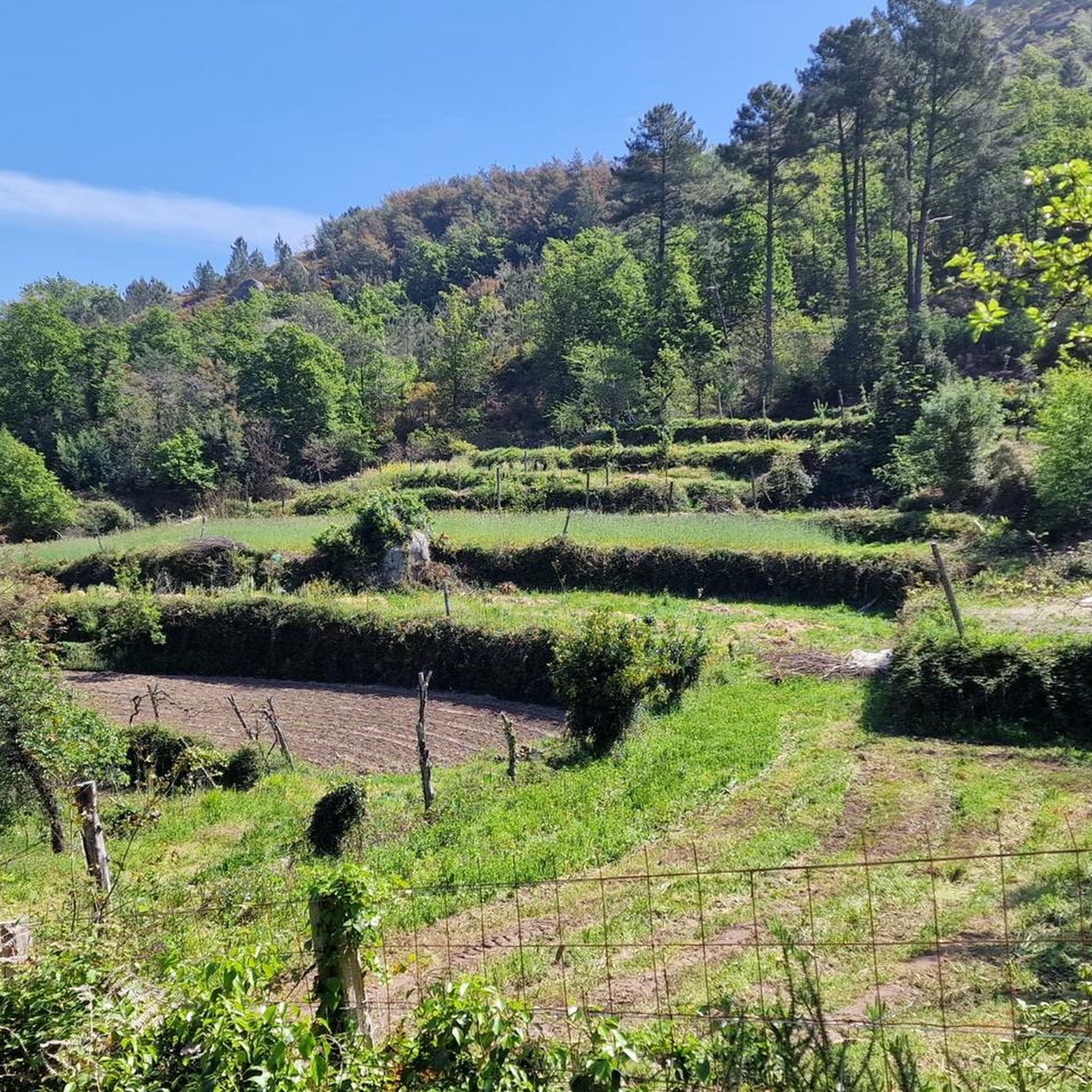
Tips from the Community

A very interesting location with all the traditional granaries ("esquigueiros") clustered together on a large rock. The view from here is also very beautiful.
1
1

The Espigueiros of Soajo are one of the most iconic symbols of northern Portugal and the Peneda-Gerês National Park. They are traditional granaries built of stone and wood, designed to store corn and other grains. They are raised on pillars with "mouse stones" (circular slabs) to prevent rodents from entering. They are covered with gabled roofs and topped with crosses, reflecting the religious influence on rural life.
1
0

The Monastery of Santa Maria das Júnias is a ruined monastery, of which the church remains, located on the outskirts of Pitões das Júnias. The last Cistercian monk became the parish priest of the village of Pitões das Júnias in 1834, the date of the abolition of religious orders in Portugal. As a historical curiosity, it is worth noting that Dom Pedro de Pitões, one of the main drivers of the conquest of Lisbon from the Moors in 1147, was ordained bishop of Porto at this monastery.
0
0

Warning: This is an extremely dangerous location, with a significant risk of falling. Due to erosion, the rocks are extremely smooth, making them slippery even in dry weather.
0
0


Hidden in the heights of Pitões das Júnias, the ancient monastery of Santa Maria carries centuries of history in the stones that support it. It is believed that its origins date back to the 9th century, in the middle of the Reconquista era, before Portugal was born as a kingdom. Officially, however, it was founded in the 12th century under the auspices of the Benedictines, and later embraced the austerity of the Cistercian reform. Today, among the silent ruins, the modest side portico of the church and the delicate arcades of the cloister remain.
1
1
The monastery of Santa Maria de Pitões das Júnias has roots that are believed to date back to a period before the founding of the Kingdom of Portugal, in the 9th century, during the Christian Reconquest. However, it is certain that it was founded in the mid-12th century, initially under the Benedictine Order, later adhering to the Cistercian reform. Notable remains of its original design still remain, such as the simple side portico of the church and the discreet arcades of the cloister, now in ruins.
2
0

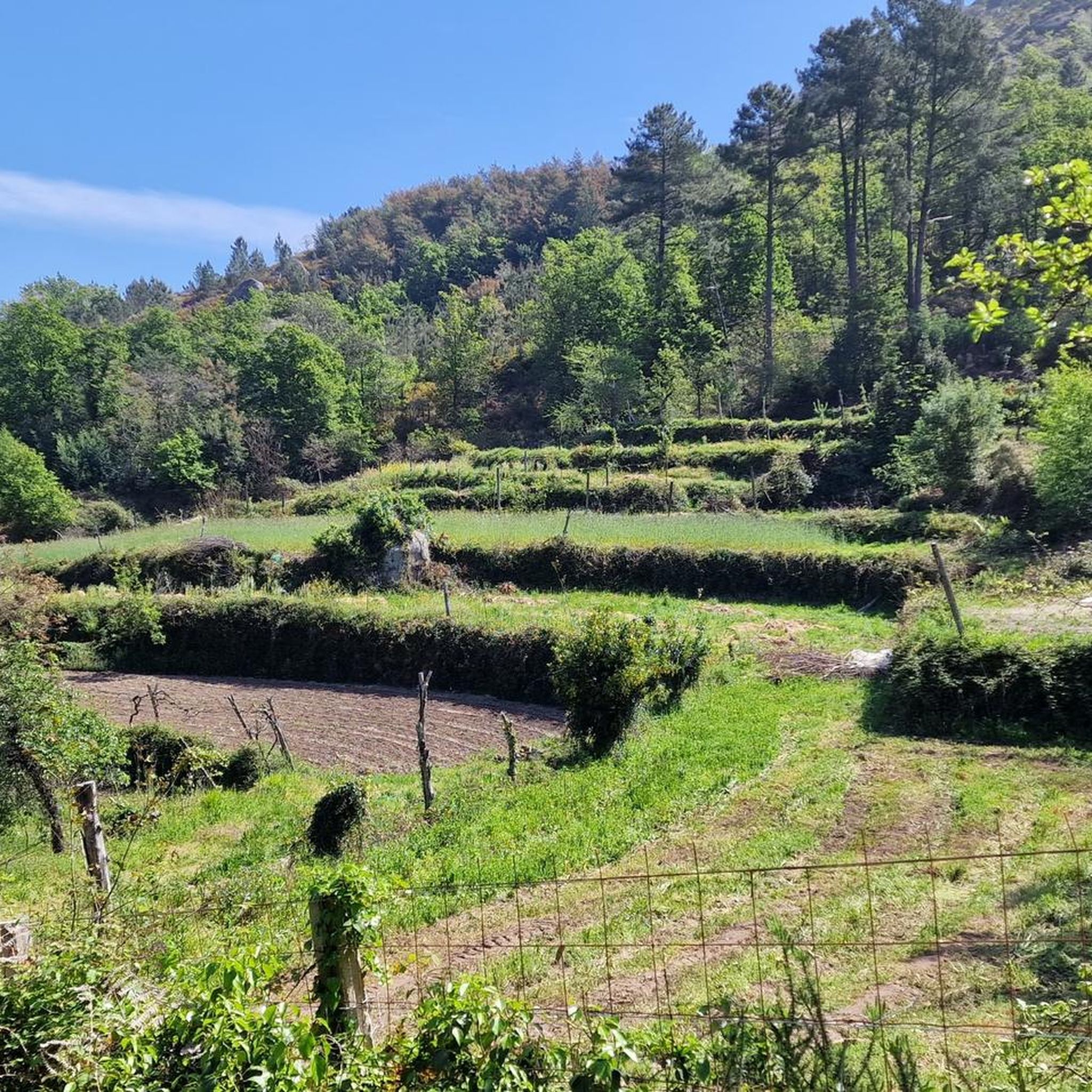
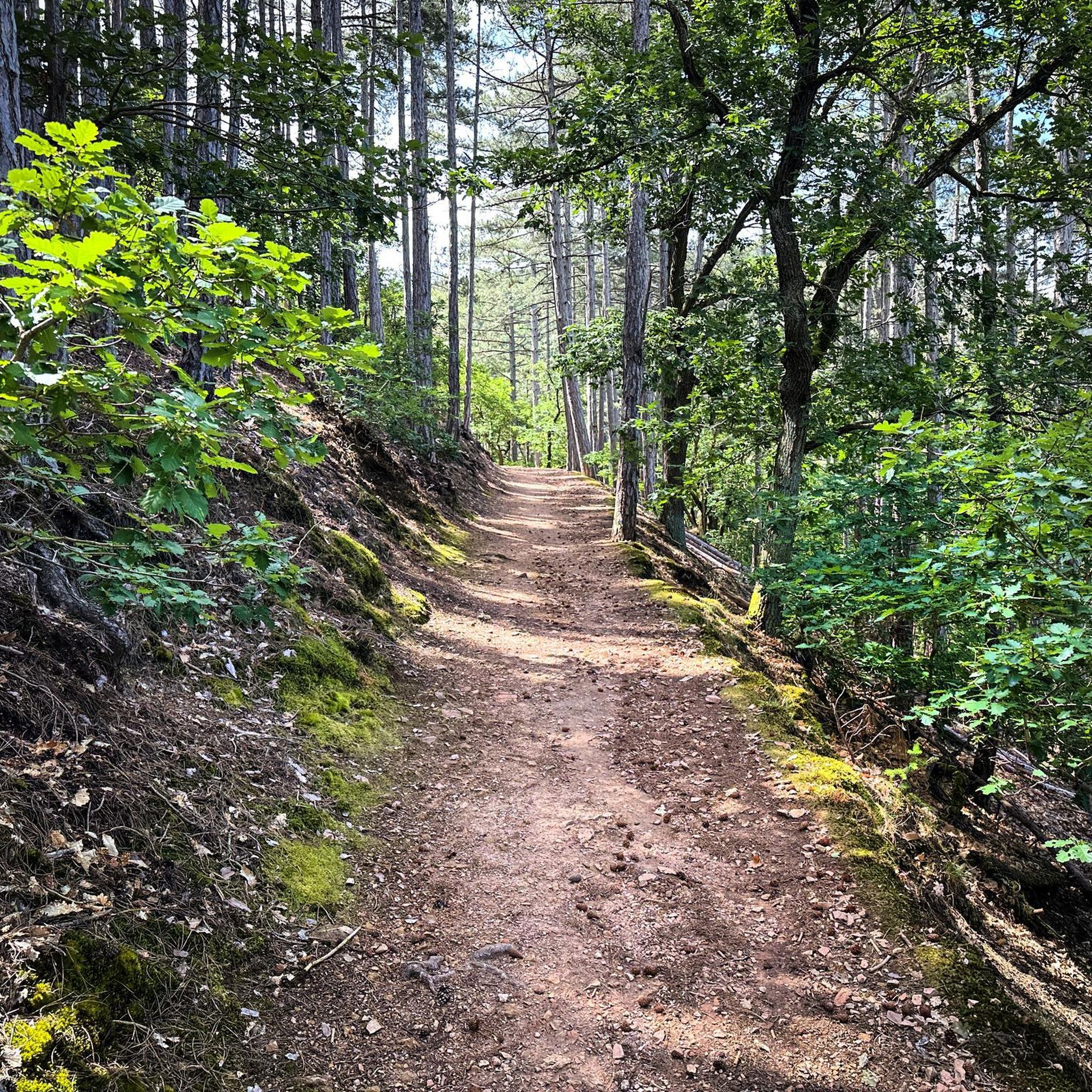
Fascinating landscape, by bike or on foot
0
1
Frequently Asked Questions
What natural attractions can I explore around Campo do Gerês?
The region around Campo do Gerês is rich in natural beauty, particularly within the Peneda-Gerês National Park. You can discover stunning waterfalls like the Arado Waterfall, Fecha de Barjas Waterfall (also known as Tahiti), and Portela do Homem Waterfall, many of which feature natural pools perfect for a refreshing dip. Don't miss the Blue Pool, a natural monument with wonderfully clear water. The area also boasts the ancient oak groves of Mata da Albergaria and the scenic Marina do Rio Caldo on the Caniçada Reservoir.
Are there opportunities for wild swimming near Campo do Gerês?
Yes, the area is famous for its natural swimming spots. The Blue Pool is a popular choice, offering clear, refreshing water. Many waterfalls, including the Fecha de Barjas Waterfall (Tahiti) and Portela do Homem Waterfall, cascade into natural pools that invite visitors for a swim, though caution is always advised due to varying conditions and popularity.
What historical and cultural sites are there to visit around Campo do Gerês?
Campo do Gerês offers a deep dive into history and culture. You can explore the ancient Roman road, Via Nova (Geira Romana), which linked Braga to Astorga, with a well-preserved section running through the national park. Visit the Soajo Granaries, iconic granite structures that preserve the memory of traditional rural life. The Monastery of Saint Mary of Pitões das Júnias, with roots dating back to the 9th century, is another significant historical site. The Núcleo Museológico de Campo do Gerês, including the Ethnographic Museum of Vilarinho da Furna and the Geira Museum, provides insights into the area's heritage and the submerged village of Vilarinho da Furna.
Can I learn about the local heritage and history in Campo do Gerês?
Absolutely. The Núcleo Museológico de Campo do Gerês is an excellent starting point, offering information on the region's geology, flora, fauna, and human history. It includes the Ethnographic Museum of Vilarinho da Furna, which preserves the memory of the communal village submerged by the dam, and the Geira Museum, dedicated to the ancient Roman road. The traditional village of Campo do Gerês itself, with its granite houses and 'canastros' (traditional granaries), offers a glimpse into rural mountain architecture.
Are there family-friendly attractions or activities in Campo do Gerês?
Yes, several attractions are suitable for families. The Soajo Granaries are a fascinating historical site that families can explore freely. Many of the natural pools at waterfalls offer refreshing experiences, though some descents might be challenging for very young children. Gentle walks along sections of the Roman road or around the traditional village of Campo do Gerês can also be enjoyable for families.
What hiking opportunities are available around Campo do Gerês?
The Peneda-Gerês National Park offers diverse hiking experiences. You can explore trails like the Trilho da Cidade de Calcedónia, a circular 7-kilometer route with panoramic views, or the Trilho dos Currais Rail, a moderate 10-kilometer route through forests. For more options, you can find numerous hiking routes in the running guide for Campo do Gerês, which includes trails like the 'Trilho da Calcedónia (PR 1) — Peneda-Gerês National Park'.
Are there cycling or mountain biking routes near the attractions?
Yes, the rugged terrain of the Peneda-Gerês National Park provides excellent opportunities for cycling and mountain biking. You can find various routes, from moderate to difficult, such as the 'Vilarinho das Furnas Reservoir – Leonte Waterfall loop' for touring bicycles, or the 'Geira and Arrieiros Trail Loop' for mountain biking. For a comprehensive list of routes, refer to the cycling guide and the MTB trails guide for Campo do Gerês.
Where can I find panoramic views of the region?
For spectacular panoramic views, head to the Pedra Bela Viewpoint (Miradouro da Pedra Bela), which offers expansive vistas over the Cávado River valley and the surrounding landscapes of the Peneda-Gerês National Park. Many trails, such as the Trilho da Cidade de Calcedónia, also provide excellent viewpoints along their paths.
When is the best time of year to visit Campo do Gerês and its attractions?
The best time to visit Campo do Gerês largely depends on your preferred activities. Spring (April-May) and early autumn (September-October) generally offer pleasant temperatures for hiking and exploring the natural and historical sites, with lush landscapes in spring and vibrant colors in autumn. Summer (June-August) is ideal for enjoying the waterfalls and natural swimming pools, though it can be more crowded. Winters are cooler and wetter, but offer a different, quieter beauty.
What kind of wildlife can I expect to see in Peneda-Gerês National Park?
Peneda-Gerês National Park is Portugal's only national park and is known for its rich biodiversity. You might spot various species, including wild horses (garranos), roe deer, wild boars, and even wolves, though they are more elusive. The park is also a haven for diverse birdlife and ancient oak groves, which support a wide range of flora and fauna.
Where can I park when visiting attractions around Campo do Gerês?
Parking availability varies by attraction. For popular spots like the Fecha de Barjas Waterfall (Tahiti) or the Blue Pool, there are often designated parking areas nearby, sometimes paid, or roadside parking. For trails and more remote sites, parking might be limited to small pull-offs or village parking areas. It's advisable to check specific location details if driving.
Most popular routes around Campo Do Gerês
Most popular attractions around Campo Do Gerês

Get inspired with the komoot mobile app


Explore more
Still not found the Highlight you’re looking for? See guides of the top attractions in other regions:
